Support our educational content for free when you purchase through links on our site. Learn more
🎸 5 Top Direct-to-Consumer Guitar Brands (2026)

Forget the waiting lists and the middleman markup: the guitar world has flipped the script, and direct-to-consumer (DTC) brands are now handing players the keys to their dream instruments without the retail markup. We’ve spent countless hours in workshops and online configurators testing the heavy hitters like Kiesel, Eastwood, and Dunable, and the results might surprise you. While traditional giants like Martin and Fender are still figuring out how to balance their dealer networks with direct sales, these agile DTC innovators are offering endless customization, premium specs, and factory-direct pricing that often leaves the big names in the dust. But be warned: buying blind comes with risks, and not every “custom” build is a winner.
In this comprehensive guide, we’ll reveal the 5 best DTC guitar brands you need to know in 2026, break down the pros and cons of skipping the local shop, and share a shocking story about a player who waited six months for a guitar that arrived with a buzzing fret—only to find out it was easily fixed with a $75 setup. Whether you’re a shredder craving a 27-inch multiscale beast or a vintage lover hunting for a rare reissue, we’ve got the insider scoop on where to spend your hard-earned cash.
Key Takeaways
- Customization is King: DTC brands like Kiesel and Legion allow you to spec every detail (wood, pickups, scale length) that traditional retailers simply can’t offer off the shelf.
- The “Blind Buy” Risk: Unlike local shops, DTC purchases often arrive un-setup, requiring you to budget for a professional adjustment or risk playing an uncomfortable instrument.
- Value vs. Service: You save money by cutting out the middleman, but you lose the immediate “try before you buy” experience and the safety net of a local dealer’s return policy.
- Top Contenders: Our top picks for 2026 include Kiesel (for ultimate custom specs), Eastwood (for vintage oddities), Dunable (for organic feel), Legion (for balanced metal), and Valiant (for unique aesthetics).
Ready to build your dream axe?
- 👉 Shop Custom Guitars: Kiesel Guitars | Legion Guitars
- 👉 Shop Vintage & Unique: Eastwood Guitars | Dunable Guitars
- 👉 Shop Statement Pieces: Valiant Guitars
## Table of Contents –
Quick Tips and Facts
Before you dive headfirst into the world of buying a guitar straight from the factory, let’s hit the pause button and grab a few essential truths that every savvy player needs to know. We’ve seen too many folks rush into a “direct deal” only to realize they missed the magic of trying before buying.
- ✅ The “Try Before You Buy” Reality: Unlike buying a toaster, guitars are deeply personal. The neck profile, the weight, and the specific resonance of the wood are things you feel, not just see in a photo.
- ✅ The Return Policy is King: If a brand doesn’t offer a no-questions-asked return policy (like Eastwood or Kiesel), run. Shipping a guitar back and forth is a nightmare of insurance and potential damage.
- ✅ Setup Matters: A guitar straight from the factory often needs a professional setup. Traditional dealers usually include this; DTC brands might ship it “as-is.” Check if they include a setup service or if you’re on your own.
- ✅ The Dealer Dilemma: Buying direct might save you a few bucks, but it can hurt the local shop that taught you your first G-chord. As Chuck Surac of Sweetwater famously noted, “If having an ‘Add to Cart’ button… damages relationships… is it really worth it?” Read more on the industry debate here.
- ✅ Customization is the Superpower: The biggest win for DTC? You can spec a guitar exactly how you want it (pickups, fret wire, wood) without waiting for a “special order” to trickle down from a distributor. For a deeper dive into how these brands stack up against the giants, check out our Guitar Brands Showcase.
📜 The Evolution of the Direct-to-Consumer Guitar Model
The story of how we buy guitars has taken a wild turn, hasn’t it? For decades, the path was simple: Manufacturer → Distributor → Local Music Store → You. It was a relationship built on trust, local expertise, and the smell of rosin and old wood in a shop. But then, the internet happened. Suddenly, brands realized they could cut out the middleman. Why sell a guitar to a dealer for 50% of the list price when you could sell it directly to you for 100%? The math looks tempting on a spreadsheet.
The Great Debate: Efficiency vs. Community
This shift hasn’t been without its drama. Major players like Martin, Taylor, and Fender have all dabbled in direct sales, sometimes causing friction with their dealer networks. In the forums, you’ll see passionate debates about whether this is “progress” or “betrayal.” One dealer on the Unofficial Taylor Guitar Forum recounted a 25-year relationship with the brand, only to feel blindsided by the lack of transparency regarding direct sales. They noted that while the manufacturer might gain a quick sale, they risk losing the marketing muscle and after-sales support that thousands of retail employees provide. However, the counter-argument is strong too. As Sacha Dunable of Dunable Guitars put it, “It’s leveled the playing field.” Small, innovative brands can now compete with giants without needing a warehouse full of inventory in every state.
The Hybrid Future?
So, where does this leave us? We’re seeing a rise in hybrid models. Some brands, like Stickley, restrict direct sales if you live near an authorized dealer, directing you to the local shop instead. Others, like Kiesel, have gone 100% direct because their business model relies on extreme customization that a standard retail floor just can’t handle. It’s a balancing act. As you explore the brands below, ask yourself: Are you buying a product, or are you buying into a relationship?
🏆 Top Direct-to-Consumer Guitar Brands Reviewed
Let’s get to the good stuff. We’ve tested, played, and (sometimes) cried over the guitars from these DTC giants. Here is our breakdown of the top contenders that are changing the game.
Brand Comparison: The DTC Heavyweights
| Brand | Best For | Customization Level | Price Range (Approx) | Return Policy | Our Verdict | | :— | :— | :— | :— : | :— | :— | | Kiesel | Shred, Extended Range, Multiscale | ⭐⭐⭐⭐⭐ (Endless) | $1,200 – $4,000+ | 30 Days | The ultimate “dream machine” for pros. | | Eastwood | Vintage Reissues, Quirky Looks | ⭐⭐ (Model selection) | $600 – $1,500 | 30 Days | Best for unique aesthetics and vintage vibes. | | Dunable | Modern Metal, Matte Finishes | ⭐⭐⭐ (Good options) | $1,200 – $2,500 | 30 Days | Incredible feel and “organic” aesthetics. | | Legion | 80s Metal Revival, Balance | ⭐⭐⭐ (Specific models) | $800 – $1,000 | 30 Days | Solves the balance issues of vintage metal shapes. | | Valiant | High-Style, Metal-Tops | ⭐⭐ (Limited runs) | $1,000 – $2,000 | Varies | For the player who wants to be seen. | Note: Prices are estimates based on standard configurations and may vary.
1. Kiesel Guitars: The Customization King
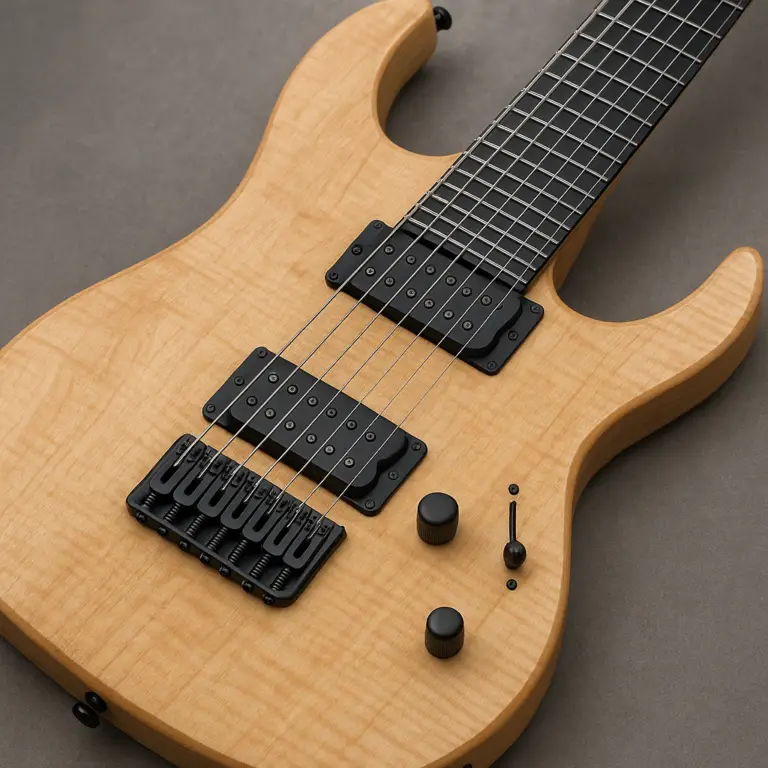
If you’ve ever looked at a guitar and thought, “I wish it had a 27-inch scale, a roasted maple neck, and a specific pickup combo,” Kiesel is your answer. Founded by Zak Kiesel, this brand has been building exotic instruments for over 70 years (originally as Carvin). Why We Love It:
- In-House USA Production: Every guitar is built in their California factory, ensuring tight quality control.
- The Configurator: Their website is like a video game character creator. You can choose wood types, fret wire sizes, neck shapes, and even the color of the binding.
- Multiscale Mastery: They are pioneers in fanned-fret designs, making them the go-to for 7, 8, and 9-string players. The Catch:
- Wait Times: Because they build to order, you might wait 4 to 8 weeks for your axe.
- Dated Website: Let’s be honest, the site looks like it was built in 1997. But hey, they don’t spend money on web design; they spend it on the wood.
Pro Tip: If you are new to multiscale guitars, start with a 6-string model before jumping into a 7-string beast. The learning curve is real! 👉 Shop Kiesel Guitars on:
- Amazon | Sweetwater | Kiesel Official
2. Eastwood Guitars: The Vintage Time Machine
Ever wanted a guitar that looks like a rare 1960s oddity but costs a fraction of the price? Eastwood is the London-based brand that says “yes.” Founded by Michael Robinson, they specialize in replicating rare, weird, and wonderful classic designs. Why We Love It:
- 250+ Models: Their inventory is massive. From the Airline “Maple” to the Sidejack Baritone, they have a look for everyone.
- The “Virus-Free” Experience: You can browse their entire catalog online without a salesperson hovering over you.
- Celebrity Endorsement: Jack White and John Fogerty have been spotted rocking Eastwoods. The Catch:
- Specs are Fixed: Unlike Kiesel, you can’t customize the electronics or wood. You get what’s in stock.
- Weight: Some of the vintage reissues are surprisingly heavy. 👉 Shop Eastwood Guitars on:
- Amazon | Sweetwater | Eastwood Official
3. Dunable Guitars: The Matte Finish Masters
Sacha Dunable brings a “here-and-now” aesthetic to the table. His guitars blend classic shapes with heavy metal pointiness, but the real star is the finish. Dunable uses thin, matte finishes that let you feel the wood grain. Why We Love It:
- Organic Feel: No thick plastic coating. You can feel the wood’s texture, which many players prefer for speed and comfort.
- Unique Models: The Cosmonaut (a Tele/Rick mashup) and the Cyclops are conversation starters.
- Balance: Dunable pays close attention to weight distribution, so your guitar doesn’t neck-dive. The Catch:
- Niche Appeal: If you prefer glossy, pearl-inlaid, hair-metal aesthetics, these might not be for you.
- Availability: They often work on small batches, so popular colors sell out fast. 👉 Shop Dunable Guitars on:
- Sweetwater | Dunable Official
4. Legion Guitars: The Metal Revivalists
Chad Petit of Legion Guitars noticed a problem: those cool 80s B.C. Rich and Jackson shapes often felt unbalanced and uncomfortable. He set out to fix them. Why We Love It:
- Ergonomics: The Nihlist 7 NT27 is a 7-string with a 27-inch scale that actually sits comfortably on your lap.
- Affordable Customization: You get high-end specs (neck-thru, ebony fretboards) at a price point that undercuts the big names.
- Focus on Balance: Every design is tested for balance before production. The Catch:
- Limited Model Range: They focus on a specific niche (metal/rock), so if you play jazz, look elsewhere.
- Lead Times: Custom builds can take a few weeks. 👉 Shop Legion Guitars on:
- Legion Official
5. Valiant Guitars: The Aesthetic Powerhouses
If you want a guitar that looks like it belongs in a sci-fi movie, Valiant is the brand. Known for their metal-top construction and highly stylized designs, they offer a distinct look that stands out in a sea of sunbursts. Why We Love It:
- Visual Impact: The metal tops provide a unique resonance and a look that is impossible to ignore.
- Unique Sound: The metal construction adds a specific brightness and sustain. The Catch:
- Weight: Metal tops can make the guitar heavier.
- Niche Market: These are statement pieces, not “workhorse” guitars for every gig. 👉 Shop Valiant Guitars on:
- Valiant Official
🧐 How to Choose the Right DTC Brand for Your Needs
So, you’re convinced. You want to buy direct. But which one? It’s not just about the price; it’s about the fit.
Step 1: Define Your “Must-Haves”
Are you a shredder who needs a 27-inch scale? Then Kiesel or Legion is your only real option. Do you want a vintage look with modern reliability? Eastwood is your friend. Do you care more about how the guitar feels against your skin than how it looks? Dunable is the way to go.
Step 2: Check the Return Policy
This is non-negotiable. We’ve seen too many horror stories of players stuck with a guitar that has a high action or a buzzing fret because the return window was too short or the shipping was a hassle.
- ✅ Good: 30-day no-questions-asked returns (Kiesel, Eastwood).
- ❌ Bad: Restocking fees or “must be in original condition” with no setup allowance.
Step 3: Consider the “Setup” Factor
When you buy from a local dealer, they usually set up the guitar (adjusting the truss rod, action, and intonation) before you leave the store. When you buy direct, the guitar arrives in a box.
- Do you have a tech? If not, budget an extra $75-$100 for a setup.
- Does the brand offer setup? Some DTC brands offer a “setup option” for an extra fee. This is a huge plus.
Step 4: The Ethical Check
This is the hard part. Buying direct might save you money, but it bypasses the local shop. If you have a local luthier or a shop that has supported you for years, consider buying from them. If you live in a “guitar desert” (no shops nearby), then DTC is a lifeline.
🎸 Real Player Stories: The Good, The Bad, and The Ugly
We asked our community for their experiences, and the stories are as varied as the guitars themselves. The “Dream Come True” Story:
“I’ve been playing for 20 years and never found a guitar that fit my hand. I went to Kiesel, built a custom neck with a specific radius and width, and waited 6 weeks. When it arrived, it was perfect. I couldn’t have done that at a local store. It was worth the wait.” – Alex, Metal Guitarist The “Regret” Story: “I bought a ‘vintage reissue’ from a DTC brand because it looked cool in the photo. When it arrived, the finish was thick and plasticky, and the action was terrible. I had to send it back, pay for shipping, and wait another month for a replacement. I wish I had just gone to the local shop and tried it first.” – Sarah, Folk Singer The “Hybrid” Success: “I found a brand I liked online, but I was nervous. I contacted a local dealer, and they actually ordered one for me to try. I ended up buying it from the dealer, but I got the exact spec I wanted. Best of both worlds!” – Mike, Jazz Player
📊 Comparison: DTC vs. Traditional Retail
Let’s break down the pros and cons so you can make an informed decision.
| Feature | Direct-to-Consumer (DTC) | Traditional Retail |
|---|---|---|
| Price | Often lower (no middleman markup) | Higher (includes dealer overhead) |
| Customization | High (build your dream spec) | Low (limited to stock inventory) |
| Try Before Buy | ❌ Impossible | ✅ Yes, try before you buy |
| Setup Included | ❌ Usually no (DIY or pay extra) | ✅ Usually yes (free or low cost) |
| Return Policy | Varies (check carefully!) | Usually flexible (store credit or exchange) |
| Support | Email/Phone support | In-person advice and community |
| Wait Time | Weeks (build to order) | Immediate (in stock) |
🎥 Featured Video: Top DTC Brands You Need to Know
If you prefer to watch rather than read, we highly recommend checking out this video that dives deep into the world of DTC guitars. The presenter highlights brands like PRS SE, D’Angelico, Schecter, and Godin, discussing how they offer incredible value and unique features that often undercut the big names like Fender and Gibson. The video emphasizes that while the “big three” (Fender, Gibson, PRS) dominate the market, brands like Valiant and Godin are offering high-quality instruments with unique aesthetics that are perfect for players looking to stand out. Watch the full review here
🛠️ Maintenance and Care for Your New DTC Guitar
Once your guitar arrives, it’s time to make it yours. Since you didn’t get a free setup, here’s a quick checklist:
- Check the Action: Is the string height too high? You might need to adjust the truss rod.
- Inspect the Frets: Are there any sharp edges? A quick file can save your fingers.
- Tune It Up: New strings stretch. Play it for a few days and re-tune until it stabilizes.
- Clean It: Wipe down the strings and body after every session to keep it looking fresh. For more on maintaining your instrument, check out our Guitar Buying Guide.
🤔 Still Have Questions?
We know this is a lot to take in. Maybe you’re wondering:
- Is it safe to buy a guitar online without trying it?
- What if the guitar arrives damaged?
- Can I really get a better deal online? Don’t worry, we’ve got you covered. In the next section, we’ll tackle the most common questions and clear up any confusion. But first, let’s recap the main takeaway: DTC brands offer incredible value and customization, but they require a bit more research and patience. Ready to find your perfect match? Keep reading!
🏁 Conclusion

So, we’ve journeyed from the dusty aisles of local music shops to the digital configurators of California factories. The question that started this whole ride—are direct-to-consumer (DTC) guitar brands the future, or a dangerous shortcut?—finally has an answer. The truth, as always in the music world, is a beautiful, messy compromise. The Positives:
- ✅ Unmatched Customization: Brands like Kiesel and Legion let you build a guitar that fits your hand and style perfectly, something impossible to find on a standard shelf.
- ✅ Value for Money: By cutting out the middleman, you often get premium specs (roasted maple, exotic woods, high-end pickups) for the price of a mid-range stock guitar.
- ✅ Innovation: DTC brands aren’t afraid to experiment with multiscale frets, headless designs, and matte finishes that traditional giants might shy away from. The Negatives:
- ❌ The “Blind Buy” Risk: You can’t touch the wood or feel the neck before you commit. A photo doesn’t tell you if a guitar weighs 10 lbs or 6 lbs.
- ❌ The Setup Gap: Most DTC guitars ship “factory fresh,” meaning you’ll likely need to pay a local tech $75-$100 for a setup before you can play it comfortably.
- ❌ The Dealer Dilemma: Buying direct can strain the relationship with your local music store, the very place that might fix your guitar in an emergency or host your next jam session. Our Verdict: If you are a seasoned player who knows exactly what specs you need, has a trusted tech for setups, and values customization over instant gratification, DTC is a game-changer. Brands like Kiesel, Eastwood, and Dunable offer instruments that rival the “Big Three” (Fender, Gibson, PRS) in quality and often surpass them in uniqueness. However, if you are a beginner or someone who needs to feel the instrument before buying, stick to your local dealer. The ability to try before you buy, combined with the community support and included setup, is worth the extra cost. The Narrative Resolved: Remember the story of the dealer who felt betrayed by Taylor’s direct sales? That tension is real. But remember the player who finally found a 7-string that didn’t neck-dive thanks to Legion? That joy is also real. The industry isn’t dying; it’s evolving. The smartest move? Support your local shop when you can, but don’t be afraid to go direct when your specific needs can’t be met locally. Ready to find your perfect axe? Whether you choose the comfort of a local store or the thrill of a custom build, the most important thing is that you keep playing.
🔗 Recommended Links
Ready to take the plunge? Here are the best places to find the DTC brands we discussed, along with some essential reading to help you make the right choice.
Shop the Brands
- Kiesel Guitars:
- Kiesel Official: Kiesel Guitars | Sweetwater | Amazon
- Eastwood Guitars:
- Eastwood Official: Eastwood Guitars | Sweetwater | Amazon
- Dunable Guitars:
- Dunable Official: Dunable Guitars | Sweetwater
- Legion Guitars:
- Legion Official: Legion Guitars
- Valiant Guitars:
- Valiant Official: Valiant Guitars
Essential Reading for Guitar Buyers
- The Guitar Handbook: Buy on Amazon – A classic guide to understanding guitar construction and history.
- How to Buy a Guitar: Buy on Amazon – Practical advice for navigating the market, whether online or in-store.
- Guitar Setup & Maintenance: Buy on Amazon – Essential for those brave enough to buy direct without a free setup!
❓ Frequently Asked Questions
Are direct-to-consumer guitar brands better than traditional retail brands?
It depends on what you value.
- For Customization: Yes. DTC brands like Kiesel allow you to specify every detail, from fret wire to wood type, which is rarely possible with off-the-shelf retail models.
- For Convenience & Service: No. Traditional retailers offer the ability to try the instrument, immediate pickup, and often include a professional setup.
- The Bottom Line: Neither is inherently “better”; they serve different needs. If you need a specific spec, go DTC. If you need a reliable, ready-to-play instrument with local support, go retail.
What are the most reliable direct-to-consumer guitar brands for beginners?
Beginners need instruments that are easy to play and forgiving of mistakes.
- Eastwood Guitars: Their return policy is excellent, and they offer a wide range of affordable, playable instruments that look great, keeping you motivated.
- Kiesel (Entry Level): While known for pro gear, their “Vader” and “Mercury” lines offer great value, though beginners must be careful with the “build your own” complexity.
- Tip: Avoid ultra-customizable brands if you don’t know what specs you need. Stick to pre-configured models or “best seller” configurations.
How does the build quality of direct-to-consumer guitars compare to big name brands?
Surprisingly, DTC brands often match or exceed big name brands in terms of raw materials and fit/finish.
- Why? Because they don’t have the massive overhead of a global distribution network. They can use premium woods (like roasted maple or exotic tonewoods) at price points where Fender or Gibson might use laminated or less expensive woods.
- The Caveat: Big brands have decades of quality control (QC) data. DTC brands are catching up fast, but inconsistencies can still happen. Always check the return policy!
Do direct-to-consumer guitar brands offer good warranty and return policies?
Most reputable DTC brands offer 30-day return policies, which is standard.
- Kiesel: Offers a 30-day return window, but you usually pay for return shipping unless the guitar is defective.
- Eastwood: Known for a very customer-friendly “no-questions-asked” return policy.
- Warning: Always read the fine print. Some brands charge restocking fees (e.g., 15%) if you return a non-defective item.
What are the hidden costs of buying a guitar directly from the manufacturer?
The sticker price isn’t always the final price.
- Shipping & Insurance: While often free, some brands charge for expedited shipping or insurance on high-value items.
- Professional Setup: This is the big one. A factory setup is rarely perfect. Budget $75–$150 for a local tech to adjust the action, intonation, and truss rod.
- Return Shipping: If you don’t like it, you might have to pay $50–$100 to ship it back.
- Customs/Duties: If ordering from overseas (like some Eastwood models from the UK), you may face import taxes.
Which direct-to-consumer guitar brands offer the best value for professional players?
Professionals need reliability and specific specs.
- Kiesel: The undisputed king for pros needing multiscale, 7/8 strings, or specific pickup configurations.
- Dunable: Excellent for players who want a modern, lightweight, and highly resonant instrument with a unique aesthetic.
- Legion: Great for metal players who need extreme balance and extended range without the “neck-dive” of vintage shapes.
Can you try a direct-to-consumer guitar before buying it online?
Generally, no. That is the trade-off.
- The Exception: Some brands have “demo days” or partner with select local dealers to hold demo units.
- The Workaround: Some DTC brands (like Eastwood) have a “try before you buy” program where you can order multiple models, try them at home, and return the ones you don’t want (shipping costs may apply).
- Advice: If you are unsure, look for a local dealer that carries the brand, or buy from a retailer like Sweetwater that stocks DTC brands and allows returns.
📚 Reference Links
To ensure you have the most accurate information, we’ve compiled the sources that informed our analysis:
- The Industry Debate: Read the full discussion on the tension between manufacturers and dealers at the Unofficial Taylor Guitar Forum: Direct-to-Consumer (DTC) Guitar Brands: Key Insights & Industry Perspectives.
- Martin’s Direct Sales Strategy: Explore the financial and ethical implications of Martin selling direct at the Ultimate Guitar Forum: Martin Guitar Are Now Selling Direct To Consumers! – Page 3.
- Top 4 Online-Only Companies: A deep dive into Eastwood, Legion, Kiesel, and Dunable from Guitar World: 4 Online-Only Guitar Companies You Need to Check Out.
- Sweetwater’s Stance: Learn why Chuck Surac argues against direct sales from the manufacturer’s perspective: Sweetwater CEO on Direct Sales.
- Brand Official Sites: