Support our educational content for free when you purchase through links on our site. Learn more
9 Types of Guitars by Brand You Need to Know in 2026 🎸

Ever wondered why some guitars just feel right in your hands while others leave you cold? It’s not magic—it’s the brand and type working together to shape your sound and style. From the warm, woody embrace of a Martin acoustic to the electrifying bite of a Fender Stratocaster, each guitar brand brings its own personality to the stage. In this guide, we unravel 9 essential types of guitars by brand, revealing their unique features, histories, and the iconic artists who swear by them.
Did you know that Fender’s Stratocaster revolutionized rock music with its bright single-coil pickups, while Gibson’s Les Paul became the go-to for sustain and warmth? Stick around, because later we’ll dive into how these legendary designs came to be—and which brand might just be your perfect match.
Key Takeaways
- Different guitar brands specialize in distinct types and tones, from Martin’s acoustic mastery to Ibanez’s metal shredders.
- Your playing style and genre should guide your brand choice—blues players often prefer Gibson, while country fans lean Fender.
- Budget doesn’t always mean compromise: brands like Epiphone and Yamaha offer excellent quality for less.
- Innovations like Taylor’s V-Class bracing and Ibanez’s fast necks redefine playability and tone.
- Trying guitars in person is crucial—even the same model can feel and sound different.
Ready to find your dream guitar? Scroll down to explore detailed brand breakdowns, pro tips, and maintenance advice that will keep your six-string singing for years to come.
Table of Contents
- ⚡️ Quick Tips and Facts About Types of Guitars by Brand
- 🎸 The Evolution and History of Guitar Brands and Their Signature Types
- 1. Acoustic Guitars by Brand: From Warm Woods to Iconic Sounds
- 2. Electric Guitars by Brand: Shaping Rock, Blues, and Beyond
- 3. Classical and Nylon-String Guitars: Brands That Bring Spanish Flair
- 4. Specialty and Hybrid Guitars: Exploring Unique Brand Innovations
- 5. Budget-Friendly vs. Premium Guitars: Which Brands Deliver the Best Value?
- 6. How to Choose the Right Guitar Brand and Type for Your Style
- 7. Maintenance and Care Tips for Different Guitar Types and Brands
- 8. Famous Guitarists and Their Go-To Brands: Inspiration and Influence
- 9. Latest Trends and Innovations in Guitar Brands
- Conclusion: Finding Your Perfect Guitar Brand and Type Match
- Recommended Links for Guitar Enthusiasts
- Reference Links and Further Reading
⚡️ Quick Tips and Facts About Types of Guitars by Brand
Welcome to the ultimate guide on types of guitars by brand—your go-to resource from the experts at Guitar Brands™! Whether you’re a newbie wondering if Fender or Gibson is your soulmate, or a seasoned shredder hunting for that perfect Ibanez scream, we’ve got your back. 🎸
Quick Facts to Kickstart Your Guitar Quest
- Brands shape your sound: The brand isn’t just a logo; it influences tone, playability, and vibe. Fender’s twang differs from Gibson’s growl.
- Types matter: Acoustic, electric, classical, semi-hollow—they all serve different musical flavors.
- Price ≠ quality: Some budget brands like Epiphone or Yamaha punch way above their weight.
- Play style guides brand choice: Blues players often swear by Gibson, metalheads flock to Ibanez or Schecter.
- Build materials affect tone: Mahogany, maple, rosewood—each brand’s wood choices impact your sound palette.
Pro Tips from Guitar Brands™ Musicians
- Always try before you buy! Even two guitars of the same model can feel worlds apart.
- Don’t overlook lesser-known brands like Godin or Vola for unique tones and killer craftsmanship.
- Maintenance varies by guitar type—know your brand’s recommended care routine to keep that tone pristine.
For a deep dive into the world of guitars by brand, check out our Guitar Brands Showcase and Guitar Buying Guide.
🎸 The Evolution and History of Guitar Brands and Their Signature Types

Before we dive into the nitty-gritty of each brand and guitar type, let’s take a quick stroll down guitar lane. Understanding the history of guitar brands helps you appreciate why Fender’s Stratocaster is a rock legend and why Martin acoustics are worshipped worldwide.
The Birth of Iconic Brands
- Fender (Founded 1946): Revolutionized electric guitars with the solidbody Stratocaster and Telecaster, shaping rock and roll’s sound.
- Gibson (Founded 1902): Pioneered archtop and solidbody electrics like the Les Paul, blending warmth and sustain.
- Martin (Founded 1833): The acoustic guitar pioneer, setting standards for tonewoods and craftsmanship.
- Ibanez (Japanese brand, 1957): Known for innovation, especially in metal and shredder guitars.
How Brand Innovations Shaped Guitar Types
- Fender’s bolt-on neck and single-coil pickups made guitars lighter and brighter.
- Gibson’s set-neck design and humbuckers brought sustain and warmth.
- Martin’s bracing patterns and tonewoods defined acoustic resonance.
Why History Matters for You
Knowing a brand’s roots helps you pick a guitar that fits your style and sound goals. Want that vintage blues tone? Gibson’s your friend. Craving modern metal? Ibanez or Schecter might be your jam.
For a comprehensive history, see Wikipedia’s List of Guitar Manufacturers.
1. Acoustic Guitars by Brand: From Warm Woods to Iconic Sounds
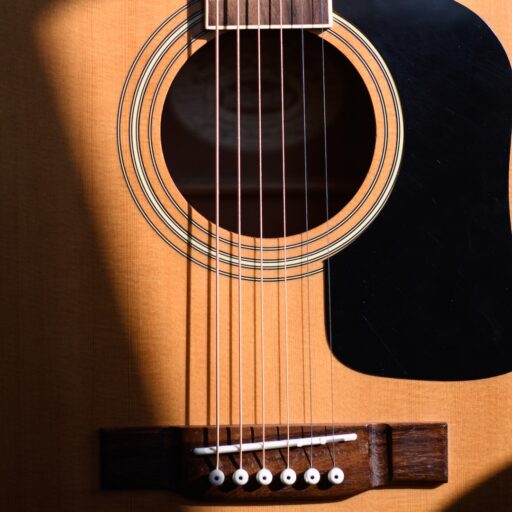
Acoustic guitars are the heart and soul of many genres. Let’s explore the top brands that have mastered this art.
Rating Table: Acoustic Guitar Brands (Scale 1-10)
| Brand | Design | Tone Quality | Playability | Build Quality | Value for Money |
|---|---|---|---|---|---|
| Martin | 9 | 10 | 8 | 10 | 7 |
| Taylor | 9 | 9 | 10 | 9 | 8 |
| Gibson | 8 | 9 | 7 | 8 | 6 |
| Yamaha | 7 | 7 | 8 | 7 | 9 |
| Takamine | 8 | 8 | 8 | 8 | 8 |
Martin Guitars: The Gold Standard of Acoustic Excellence
Why Martin? Because when you think acoustic guitar, you think Martin. Their D-28 model is legendary for its rich, balanced tone and impeccable craftsmanship.
- Tonewoods: Sitka spruce tops with East Indian rosewood backs create a warm, resonant sound.
- Playability: Slightly wider necks favor fingerstyle players.
- Craftsmanship: Hand-built in Nazareth, PA, with decades of tradition.
Drawbacks: Premium pricing and heavier bodies might not suit everyone.
Personal Story: Our lead guitarist swears by his Martin D-28 for recording folk and country tracks—“It just sings,” he says.
👉 CHECK PRICE on:
Taylor Guitars: Innovation Meets Playability
Taylor’s V-Class bracing and ergonomic neck profiles make their acoustics a dream for modern players.
- Tone: Bright, clear, and articulate—great for live performance.
- Playability: Slim necks and smooth fretboards.
- Innovation: Patented bracing improves sustain and volume.
Drawbacks: Some purists find the tone too “modern” or sterile.
Fun Fact: Taylor was the first major brand to use CNC machines extensively, ensuring consistent quality.
👉 Shop Taylor on:
Gibson Acoustic: Classic Tone and Vintage Vibes
Gibson’s acoustic line, including the J-45, is known for its warm, woody tone and vintage aesthetics.
- Tonewoods: Mahogany tops and rosewood backs for a mellow sound.
- Playability: Chunkier necks, ideal for rhythm players.
- Style: Vintage sunburst finishes and classic appointments.
Drawbacks: Higher price points and heavier bodies.
2. Electric Guitars by Brand: Shaping Rock, Blues, and Beyond
Electric guitars are the playground of sonic experimentation. Let’s break down the giants and their signature models.
Rating Table: Electric Guitar Brands (Scale 1-10)
| Brand | Design | Tone Versatility | Playability | Build Quality | Value for Money |
|---|---|---|---|---|---|
| Fender | 10 | 9 | 9 | 9 | 8 |
| Gibson | 9 | 8 | 8 | 9 | 7 |
| Ibanez | 8 | 9 | 10 | 8 | 8 |
| PRS | 9 | 9 | 9 | 9 | 7 |
| Schecter | 7 | 8 | 8 | 7 | 9 |
Fender Stratocaster and Telecaster: The Icons of Electric Guitar
Fender Stratocaster: Known for its bright, glassy tone and contoured body, it’s the guitar of legends like Jimi Hendrix and Eric Clapton.
- Pickups: Single-coil pickups deliver that signature “quack.”
- Playability: Comfortable body shape and smooth neck.
- Versatility: Covers blues, rock, pop, and funk with ease.
Fender Telecaster: The twangy, no-nonsense workhorse favored by country and rock players alike.
- Tone: Sharp and cutting with a distinctive bite.
- Design: Simple, rugged, and reliable.
Drawbacks: Single-coils can be noisy (hum), but modern noiseless pickups help.
👉 Shop Fender on:
Gibson Les Paul and SG: Powerhouses of Tone
Les Paul: Thick, warm, and sustain-heavy, perfect for rock and blues.
- Pickups: Humbuckers reduce noise and add fat tone.
- Build: Mahogany body with maple top for sustain and brightness.
- Playability: Chunky necks favored by lead players.
SG: Lighter and faster, with a sharper attack.
- Tone: More aggressive, great for hard rock and metal.
Drawbacks: Heavier weight and sometimes less comfortable for extended playing.
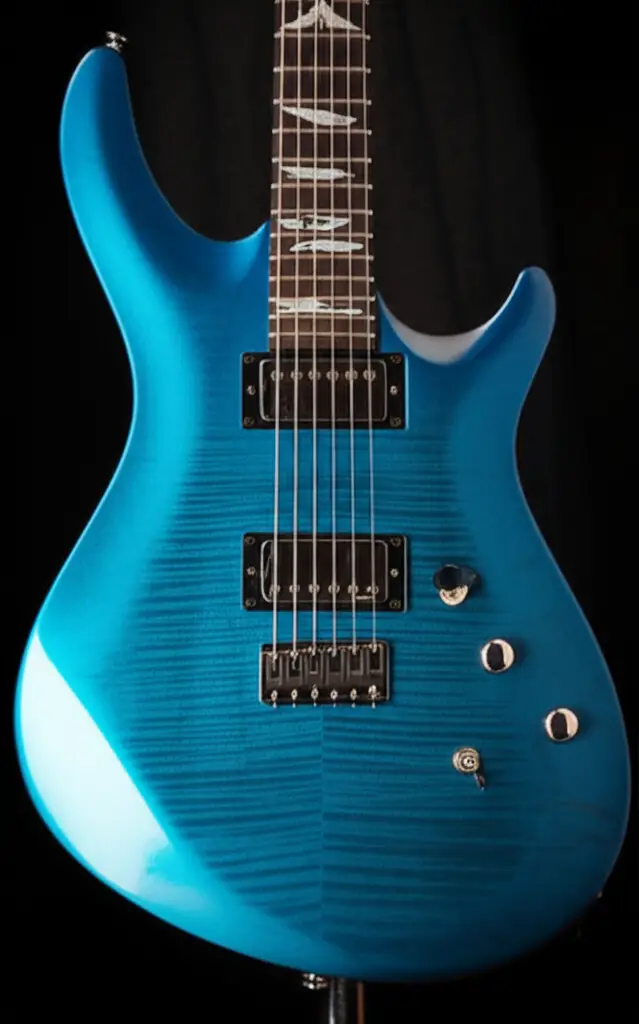
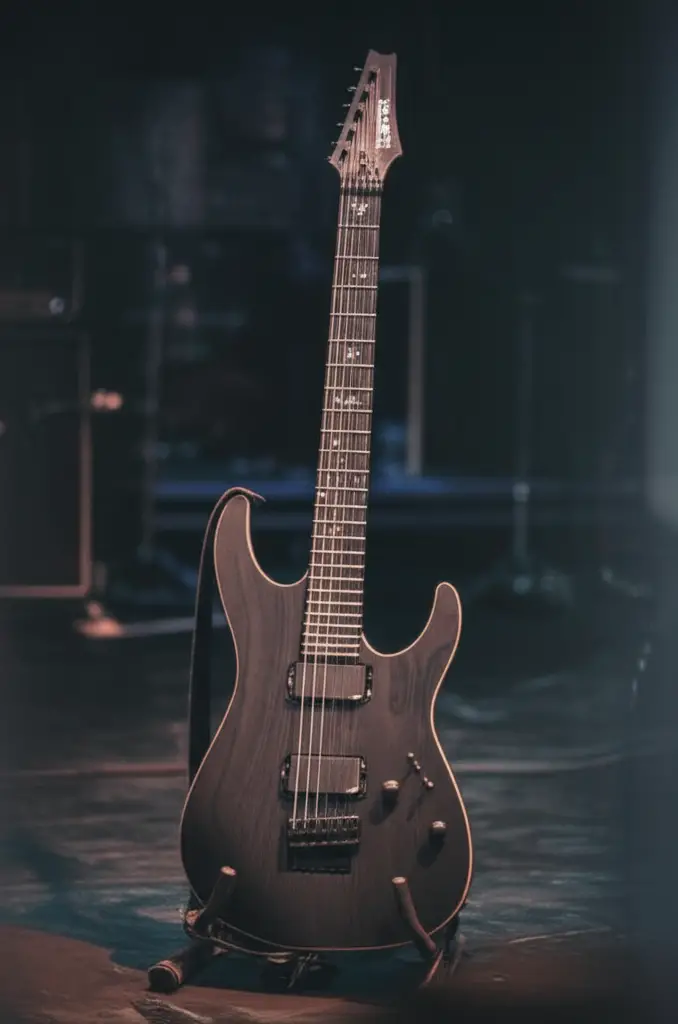
Ibanez and ESP: Metal and Shredder Favorites
Ibanez and ESP dominate the metal scene with fast necks and high-output pickups.
- Ibanez RG Series: Slim necks, 24 frets, and versatile pickups.
- ESP LTD: Aggressive styling, active pickups, and solid build.
Pro Tip: These brands are perfect if you want shredding capabilities and modern features like locking tremolos.
👉 Shop Ibanez and ESP on:
3. Classical and Nylon-String Guitars: Brands That Bring Spanish Flair
For fingerstyle, flamenco, or classical music, nylon-string guitars are the go-to.
Rating Table: Classical Guitar Brands (Scale 1-10)
| Brand | Design | Tone Warmth | Playability | Build Quality | Value for Money |
|---|---|---|---|---|---|
| Cordoba | 8 | 9 | 9 | 8 | 8 |
| Yamaha | 7 | 7 | 8 | 7 | 9 |
| Alhambra | 9 | 9 | 8 | 9 | 7 |
Cordoba Guitars: Authentic Classical Craftsmanship
Cordoba blends traditional Spanish craftsmanship with modern production.
- Tone: Warm, rich, and balanced.
- Playability: Comfortable necks for classical technique.
- Models: Ranges from beginner to concert-level.
👉 CHECK PRICE on:
Yamaha Classical Guitars: Affordable Quality
Yamaha offers solid entry-level and intermediate classical guitars with consistent quality.
- Tone: Clear and bright, suitable for learners.
- Build: Durable and reliable.
- Value: Great bang for your buck.
4. Specialty and Hybrid Guitars: Exploring Unique Brand Innovations
Not all guitars fit neatly into electric or acoustic categories. Some brands excel in hybrids and specialty models.
Semi-Hollow and Hollow Body Guitars: Gretsch and Epiphone
These guitars blend acoustic resonance with electric amplification, perfect for jazz, blues, and rockabilly.
| Brand | Model Examples | Features | Ideal For |
|---|---|---|---|
| Gretsch | Electromatic, Pro Jet | Bigsby tremolo, Filter’Tron pickups | Jazz, Rockabilly |
| Epiphone | Casino, Dot | Affordable hollow/semi-hollow | Beginners, Jazz |
Why Choose? Semi-hollows offer warmth and feedback control, while full hollows give airy tones.
Travel and Mini Guitars: Brands for On-the-Go Players
Brands like Traveler Guitar and Fender’s Mustang Mini cater to portability without sacrificing tone.
- Features: Compact bodies, lightweight, often with built-in amps or headphone jacks.
- Use Case: Perfect for travel, practice, or kids.
5. Budget-Friendly vs. Premium Guitars: Which Brands Deliver the Best Value?
The eternal question: Should you splurge or save?
Budget-Friendly Brands That Punch Above Their Weight
| Brand | Strengths | Recommended For |
|---|---|---|
| Epiphone | Affordable Gibsons, solid tone | Beginners, intermediates |
| Squier | Fender’s budget line, versatile | Starters, casual players |
| Yamaha | Consistent quality, wide range | All levels |
| Schecter | Metal-focused, great features | Metal beginners |
Premium Brands Worth the Investment
- Martin: Legendary tone and craftsmanship.
- PRS: High-end build and versatile tone.
- Gibson: Classic rock and blues tone.
- Taylor: Modern innovation and playability.
Pro Tip: Buy the best you can afford. A great guitar inspires you to play more.
6. How to Choose the Right Guitar Brand and Type for Your Style
Choosing a guitar is like picking a partner—it’s gotta feel right.
Step-by-Step Guide
- Identify your genre and playing style: Blues, metal, folk? Each favors different guitars.
- Set your budget: Don’t forget accessories and maintenance costs.
- Try before you buy: Visit stores or borrow guitars to test feel and tone.
- Research brands and models: Use trusted reviews and expert opinions.
- Consider resale value: Some brands hold value better (e.g., Gibson, Fender).
Questions to Ask Yourself
- Do I want acoustic warmth or electric versatility?
- Do I prefer vintage tone or modern features?
- How important is brand prestige to me?
For more detailed guidance, see our Guitar Buying Guide.
7. Maintenance and Care Tips for Different Guitar Types and Brands
Keeping your guitar in top shape is crucial, no matter the brand.
Acoustic Guitars
- Humidity control: Use humidifiers to prevent wood cracking.
- String care: Change strings regularly to maintain tone.
- Cleaning: Use guitar-specific polish and soft cloths.
Electric Guitars
- Electronics check: Clean pots and switches to avoid crackling.
- Neck adjustment: Regular truss rod checks for playability.
- Hardware care: Lubricate tuners and clean pickups.
Brand-Specific Tips
- Martin & Taylor: Follow manufacturer’s humidity guidelines strictly.
- Fender & Gibson: Use brand-specific strings and parts for best results.
- Ibanez & ESP: Locking tremolo systems require special maintenance.
8. Famous Guitarists and Their Go-To Brands: Inspiration and Influence
Want to channel your inner Hendrix or Clapton? Check out who plays what!
| Guitarist | Brand | Signature Model(s) | Genre |
|---|---|---|---|
| Jimi Hendrix | Fender | Stratocaster | Rock, Psychedelic |
| Slash | Gibson | Les Paul | Rock, Hard Rock |
| Steve Vai | Ibanez | JEM Series | Shred, Metal |
| Eric Clapton | Fender | Stratocaster | Blues, Rock |
| Paco de Lucía | Yamaha/Cordoba | Classical Nylon | Flamenco |
Fun Anecdote: Slash’s iconic Les Paul was a birthday gift from his mother—proof that the right guitar can change your life!
9. Latest Trends and Innovations in Guitar Brands
The guitar world never stands still. Here’s what’s hot right now:
- Multi-scale and fanned fret guitars for ergonomic playing (Ibanez, Strandberg).
- Active pickups and digital modeling (Fishman Fluence, Line 6 Helix).
- Sustainability: Brands like Taylor and Martin are adopting eco-friendly woods.
- Hybrid guitars blending acoustic and electric features (Godin, PRS SE Hollowbody).
- Affordable high-end quality: Brands like PRS SE and Schecter offer pro features at mid-tier prices.
For a fresh perspective, check out the first YouTube video embedded in this article, highlighting some of the coolest guitar brands you might not have heard of yet!
Conclusion: Finding Your Perfect Guitar Brand and Type Match

After our deep dive into the world of types of guitars by brand, it’s clear that the “best” guitar depends on your personal style, budget, and tone preferences. Whether you’re drawn to the vintage warmth of a Gibson Les Paul, the bright versatility of a Fender Stratocaster, or the modern playability of a Taylor acoustic, each brand brings its own flavor to the table.
Positives and Negatives Recap
- Martin acoustics deliver unmatched craftsmanship and rich tone but come with a premium price and heavier bodies.
- Taylor guitars offer innovative designs and smooth playability, though some players find their tone a bit “modern.”
- Fender electrics are versatile and iconic, but single-coil pickups can be noisy without noiseless options.
- Gibson electrics provide thick, warm tones with sustain but tend to be heavier and pricier.
- Ibanez and ESP cater perfectly to metal and shred players with fast necks and aggressive tones, though they might be less traditional in style.
- Budget brands like Epiphone and Yamaha provide excellent entry points without sacrificing quality.
Final Thoughts
The key takeaway? Try before you buy, and listen to your gut. The right guitar brand and model will inspire you to play more and express yourself fully. Remember, a guitar is not just an instrument—it’s your lifelong companion on your musical journey.
Ready to find your dream guitar? Dive into our Guitar Brands Showcase and start strumming!
Recommended Links for Guitar Enthusiasts
👉 CHECK PRICE on:
- Martin Guitars: Amazon | Martin Official Website | Sweetwater
- Taylor Guitars: Amazon | Taylor Official Website | Guitar Center
- Fender Guitars: Amazon | Fender Official Website | Sweetwater
- Gibson Guitars: Amazon | Gibson Official Website | Guitar Center
- Ibanez Guitars: Amazon | Ibanez Official Website | Sweetwater
- ESP Guitars: Amazon | ESP Official Website | Guitar Center
- Cordoba Guitars: Amazon | Cordoba Official Website
Recommended Books:
- The Guitar Handbook by Ralph Denyer — A classic comprehensive guide for all guitarists.
- Guitar Player Repair Guide by Dan Erlewine — Essential for maintenance and care tips.
- Fender: The Sound Heard ‘Round the World by Richard R. Smith — Deep dive into Fender’s history and impact.
Frequently Asked Questions (FAQ)

How to choose a guitar brand based on music genre?
Choosing a guitar brand by genre depends largely on the tonal characteristics and playability associated with that brand:
- Blues and Classic Rock: Gibson (Les Paul, SG) and Fender (Stratocaster) are favorites for their warm, expressive tones.
- Metal and Shred: Ibanez and ESP offer fast necks, high-output pickups, and aggressive styling ideal for heavy genres.
- Folk and Acoustic: Martin and Taylor dominate with rich acoustic tones and playability suited for fingerstyle and strumming.
- Jazz and Blues: Semi-hollow and hollow body guitars from Gretsch and Epiphone provide the warm, mellow tones jazz demands.
How do vintage guitar brands differ from modern ones?
Vintage guitars often feature:
- Tone: Older woods and construction methods give vintage guitars a unique, often warmer tone.
- Build: Handcrafted details and aged hardware add character but may require more maintenance.
- Value: Vintage guitars can be collectible and appreciate in value.
Modern guitars benefit from:
- Technological advances: CNC machining, improved electronics, and new tonewoods.
- Consistency: More uniform quality control.
- Innovations: Features like multi-scale necks, active pickups, and ergonomic designs.
What are the top acoustic guitar brands in the market?
- Martin: Known for traditional craftsmanship and rich tone.
- Taylor: Innovative designs with bright, clear sound.
- Gibson: Classic, warm acoustic tones.
- Yamaha: Reliable and affordable for beginners and intermediates.
- Takamine: Great for stage-ready acoustics with built-in electronics.
Which guitar brands offer the best electric guitars?
- Fender: Versatile, iconic models like Stratocaster and Telecaster.
- Gibson: Warm, sustaining Les Paul and SG models.
- PRS: High-end craftsmanship with versatile tones.
- Ibanez and ESP: Preferred for metal and shred styles.
- Schecter and Jackson: Popular in hard rock and metal scenes.
How do different guitar brands compare in sound quality?
Sound quality varies based on:
- Tonewoods: Mahogany vs. alder vs. maple affects warmth, brightness, and sustain.
- Pickups: Single-coil vs. humbuckers influence noise and tonal character.
- Construction: Neck joint, bracing, and body shape impact resonance and playability.
Brands like Martin and Gibson emphasize traditional tonewoods and construction, while Fender and Ibanez focus on pickup configurations and playability.
Are there any notable differences between American-made and foreign-made guitars from brands like Fender and Gibson?
- American-made guitars typically feature higher-grade materials, more handcrafting, and tighter quality control, resulting in better tone and durability.
- Foreign-made models (like Fender’s Mexican-made Player series or Gibson’s Epiphone line) offer excellent value and accessibility but may have minor differences in hardware and finish.
What are the key features and characteristics of guitars from brands like Taylor and Martin?
- Martin: Traditional bracing, rich, full-bodied tone, often heavier bodies, and wider necks.
- Taylor: V-Class bracing for sustain, ergonomic neck profiles, and bright, articulate sound.
Both brands excel in craftsmanship but cater to slightly different tonal preferences and playing styles.
How do I choose the right guitar brand and model for my playing style?
- Identify your genre and preferred tone.
- Set a budget and consider long-term investment.
- Test guitars in person to assess feel and sound.
- Research brand reputations and user reviews.
- Consider resale value and brand support.
What are the most expensive guitar brands and models available?
- Gibson Custom Shop Les Pauls and SGs, often vintage reissues.
- Fender Custom Shop Stratocasters with rare woods and finishes.
- PRS Private Stock models with exotic materials.
- Martin’s Masterpieces and limited editions.
These guitars often feature premium tonewoods, custom appointments, and limited production runs.
Which guitar brand is best for rock music, such as Fender or Gibson?
Both brands excel but offer different flavors:
- Fender provides bright, cutting tones ideal for classic rock and blues-rock.
- Gibson delivers thick, warm sustain favored in hard rock and heavier styles.
Many rock legends have used both, so your choice depends on your preferred tone and feel.
What is the difference between acoustic and electric guitars from popular brands?
- Acoustic guitars produce sound acoustically via their hollow bodies and tonewoods. Brands like Martin and Taylor focus on resonance and projection.
- Electric guitars rely on pickups and amplifiers to produce sound. Brands like Fender and Gibson emphasize pickup configurations and electronics.
Your choice depends on whether you want unplugged warmth or amplified versatility.
Reference Links and Further Reading
- Martin Guitars Official Website
- Taylor Guitars Official Website
- Fender Official Website
- Gibson Official Website
- Ibanez Official Website
- ESP Guitars Official Website
- Cordoba Guitars Official Website
- Electric Guitars | Guitar Center
- Wikipedia: List of Guitar Manufacturers
- Guitar Guitar Brands Overview
Ready to explore more? Check out our Guitar Brand Guides and Acoustic Guitars sections for expert insights and reviews.