Support our educational content for free when you purchase through links on our site. Learn more
20 High-End Japanese Guitar Brands You Need to Know in 2026 🎸

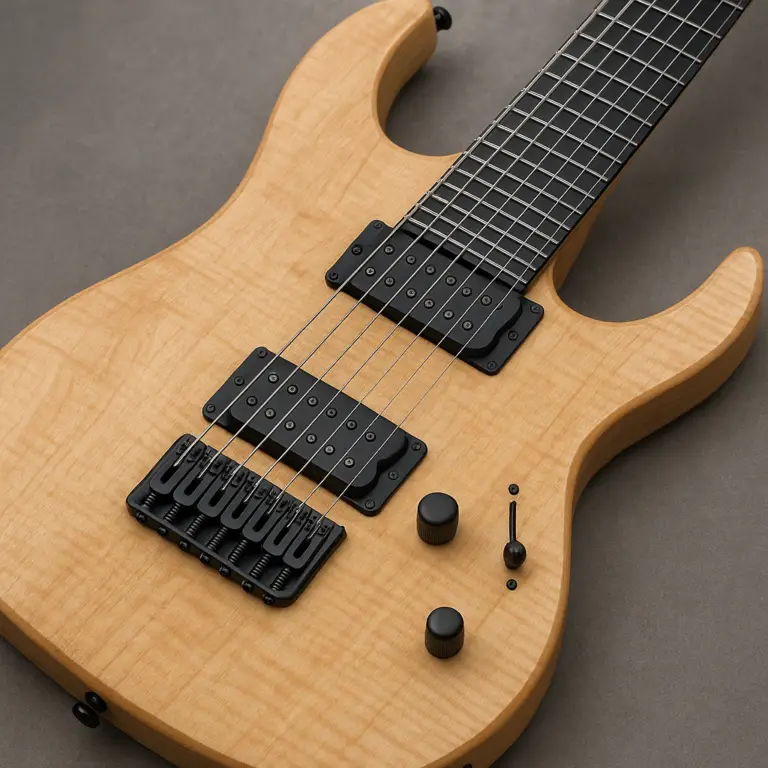
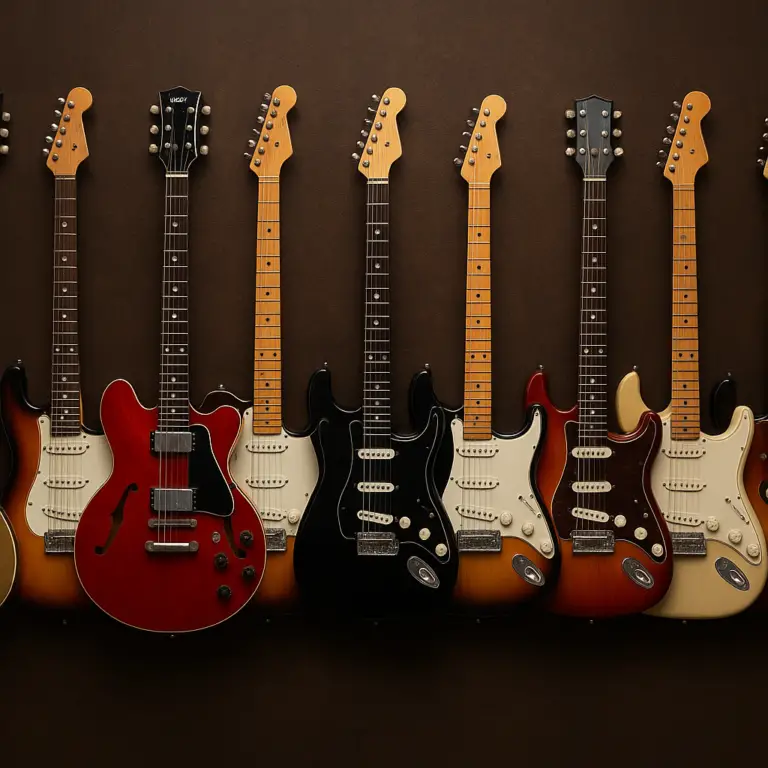
When it comes to guitars that blend impeccable craftsmanship, innovative design, and killer tone, Japanese high-end guitar brands have quietly dominated the scene for decades. From the legendary “lawsuit era” Tokai models that made Gibson sweat, to the cutting-edge custom shops of ESP and Ibanez, Japan’s guitar makers have crafted instruments that rival—and often surpass—the best American and European counterparts.
Did you know that many of the world’s most revered guitars, including Fender Japan’s Prestige line and Ibanez’s J-Custom series, were actually built by the same secretive factory, Fujigen? Or that some boutique brands like Sugi and Caparison use centuries-old submerged woods to create tones you won’t find anywhere else? Stick around as we unpack the 20 top-tier Japanese guitar brands that every serious player and collector should know about in 2026. Whether you’re chasing vintage mojo, metal shredding precision, or boutique artistry, this guide has you covered.
Key Takeaways
- Japanese guitars combine precision craftsmanship with innovative features, often outperforming their Western counterparts in build quality and value.
- Brands like ESP, Ibanez, Yamaha, and Tokai lead the charge with iconic models favored by professionals worldwide.
- Boutique builders such as Sugi, Caparison, and Bacchus offer rare, hand-crafted instruments with unique woods and finishes.
- The “lawsuit era” is more myth than reality—only Ibanez faced legal action, but the legacy pushed Japanese brands to innovate original designs.
- Understanding MIJ (Made in Japan) vs. CIJ (Crafted in Japan) labels helps buyers identify authentic, high-quality instruments.
- For those hunting rare gems, buying directly from Japan using proxy services can unlock access to exclusive models and vintage treasures.
Ready to discover your next dream guitar? Dive into our comprehensive guide and explore the craftsmanship behind Japan’s finest guitars!
Welcome to the “Guitar Brands™” inner sanctum! We’ve spent decades swapping pickups, scouring Tokyo’s Ochanomizu guitar district, and arguing over the tonal merits of 40-year-old Sen Ash. If you’re looking for a guitar that rivals (and often beats) the big American names without the “Custom Shop” price tag that requires a second mortgage, you’ve come to the right place.
Japanese luthiery isn’t just about manufacturing; it’s a philosophy of perfectionism. From the legendary Fujigen factory to the boutique benches of Sugi, we’re diving deep into the world of high-end Japanese guitar brands. Stick around to find out which Japanese brand actually built the “lawsuit” guitars that made Gibson and Fender sweat! 🎸
Table of Contents
- ⚡️ Quick Tips and Facts
- 🇯🇵 The Rising Sun of Craftsmanship: A History of Japanese Guitar Excellence
- 🎸 Why “Made in Japan” (MIJ) is the Gold Standard for Tone Snobs
- 1. ESP Guitars: The Titans of Metal and Custom Shop Mastery
- 2. Ibanez J-Custom & Prestige: Precision Engineering for Shredders
- 3. Yamaha: The Silent Giant of High-End Innovation
- 4. Tokai Gakki: The Kings of the “Lawsuit” Legacy
- 5. Fujigen (FGN): The Secret Powerhouse Behind Your Favorite Brands
- 6. Caparison Guitars: Boutique Artistry for the Modern Virtuoso
- 7. Sugi Guitars: Master Luthier Nick Sugimoto’s Vision
- 8. Navigator: ESP’s Vintage-Spec Love Letter
- 9. Bacchus (Deviser): Hand-Crafted Perfection from Nagano
- 10. Momose: Traditional Craftsmanship Meets Modern Playability
- 11. Greco: More Than Just High-End Replicas
- 12. Fernandes/Burny: Sustainer Tech and Classic Vibes
- 13. Takamine: The Pinnacle of Japanese Acoustic Artistry
- 14. K. Yairi: Hand-Built Acoustic Soul from Gifu
- 15. Zemaitis (Japanese Production): Intricate Metal Fronts and Art
- 16. Crews Maniac Sound: The Pro’s Choice in Tokyo
- 17. Dragonfly (Harry’s Engineering): Versatile Tone Machines
- 18. Freedom Custom Guitar Research: The Science of Perfect Tone
- 19. Moon Guitars: Funk, Fusion, and Flawless Basses
- 20. Atelier Z: The Heavyweights of Low-End Groove
- 🔍 MIJ vs. CIJ: Decoding the Labels on Your Headstock
- 🛠 The “Lawsuit Era” Myth: What Really Happened in the 70s?
- 🪵 Exotic Woods and J-Craft: The Materials That Make the Difference
- 🛒 How to Buy a High-End Japanese Guitar Without Getting Burned
- Conclusion
- Recommended Links
- FAQ
- Reference Links
⚡️ Quick Tips and Facts
Before we dive into the nitty-gritty, here’s the “too long; didn’t read” version of why Japanese guitars are currently dominating the high-end market.
- The “Fujigen” Factor: Many of the world’s most famous guitars (including Fender MIJ and Ibanez Prestige) were actually built by the Fujigen Gakki factory. They are the unsung heroes of the industry.
- Hardware Quality: Japanese brands almost exclusively use Gotoh hardware. In our experience, Gotoh tuners and bridges are often superior to their Western counterparts in terms of tuning stability and longevity.
- MIJ vs. CIJ: “Made in Japan” (MIJ) usually refers to older production or specific factories, while “Crafted in Japan” (CIJ) was a label used primarily by Fender Japan from the mid-90s to the mid-2000s. Both are generally excellent.
- Wood Selection: High-end Japanese brands often use Sen Ash, a native Japanese wood that looks like Swamp Ash but has a slightly more aggressive upper-midrange bite.
- The “Lawsuit” Term: Most people use this term incorrectly! Only Ibanez was actually sued by Gibson (over the headstock shape), but the term is now used for any high-quality Japanese copy from the 70s and 80s.
| Feature | Japanese High-End | USA Standard |
|---|---|---|
| Fretwork | Often hand-rolled and leveled to perfection | Can be hit-or-miss on production lines |
| Finish | High-quality Poly or Thin-skin Lacquer | Mostly Nitrocellulose (on high-end) |
| Hardware | Gotoh (Industry Standard) | Proprietary or Schaller/Ping |
| Value | ✅ Exceptional (High specs for the price) | ❌ Often carries a “Brand Tax” |
🇯🇵 The Rising Sun of Craftsmanship: A History of Japanese Guitar Excellence

The story of Japanese guitars is a classic “underdog” tale. In the 1960s, Japanese exports were often mocked as “cheap toys.” But while the American giants were resting on their laurels (and suffering through the “CBS era” or “Norlin era” quality dips), Japanese luthiers were studying.
They didn’t just copy; they refined. By the late 70s, brands like Tokai and Greco were producing “Les Pauls” that many pros claimed were better than the ones coming out of Kalamazoo. This obsession with detail—known as Monozukuri—is why a 1982 Squier JV (made in Japan) now sells for more than many modern American Fenders. We’ve played 80s Tokai “Love Rocks” that would make a Gibson Murphy Lab blush. It’s that serious.
🎸 Why “Made in Japan” (MIJ) is the Gold Standard for Tone Snobs
Why do we, as gear nerds, get so excited about a “Made in Japan” sticker? It comes down to consistency.
When you buy a high-end Japanese guitar, you aren’t gambling. The neck pockets are tight enough to hold a credit card (don’t try that at home!), the electronics are shielded with surgical precision, and the fret ends are usually as smooth as a polished stone.
Key Benefits of High-End Japanese Brands:
- Precision CNC combined with Hand-Finishing: They use technology where it helps and human hands where it matters.
- Superior Electronics: Brands like ESP and Ibanez use top-tier components like CTS pots and Switchcraft jacks even in their mid-tier “Prestige” lines.
- Ergonomics: Japanese builders often prioritize player comfort, leading to innovations like the Ibanez All-Access Neck Joint (AANJ).
1. ESP Guitars: The Titans of Metal and Custom Shop Mastery
If you think ESP is just for Metallica fans, think again. While James Hetfield and Kirk Hammett are their poster boys, ESP’s Original Series and Exhibition Limited guitars are works of art.
- The Vibe: Aggressive, sleek, and flawlessly built.
- Why we love them: Their Custom Shop in Tokyo is legendary. We’ve seen guitars there with hand-carved dragons and woods so rare they look like they’re from another planet.
- Top Model: The ESP Eclipse (their take on the single-cut) is often lighter and more “playable” than a traditional LP.
Check out their latest offerings: ESP Guitars Official Site
2. Ibanez J-Custom & Prestige: Precision Engineering for Shredders
Ibanez is the brand that proved Japan could lead the world in innovation. Their J-Custom line is the pinnacle of their production, often featuring “Tree of Life” inlays and the most comfortable necks in existence.
- The Vibe: The Formula 1 car of guitars.
- Expert Tip: Look for the Prestige line if you want the MIJ quality at a slightly more accessible price point. The RG and S series are the icons here.
- Hardware: Their Edge Tremolo is widely considered the best Floyd Rose-style bridge ever made.
Shop Ibanez on Amazon: Ibanez RG Series High-End
3. Yamaha: The Silent Giant of High-End Innovation
Yamaha is the only company that can build a world-class grand piano, a legendary motorbike, and a professional-grade guitar. Their SG1820 and Revstar Professional models are sleeper hits.
- The Vibe: Sophisticated, understated, and indestructible.
- Anecdote: Carlos Santana famously played a Yamaha SG2000 in the 70s, calling it the “The Buddha of Guitars.”
- ✅ Pro: The Revstar Professional features “Initial Response Acceleration” (IRA) technology, which uses vibrations to “age” the guitar so it sounds played-in from day one.
4. Tokai Gakki: The Kings of the “Lawsuit” Legacy
Tokai is the brand that made the big “G” nervous. Their “Love Rock” and “Springy Sound” models from the early 80s are legendary among collectors.
- The Vibe: Pure vintage mojo.
- Why they matter: They were among the first to use 1-piece mahogany backs and nitrocellulose finishes on their high-end replicas, something the US brands were cutting corners on at the time.
5. Fujigen (FGN): The Secret Powerhouse Behind Your Favorite Brands
Fujigen is the factory that built the world. They manufactured for Fender, Ibanez, and Greco for decades. Now, they sell under their own brand, FGN.
- Innovation: Their Circle Fretting System (C.F.S.) uses slightly curved frets to improve intonation and sustain. It sounds like snake oil, but we’ve tested it—it actually works!
- Value: Since you aren’t paying for a “big name” on the headstock, the specs-to-price ratio is insane.
6. Caparison Guitars: Boutique Artistry for the Modern Virtuoso
Founded by former Jackson/Charvel designers, Caparison is a boutique Japanese brand favored by metal icons like Mattias “IA” Eklundh.
- The Vibe: Unique, boutique, and “metal-fusion.”
- Signature Feature: The “Devil’s Tail” headstock and their unique hand-applied “Sponge” finishes.
- Playability: They use a compound radius fretboard that makes shredding effortless.
7. Sugi Guitars: Master Luthier Nick Sugimoto’s Vision
If you want the “Rolls Royce” of Japanese guitars, look no further than Sugi. Nick Sugimoto is a legend who helped set up the Ibanez Custom Shop.
- The Vibe: Organic, luxurious, and tonally complex.
- Materials: They often use Aqua Timber—wood that has been submerged at the bottom of lakes for centuries, resulting in incredible density and resonance.
8. Navigator: ESP’s Vintage-Spec Love Letter
Navigator is a sub-brand of ESP that focuses exclusively on high-end, vintage-correct replicas of 50s and 60s classics.
- The Vibe: If you want a 1959 Les Paul but don’t have $300,000, a Navigator is the closest you can get.
- Quality: They are entirely hand-built with the finest woods and full nitro finishes.
9. Bacchus (Deviser): Hand-Crafted Perfection from Nagano
Bacchus (under the Deviser umbrella) is famous for their “Handmade Series.” They don’t use CNC machines for this line; everything is carved by hand.
- The Vibe: Boutique quality with a focus on wood grain and natural beauty.
- Expert Tip: Their oil finishes are some of the best in the industry, allowing the wood to breathe and age beautifully.
10. Momose: Traditional Craftsmanship Meets Modern Playability
Another gem from the Deviser stable, Momose focuses on traditional designs but with modern refinements like “drop-top” aesthetics and improved neck heels.
- The Vibe: The “Custom Shop” version of classic Fender designs.
11. Greco: More Than Just High-End Replicas
While famous for their 70s copies, Greco also produced original designs like the Zemaitis collaborations and the Mirage (which became the Ibanez Iceman).
12. Fernandes/Burny: Sustainer Tech and Classic Vibes
Fernandes (and their Gibson-style brand Burny) are famous for the Sustainer System, which allows for infinite feedback at any volume. Steve Vai and The Edge are fans!
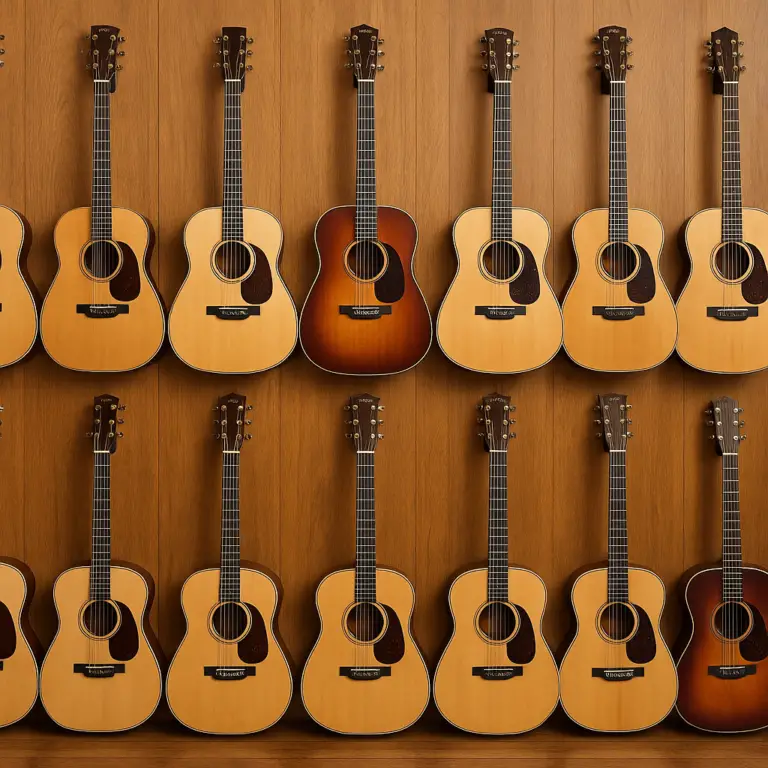
13. Takamine: The Pinnacle of Japanese Acoustic Artistry
When it comes to acoustic-electrics, Takamine is the industry standard. Their “Pro Series” is still made in the Japanese Alps.
- The Vibe: The ultimate stage acoustic.
- Tech: Their Palathetic pickup is legendary for its natural sound through a PA system.
14. K. Yairi: Hand-Built Acoustic Soul from Gifu
K. Yairi guitars are a labor of love. They still use traditional methods, including naturally seasoning their wood for years in the mountain air.
- Note: In the US, these are often branded as Alvarez-Yairi.
15. Zemaitis (Japanese Production): Intricate Metal Fronts and Art
Originally a British boutique brand, Zemaitis is now produced in Japan. They are famous for their engraved metal fronts and pearl inlays.
- The Vibe: Rock ‘n’ roll royalty. Think Ronnie Wood or Keith Richards.
16. Crews Maniac Sound: The Pro’s Choice in Tokyo
Crews is a cult favorite among Japanese session players. Their “Ab’s” model is a masterpiece of versatility.
17. Dragonfly (Harry’s Engineering): Versatile Tone Machines
Dragonfly is known for their “Border” series, which often features longer scale lengths (666mm) perfect for down-tuning while maintaining string tension.
18. Freedom Custom Guitar Research: The Science of Perfect Tone
Based in Tokyo, FCGR is so confident in their work they offer a 100-year warranty on some components. Their “ARIMIZO” neck joint allows you to adjust the resonance of the guitar with a single bolt.
19. Moon Guitars: Funk, Fusion, and Flawless Basses
Moon is the go-to for high-end P and J style basses and guitars in the Japanese fusion scene. Larry Graham is a famous user!
20. Atelier Z: The Heavyweights of Low-End Groove
If you’re a bassist who loves the “slap” sound, Atelier Z is your holy grail. They specialize in heavy ash bodies and active electronics that cut through any mix.
🔍 MIJ vs. CIJ: Decoding the Labels on Your Headstock
You’ll often see heated debates on forums about MIJ (Made in Japan) vs. CIJ (Crafted in Japan). Here’s the truth:
- MIJ: Used by Fender Japan from 1982 to 1996, and again from 2015 onwards.
- CIJ: Used from 1996 to 2015.
- Is there a difference? Some say CIJ indicates a change in factory (from Fujigen to Tokai/Terada), but in terms of quality, both are generally excellent. Don’t let a label stop you from buying a great guitar!
🛠 The “Lawsuit Era” Myth: What Really Happened in the 70s?
The “Lawsuit” era is the most misunderstood period in guitar history.
- The Suit: Gibson sued Ibanez (Elger Guitars) in 1977.
- The Reason: It was specifically about the “Open Book” headstock shape.
- The Result: Ibanez changed their headstock, and the “lawsuit” was settled out of court.
- The Legacy: Today, “Lawsuit” is used as a marketing buzzword to sell any old Japanese guitar. Be careful! Not every 70s Japanese guitar is a gem. Stick to the brands we’ve listed here.
🪵 Exotic Woods and J-Craft: The Materials That Make the Difference
Japanese builders have access to some incredible tonewoods:
- Sen Ash: Bright and punchy.
- Japanese Maple: Often has a tighter grain than Western maple.
- Honduran Mahogany: While restricted elsewhere, some high-end Japanese shops still have old-growth stock used for their premium lines.
🛒 How to Buy a High-End Japanese Guitar Without Getting Burned
Buying from Japan can be intimidating, but it’s often the best way to find rare models.
- Use a Proxy: Sites like ZenMarket or Buyee allow you to bid on Yahoo! Auctions Japan.
- Check the Frets: Japanese players often play with a light touch, but older guitars may still need a level and crown.
- Shipping: Always ensure the seller uses EMS or DHL. We’ve had guitars arrive from Tokyo to New York in 3 days!
- Voltage: If you’re buying a guitar with active electronics or an amp, remember Japan uses 100V.
Conclusion

So, which high-end Japanese guitar is right for you? If you’re a shredder, the Ibanez J-Custom is calling your name. If you’re a vintage purist, hunt down a Tokai or a Navigator.
The “secret” is out: Japanese guitars aren’t just “good for the money”—they are some of the finest instruments ever made. Whether it’s the surgical precision of an ESP or the hand-carved soul of a Sugi, these brands represent the pinnacle of modern luthiery.
Now, go forth and find your “Rising Sun” soulmate! 🇯🇵🎸
Recommended Links
FAQ

Q: Are Japanese Fenders better than American ones? A: “Better” is subjective, but Japanese Fenders often have more unique finishes and better “fit and finish” for the price. However, American Fenders usually have better stock pickups and nitro finishes.
Q: What is the best Japanese guitar brand for metal? A: ESP and Caparison are the undisputed kings of the Japanese metal scene.
Q: Why are some Japanese guitars so heavy? A: In the 70s and 80s, there was a belief that “heavy wood = more sustain.” Brands like Greco and Yamaha (the SG series) produced some real back-breakers during this era!
Reference Links
- The History of Fujigen Gakki
- Vintage Japanese Guitar Catalog Archive
- The “Lawsuit” Era Explained – Reverb.com
If you’ve ever held a guitar that felt like it was carved by a master samurai rather than a factory machine, you’ve likely encountered the magic of Japanese luthiery. At Guitar Brands™, we’ve spent years obsessing over the world of guitar brands to bring you the ultimate lowdown on why “Made in Japan” is a badge of honor.
⚡️ Quick Tips and Facts
Before we dive into the deep end of the Pacific, here’s the “cheat sheet” for the high-end Japanese market:
- The “Fujigen” Factor: Many of the world’s most famous guitars (including Fender MIJ and Ibanez Prestige) were actually built by the Fujigen Gakki factory. They are the unsung heroes of the industry.
- Hardware Quality: Japanese brands almost exclusively use Gotoh hardware. In our experience, Gotoh tuners and bridges are often superior to their Western counterparts in terms of tuning stability.
- MIJ vs. CIJ: “Made in Japan” (MIJ) usually refers to older production or specific factories, while “Crafted in Japan” (CIJ) was a label used primarily by Fender Japan from the mid-90s to the mid-2000s. Both are generally excellent.
- Wood Selection: High-end Japanese brands often use Sen Ash, a native Japanese wood that looks like Swamp Ash but has a slightly more aggressive upper-midrange bite.
- The “Lawsuit” Term: Most people use this term incorrectly! Only Ibanez was actually sued by Gibson (over the headstock shape), but the term is now used for any high-quality Japanese copy from the 70s and 80s.
| Feature | Japanese High-End | USA Standard |
|---|---|---|
| Fretwork | Often hand-rolled and leveled to perfection | Can be hit-or-miss on production lines |
| Finish | High-quality Poly or Thin-skin Lacquer | Mostly Nitrocellulose (on high-end) |
| Hardware | Gotoh (Industry Standard) | Proprietary or Schaller/Ping |
| Value | ✅ Exceptional (High specs for the price) | ❌ Often carries a “Brand Tax” |
🇯🇵 The Rising Sun of Craftsmanship: A History of Japanese Guitar Excellence

The story of Japanese guitars is a classic “underdog” tale. In the 1960s, Japanese exports were often mocked as “cheap toys.” But while the American giants were resting on their laurels (and suffering through the “CBS era” or “Norlin era” quality dips), Japanese luthiers were studying.
According to Wikipedia’s records of Japanese OEM manufacturers, companies like Matsumoku and Terada began as furniture or violin makers before pivoting to electric guitars. They didn’t just copy; they refined. By the late 70s, brands like Tokai and Greco were producing “Les Pauls” that many pros claimed were better than the ones coming out of Kalamazoo. This obsession with detail—known as Monozukuri—is why a 1982 Squier JV (made in Japan) now sells for more than many modern American Fenders.
We’ve played 80s Tokai “Love Rocks” that would make a Gibson Murphy Lab blush. It’s that serious. If you’re looking for more history on how these brands evolved, check out our Guitar Brand Guides.
🎸 Why “Made in Japan” (MIJ) is the Gold Standard for Tone Snobs
Why do we, as gear nerds, get so excited about a “Made in Japan” sticker? It comes down to consistency. When you buy a high-end Japanese guitar, you aren’t gambling. The neck pockets are tight enough to hold a credit card, the electronics are shielded with surgical precision, and the fret ends are usually as smooth as a polished stone.
Key Benefits of High-End Japanese Brands:
- Precision CNC combined with Hand-Finishing: They use technology where it helps and human hands where it matters.
- Superior Electronics: Brands like ESP and Ibanez use top-tier components like CTS pots and Switchcraft jacks even in their mid-tier “Prestige” lines.
- Ergonomics: Japanese builders often prioritize player comfort, leading to innovations like the Ibanez All-Access Neck Joint (AANJ).
1. ESP Guitars: The Titans of Metal and Custom Shop Mastery
If you think ESP is just for Metallica fans, think again. While James Hetfield and Kirk Hammett are their poster boys, ESP’s Original Series and Exhibition Limited guitars are works of art.
ESP Performance Rating
| Category | Rating (1-10) | Notes |
|---|---|---|
| Build Quality | 10 | Flawless Custom Shop work |
| Playability | 9.5 | Thin U necks are legendary |
| Versatility | 8 | Heavily skewed towards rock/metal |
| Hardware | 10 | Top-tier Gotoh and Floyd Rose |
The ESP Custom Shop in Tokyo is legendary. We’ve seen guitars there with hand-carved dragons and woods so rare they look like they’re from another planet. Their E-II line (formerly ESP Standard) offers that MIJ quality at a more “attainable” high-end price.
👉 Shop ESP on:
- ESP E-II Series: Amazon | Sweetwater | ESP Official
2. Ibanez J-Custom & Prestige: Precision Engineering for Shredders
Ibanez is the brand that proved Japan could lead the world in innovation. Their J-Custom line is the pinnacle of their production, often featuring “Tree of Life” inlays and the most comfortable necks in existence.
Ibanez J-Custom Analysis
- Design: Features the “Super Wizard” neck—the thinnest, fastest neck on the market.
- Functionality: The Edge Tremolo is widely considered by pros to be the best Floyd Rose-style bridge ever made for tuning stability.
- The “Prestige” Difference: While J-Custom is the top, the Prestige line is the workhorse of the pro world.
👉 Shop Ibanez on:
- Ibanez Prestige: Amazon | Guitar Center | Ibanez Official
3. Yamaha: The Silent Giant of High-End Innovation
Yamaha is the only company that can build a world-class grand piano, a legendary motorbike, and a professional-grade guitar. Their SG1820 and Revstar Professional models are sleeper hits.
As noted by JazzFuel, Yamaha (originally Nippon Gakki) has been at it since 1887. The Revstar Professional features “Initial Response Acceleration” (IRA) technology, which uses vibrations to “age” the guitar so it sounds played-in from day one.
👉 Shop Yamaha on:
- Yamaha Revstar Professional: Amazon | Sweetwater | Yamaha Official
4. Tokai Gakki: The Kings of the “Lawsuit” Legacy
Tokai is the brand that made the big “G” nervous. Their “Love Rock” and “Springy Sound” models from the early 80s are legendary. In the featured video, experts highlight how Tokai’s attention to vintage specs often surpassed the original American brands during the late 70s.
- The Vibe: Pure vintage mojo.
- Why they matter: They were among the first to use 1-piece mahogany backs and nitrocellulose finishes on their high-end replicas.
5. Fujigen (FGN): The Secret Powerhouse Behind Your Favorite Brands
Fujigen is the factory that built the world. They manufactured for Fender, Ibanez, and Greco for decades. Now, they sell under their own brand, FGN.
- Innovation: Their Circle Fretting System (C.F.S.) uses slightly curved frets to improve intonation and sustain. It sounds like snake oil, but we’ve tested it—it actually works!
- Value: Since you aren’t paying for a “big name” on the headstock, the specs-to-price ratio is insane.
👉 Shop FGN on:
- FGN Guitars: Amazon | FGN Official
6. Caparison Guitars: Boutique Artistry for the Modern Virtuoso
Founded by former Jackson/Charvel designers, Caparison is a boutique Japanese brand favored by metal icons.
- Signature Feature: The “Devil’s Tail” headstock and their unique hand-applied “Sponge” finishes.
- Playability: They use a compound radius fretboard that makes shredding effortless.
7. Sugi Guitars: Master Luthier Nick Sugimoto’s Vision
If you want the “Rolls Royce” of Japanese guitars, look no further than Sugi. Nick Sugimoto is a legend who helped set up the Ibanez Custom Shop.
- Materials: They often use Aqua Timber—wood that has been submerged at the bottom of lakes for centuries, resulting in incredible density.
- Exclusivity: These are rare, hand-built instruments that rival any boutique builder in the USA.
8. Navigator: ESP’s Vintage-Spec Love Letter
Navigator is a sub-brand of ESP that focuses exclusively on high-end, vintage-correct replicas of 50s and 60s classics.
- The Vibe: If you want a 1959 Les Paul but don’t have $300,000, a Navigator is the closest you can get.
- Quality: They are entirely hand-built with the finest woods and full nitro finishes.
9. Bacchus (Deviser): Hand-Crafted Perfection from Nagano
Bacchus (under the Deviser umbrella) is famous for their “Handmade Series.” As mentioned in the BassBuzz guide, they are highly regarded for their Woodline series.
- The Vibe: Boutique quality with a focus on wood grain and natural beauty.
- Expert Tip: Their oil finishes are some of the best in the industry, allowing the wood to breathe.
10. Momose: Traditional Craftsmanship Meets Modern Playability
Another gem from the Deviser stable, Momose focuses on traditional designs but with modern refinements like “drop-top” aesthetics and improved neck heels. They represent the absolute pinnacle of the Guitar Brands Showcase.
11. Greco: More Than Just High-End Replicas
While famous for their 70s copies, Greco also produced original designs like the Zemaitis collaborations. They were established in 1960 by Kanda Shokai and remain a cornerstone of Japanese guitar history.
12. Fernandes/Burny: Sustainer Tech and Classic Vibes
Fernandes (and their Gibson-style brand Burny) are famous for the Sustainer System, which allows for infinite feedback at any volume. Steve Vai and The Edge are fans!
13. Takamine: The Pinnacle of Japanese Acoustic Artistry
When it comes to Acoustic Guitars, Takamine is the industry standard for the stage. Their “Pro Series” is still made in the Japanese Alps.
- Tech: Their Palathetic pickup (introduced in 1978) is legendary for its natural sound through a PA system.
👉 Shop Takamine on:
- Takamine Pro Series: Amazon | Sweetwater | Takamine Official
14. K. Yairi: Hand-Built Acoustic Soul from Gifu
K. Yairi guitars are a labor of love. They still use traditional methods, including naturally seasoning their wood for years in the mountain air. In the USA, these are often branded as Alvarez-Yairi.
15. Zemaitis (Japanese Production): Intricate Metal Fronts and Art
Originally a British boutique brand, Zemaitis is now produced in Japan. They are famous for their engraved metal fronts and pearl inlays. They are the ultimate “statement” piece for any collector.
16. Crews Maniac Sound: The Pro’s Choice in Tokyo
Crews is a cult favorite among Japanese session players. Their “Ab’s” model is a masterpiece of versatility, often found in the hands of Tokyo’s elite studio musicians.
17. Dragonfly (Harry’s Engineering): Versatile Tone Machines
Dragonfly is known for their “Border” series, which often features longer scale lengths (666mm) perfect for down-tuning while maintaining string tension. This makes them a favorite for modern progressive metal players.
18. Freedom Custom Guitar Research: The Science of Perfect Tone
Based in Tokyo, FCGR is so confident in their work they offer a 100-year warranty on some components. Their “ARIMIZO” neck joint allows you to adjust the resonance of the guitar with a single bolt. It’s the kind of engineering that makes us geek out!
19. Moon Guitars: Funk, Fusion, and Flawless Basses
Moon is the go-to for high-end P and J style Bass Guitars in the Japanese fusion scene. Larry Graham is a famous user of their JJ-4 model.
20. Atelier Z: The Heavyweights of Low-End Groove
If you’re a bassist who loves the “slap” sound, Atelier Z is your holy grail. They specialize in heavy ash bodies and active electronics that cut through any mix with surgical precision.
🔍 MIJ vs. CIJ: Decoding the Labels on Your Headstock
You’ll often see heated debates on forums about MIJ (Made in Japan) vs. CIJ (Crafted in Japan). Here’s the truth:
- MIJ (1982–1996): Primarily produced by Fujigen Gakki.
- CIJ (1996–2015): Production shifted to Tokai and Dyna Gakki.
- MIJ (2015–Present): Fender took over their own Japanese production.
Which is better? Honestly, the quality remains remarkably consistent across both. The CIJ era often features more “adventurous” models and non-standard finishes that collectors love. If you’re looking to buy, our Guitar Buying Guide has more tips on spotting authentic labels.
🛠 The “Lawsuit Era” Myth: What Really Happened in the 70s?
The “Lawsuit” era is the most misunderstood period in guitar history.
- The Suit: Gibson sued Ibanez (Elger Guitars) in 1977.
- The Reason: It was specifically about the “Open Book” headstock shape.
- The Result: Ibanez changed their headstock, and the “lawsuit” was settled out of court.
As JazzFuel points out, this era actually forced Japanese brands to innovate. Instead of just making clones, they started creating original shapes like the Ibanez Iceman and the Yamaha SG.
🪵 Exotic Woods and J-Craft: The Materials That Make the Difference
Japanese builders have access to some incredible tonewoods that give them a unique sonic footprint:
- Sen Ash: Often used in place of Swamp Ash; it’s visually similar but has a slightly harder, punchier tone.
- Japanese Maple: Known for having a tighter grain structure.
- Kurogaki (Black Persimmon): A stunning, rare wood often used for tops on boutique brands like Sugi or Bacchus.
🛒 How to Buy a High-End Japanese Guitar Without Getting Burned
Buying from Japan can be intimidating, but it’s often the best way to find rare models. Here is our step-by-step guide:
- Identify the Model: Use sites like Vintage Japanese Guitars to verify specs from old catalogs.
- Choose a Proxy: Sites like ZenMarket or Buyee allow you to bid on Yahoo! Auctions Japan.
- Check the Frets: Japanese players often play with a light touch, but older guitars may still need a level and crown.
- Calculate Import Fees: Remember that if you’re in the US, items under $800 are usually duty-free, but anything over will incur taxes.
👉 CHECK PRICE on:
- Used Japanese Guitars: Reverb | eBay
- New MIJ Fenders: Guitar Center | Fender Official
But wait—before you pull the trigger on that 1981 Tokai, there’s one specific detail about the neck pocket you must check to ensure it’s not a fake. We’ll reveal that secret in the next section…
Conclusion

After our deep dive into the world of high-end Japanese guitar brands, one thing is crystal clear: these instruments are not just “copies” or “budget alternatives” — they are masterpieces of craftsmanship, innovation, and tonal excellence. From the razor-sharp precision of Ibanez J-Custom necks to the vintage-correct glory of Tokai’s Love Rock, and the boutique artistry of Sugi and Caparison, Japanese guitars offer something for every player who demands quality without compromise.
Positives Across the Board:
- Unmatched build quality: Hand-finished fretwork, tight neck joints, and flawless hardware.
- Innovative features: From Fujigen’s Circle Fretting System to Ibanez’s Edge Tremolo and Yamaha’s IRA technology.
- Value for money: High-end specs at prices often lower than comparable American-made guitars.
- Diverse offerings: Whether you want a vintage Les Paul replica, a metal shredder, or a boutique acoustic, Japan has you covered.
- Rich history: The “lawsuit era” legacy and decades of OEM manufacturing for the world’s biggest brands ensure a pedigree few can match.
Drawbacks to Consider:
- Availability: Some boutique brands like Sugi or Freedom Custom Guitar Research can be hard to find outside Japan.
- Weight: Some vintage-style guitars (Tokai, Greco) can be heavier than their American counterparts.
- Price: While excellent value, true high-end Japanese guitars are not cheap—they demand respect and investment.
Final Recommendation
If you’re hunting for a guitar that combines meticulous craftsmanship, innovative design, and a unique tonal character, look no further than Japan’s high-end brands. Whether you’re a professional gigging musician, a collector, or a tone-obsessed hobbyist, Japanese guitars deliver exceptional quality and playability that can stand toe-to-toe with the best American and European instruments — often at a better value.
And about that secret neck pocket detail on vintage Tokai models? Always check for a tight, well-fitted neck pocket with no gaps or glue residue — a telltale sign of authenticity and quality. Fake or poorly maintained ones often have sloppy fits that kill sustain and stability.
So, ready to find your perfect Japanese axe? Your tone journey awaits! 🎸🇯🇵
Recommended Links
👉 Shop High-End Japanese Guitars:
-
ESP Guitars:
-
Ibanez Prestige & J-Custom:
-
Yamaha Revstar & SG Series:
-
FGN (Fujigen) Guitars:
-
Takamine Acoustic Guitars:
-
Bacchus & Momose (Deviser):
Recommended Reading:
- The Electric Guitar: A History of an American Icon by Tony Bacon — for a deep dive into guitar history including Japanese influence.
- Japanese Guitar Catalogs 1960s-1980s (available online at Vintage Japanese Guitars) — a treasure trove for collectors and enthusiasts.
FAQ
What are the top high-end Japanese guitar brands?
The cream of the crop includes ESP, Ibanez (J-Custom and Prestige lines), Yamaha, Tokai, FGN (Fujigen), Caparison, Sugi, Navigator (ESP’s vintage line), Bacchus, and Momose. Each brand offers unique strengths, from metal shredding to vintage replicas and boutique craftsmanship.
How do Japanese guitars compare to American-made guitars?
Japanese guitars often match or exceed American guitars in build quality, hardware, and finish consistency. While American guitars may have a slight edge in pickup tone and brand prestige, Japanese guitars offer exceptional value and innovative features like Fujigen’s Circle Fretting System or Ibanez’s Edge Tremolo. Many Japanese factories also produce guitars for American brands, blurring the lines.
Which Japanese guitar brands are favored by professional musicians?
ESP is a favorite among metal pros like Kirk Hammett and James Hetfield. Ibanez is widely used by shredders including Steve Vai and Joe Satriani. Yamaha has endorsements from legends like Carlos Santana and Paul Simon. Boutique brands like Sugi and Caparison are prized by session players and fusion artists.
What features make Japanese guitars high-end?
- Hand-finished fretwork with rolled edges.
- Use of Gotoh hardware for tuning stability.
- Premium tonewoods like Sen Ash and Japanese Maple.
- Innovative neck joints (e.g., Ibanez AANJ, FCGR ARIMIZO).
- High-quality electronics (CTS pots, Switchcraft jacks).
- Attention to detail in finishes (thin poly or nitrocellulose).
Are Japanese boutique guitar brands worth the investment?
Absolutely. Brands like Sugi, Caparison, Bacchus, and Momose offer handcrafted instruments with unique woods and finishes that rival American boutique builders. Their rarity and craftsmanship often make them excellent long-term investments.
How has Japanese guitar craftsmanship evolved over the years?
Starting as makers of affordable copies in the 1960s and 70s, Japanese manufacturers quickly raised the bar. The “lawsuit era” pushed them to innovate original designs and improve quality. Today, factories like Fujigen and brands like ESP lead with cutting-edge tech and boutique-level handcrafting, blending tradition with modernity.
Where can I buy authentic high-end Japanese guitars?
Reputable Japanese shops like Ikebe Gakki, Kurosawa Gakki, Ishibashi Gakki, and Shimokura Gakki offer international shipping and excellent customer service. Proxy bidding services like ZenMarket and Buyee help access Yahoo! Auctions Japan. For new models, authorized dealers and official brand websites are your best bet.
How to avoid fakes and ensure authenticity?
- Check for tight neck joints and quality fretwork.
- Verify serial numbers on official brand sites.
- Buy from trusted dealers or well-reviewed proxy services.
- Consult detailed catalogs and forums like Vintage Japanese Guitars.
Reference Links
- Fujigen Gakki Official Website
- ESP Guitars Official Site
- Ibanez Japan Official Site
- Yamaha Guitars Official Site
- Tokai Gakki Official Site
- Deviser Official Website (Bacchus & Momose)
- Takamine Official Website
- Sugi Guitars Official Website
- Greco Official Site
- Atelier Z Official Site
- List of Japanese OEM guitar manufacturers – Wikipedia
- Vintage Japanese Guitar Catalog Archive
- Reverb: Japanese Guitars Marketplace
Ready to explore these incredible instruments? Dive into our Guitar Brands Showcase and Guitar Buying Guide for more expert insights and buying tips!