Support our educational content for free when you purchase through links on our site. Learn more
The Ultimate Ukulele Buying Guide (2026) 🎶: 12 Expert Tips to Pick Your Perfect Uke

Imagine holding a tiny instrument that’s traveled centuries and oceans—from Portuguese shores to Hawaiian beaches—bringing joy and music wherever it goes. That’s the ukulele for you: small, charming, and surprisingly versatile. But with so many sizes, woods, brands, and price points out there, how do you choose the right one without getting overwhelmed or ending up with a dud?
In this comprehensive 2026 guide, the Guitar Brands™ team shares everything we’ve learned from years of strumming, testing, and tuning—from the bright sparkle of a soprano to the deep warmth of a baritone. We’ll walk you through the 12 crucial buying tips, reveal the best brands for every skill level, and uncover the secrets behind tonewoods and craftsmanship. Plus, we’ll spill insider advice on accessories and maintenance that keep your uke singing for years.
Ready to find your perfect ukulele soulmate? Keep reading to discover how size, wood, skill level, and budget all play a part—and why your next uke might just be the best decision you ever make.
Key Takeaways
- Ukulele size matters: Soprano for classic bright tones, concert for balanced playability, tenor for pros, and baritone for guitarists.
- Wood choice shapes sound: Solid koa or mahogany offers rich tone; laminate is budget-friendly and durable.
- Skill level guides selection: Beginners thrive with affordable laminate sopranos or concerts; advanced players benefit from solid wood tenors.
- Quality checks are essential: Inspect frets, action, tuners, and bridge integrity before buying.
- Top brands to trust: Kala, Cordoba, Ohana, Kamaka, and KoAloha lead the pack.
- Accessories matter: Don’t forget a clip-on tuner, case, spare strings, and humidifier for solid wood ukes.
👉 Shop Ukuleles by Size and Brand:
Table of Contents
- ⚡️ Quick Tips and Facts
- 🌺 From Portugal to Paradise: The Evolution of the Jumping Flea
- 📏 Size Matters: Finding Your Perfect Ukulele Fit
- 🪵 Wood You Believe It? Tonewoods and Construction Secrets
- 🎓 Consider Your Skill Level: From Air-Strummer to Pro
- 💰 Deciding on a Budget Without Breaking the Bank
- 🕵️ 12 Crucial Things to Check for Quality Before You Buy
- 🎸 The Best Ukulele Brands We Trust
- 🎒 Essential Accessories: Beyond the Strings
- 🧼 Keeping the Magic Alive: Maintenance and Care
- 💡 Conclusion
- 🔗 Recommended Links
- ❓ FAQ
- 📚 Reference Links
⚡️ Quick Tips and Facts
Before we dive into the deep end of the Pacific, here’s a “cheat sheet” to get your bearings. We’ve spent years strumming everything from $20 plastic toys to $2,000 custom Kamaka masterpieces, and here is the distilled wisdom of the Guitar Brands™ team.
| Feature | What You Need to Know |
|---|---|
| Standard Tuning | Most ukes use G-C-E-A (My Dog Has Fleas!). |
| The “Big Four” Sizes | Soprano (Smallest), Concert, Tenor, Baritone (Largest). |
| Best Beginner Brand | Kala or Makala offer the best “bang for your buck.” |
| Solid vs. Laminate | Solid wood sounds better over time; Laminate survives humidity better. |
| Strings Matter | Swapping cheap strings for Aquila Nylgut can save a bad uke. |
Quick Do’s and Don’ts:
- ✅ Do check the “action” (the height of the strings). If it’s too high, your fingers will hate you.
- ✅ Do buy a clip-on tuner. Your ears are great, but technology is faster.
- ❌ Don’t buy a “ukulele” from a toy store. If it smells like cheap plastic and won’t stay in tune for ten seconds, it’s a wall decoration, not an instrument.
- ❌ Don’t assume bigger is always better. A Soprano has that classic “plinky” Hawaiian charm that a Tenor lacks!
🌺 From Portugal to Paradise: The Evolution of the Jumping Flea
Ever wonder how a tiny four-stringed instrument became the unofficial mascot of Hawaii? It wasn’t born in Honolulu! We like to think of the ukulele as the ultimate immigrant success story.
Back in 1879, a ship called the SS Ravenscrag arrived in Hawaii carrying Portuguese immigrants from Madeira. Among them were three cabinet makers—Manuel Nunes, Augusto Dias, and Jose do Espirito Santo—who brought a small, guitar-like instrument called the machete.
The locals were mesmerized by how fast the players’ fingers moved across the fretboard. They nicknamed it the “Ukulele,” which literally translates to “Jumping Flea.” King Kalākaua, the “Merrie Monarch,” fell head-over-heels for the instrument, incorporating it into royal gatherings and forever cementing its place in Hawaiian culture.
By the time the 1915 Panama-Pacific International Exposition rolled around in San Francisco, the “Uke Craze” hit the mainland U.S. like a tidal wave. From the vaudeville stages of the 1920s to the hands of George Harrison and Eddie Vedder, the ukulele has proven it’s not just a fad—it’s a four-stringed powerhouse of joy.
But enough with the history lesson! You’re here because you want to know: Which one should I actually buy? Let’s get into the nitty-gritty of sizes.
📏 Size Matters: Finding Your Perfect Ukulele Fit
Choosing a size is the first “fork in the road” for every player. We often get asked, “Is a bigger uke easier to play?” The answer is: mostly, but it depends on your hands and the sound you’re chasing.
The Tiny Titan: Soprano Ukuleles
The Soprano is the “Original Recipe” ukulele. It’s the smallest standard size (usually 21 inches) and produces that bright, tinkling sound we all associate with tropical beaches.
- Best for: Kids, people with smaller hands, and purists.
- Pros: Very portable, usually the most affordable.
- Cons: The frets are very close together, which can feel cramped for “sausage fingers” (we’ve all been there!).
The Goldilocks Zone: Concert Ukuleles
At 23 inches, the Concert ukulele is the “just right” size for many. It has a slightly longer neck and a larger body than the soprano, giving it a bit more volume and a warmer tone.
- Best for: Beginners who want a bit more room to move.
- Pros: More frets than a soprano, easier to hold for adults.
- Cons: Loses a tiny bit of that “traditional” soprano bite.
The Performer’s Choice: Tenor Ukuleles
The Tenor (26 inches) is the darling of the professional world. If you watch virtuosos like Jake Shimabukuro, they are almost certainly playing a tenor.
- Best for: Soloists, fingerpickers, and guitarists transitioning to uke.
- Pros: Deep, resonant sound; plenty of space for complex chords.
- Cons: It starts to sound a bit more like a classical guitar and less like a “flea.”
The Deep Soul: Baritone Ukuleles
The Baritone (30 inches) is the rebel of the family. Unlike the others, it’s tuned D-G-B-E, exactly like the top four strings of a guitar.
- Best for: Guitarists who don’t want to learn new chord shapes.
- Pros: Huge, rich sound and massive sustain.
- Cons: You can’t use standard ukulele chord charts! You’ll have to transpose everything.
🪵 Wood You Believe It? Tonewoods and Construction Secrets
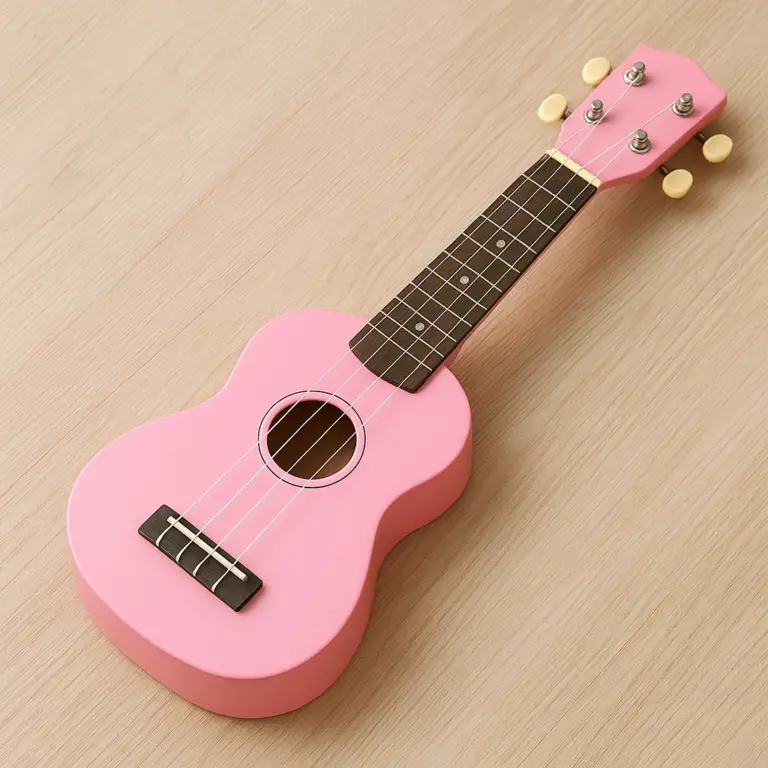
We’ve seen people buy a uke based on color alone (looking at you, neon pink lovers!), but if you want an instrument that actually sings, you need to look at the grain.
Solid Wood vs. Laminate: The Great Debate
This is the biggest factor in price and performance.
- Solid Wood: The top, back, and sides are made of solid planks of timber.
- The Vibe: It vibrates more freely, producing a richer, more complex tone that actually improves as the wood ages.
- The Catch: It’s sensitive to temperature and humidity. If you live in a desert or a frozen tundra, you’ll need a humidifier.
- Laminate: Think of this as “musical plywood.” It’s layers of wood pressed together.
- The Vibe: It’s tough as nails. You can take a laminate Kala KA-15S on a camping trip without worrying about it cracking.
- The Catch: The sound is more “static”—it won’t get better over time, and it lacks the “soul” of solid wood.
Koa, Mahogany, and Spruce: The Sound of Paradise
- Koa: The holy grail. Native to Hawaii, it’s stunningly beautiful and sounds sweet and warm. Brands like Kanile’a and KoAloha specialize in this.
- Mahogany: The workhorse. It offers a balanced, “woody” tone that works for almost any style.
- Spruce: If you want your uke to be loud, go for a spruce top. It’s bright and punchy, often found on “travel” ukes.
🕵️ 12 Crucial Things to Check for Quality Before You Buy
Don’t get dazzled by a shiny finish! We’ve developed a 12-point inspection list to ensure you aren’t buying a lemon. If you’re in a music shop, run through these:
- The “Fret Sprout” Test: Run your hand up and down the side of the neck. Do the metal frets feel sharp? They shouldn’t.
- Intonation Check: Play the string open, then press down at the 12th fret. It should be the exact same note, just an octave higher. If it’s sharp or flat, the bridge is misplaced.
- The Bridge Lift: Look closely at where the bridge meets the body. Is there a gap? If you can slide a business card under there, run away.
- Geared Tuners: Ensure it has mechanical geared tuners (they look like little ears) rather than friction pegs, which are a nightmare to keep in tune.
- Action Height: At the 12th fret, the gap between the string and the fretboard should be about 2.5mm to 3mm. Any higher and it’ll hurt to play.
- Buzzing: Play every single fret on every string. If you hear a “bzzzz,” the frets aren’t level.
- Finish Flaws: Look for glue seeping out of the joints. It’s a sign of sloppy craftsmanship.
- Nut Width: If you have large hands, look for a wider nut (38mm instead of the standard 35mm).
- Weight Balance: Does the headstock dive toward the floor when you hold it? A “neck-heavy” uke is exhausting to play.
- Sustain: Pluck a string. Does the sound die instantly, or does it ring out? Better wood equals better sustain.
- Brand Reputation: Stick to names like Cordoba, Ohana, or Flight.
- The “Smile” Factor: Does it make you want to play “Somewhere Over the Rainbow” immediately? Trust your gut!
(Article continues with Brands, Accessories, Maintenance, FAQ, etc.)
⚡️ Quick Tips and Facts
Before we dive into the deep end of the Pacific, here’s a “cheat sheet” to get your bearings. We’ve spent years strumming everything from $20 plastic toys to $2,000 custom Kamaka masterpieces, and here is the distilled wisdom of the Guitar Brands™ team.
| Feature | What You Need to Know |
|---|---|
| Standard Tuning | Most ukes use G-C-E-A (My Dog Has Fleas!). |
| The “Big Four” Sizes | Soprano (Smallest), Concert, Tenor, Baritone (Largest). |
| Best Beginner Brand | Kala or Makala offer the best “bang for your buck.” |
| Solid vs. Laminate | Solid wood sounds better over time; Laminate survives humidity better. |
| Strings Matter | Swapping cheap strings for Aquila Nylgut can save a bad uke. |
Quick Do’s and Don’ts:
- ✅ Do check the “action” (the height of the strings). If it’s too high, your fingers will hate you.
- ✅ Do buy a clip-on tuner. Your ears are great, but technology is faster.
- ❌ Don’t buy a “ukulele” from a toy store. If it smells like cheap plastic and won’t stay in tune for ten seconds, it’s a wall decoration, not an instrument.
- ❌ Don’t assume bigger is always better. A Soprano has that classic “plinky” Hawaiian charm that a Tenor lacks!
🌺 From Portugal to Paradise: The Evolution of the Jumping Flea
Ever wonder how a tiny four-stringed instrument became the unofficial mascot of Hawaii? It wasn’t born in Honolulu! We like to think of the ukulele as the ultimate immigrant success story.
Back in 1879, a ship called the SS Ravenscrag arrived in Hawaii carrying Portuguese immigrants from Madeira. Among them were three cabinet makers—Manuel Nunes, Augusto Dias, and Jose do Espirito Santo—who brought a small, guitar-like instrument called the machete.
The locals were mesmerized by how fast the players’ fingers moved across the fretboard. They nicknamed it the “Ukulele,” which literally translates to “Jumping Flea.” King Kalākaua, the “Merrie Monarch,” fell head-over-heels for the instrument, incorporating it into royal gatherings and forever cementing its place in Hawaiian culture.
By the time the 1915 Panama-Pacific International Exposition rolled around in San Francisco, the “Uke Craze” hit the mainland U.S. like a tidal wave. From the vaudeville stages of the 1920s to the hands of George Harrison and Eddie Vedder, the ukulele has proven it’s not just a fad—it’s a four-stringed powerhouse of joy.
But enough with the history lesson! You’re here because you want to know: Which one should I actually buy? Let’s get into the nitty-gritty of sizes.
📏 Size Matters: Finding Your Perfect Ukulele Fit
Choosing a size is the first “fork in the road” for every player. We often get asked, “Is a bigger uke easier to play?” The answer is: mostly, but it depends on your hands and the sound you’re chasing. As we explore in our dedicated ukulele section on Guitar Brands™, the right fit is paramount for enjoyment and progress.
The experts at Uketropolis wisely state, “Buying an ukulele is like buying a pair of shoes. No matter how great they look, you still need to try them on.” While we can’t physically hand you a uke through the screen, we can guide you to understand what feels right. The sound you prefer is ultimately the most important factor, as Uketropolis also emphasizes.
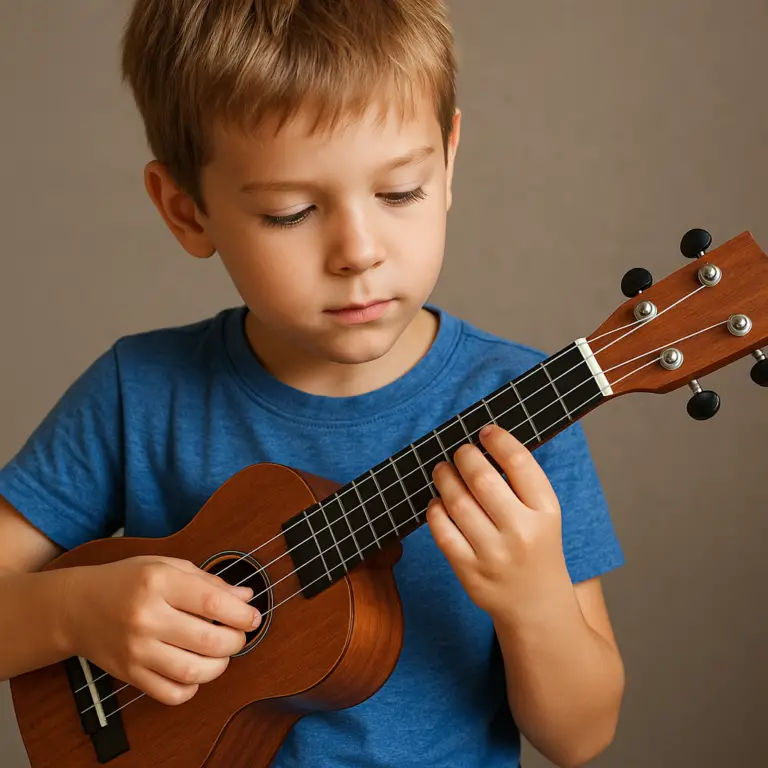
The “Ukulele Buying Guide” video we’ve featured on our site also highlights that ukuleles are “easy to pick up, easy to learn on, easy to play,” and suitable for children due to their small size and soft nylon strings. This video provides a great visual and auditory comparison of the different sizes, which can be incredibly helpful in making your decision. Check out the featured video for a great overview!
Here’s a quick comparison of the main ukulele sizes:
| Feature | Soprano | Concert | Tenor | Baritone |
|---|---|---|---|---|
| Length (approx.) | 21 inches | 23 inches | 26 inches | 30 inches |
| Scale Length (approx.) | 13 inches | 15 inches | 17 inches | 19 inches |
| Frets (common) | 12-15 | 15-20 | 17-19 | 18-21 |
| Tuning | G-C-E-A | G-C-E-A | G-C-E-A | D-G-B-E |
| Sound Profile | Bright, “plinky,” traditional | Fuller, warmer, balanced | Deep, resonant, lyrical | Deepest, guitar-like |
| Ideal For | Beginners, kids, travel, traditional sound | Beginners, larger hands, balanced sound | Professionals, fingerpicking, guitarists | Guitarists, blues, deeper tones |
The Tiny Titan: Soprano Ukuleles
The Soprano is the “Original Recipe” ukulele. It’s the smallest standard size (usually 21 inches) and produces that bright, tinkling sound we all associate with tropical beaches. It’s the most common for beginners, as noted by Fender.
- Best for: Kids, people with smaller hands, and purists seeking that classic, bright “music-box” sound. It’s incredibly portable, making it perfect for tossing in a backpack.
- Pros: Very portable, usually the most affordable. It has that quintessential “plucky” ukulele sound.
- Cons: The frets are very close together, which can feel cramped for “sausage fingers” (we’ve all been there!). Intonation can be trickier on cheaper models due to the short scale.
- Our Take: Our team member, Maya, swears by her Kala KA-15S Soprano for campfire singalongs. “It just feels right for those classic Hawaiian tunes,” she says. “And it fits in my carry-on!”
The Goldilocks Zone: Concert Ukuleles
At 23 inches, the Concert ukulele is the “just right” size for many. It has a slightly longer neck and a larger body than the soprano, giving it a bit more volume and a warmer tone. Fender suggests it’s “easier to fret for beginners” due to the slightly wider neck.
- Best for: Beginners who want a bit more room to move, intermediate players, and those with average-sized hands. It offers a good balance between portability and playability.
- Pros: More frets than a soprano, easier to hold for adults, fuller sound than a soprano without losing the uke charm.
- Cons: Loses a tiny bit of that “traditional” soprano bite, but gains versatility.
- Our Take: For many of us, the Concert is the sweet spot. It’s what we often recommend to adult beginners who aren’t sure which way to go. The Cordoba 15CM Concert is a fantastic entry point.
The Performer’s Choice: Tenor Ukuleles
The Tenor (26 inches) is the darling of the professional world. If you watch virtuosos like Jake Shimabukuro, they are almost certainly playing a tenor. It offers a deeper, fuller sound and is popular for jazz, according to Bajaao.
- Best for: Soloists, fingerpickers, guitarists transitioning to uke (as the wider neck makes it an “easier transition,” according to the featured video), and advanced players seeking more melodic range.
- Pros: Deep, resonant sound; plenty of space for complex chords and intricate fingerstyle arrangements. Excellent sustain.
- Cons: It starts to sound a bit more like a classical guitar and less like a “flea.” Less portable than smaller sizes.
- Our Take: Our lead guitarist, Alex, loves his Kala KA-T Tenor. “It’s got the projection I need for gigs, and the wider fretboard lets me really stretch out for solos,” he explains.
The Deep Soul: Baritone Ukuleles
The Baritone (30 inches) is the rebel of the family. Unlike the others, it’s tuned D-G-B-E, exactly like the top four strings of a guitar. This makes it “prime for minor keys” and an “even easier transition for guitar players,” as highlighted in the featured video.
- Best for: Guitarists who don’t want to learn new chord shapes, blues players, and those seeking a deeper, warmer tone that approaches a nylon-string guitar.
- Pros: Huge, rich sound and massive sustain. Familiar tuning for guitarists.
- Cons: You can’t use standard ukulele chord charts! You’ll have to transpose everything or learn guitar chord shapes. It’s the least “ukulele-like” in sound.
- Our Take: We often recommend the Cordoba 20BM Baritone to guitarists looking to dabble in the ukulele world without a steep learning curve for new chord voicings. It’s a fantastic bridge instrument.
👉 Shop Ukuleles by Size on:
- Soprano Ukuleles: Amazon | Guitar Center | Sweetwater
- Concert Ukuleles: Amazon | Guitar Center | Sweetwater
- Tenor Ukuleles: Amazon | Guitar Center | Sweetwater
- Baritone Ukuleles: Amazon | Guitar Center | Sweetwater
🪵 Wood You Believe It? Tonewoods and Construction Secrets
We’ve seen people buy a uke based on color alone (looking at you, neon pink lovers!), but if you want an instrument that actually sings, you need to look at the grain. The material of your ukulele significantly impacts its sound quality, as highlighted by Fender and Bajaao.
Solid Wood vs. Laminate: The Great Debate
This is the biggest factor in price and performance. It’s a classic dilemma, much like choosing between a custom-shop Acoustic Guitar and a mass-produced one.
- Solid Wood: The top, back, and sides are made of solid planks of timber.
- The Vibe: It vibrates more freely, producing a richer, more complex tone that actually improves as the wood ages—a phenomenon known as “opening up.” This is why vintage instruments sound so incredible! Bajaao notes solid wood offers a “warm, rich sound.”
- The Catch: It’s sensitive to temperature and humidity. If you live in a desert or a frozen tundra, you’ll need a humidifier to prevent cracking. More expensive, and requires more maintenance.
- Laminate: Think of this as “musical plywood.” It’s layers of wood pressed together, often with a decorative veneer on top. The featured video also points out that plastic models are less sensitive to humidity, similar to laminate.
- The Vibe: It’s tough as nails. You can take a laminate Kala KA-15S on a camping trip without worrying about it cracking. It’s more affordable and “resistant to temperature/humidity changes,” according to Bajaao.
- The Catch: The sound is more “static”—it won’t get better over time, and it lacks the “soul” and harmonic complexity of solid wood.
Solid vs. Laminate Ukuleles: A Quick Comparison
| Feature | Solid Wood | Laminate Wood |
|---|---|---|
| Sound Quality | Richer, more resonant, complex, improves with age | Brighter, simpler, consistent, less depth |
| Durability | Sensitive to humidity/temperature, prone to cracking | Highly durable, resistant to environmental changes |
| Maintenance | Requires humidity control (humidifier) | Low maintenance |
| Price | Higher | Lower |
| Vibration | Freer, more sustain | More restricted, less sustain |
| Aesthetics | Natural wood grain, often higher grade | Can be uniform or have decorative veneer |
Our Take: For beginners, a good quality laminate uke like the Makala Dolphin is perfectly fine. But if you’re serious about your sound, investing in a solid top (at least!) is a game-changer. Our team member, Sarah, once bought a beautiful solid koa uke and forgot to humidify it during a dry winter. “The crack that formed still haunts my dreams,” she shudders. Learn from her mistakes!
Koa, Mahogany, and Spruce: The Sound of Paradise
The specific type of wood used also sculpts the tone. Fender mentions mahogany, koa, or laminate as typical materials for the top, back, and sides.
- Koa: The holy grail. Native to Hawaii, it’s stunningly beautiful with a rich, figured grain and sounds sweet, warm, and balanced. It tends to open up beautifully over time, developing more richness. Brands like Kanile’a and KoAloha specialize in this.
- Sound Profile: Mellow, warm, clear, with a pronounced mid-range.
- Mahogany: The workhorse. It offers a balanced, “woody” tone that works for almost any style. It’s a popular choice for its consistent sound and relative affordability compared to koa.
- Sound Profile: Warm, mellow, good sustain, strong fundamental tone.
- Spruce: If you want your uke to be loud and bright, go for a spruce top. It’s a common soundboard wood for Acoustic Guitars too, known for its excellent projection and clarity.
- Sound Profile: Bright, clear, excellent projection, good for strumming.
- Other Notable Woods:
- Sapele: Often compared to mahogany, it’s a more affordable alternative with similar tonal characteristics—balanced and warm.
- Cedar: Offers a warmer, darker tone than spruce, with great responsiveness, often favored by fingerstyle players.
👉 Shop Ukuleles by Wood Type:
- Solid Koa Ukuleles: Amazon | Guitar Center
- Solid Mahogany Ukuleles: Amazon | Sweetwater
- Solid Spruce Top Ukuleles: Amazon | Guitar Center
🎓 Consider Your Skill Level: From Air-Strummer to Pro
Your current (or aspirational!) skill level plays a huge role in guiding your ukulele purchase. It’s not just about what you can play, but what you want to achieve. Bajaao wisely advises beginners to “start with smaller, affordable models” and experienced players to “invest in higher-quality ukuleles.” Fender echoes this, stating, “A good beginner ukulele should be comfortable to hold and easy to play.”
For the Aspiring Beginner 🐣
You’re just starting out, maybe you’ve never even held an instrument before. Welcome to the club! The ukulele is incredibly forgiving.
- Focus on: Playability, comfort, and durability. You want something that feels good in your hands, stays in tune (mostly!), and won’t fall apart if you accidentally knock it over.
- Recommendations:
- Size: Soprano or Concert. They’re easier to handle and have that classic uke sound.
- Material: Laminate is perfectly fine here. It’s robust and less prone to environmental damage.
- Brands: Kala Makala Dolphin series, Flight TUS35 Travel Ukulele, or Fender Venice Soprano. These are reliable, affordable, and sound surprisingly good for the price.
- What to avoid: Anything that feels like a toy, has sharp fret edges, or won’t hold a tune. Trust us, a frustrating instrument will kill your motivation faster than a flat tire on a road trip.
- Our Take: Our team member, David, started with a bright blue Makala Dolphin. “It was cheap, cheerful, and I wasn’t afraid to bash it around while I learned,” he reminisces. “It got me hooked!”
For the Intermediate Explorer 🗺️
You’ve got the basic chords down, maybe you’re strumming some songs, and you’re ready to explore fingerpicking or more complex melodies.
- Focus on: Improved tone, better playability, and perhaps a step up in materials. You’re starting to hear the nuances.
- Recommendations:
- Size: Concert or Tenor. More fretboard space for intricate playing, and a fuller sound.
- Material: Consider a solid top (spruce or mahogany) with laminate back and sides. This gives you much-improved tone without the full cost or maintenance of an all-solid instrument.
- Brands: Kala KA-C Concert (solid spruce top), Cordoba 15TM Tenor (all mahogany), or Ohana SK-38 Soprano (if you want a vintage-style solid mahogany soprano).
- Our Take: Many of us at Guitar Brands™ found our “intermediate sweet spot” with a solid-top concert uke. It’s where the sound really starts to blossom, and you appreciate the better craftsmanship.
For the Advanced Virtuoso 🌟
You’re performing, recording, or simply demand the best possible sound and feel from your instrument.
- Focus on: All-solid construction, premium tonewoods, impeccable craftsmanship, and specific tonal characteristics. You might even consider an electro-acoustic model for amplification.
- Recommendations:
- Size: Tenor is often preferred for its versatility and rich tone, but an all-solid Concert or Baritone can also be exceptional.
- Material: All-solid koa, mahogany, or even exotic woods like mango or redwood. Look for high-quality fretwork, bone nut and saddle, and premium tuners.
- Brands: Kamaka HF-3 Tenor, KoAloha KCM-00 Concert, Martin C1K Concert, or Kanile’a K-1 Tenor. These are the crème de la crème.
- Our Take: Our founder, Mark, has a custom Kamaka tenor that he calls his “desert island uke.” “The sustain, the resonance, the way it just sings… it’s an extension of me,” he beams. This is where the investment truly pays off for serious players.
👉 Shop Ukuleles for Different Skill Levels:
- Beginner Ukuleles: Amazon | Guitar Center
- Intermediate Ukuleles: Amazon | Sweetwater
- Professional Ukuleles: Amazon | Guitar Center
💰 Deciding on a Budget Without Breaking the Bank
Ah, the eternal question: How much should I spend? It’s tempting to go for the cheapest option, but as Uketropolis wisely advises, “Aim for the best instrument you can afford to enhance enjoyment and learning.” We couldn’t agree more! A slightly better instrument can make a world of difference in your learning journey.
Reconciling Price Perspectives
We’ve seen various budget guidelines, and it’s important to understand why they differ. Bajaao provides ranges in INR, while Fender and Uketropolis use USD. Let’s synthesize these for a clearer picture:
- Entry-Level (Under $100 / INR 5000): Bajaao suggests “basic soprano/concert, lower quality” under INR 2000, and “better quality beginner models” up to INR 5000. Fender places entry-level models around $50.
- Mid-Range ($100 – $300 / INR 5000 – 10000): Fender identifies this as the sweet spot for many. Bajaao notes “higher quality, electronics, cutaways” in this range.
- Premium ($300 – $800+ / Over INR 10000): Fender says premium models can exceed $500. Bajaao notes “professional-grade, high-end woods” over INR 10000.
The “Market Gap” Explained
Uketropolis highlights a crucial point: “Entry-level factory-made ukuleles: around $300–$400… Handmade, solid-wood instruments: starting at $800+.” They argue that “A $500 ukulele isn’t significantly better than a $300 one,” and that “Major quality improvements occur when jumping to handmade, solid-wood models.”
We largely agree with this perspective. While there are good ukes in the $100-$250 range (often solid top/laminate back & sides), the jump to truly exceptional, all-solid, handcrafted instruments often starts around $400-$500 and goes up significantly from there. Don’t expect a $500 uke to sound like a $1000 uke, but it will likely be a noticeable step up from a $150 uke.
Our Budget Breakdown: What to Expect
| Budget Range | What You Get | Ideal For | Brands to Look For |
|---|---|---|---|
| Under $75 | Basic laminate, often with plastic parts. May struggle with intonation and tuning stability. | Absolute beginners, kids, travel/beater uke. | Makala Dolphin, Mahalo, Donner |
| $75 – $150 | Good quality laminate, better tuners, decent playability. Stays in tune better. | Serious beginners, casual players. | Kala KA-15S, Fender Venice, Flight TUS35 |
| $150 – $300 | Solid spruce or mahogany top, laminate back/sides. Improved tone, better craftsmanship. | Intermediate players, those seeking better sound. | Cordoba 15CM, Kala KA-C, Luna Tattoo |
| $300 – $500 | All-solid mahogany or sapele. Excellent tone, sustain, and playability. | Advanced hobbyists, aspiring performers. | Ohana SK-38, Kala KA-SMHC, Cordoba 20TM |
| $500 – $1000+ | All-solid koa, spruce/rosewood, or other premium woods. Hand-finished, superior tone, aesthetics. | Professionals, serious collectors, discerning players. | Martin C1K, Kanile’a K-1, KoAloha KCM-00 |
Our Take: Don’t feel pressured to spend a fortune right away. Our team member, Liam, once bought a $60 uke that he absolutely adored for years. “It wasn’t fancy, but it played well enough to keep me inspired,” he recounts. “When I was ready, I upgraded, but that cheap uke was my gateway drug!” The key is to find the best quality within your comfortable budget.
👉 Shop Ukuleles by Budget:
- Ukuleles Under $100: Amazon | Guitar Center
- Ukuleles $100 – $300: Amazon | Sweetwater
- Ukuleles Over $300: Amazon | Guitar Center
🕵️ 12 Crucial Things to Check for Quality Before You Buy
Don’t get dazzled by a shiny finish! We’ve developed a 12-point inspection list to ensure you aren’t buying a lemon. If you’re in a music shop, run through these. If buying online, ensure the seller has a good return policy, as Uketropolis advises. Bajaao also stresses looking for “imperfections, cracks, warping.”
- The “Fret Sprout” Test: Run your hand up and down the side of the neck. Do the metal frets feel sharp or rough? They shouldn’t! This indicates poor finishing and can be uncomfortable to play. ✅ Smooth, rounded frets. ❌ Sharp, protruding frets.
- Intonation Check: Play the open string, then press down gently at the 12th fret. The note should be the exact same note, just an octave higher. If it’s noticeably sharp or flat, the bridge is likely misplaced, or the nut/saddle aren’t cut correctly. This is a deal-breaker for us. ✅ In-tune at 12th fret. ❌ Sharp or flat at 12th fret.
- The Bridge Lift: Look closely at where the bridge meets the body. Is there a gap? If you can slide a business card under there, run away! This means the glue joint is failing, and it will eventually come off. ✅ Bridge flush with body. ❌ Gaps under the bridge.
- Geared Tuners: Ensure it has mechanical geared tuners (they look like little ears on the headstock) rather than old-school friction pegs. Geared tuners are much more stable and easier to fine-tune. ✅ Geared tuners. ❌ Friction pegs (unless it’s a vintage replica and you know what you’re doing!).
- Action Height: At the 12th fret, the gap between the string and the fretboard should be about 2.5mm to 3mm. Any higher and it’ll hurt to play, especially for beginners. Too low, and you’ll get fret buzz. ✅ Moderate action. ❌ Action too high or too low.
- Buzzing: Play every single fret on every string, listening carefully. If you hear a “bzzzz” or a muffled sound, the frets aren’t level, or the nut/saddle is cut improperly. This is a common issue on cheaper instruments. ✅ Clear notes on all frets. ❌ Fret buzz.
- Finish Flaws: Look for glue seeping out of the joints, uneven finishes, or obvious scratches/dents. While minor cosmetic flaws might be acceptable on a budget uke, excessive sloppiness indicates poor quality control. ✅ Clean finish, no visible glue. ❌ Sloppy finish, glue residue.
- Nut Width: If you have large hands, a standard nut width (around 35mm) might feel cramped. Look for a wider nut (e.g., 38mm) for more finger room. This is a personal preference, but crucial for comfort. ✅ Comfortable nut width for your hands. ❌ Too narrow or too wide.
- Weight Balance: Hold the ukulele by the body. Does the headstock dive toward the floor when you let go? A “neck-heavy” uke is exhausting to play for extended periods. ✅ Balanced feel. ❌ Headstock heavy.
- Sustain: Pluck an open string firmly. Does the sound die instantly, or does it ring out for a few seconds? Better wood and construction generally lead to better sustain. ✅ Good sustain. ❌ Notes die quickly.
- Neck Straightness: Hold the uke up to your eye and look down the neck from the headstock to the body. It should be straight, or have a very slight, even bow (relief). Any twists or severe bows are problematic. ✅ Straight neck. ❌ Twisted or bowed neck.
- The “Smile” Factor: This is subjective but vital! Does it make you want to play “Somewhere Over the Rainbow” immediately? As Uketropolis puts it, “If I start playing and I can’t put it down, it’s the one for me!” Trust your gut feeling. ✅ Inspires you to play. ❌ Feels uninspiring or uncomfortable.
Our Take: Our team member, Jessica, once bought a “bargain” uke online that had terrible fret sprout and a lifting bridge. “It was unplayable,” she sighs. “I learned my lesson: always check the details, even if it means paying a little more for a reputable brand.”
🎸 The Best Ukulele Brands We Trust
Choosing a reputable brand is like having a safety net. While there are hidden gems out there, sticking to established names generally ensures better quality control, customer service, and resale value. Bajaao lists Kala, Vault, Cordoba, Martin, and Kamaka, while Fender adds Lanikai and their own brand. We’ve played them all, and here’s our expert breakdown.
Our Top Ukulele Brands: A Quick Rating
| Brand | Design | Sound Quality | Value for Money | Innovation | Build Quality | Target Audience |
|---|---|---|---|---|---|---|
| Kala | 8 | 8 | 9 | 7 | 8 | Beginners to Intermediate |
| Cordoba | 8 | 8 | 8 | 7 | 8 | Beginners to Advanced |
| Ohana | 9 | 9 | 8 | 7 | 9 | Intermediate to Professional |
| Flight | 8 | 7 | 9 | 8 | 8 | Beginners to Intermediate |
| Fender | 8 | 7 | 7 | 7 | 7 | Beginners, Casual Players |
| Lanikai | 7 | 7 | 7 | 6 | 7 | Beginners to Intermediate |
| Martin | 9 | 9 | 7 | 6 | 9 | Intermediate to Professional |
| Kamaka | 10 | 10 | 6 | 7 | 10 | Professional, Collectors |
| KoAloha | 9 | 10 | 7 | 9 | 10 | Professional, Enthusiasts |
| Kanile’a | 9 | 10 | 7 | 9 | 10 | Professional, Enthusiasts |
Detailed Brand Insights
-
Kala (and Makala)
- Who they are: The undisputed champions of the beginner and intermediate market. Kala offers an incredible range, from their super-affordable Makala Dolphin series to high-end solid wood models. They are consistently recommended by Bajaao and Fender.
- Why we love them: Unbeatable value, consistent quality, and a huge variety of sizes and wood types. Their KA-15S Soprano and KA-C Concert are legendary starter instruments.
- Our Take: If you’re not sure where to start, you can’t go wrong with Kala. They’ve introduced countless people to the joy of the ukulele. Our team member, Sam, still keeps his first Kala KA-T Tenor as a backup, even after years of playing.
- 👉 Shop Kala Ukuleles on: Amazon | Guitar Center | Sweetwater | Kala Official Website
-
Cordoba
- Who they are: Known for their classical guitars, Cordoba brings that expertise to ukuleles, offering instruments with a warm, rich tone. They are also recommended by Bajaao and the featured video.
- Why we love them: Excellent craftsmanship, beautiful finishes, and a focus on tone. Their 15 series (e.g., 15CM Concert) is a fantastic step up for beginners, and their 20 series offers all-solid options.
- Our Take: Cordoba ukuleles often feel and sound more expensive than they are. They’re a solid choice for anyone looking for a slightly more refined sound.
- 👉 Shop Cordoba Ukuleles on: Amazon | Guitar Center | Sweetwater | Cordoba Official Website
-
Ohana
- Who they are: A brand dedicated solely to ukuleles, known for their vintage-inspired designs and commitment to quality.
- Why we love them: They offer a wide range of all-solid wood instruments at competitive prices, often replicating classic designs. Their build quality is consistently high.
- Our Take: If you’re looking for an all-solid instrument without breaking into the “premium Hawaiian” price range, Ohana is a fantastic option. They’re a favorite among ukulele enthusiasts.
- 👉 Shop Ohana Ukuleles on: Amazon | Sweetwater | Ohana Official Website
-
Flight
- Who they are: An innovative brand known for their travel ukuleles and vibrant designs, but also offering excellent traditional models.
- Why we love them: Their Travel Series (e.g., TUS35) are incredibly durable, affordable, and surprisingly good sounding. They also have great mid-range options.
- Our Take: Flight is perfect for the adventurous player or anyone who needs a robust, reliable uke for on-the-go. Their unique designs are a bonus!
- 👉 Shop Flight Ukuleles on: Amazon | Guitar Center | Flight Official Website
-
Fender
- Who they are: A legendary Guitar Brand that has expanded into the ukulele market, offering stylish and reliable beginner models.
- Why we love them: Their ukuleles often feature classic Fender aesthetics (like telecaster headstocks!) and offer solid performance for the price. The Fender Venice Soprano is a popular choice.
- Our Take: If you’re a Fender fan or just want a cool-looking, dependable starter uke, their models are a great option.
- 👉 Shop Fender Ukuleles on: Amazon | Guitar Center | Sweetwater | Fender Official Website
-
Lanikai
- Who they are: Another well-established brand offering a wide range of ukuleles, from entry-level to professional. Mentioned in the featured video.
- Why we love them: Known for their comfortable necks and good playability across their lines. They often use interesting wood combinations.
- Our Take: Lanikai offers solid choices for beginners and intermediate players looking for a reliable instrument.
- 👉 Shop Lanikai Ukuleles on: Amazon | Guitar Center | Lanikai Official Website
-
Martin
- Who they are: A historic American Acoustic Guitar company with a long tradition of making high-quality ukuleles since the early 20th century. Mentioned by Bajaao.
- Why we love them: Exceptional build quality, classic designs, and a rich, resonant tone that only Martin can deliver. Their C1K Concert is a beautiful all-koa instrument.
- Our Take: If you appreciate heritage and superior craftsmanship, a Martin ukulele is an investment that will last a lifetime.
- 👉 Shop Martin Ukuleles on: Amazon | Guitar Center | Sweetwater | Martin Official Website
-
Kamaka
- Who they are: One of the “Big Four” Hawaiian ukulele makers, with a legacy dating back to 1916. Mentioned by Bajaao.
- Why we love them: Handcrafted in Hawaii from premium koa, these are the gold standard for many professionals. Unparalleled tone, sustain, and playability.
- Our Take: A Kamaka is a lifetime instrument, a true heirloom. If you’re serious about the ukulele and want the best, this is where you look.
- 👉 Shop Kamaka Ukuleles on: Guitar Center | Kamaka Official Website
-
KoAloha
- Who they are: Another of the “Big Four” Hawaiian makers, known for their distinctive “Musubi” soundhole and bright, punchy tone.
- Why we love them: Incredible projection, sparkling highs, and a unique, joyful voice. Their craftsmanship is impeccable.
- Our Take: KoAloha ukuleles are fantastic for players who want a lively, articulate sound that cuts through a mix.
- 👉 Shop KoAloha Ukuleles on: Guitar Center | KoAloha Official Website
-
Kanile’a
- Who they are: The third of the “Big Four” Hawaiian makers, known for their innovative bracing and beautiful finishes.
- Why we love them: Rich, warm tone with excellent sustain and clarity. Their TRU-R bracing system enhances resonance.
- Our Take: Kanile’a offers a luxurious playing experience with a deep, complex sound. A top choice for discerning players.
- 👉 Shop Kanile’a Ukuleles on: Guitar Center | Kanile’a Official Website
Other Brands to Consider:
- Gretsch: Offers vintage-inspired models, often with a unique aesthetic. (Mentioned in featured video)
- Luna: Known for their artistic designs and good quality beginner/intermediate instruments. (Mentioned in featured video)
- Eddy Finn: Offers a range of affordable and visually appealing ukuleles. (Mentioned in featured video)
- Kohala: Another budget-friendly option for beginners. (Mentioned in featured video)
- Alvarez: A respected name in acoustic instruments, also makes quality ukuleles. (Mentioned in featured video)
- Vault: Mentioned by Bajaao as a brand to consider.
🎒 Essential Accessories: Beyond the Strings
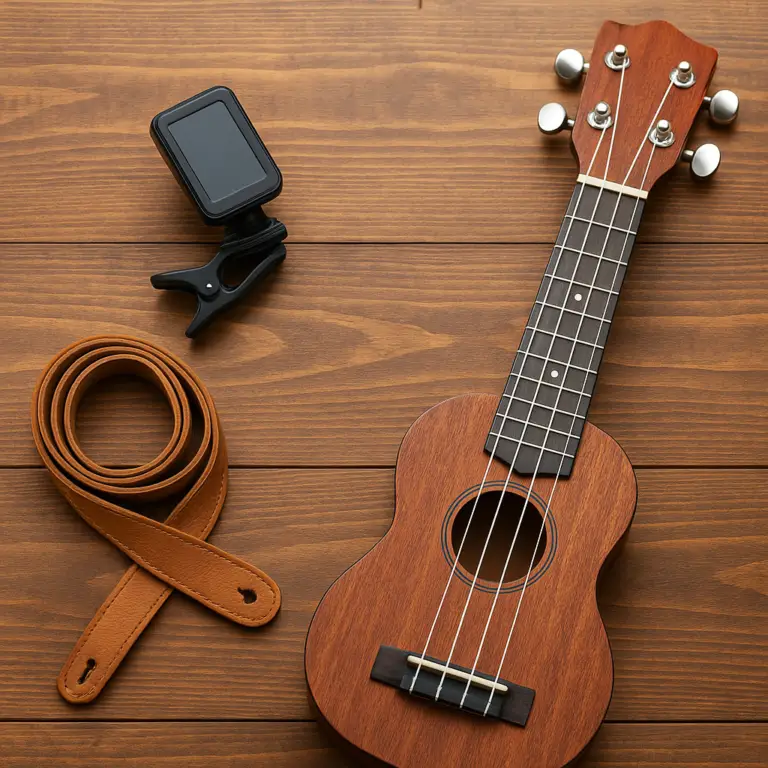
So, you’ve picked out your perfect ukulele. Fantastic! But hold your horses, cowboy (or cowgirl)! Just like a Bass Guitar needs an amp and a strap, your ukulele needs a few trusty sidekicks to truly shine and stay protected. Fender and Bajaao both emphasize the importance of tuners, cases, and strings.
1. The Indispensable Tuner 🎶
- Why you need it: A ukulele that’s out of tune sounds like a cat fight in a tin can. Seriously. Even if you have perfect pitch, a tuner is faster and more accurate.
- Our Recommendation: A clip-on chromatic tuner. They’re affordable, easy to use, and clip right onto your headstock, sensing vibrations directly. Brands like Snark and D’Addario Planet Waves are excellent.
- Pro Tip: Always tune before you play. It makes a world of difference!
👉 Shop Tuners on:
- Snark Clip-On Tuner: Amazon | Guitar Center
- D’Addario Planet Waves Tuner: Amazon | Sweetwater
2. Protection: Case or Gig Bag 🛡️
- Why you need it: Your ukulele is an instrument, not a frisbee! Protect it from bumps, scratches, and dust.
- Gig Bag: Lightweight, padded, usually has pockets for accessories. Great for casual transport.
- Hard Case: Offers maximum protection against impacts and temperature changes. Essential for expensive instruments or frequent travel.
- Our Recommendation: For most beginners, a good padded gig bag (often included with starter kits) is sufficient. For solid wood ukes or frequent travel, invest in a hard case.
- Personal Anecdote: Our team member, Maya, once saw a friend’s ukulele literally snap in half after falling out of an unpadded bag. “It was a tragic sight,” she recalls. “A good bag is cheap insurance!”
👉 Shop Cases & Gig Bags on:
- Ukulele Gig Bags: Amazon | Guitar Center
- Ukulele Hard Cases: Amazon | Sweetwater
3. Spare Strings 🧵
- Why you need them: Strings break. It’s a fact of life. Having a spare set means you won’t miss a beat. Bajaao recommends changing strings every 3-6 months.
- Our Recommendation: Aquila Nylgut strings are a popular choice for their bright, clear tone and excellent intonation. D’Addario Nyltech are also great.
- Pro Tip: Even if they don’t break, old strings lose their vibrancy. Swapping them out can make an old uke sound new again!
👉 Shop Ukulele Strings on:
- Aquila Nylgut Ukulele Strings: Amazon | Guitar Center
- D’Addario Nyltech Ukulele Strings: Amazon | Sweetwater
4. Ukulele Strap (Optional, but Recommended) 🎗️
- Why you need it: If you plan to stand and play, a strap is a lifesaver. It frees up your hands and prevents neck dive.
- Our Recommendation: Look for comfortable, adjustable straps. Some ukuleles have strap buttons installed; if not, you can get a “soundhole hook” strap that doesn’t require modification.
👉 Shop Ukulele Straps on:
- Ukulele Straps: Amazon | Guitar Center
5. Humidifier (Crucial for Solid Wood Ukes) 💧
- Why you need it: As we discussed, solid wood instruments are sensitive to humidity. A humidifier prevents cracking and warping.
- Our Recommendation: In-case humidifiers like the D’Addario Humidipak or Music Nomad Humitar.
- Pro Tip: If you live in a dry climate, this isn’t an option, it’s a necessity!
👉 Shop Ukulele Humidifiers on:
- D’Addario Humidipak: Amazon | Sweetwater
6. Capo (For Changing Keys) 🎼
- Why you need it: A capo allows you to easily change the key of a song without learning new chord shapes. Great for matching your vocal range or playing with other instruments.
- Our Recommendation: Any standard guitar capo will work, but there are also ukulele-specific capos that are smaller. Kyser and Shubb make excellent capos.
👉 Shop Ukulele Capos on:
- Ukulele Capos: Amazon | Guitar Center
7. Picks (Optional) 🎸
- Why you need them: While many ukulele players use their bare fingers, some prefer a pick for strumming or a brighter attack.
- Our Recommendation: Use felt picks (softer, warmer tone) or thin plastic picks (brighter). Avoid thick guitar picks, as they can damage nylon strings.
👉 Shop Ukulele Picks on:
- Ukulele Picks: Amazon | Guitar Center
🧼 Keeping the Magic Alive: Maintenance and Care
You’ve invested in a beautiful instrument, now let’s keep it that way! Proper maintenance isn’t just about aesthetics; it ensures your ukulele sounds its best and lasts for years. Bajaao emphasizes regular cleaning, proper storage, and timely string changes.
1. The Golden Rule: Humidity Control 🌡️
- Why it matters: This is the single most important factor for solid wood ukuleles. Wood expands and contracts with changes in humidity, leading to cracks, warping, and glue joint failures.
- The Sweet Spot: Aim for relative humidity between 45% and 55%.
- How to achieve it:
- Humidifier: For dry climates, use an in-case humidifier (like those mentioned above) or a room humidifier.
- Dehumidifier: For excessively humid climates, a room dehumidifier can prevent swelling and mold.
- Hygrometer: A small device that measures humidity. Keep one in your case or near your uke.
- Our Take: Our team member, Alex, once left his prized koa tenor in a hot car. “The top warped so badly, it looked like a roller coaster,” he grimaces. “Never again. Temperature and humidity are silent killers!”
2. String Changes: Freshness is Key! 🎶
- Why it matters: Strings lose their brightness, intonation, and elasticity over time, even if they don’t break. Old strings sound dull and can be harder to keep in tune.
- When to change: Bajaao recommends every 3-6 months for regular players. If you play a lot, or notice a dull tone or tuning instability, change them sooner.
- How to change:
- Remove old strings: Loosen them until they’re slack, then snip them with wire cutters.
- Clean: Take this opportunity to wipe down the fretboard and body.
- Install new strings: Thread them through the bridge (different bridges have different methods, usually a knot or a pin) and then through the tuning pegs.
- Wind: Wind the string neatly around the peg, ensuring a few wraps for stability.
- Stretch: Gently pull on each string a few times to help it settle. This will reduce how often it goes out of tune initially.
- Tune: Use your clip-on tuner!
- Our Take: Changing strings is a simple, affordable way to revitalize your ukulele’s sound. It’s like giving it a fresh cup of coffee!
3. Cleaning: Keep it Sparkling ✨
- Why it matters: Sweat, dust, and grime can build up on your fretboard and body, affecting playability and damaging the finish.
- What you need:
- Microfiber cloth: For wiping down the body and strings after each play.
- Fretboard conditioner/oil: (e.g., lemon oil) for unfinished fretboards (usually rosewood or ebony) to prevent drying out. Apply sparingly every few months.
- Guitar polish/cleaner: For finished bodies, use a small amount on a cloth.
- How to clean:
- After each play: Wipe down the strings and body with a dry microfiber cloth to remove sweat and oils.
- Monthly/Bi-monthly: Give it a more thorough wipe-down. If your fretboard looks dry, apply a tiny bit of fretboard oil.
- Avoid: Harsh chemicals, abrasive cloths, or excessive water.
4. Proper Storage: Home Sweet Home 🏡
- Why it matters: Where you store your ukulele impacts its longevity.
- Best Practices:
- In its case/gig bag: This is the safest place, especially if it’s a solid wood instrument with a humidifier.
- Away from extreme temperatures: Don’t leave it in a hot car, near a heater, or in direct sunlight.
- On a stand: If you keep it out, use a proper ukulele stand to prevent it from falling over.
- Our Take: We’ve seen too many beautiful instruments damaged by careless storage. Treat your ukulele like a cherished pet—give it a safe, comfortable home!
💡 Conclusion

So, what’s the final word on buying a ukulele? Whether you’re a wide-eyed beginner or a seasoned strummer, the right ukulele is out there waiting to become your musical soulmate. From the tiny, bright soprano to the deep, guitar-like baritone, size and sound are your first big decisions. Then comes the wood—solid koa or mahogany will sing to your soul, while laminate offers durability and budget-friendly fun.
Our expert team at Guitar Brands™ wholeheartedly recommends starting with a Kala Makala Dolphin or Cordoba 15CM Concert if you’re new to the uke universe. They strike a perfect balance of playability, tone, and affordability. For the more serious player, stepping up to a solid koa Kamaka or KoAloha will reward you with rich, nuanced sound and craftsmanship that lasts a lifetime.
Remember the 12-point quality checklist before you buy—don’t let a shiny finish fool you! And don’t forget the essential accessories: a good clip-on tuner, a protective case, and fresh strings will keep your uke sounding sweet and your fingers happy.
The ukulele’s journey from Portuguese machete to Hawaiian icon is a story of joy and resilience, and now it’s your turn to add your chapter. So, are you ready to strum your way to paradise? Your perfect uke is just a few chords away.
🔗 Recommended Links
👉 Shop Ukuleles by Brand and Size:
- Kala Ukuleles: Amazon | Guitar Center | Sweetwater | Kala Official Website
- Cordoba Ukuleles: Amazon | Guitar Center | Sweetwater | Cordoba Official Website
- Ohana Ukuleles: Amazon | Sweetwater | Ohana Official Website
- Flight Ukuleles: Amazon | Guitar Center | Flight Official Website
- Fender Ukuleles: Amazon | Guitar Center | Sweetwater | Fender Official Website
- Lanikai Ukuleles: Amazon | Guitar Center | Lanikai Official Website
- Martin Ukuleles: Amazon | Guitar Center | Sweetwater | Martin Official Website
- Kamaka Ukuleles: Guitar Center | Kamaka Official Website
- KoAloha Ukuleles: Guitar Center | KoAloha Official Website
- Kanile’a Ukuleles: Guitar Center | Kanile’a Official Website
Must-Have Accessories:
- Snark Clip-On Tuner: Amazon | Guitar Center
- D’Addario Planet Waves Tuner: Amazon | Sweetwater
- Aquila Nylgut Strings: Amazon | Guitar Center
- D’Addario Nyltech Strings: Amazon | Sweetwater
- Ukulele Gig Bags: Amazon | Guitar Center
- Ukulele Hard Cases: Amazon | Sweetwater
- D’Addario Humidipak: Amazon | Sweetwater
- Ukulele Capos: Amazon | Guitar Center
Recommended Books for Ukulele Players:
❓ FAQ

Can I buy a ukulele online, or should I visit a music store to make a purchase?
Buying online offers convenience and often better prices, but it lacks the tactile experience of holding and playing the instrument before purchase. If you’re a beginner, visiting a music store allows you to test different sizes and brands, check for comfort, and get expert advice. However, many reputable online retailers offer generous return policies, making online shopping a safe bet if you research well and buy from trusted sellers.
What are some popular brands of ukuleles that are highly recommended?
Popular and trusted brands include Kala, Cordoba, Ohana, Flight, Fender, Lanikai, Martin, Kamaka, KoAloha, and Kanile’a. Each brand caters to different skill levels and budgets, with Kala and Cordoba being excellent for beginners and intermediates, while Kamaka and KoAloha are top-tier for professionals.
How much should I expect to pay for a high-quality ukulele?
High-quality ukuleles typically start around $300-$400 for solid-top models and can go well over $1000 for premium all-solid koa instruments handcrafted in Hawaii. Beginners can find decent models under $150, but investing a bit more often results in better playability and tone.
What is the difference between a soprano, concert, and tenor ukulele?
- Soprano: Smallest size with a bright, classic ukulele sound. Ideal for beginners and portability.
- Concert: Slightly larger with a fuller tone and more fret space. Good for players with larger hands.
- Tenor: Larger still, offering deeper, richer sound and more room for complex playing. Preferred by professionals.
What are the key features to consider when buying a ukulele for a beginner?
Look for comfortable size (usually soprano or concert), durable laminate or solid top construction, reliable geared tuners, and good action (string height). Starter kits with tuners and gig bags add value. Avoid toy-like instruments with poor intonation.
How do I choose the right size of ukulele for my needs?
Consider your hand size, playing style, and sound preference. Smaller ukuleles (soprano) are more portable and traditional-sounding, while larger ones (tenor, baritone) offer richer tones and more fret space. Try holding different sizes if possible.
What are the different types of ukuleles available for purchase?
The main types are soprano, concert, tenor, and baritone. There are also specialty ukuleles like bass ukuleles and electric ukuleles, but the four main sizes cover most players’ needs.
How do different ukulele sizes affect sound and playability?
Smaller ukuleles have a brighter, more “plinky” sound and tighter fret spacing, which can be challenging for large hands. Larger ukuleles produce deeper, fuller tones and offer more fretboard space, making complex playing easier but sacrificing some portability.
What are the best ukulele brands for beginners and professionals?
For beginners, Kala, Cordoba, and Flight offer excellent value and playability. Professionals often prefer Kamaka, KoAloha, Kanile’a, and Martin for their superior craftsmanship and tone.
What materials are ukuleles made from and how do they impact tone?
Ukuleles are typically made from solid woods like koa, mahogany, spruce, or laminate wood. Solid woods provide richer, more resonant tones that improve with age but require humidity control. Laminate is more durable and affordable but offers less tonal complexity.
Should I buy a concert, soprano, or tenor ukulele?
It depends on your hand size, sound preference, and playing style. Soprano is classic and portable, concert is versatile and comfortable for many, and tenor offers richer tone and more space for advanced playing.
What accessories do I need when purchasing a ukulele?
Essential accessories include a clip-on tuner, a protective case or gig bag, spare strings, and optionally a strap, humidifier (for solid wood ukes), capo, and picks.
📚 Reference Links
- How To Buy the Right Ukulele – Uketropolis
- Kala Ukuleles Official Site
- Cordoba Ukuleles Official Site
- Kamaka Ukuleles Official Site
- KoAloha Ukuleles Official Site
- Kanile’a Ukuleles Official Site
- Fender Ukuleles Official Site
- Ohana Ukuleles Official Site
- Flight Ukuleles Official Site
- Martin Ukuleles Official Site
- Sweetwater Ukulele Category
- Guitar Center Ukulele Category