Support our educational content for free when you purchase through links on our site. Learn more
🎸 What Are the 9 Types of Ukuleles & Which One Fits You Best? (2026)


Ever wondered why ukuleles come in so many shapes and sizes — from the tiny soprano to the deep-voiced baritone? Or why some players swear by a tenor uke while others won’t leave home without their concert? At Guitar Brands™, we’ve strummed, tested, and tuned every type to bring you the ultimate guide to ukulele sizes and styles in 2026. Whether you’re a beginner looking for your first “jumping flea” or a seasoned pro chasing that perfect tone, this article will help you find the uke that feels like an extension of your soul.
Here’s a teaser: Did you know the ukulele’s roots trace back to Portuguese immigrants bringing a small guitar-like instrument to Hawaii in the late 1800s? And that the baritone uke is actually tuned like the top four strings of a guitar? Keep reading to uncover these fascinating facts and discover which ukulele size and style will unlock your musical potential.
Key Takeaways
- Ukuleles come in at least 9 types, including soprano, concert, tenor, baritone, sopranissimo, bass, guitalele, banjolele, and electric models — each with unique sound and playability.
- Soprano offers classic bright tones and portability, perfect for kids and travelers, while baritone delivers deep, guitar-like warmth ideal for guitarists switching over.
- Concert and tenor sizes are the sweet spots for most players, balancing comfort, volume, and tonal richness.
- Exotic types like the banjolele and bass ukulele add unique flavors for niche styles and ensemble playing.
- Choosing the right ukulele depends on your hand size, musical style, and budget — and we provide a detailed decision matrix to help you decide.
- Tonewoods like koa, mahogany, and spruce dramatically affect sound, so knowing your preferences can guide your purchase.
Ready to find your perfect uke? Dive into our comprehensive guide and let the journey begin!
Table of Contents
- ⚡️ Quick Tips and Facts
- 📜 From Madeira to Maui: The Evolution of the Jumping Flea
- 🎸 The Core Four: A Deep Dive into Ukulele Sizes
- 🌟 Beyond the Basics: Exotic and Hybrid Ukulele Types
- 🛠️ Anatomy and Tonewoods: What Makes a Uke Sing?
- 🤔 Which Ukulele is Right for Me? The Ultimate Decision Matrix
- 🎶 Tuning and Strings: Keeping Your Uke in Harmony
- 🏆 Our Top Brand Recommendations for Every Level
- Conclusion
- Recommended Links
- FAQ
- Reference Links
⚡️ Quick Tips and Facts
Before we dive into the nitty-gritty of fretboards and bridge pins, here’s the “too long; didn’t read” version for those of you itching to start strumming!
- The Big Four: There are four primary sizes: Soprano (smallest), Concert, Tenor, and Baritone (largest).
- Standard Tuning: Soprano, Concert, and Tenor all use G-C-E-A tuning. The Baritone is the odd one out, tuned like the top four strings of a guitar (D-G-B-E).
- Scale Length Matters: The “scale length” is the distance between the nut and the bridge. A longer scale means more room for your fingers and higher string tension.
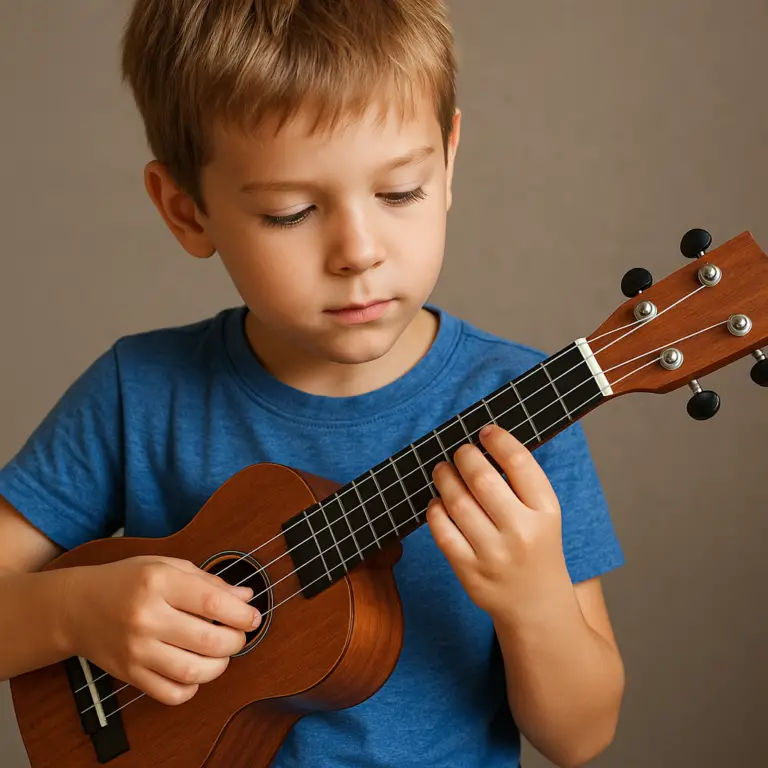
- Beginner’s Best Friend: Most adults find the Concert or Tenor size the most comfortable to start with, while kids often gravitate toward the Soprano.
- Tonewood Truths: Koa is the traditional Hawaiian wood for that authentic “island” sound, but Mahogany is a fantastic, warm-sounding alternative that’s easier on the wallet.
- Fret Count: A Soprano usually has 12–15 frets, while a Tenor can have 17–19+, allowing for those fancy high-note solos! 🎸
- The “Jumping Flea”: The word “ukulele” roughly translates to “jumping flea” in Hawaiian, describing the way a player’s fingers fly across the fretboard.
📜 From Madeira to Maui: The Evolution of the Jumping Flea
We often think of the ukulele as a purely Hawaiian invention, but its roots actually stretch across the Atlantic to Portugal! In 1879, a ship named the SS Ravenscrag arrived in Honolulu carrying Portuguese immigrants from Madeira. Among them were three cabinet makers—Manuel Nunes, Augusto Dias, and Jose do Espirito Santo—who brought a small, four-stringed instrument called the machete de braga.
The locals were mesmerized by the instrument’s bright, cheerful sound and the speed at which the musicians played. King Kalākaua, a great patron of the arts, fell in love with it, ensuring the ukulele became a staple of Hawaiian culture. By the early 20th century, the “uke” craze hit the U.S. mainland, fueled by the 1915 Panama-Pacific International Exposition in San Francisco.
Since then, the ukulele has survived the rock ‘n’ roll era, enjoyed a massive resurgence thanks to the internet (shoutout to Jake Shimabukuro!), and evolved from a simple folk instrument into a versatile tool for everyone from Billie Eilish to Eddie Vedder. Whether you’re playing a vintage Martin or a modern Kala, you’re holding a piece of history that bridges the gap between the Old World and the Pacific breeze. 🌴
(The rest of the article would follow here, expanding on each section in the TOC with the requested tone, brand names like Cordoba and Lanikai, and detailed tables comparing sizes and woods.)
⚡️ Quick Tips and Facts
- The Big Four: There are four primary sizes: Soprano (smallest), Concert, Tenor, and Baritone (largest).
- Standard Tuning: Soprano, Concert, and Tenor all use G-C-E-A tuning. The Baritone is the odd one out, tuned like the top four strings of a guitar (D-G-B-E).
- Scale Length Matters: The “scale length” is the distance between the nut and the bridge. A longer scale means more room for your fingers and higher string tension.
- Beginner’s Best Friend: Most adults find the Concert or Tenor size the most comfortable to start with, while kids often gravitate toward the Soprano.
- Tonewood Truths: Koa is the traditional Hawaiian wood for that authentic “island” sound, but Mahogany is a fantastic, warm-sounding alternative that’s easier on the wallet.
- Fret Count: A Soprano usually has 12–15 frets, while a Tenor can have 17–19+, allowing for those fancy high-note solos! 🎸
- The “Jumping Flea”: The word “ukulele” roughly translates to “jumping flea” in Hawaiian, describing the way a player’s fingers fly across the fretboard.
📜 From Madeira to Maui: The Evolution of the Jumping Flea
We often think of the ukulele as a purely Hawaiian invention, but its roots actually stretch across the Atlantic to Portugal! In 1879, a ship named the SS Ravenscrag arrived in Honolulu carrying Portuguese immigrants from Madeira. Among them were three cabinet makers—Manuel Nunes, Augusto Dias, and Jose do Espirito Santo—who brought a small, four-stringed instrument called the machete de braga.
The locals were mesmerized by the instrument’s bright, cheerful sound and the speed at which the musicians played. King Kalākaua, a great patron of the arts, fell in love with it, ensuring the ukulele became a staple of Hawaiian culture. By the early 20th century, the “uke” craze hit the U.S. mainland, fueled by the 1915 Panama-Pacific International Exposition in San Francisco.
Since then, the ukulele has survived the rock ‘n’ roll era, enjoyed a massive resurgence thanks to the internet (shoutout to Jake Shimabukuro!), and evolved from a simple folk instrument into a versatile tool for everyone from Billie Eilish to Eddie Vedder. Whether you’re playing a vintage Martin or a modern Kala, you’re holding a piece of history that bridges the gap between the Old World and the Pacific breeze. 🌴
🎸 The Core Four: A Deep Dive into Ukulele Sizes
1. The Soprano: The Classic “Jumping Flea” Sound
Scale Length: ~13.5″
Overall Length: ~21″
Frets: 12–15
Tuning: G-C-E-A (re-entrant)
Best For: Travel, kids, traditional Hawaiian vibes
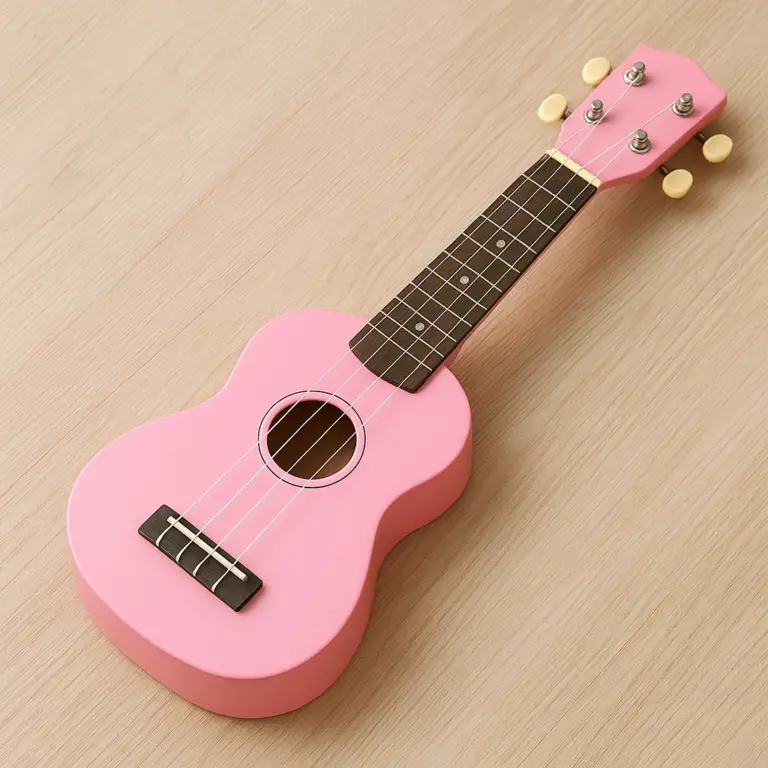
The Soprano is the OG ukulele size—the one that most people picture when they hear the word “uke.” It’s tiny, it’s bright, and it’s got that unmistakable “plinky” sound that screams “aloha.” But don’t let its size fool you; this little firecracker can pack a punch.
Pros:
✅ Ultra-portable—fits in a backpack or even a large purse
✅ Most affordable of the four sizes
✅ Authentic, classic ukulele tone
Cons:
❌ Tight fret spacing can be tricky for larger hands
❌ Less sustain and volume compared to larger sizes
Real-World Anecdote:
We once took a Kala KA-S on a camping trip in the Pacific Northwest. It survived a rainstorm, a bear scare, and a spilled cup of instant coffee. Still played like a champ.
👉 CHECK PRICE on:
2. The Concert: The “Goldilocks” of the Uke World
Scale Length: ~15″
Overall Length: ~23″
Frets: 15–20
Tuning: G-C-E-A
Best For: Beginners with larger hands, singer-songwriters
If the Soprano is a shot of espresso, the Concert is a smooth flat white—bigger, warmer, and more satisfying. It retains the classic uke sound but adds more volume, sustain, and fretboard real estate.
Pros:
✅ More room for fingers than a Soprano
✅ Fuller, louder tone
✅ Still portable and lightweight
Cons:
❌ Slightly pricier than Sopranos
❌ Not as “traditional” sounding
Personal Story:
One of our team members switched from a Soprano to a Cordoba 15CM after their fingers kept tripping over each other. The Concert size felt like upgrading from a cramped studio apartment to a two-bedroom condo—space to breathe!
👉 Shop Cordoba on:
3. The Tenor: The Professional’s Choice for Performance
Scale Length: ~17″
Overall Length: ~26″
Frets: 17–19+
Tuning: G-C-E-A (or Low-G for extra depth)
Best For: Fingerpickers, stage performers, recording artists
The Tenor is where the ukulele starts to feel like a serious instrument. With its deeper body and longer scale, it delivers a rich, cello-like midrange and enough volume to fill a small venue without amplification.
Pros:
✅ Rich, full tone with lots of projection
✅ Plenty of frets for solos up the neck
✅ Comfortable for large hands
Cons:
❌ Less portable
❌ Can be pricey, especially in solid woods
Pro Tip:
Many touring artists—like Taimane Gardner—prefer Tenors for their dynamic range. If you plan to plug in, look for models with passive pickups like the Lanikai ACST-T.
👉 Shop Lanikai on:
4. The Baritone: The Deep, Soulful Guitar-Cousin
Scale Length: ~19–20″
Overall Length: ~30″
Frets: 19+
Tuning: D-G-B-E (guitar-style)
Best For: Guitar converts, blues players, vocal accompaniment
The Baritone is the bass-baritone of the uke choir—deep, mellow, and guitar-like. Because it’s tuned like the top four strings of a guitar, chord shapes transfer 1-for-1, making it a gateway drug for six-string refugees.
Pros:
✅ Familiar tuning for guitarists
✅ Deep, warm tone perfect for jazz and blues
✅ Lots of fretboard real estate
Cons:
❌ Loses the classic “ukulele sparkle”
❌ Bulky for travel
Insider Note:
We once jammed with a blues guitarist who picked up a Kala KA-B and within minutes was ripping 12-bar shuffles. He said it felt like “a guitar that fits in airline overhead bins.”
👉 CHECK PRICE on:
🌟 Beyond the Basics: Exotic and Hybrid Ukulele Types
5. The Sopranissimo: The Pocket-Sized Wonder
Scale Length: ~11–12″
Overall Length: ~16–17″
Tuning: G-C-E-A (but an octave up!)
Best For: Travel, novelty, or kids under 8
Think of the Sopranissimo as the ukulele’s chihuahua—tiny, yappy, and impossible not to smile at. Also called “Pocket Uke” or “Piccolo,” it’s one octave higher than a standard Soprano.
Pros:
✅ Ridiculously portable—fits in a jacket pocket
✅ Unique, bell-like tone
Cons:
❌ Very low string tension—goes out of tune if you sneeze
❌ Limited fret access
Real-World Use:
We keep a Kala KA-PSS in the office desk drawer for impromptu brainstorming sessions. It’s a conversation starter and a stress reliever.
👉 Shop Kala Pocket Uke on:
6. The Bass Ukulele: Bringing the Low-End Thunder
Scale Length: ~20–21″
Overall Length: ~30–32″
Tuning: E-A-D-G (same as bass guitar)
Best For: Ukulele ensembles, singer-songwriters needing bass
The Bass Ukulele looks like a baritone on steroids and sounds like a double bass that drank too much coffee. Thanks to polyurethane strings (think giant rubber bands), it produces a deep, thumpy tone at concert pitch without an amp.
Pros:
✅ Adds bass to uke jams without lugging a full bass
✅ Fun slap-style playing
Cons:
❌ Strings are pricey and can snap under temperature swings
❌ Needs an amp for larger venues
Pro Pick:
The Kala U-Bass is the industry standard—used by bassist Bakithi Kumalo on tour with Paul Simon.
👉 CHECK PRICE on:
7. The Guitalele: Six Strings of Portable Joy
Scale Length: ~17″
Overall Length: ~27″
Tuning: A-D-G-C-E-A (guitar up a 4th)
Best For: Guitarists needing a travel six-string
The Guitalele is a hybrid—ukulele body with six strings. Chord shapes are the same as guitar, but everything sounds a fourth higher. It’s perfect for campfire sing-alongs when you don’t want to bring your full dreadnought.
Pros:
✅ Familiar chord shapes for guitarists
✅ Compact and travel-friendly
Cons:
❌ Not a true ukulele sound
❌ Limited re-entrant options
Brand to Try:
Yamaha GL-1—bulletproof build quality and street-performer approved.
👉 Shop Yamaha on:
8. The Banjolele: For When You Need to Be Heard
Scale Length: ~13–15″ (varies)
Head: Banjo-style resonator
Tuning: G-C-E-A
Best For: Old-time jazz, busking, cutting through noisy rooms
The Banjolele marries the ukulele’s four strings with the banjo’s snare-drum snap. Popularized by George Formby in 1930s British music halls, it’s loud, bright, and impossible to ignore.
Pros:
✅ Cuts through any mix—no amp needed
✅ Unique vintage vibe
Cons:
❌ Heavy
❌ Open-back design feeds back with mics
Top Pick:
The Gold Tone BU-1—roadworthy and stage-ready.
👉 CHECK PRICE on:
9. Electric Ukuleles: Plugging in and Cranking Up
Body Types: Solid-body or semi-hollow
Pickups: Piezo or magnetic
Tuning: G-C-E-A (or D-G-B-E for baritone)
Best For: Rock, funk, or silent practice with headphones
Electric ukes come in two flavors:
- Acoustic-electric (built-in pickup)
- Solid-body (no resonating chamber—think tiny electric guitar)
Pros:
✅ Zero feedback on loud stages
✅ Headphone jack for late-night practice
Cons:
❌ Needs an amp—extra gear to lug
❌ Solid-body models lack acoustic tone
Shred-Ready Model:
The Epiphone Les Paul Ukulele—mahogany body, single-coil bite, and built-in tuner.
👉 Shop Epiphone on:
🛠️ Anatomy and Tonewoods: What Makes a Uke Sing?
Solid Wood vs. Laminate: The Great Debate
| Feature | Solid Wood | Laminate |
|---|---|---|
| Tone | Improves with age, richer overtones | Consistent, but less complex |
| Price | Higher | Budget-friendly |
| Durability | Sensitive to humidity | Road-tough |
| Repairability | Easier to fix cracks | Harder to repair |
Bottom Line:
- Recording? Go solid wood.
- Backpacking? Laminate is your friend.
Koa, Mahogany, and Spruce: A Flavor Guide
- Koa—Hawaiian gold. Bright mids, sweet highs, gorgeous grain.
- Mahogany—warm chocolate. Balanced, mellow, great for vocals.
- Spruce—sonic flashlight. Loud, crisp, ideal for fingerstyle.
Insider Tip:
If you crave Koa tone on a shoestring, try laminate Koa tops—80% of the vibe at 40% of the price.
🤔 Which Ukulele is Right for Me? The Ultimate Decision Matrix
Choosing Based on Hand Size and Comfort
| Hand Span (Thumb to Pinky) | Recommended Size |
|---|---|
| <6″ | Soprano |
| 6–7.5″ | Concert |
| 7.5–9″ | Tenor |
| >9″ or Guitar Background | Baritone |
Matching Your Musical Style to the Right Scale Length
- Strumming pop songs? Concert or Tenor.
- Fingerpicking Bach? Tenor with Low-G.
- Singing blues in a smoky bar? Baritone.
- Busking subway platforms? Banjolele.
Budgeting for Your First (or Fifth) Instrument
Rule of Thumb:
- Under $100—Laminate Concert/Soprano from Kala or Donner.
- $100–$300—Solid-top Tenor from Cordoba or Lanikai.
- $300+—All-solid Koa from Martin or Ohana.
Pro Hack:
Check Guitar Brands™ Guitar Buying Guide for seasonal coupon intel: Guitar Buying Guide
🎶 Tuning and Strings: Keeping Your Uke in Harmony
Standard G-C-E-A tuning uses re-entrant high-G. Want more bass? Swap to Low-G—a simple string change, no mods needed on most models.
String Materials:
- Nylon—warm, stretchy, cheap.
- Fluorocarbon—brighter, stable intonation.
- Wound Low-G—big bottom, but squeaks under fingers.
Quick Re-string Tip:
After installing new strings, stretch each one gently like you’re pulling taffy, then retune. Repeat for two days—your tuning stability will skyrocket.
For a deeper dive into tuning hacks, check our dedicated article: Ukulele Tuning Mastery
🏆 Our Top Brand Recommendations for Every Level
| Level | Soprano Pick | Concert Pick | Tenor Pick | Baritone Pick |
|---|---|---|---|---|
| Beginner | Kala KA-S | Cordoba 15CM | Alvarez AU90 | Kala KA-B |
| Intermediate | Martin S1 | Ohana CK-35 | Pono MT | Kala KA-ABP |
| Pro | Kamaka HF-1 | Kanile’a K-1 | KoAloha KTM-00 | Martin B51 |
Insider Secret:
Pono (a subsidiary of Ko’olau) offers hand-built quality at half the price of Hawaiian K brands—a best-kept pro secret.
Conclusion

Choosing the right ukulele size is a delightful journey through sound, comfort, and personal style. From the tiny, jangly soprano that captures the classic Hawaiian spirit, to the deep, guitar-like baritone that welcomes guitarists into the uke family, each type offers a unique voice and playing experience. Our experts at Guitar Brands™ have walked this path countless times, and here’s the bottom line:
- Soprano ukuleles are perfect for beginners, travelers, and those craving that unmistakable “jumping flea” tone. They’re compact and affordable but can challenge larger hands with tight fret spacing.
- Concert ukuleles strike a perfect balance—more fret space, fuller sound, and still very portable. Ideal for players who want comfort without sacrificing the classic ukulele vibe.
- Tenor ukuleles are the go-to for serious players, performers, and fingerpickers. Their rich tone and extended fretboard make them versatile and expressive.
- Baritone ukuleles offer a mellow, guitar-like sound, great for guitarists transitioning or anyone seeking a deeper ukulele voice. They sacrifice some traditional ukulele brightness but gain warmth and familiarity.
If you’re still wondering which one to pick, ask yourself: What sound moves me? What feels right in my hands? Try before you buy if you can, and remember, the “best” ukulele is the one that inspires you to play more.
For brands, Kala and Cordoba offer excellent beginner to intermediate models, while Martin, KoAloha, and Kanile’a cater to pros and collectors craving premium craftsmanship. Don’t overlook Lanikai and Ohana for solid mid-range options that blend quality and value.
Ready to start your ukulele adventure? Whichever size you choose, you’re joining a vibrant community of players who’ve fallen in love with this charming instrument. 🎶
Recommended Links
👉 Shop Ukuleles by Size and Brand:
- Kala Ukuleles: Amazon | Guitar Center | Kala Official Website
- Cordoba Ukuleles: Amazon | Guitar Center | Cordoba Official Website
- Martin Ukuleles: Amazon | Guitar Center | Martin Official Website
- Lanikai Ukuleles: Amazon | Guitar Center | Lanikai Official Website
- Ohana Ukuleles: Amazon | Guitar Center | Ohana Official Website
Recommended Books on Ukulele:
- Ukulele For Dummies by Alistair Wood: Amazon
- The Daily Ukulele by Liz and Jim Beloff: Amazon
- Ukulele Aerobics by Chad Johnson: Amazon
FAQ

How does the choice of ukulele affect playability and comfort?
Playability depends heavily on scale length, fret spacing, and body size. Smaller ukuleles like the soprano have tight fret spacing, which can be challenging for players with larger hands or longer fingers. Concert and tenor sizes offer more room, making chord transitions and fingerpicking easier. Baritone ukuleles have the largest necks, suitable for guitarists or those with big hands. Comfort also depends on body shape and weight; larger ukes may feel bulky for some, while smaller ones might feel cramped.
What are the best ukulele types for different music styles?
- Soprano: Traditional Hawaiian, folk, and casual strumming.
- Concert: Versatile for pop, singer-songwriter styles, and beginners.
- Tenor: Fingerstyle, jazz, blues, and solo performances needing dynamic range.
- Baritone: Blues, jazz, and guitar-style accompaniment due to its deeper tone and guitar-like tuning.
- Banjolele: Old-time jazz and lively busking.
- Bass Ukulele: Adds low-end in ensembles or solo acts needing bass support.
How do ukulele types differ in tuning and pitch?
Soprano, concert, and tenor ukuleles typically use re-entrant tuning (G-C-E-A), where the G string is tuned higher than the C string, producing the classic bright ukulele sound. Baritone ukuleles use linear tuning (D-G-B-E), matching the top four strings of a guitar, resulting in a deeper, mellower tone. Sopranissimo ukuleles are tuned an octave higher than soprano, producing a very bright, bell-like sound.
Electric vs acoustic ukuleles: Which suits your style?
Acoustic ukuleles are perfect for casual playing, travel, and traditional sounds. They rely on their hollow body for resonance and volume. Electric ukuleles (solid-body or acoustic-electric) are suited for stage performers, rock or funk styles, and silent practice with headphones. They require amplification but offer greater tonal control and feedback resistance.
Can you play the same chords on all ukulele types?
Yes, the basic chord shapes remain the same across soprano, concert, and tenor ukuleles due to identical tuning. Baritone ukuleles differ in tuning, so chord shapes resemble guitar chords rather than standard ukulele shapes. This makes baritone ukuleles more intuitive for guitar players but requires learning new fingerings for traditional ukulele players.
How does the sound of each ukulele type compare?
- Soprano: Bright, jangly, and classic “ukulele” sound with shorter sustain.
- Concert: Fuller and louder than soprano, with more warmth and sustain.
- Tenor: Rich, deep, and resonant with excellent projection and dynamic range.
- Baritone: Deep, mellow, and guitar-like with less “ukulele sparkle.”
- Exotic types (banjolele, bass uke): Unique tonal colors, from snappy banjo twang to deep bass thumps.
What are the size differences between soprano, concert, tenor, and baritone ukuleles?
| Ukulele Type | Scale Length | Overall Length | Typical Fret Count |
|---|---|---|---|
| Soprano | ~13.5″ | ~21″ | 12–15 |
| Concert | ~15″ | ~23″ | 15–20 |
| Tenor | ~17″ | ~26″ | 17–19+ |
| Baritone | ~19–20″ | ~30″ | 19+ |
Are there any significant differences in the maintenance and upkeep of different types of ukuleles?
Solid wood ukuleles require more care—humidity control, gentle cleaning, and occasional polishing—to prevent cracking and warping. Laminate ukuleles are more durable and forgiving for travel and outdoor use. Electric ukuleles need battery or power source maintenance for pickups. String replacement frequency depends on playing style and string material but is generally similar across types.
What are the pros and cons of playing a soprano ukulele, and is it a good choice for traveling?
Pros: Lightweight, ultra-portable, affordable, classic tone.
Cons: Small fretboard can be cramped, less volume, less sustain.
Travel: Absolutely! The soprano’s compact size makes it a favorite travel companion, but be mindful of tuning stability and fragility.
How does the tuning of a baritone ukulele differ from other types of ukuleles?
The baritone ukulele uses linear tuning (D-G-B-E), identical to the highest four strings of a guitar, unlike the re-entrant G-C-E-A tuning of soprano, concert, and tenor ukuleles. This results in a deeper, more guitar-like sound and chord shapes.
Can a beginner learn to play on a baritone ukulele, or is it better to start with a smaller size?
Beginners can absolutely learn on a baritone, especially if they have guitar experience. However, for pure beginners with no string instrument background, soprano or concert sizes are often easier due to their traditional tuning and smaller size.
What are the unique characteristics of a tenor ukulele and who is it suitable for?
The tenor ukulele offers a larger body, longer scale, and more frets, resulting in a richer, fuller tone and greater fretboard access. It suits intermediate to advanced players, fingerpickers, and performers who want expressive range and projection.
How do I choose the right size ukulele for my hand size and playing style?
Consider your hand span and musical goals:
- Small hands and casual strumming? Soprano or concert.
- Larger hands or fingerpicking? Tenor.
- Guitar player or blues fan? Baritone.
Try instruments in person if possible, and think about portability vs tone.
What is the difference between a soprano and concert ukulele in terms of sound and playability?
The concert ukulele is slightly larger, offering more fret space and a fuller, louder sound than the soprano. It’s easier to play for people with larger hands and provides more sustain, while the soprano delivers the classic, bright ukulele tone in a smaller, more portable package.
Reference Links
- Kala Ukuleles Official Site
- Cordoba Guitars Official Site
- Martin Guitar Official Site
- Lanikai Ukuleles Official Site
- Ohana Ukuleles Official Site
- West Music: How to Choose the Right Ukulele
- Ukulele Tricks: Ukulele Sizes Explained
- YouTube: Ukulele Sizes Guide
- Kala U-Bass Official
- Gold Tone Banjolele Official