Support our educational content for free when you purchase through links on our site. Learn more
What Is a Ukulele? 🎸 How It Truly Differs from a Guitar (2026)


Ever wondered why the ukulele sounds like a sunny island breeze while the guitar can roar like a rock concert? Or why some guitarists pick up a ukulele and instantly fall in love — yet others struggle to make the switch? We’ve been there, juggling these two stringed siblings at Guitar Brands™ and diving deep into their quirks, histories, and playability. In this ultimate guide, we unravel what exactly a ukulele is, how it’s built, and the 7 key ways it differs from the guitar — from string count to tuning, tone, and even learning curve.
Stick around for our expert tips on choosing your first instrument, plus surprising myths debunked and insider secrets on cross-playing between uke and guitar. Whether you’re a curious beginner or a seasoned player eyeing a new stringed adventure, this article will strum your curiosity and leave you ready to pick your perfect match.
Key Takeaways
- Ukuleles have 4 nylon strings and a unique re-entrant tuning, giving them a bright, cheerful sound distinct from the guitar’s 6 steel strings and linear tuning.
- Size and playability differ drastically: ukuleles are smaller, lighter, and easier for beginners, while guitars offer a wider tonal range and versatility.
- Learning curve favors the ukulele for quick wins, but guitar skills unlock a broader musical universe.
- Cross-playing is totally doable, especially with baritone ukuleles that share guitar-like tuning.
- Both instruments shine in different genres, with ukuleles dominating island, indie, and novelty jazz, and guitars ruling rock, blues, and classical.
- Maintenance, amplification, and string choices vary, impacting tone and performance on stage or in the studio.
Ready to discover which instrument truly strums your heartstrings? Let’s dive in!
Table of Contents
- ⚡️ Quick Tips and Fun Facts About Ukuleles and Guitars
- 🎶 Strumming Through Time: The Fascinating Origins and Evolution of Ukuleles and Guitars
- 🎸 What Is a Ukulele? Anatomy, Sizes, and Unique Sound Profile
- 🎸 What Makes a Guitar Tick? Types, Anatomy, and Tonal Characteristics
- 🔍 Ukulele vs Guitar: 7 Key Differences You Need to Know
- 🎼 Playing Ease Showdown: How Hard Is It to Learn Ukulele Compared to Guitar?
- 🎸🎶 Cross-Playing Magic: Can Guitarists Master the Ukulele and Vice Versa?
- 🎤 Popular Music Styles and Genres: Where Do Ukuleles and Guitars Shine?
- 🎵 Tuning and Strings: How Ukulele Strings Differ from Guitar Strings
- 🎸 Amplification and Effects: Using Ukuleles and Guitars on Stage and Studio
- 🎁 Choosing Your First Instrument: Ukulele or Guitar? Pros, Cons, and Buying Tips
- 🎸 Maintenance and Care: Keeping Your Ukulele and Guitar in Top Shape
- 🎸🎶 Ukulele and Guitar Myths Debunked: Separating Fact from Fiction
- 🎸🎶 Guitar vs Ukulele – FAQs: Your Burning Questions Answered
- 🏁 Conclusion: Which Instrument Strums Your Heartstrings?
- 🔗 Recommended Links for Ukulele and Guitar Enthusiasts
- ❓ Frequently Asked Questions (FAQ)
- 📚 Reference Links and Sources
⚡️ Quick Tips and Fun Facts About Ukuleles and Guitars
- Size shock: a soprano uke is only 21 inches long—shorter than most skateboards!
- String surprise: ukuleles have 4 nylon or fluorocarbon strings, guitars usually rock 6 steel strings (ouch, fingertips).
- Tuning twist: the uke’s top string is pitched higher than the next one down—a quirky “re-entrant” tuning that makes its signature “my dog has fleas” sound.
- Fast-track chords: you can blast through hundreds of pop songs with just three uke chords (C – G – Am – F).
- Travel buddy: toss a uke in an overhead bin; try that with a jumbo acoustic without incurring death stares.
- Brain booster: learning either instrument increases grey-matter density in your hippocampus—yes, you’ll literally sound smarter.
Wanna hear these differences in action? Jump to our embedded featured video comparison and let your ears decide!
🎶 Strumming Through Time: The Fascinating Origins and Evolution of Ukuleles and Guitars
From Portuguese Braguinha to Hawaiian Ukulele 🌺
In 1879, Portuguese laborers aboard the Ravenscrag docked in Honolulu carrying the braguinha, a small four-string cousin of the cavaquinho. Legend says João Fernandes played a dock-side tune so catchy that locals dubbed it ukulele—“jumping flea.” By the 1915 Panama-Pacific Expo in San Francisco, the uke craze hit the mainland, and by the 1920s vaudeville stars were plucking away on mahogany soprano ukes made by Martin and Kumalae.
Guitar Roots: 3 000 Years of Six-String Swagger
The guitar’s DNA winds back to the Mesopotamian tanbur, through the Persian tar, the Arabic oud, and finally the Spanish vihuela. By 1850, luthier Antonio de Torres supersized the body, fan-braced the top, and—boom—the modern acoustic guitar was born. Electric guitars crashed the party in 1931 when George Beauchamp and Adolph Rickenbacker electrified the lap-steel, paving the way for Les Paul, Stratocasters, and stadium heroics.
Timeline Snapshot
| Year | Milestone |
|---|---|
| 1879 | Braguinha lands in Hawaii → ukulele born |
| 1915 | Uke debuts on world stage (San Francisco Expo) |
| 1920s | Martin mass-produces mahogany sopranos |
| 1931 | First electric guitar (Rickenbacker “Frying Pan”) |
| 1950s | Ukulele cools, rock guitar rules |
| 2000s | YouTube fuels the third wave of uke popularity (Jake Shimabukuro’s “While My Guitar Gently Weeps” anyone?) |
🎸 What Is a Ukulele? Anatomy, Sizes, and Unique Sound Profile
Anatomy 101
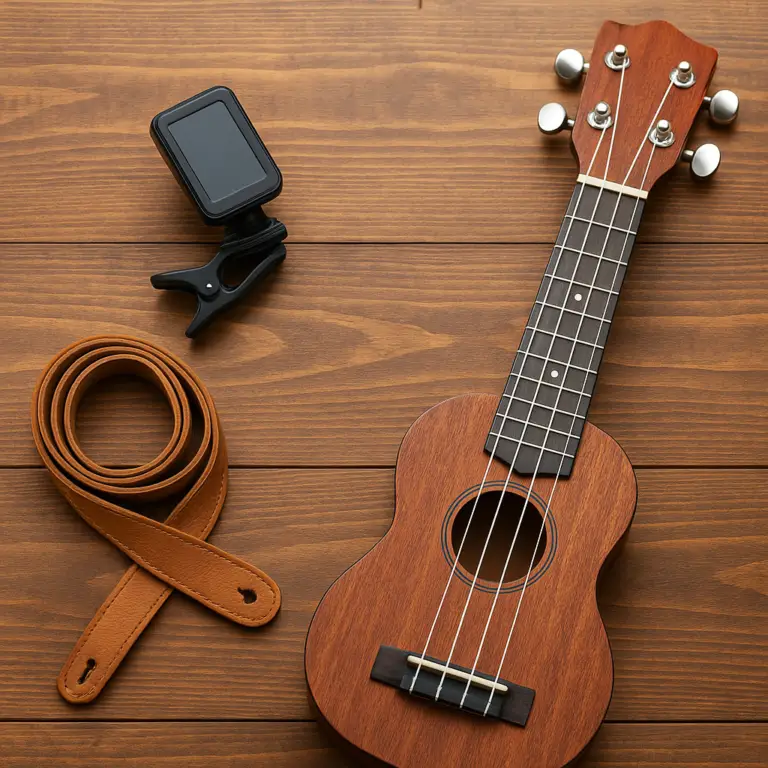
- Headstock – four tuners, either friction or geared.
- Nut – usually 1-3/8″ wide (narrower = faster chording).
- Neck – 12–19 frets depending on scale.
- Body – hollow, often mahogany, koa, or laminate sapele.
- Sound hole – traditionally adorned with a rosette; some ukes sport tattoo-style laser etchings.
- Bridge – tie-bar or through-string design.
Four Main Sizes & Their Personalities
| Size | Scale Length | Tuning | Tonal Vibe | Best For |
|---|---|---|---|---|
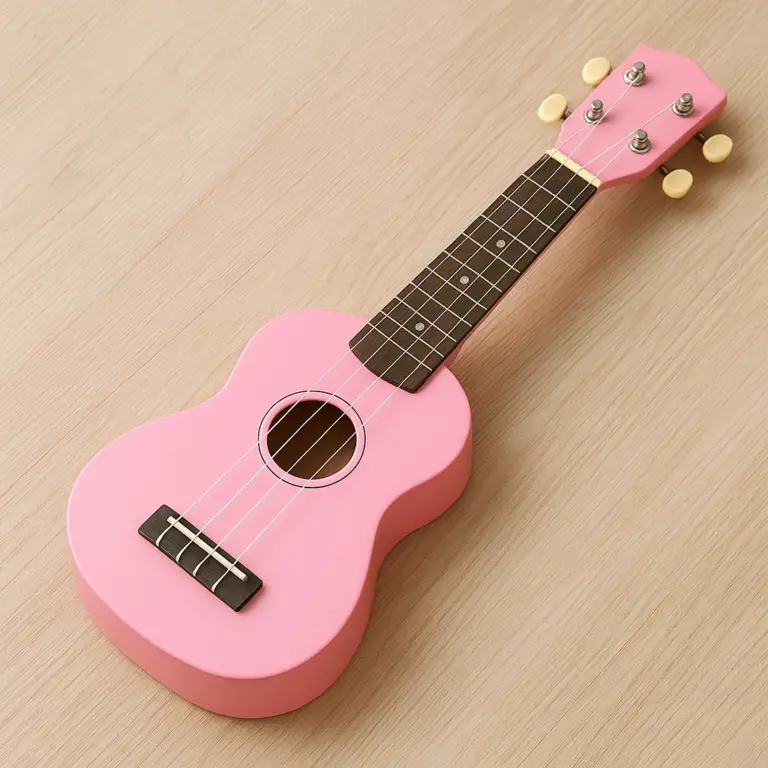
| Soprano | ~13–14″ | G-C-E-A | Classic plinky sparkle | Kids, travel, Tiny Tim covers |
| Concert | ~15–16″ | G-C-E-A | Warmer, more sustain | Beginners with bigger hands |
| Tenor | ~17–18″ | G-C-E-A (or low-G) | Punchy, roomy | Fingerstyle, live gigs |
| Baritone | ~19–21″ | D-G-B-E | Guitar-like depth | Guitar converts, bluesy strums |
Sound Profile
Because of its re-entrant tuning (the top G is higher than the middle C), the uke produces a cheerful, bouncy timbre that sits between a harp and a music box. Fluorocarbon strings add chime; low-G (wound) widens the bass for a mini-guitar feel.
🔗 Curious about brands? Browse our curated ukulele page for reviews of Kala, Enya, Flight, and Pono.
🎸 What Makes a Guitar Tick? Types, Anatomy, and Tonal Characteristics
Anatomy Quick-Fire
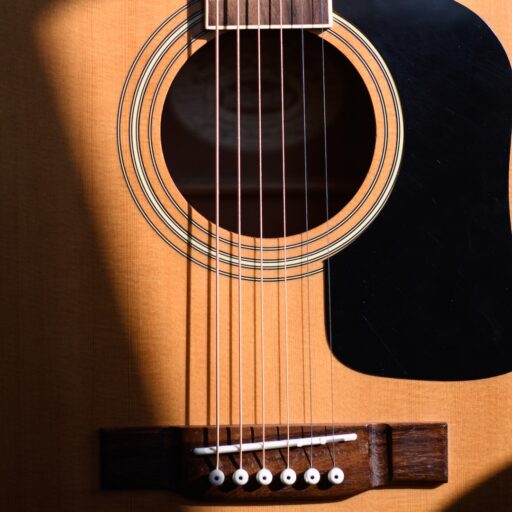
- Headstock – six tuners (or 12 for that jangly sound).
- Nut – 1-11/16″ to 2″ on classical.
- Neck – 21–24 frets.
- Body – dreadnought, concert, jumbo, or cutaway for upper-fret heroics.
- Soundboard – usually spruce or cedar for acoustics; maple for bright electrics.
- Pickups – single-coil = twang; humbucker = thick.
Guitar Family Tree
| Type | String Material | Typical Use | Signature Sound |
|---|---|---|---|
| Classical | Nylon | Flamenco, fingerstyle | Warm, mellow |
| Acoustic Steel-String | Phosphor bronze | Folk, country, pop | Bright, punchy |
| Electric Solid-Body | Nickel-plated | Rock, blues, metal | Infinite sustain, pedal-friendly |
| Hollow/Jazz Box | Flat-wound | Jazz, lo-fi hip-hop | Warm, feedback-prone |
| Baritone Guitar | Steel, long scale | Surf, metal drop-tuning | Deep, piano-like |
Tonal Characteristics
Guitars boast a wider frequency spectrum (82 Hz low-E up to ~4 kHz shimmer). The larger resonating chamber and steel-string tension yield longer sustain and richer harmonics—perfect for everything from Delta blues bends to shimmering delay-soaked soundscapes.
🔍 Ukulele vs Guitar: 7 Key Differences You Need to Know
| # | Feature | Ukulele | Guitar |
|---|---|---|---|
| 1 | String Count | 4 | 6 |
| 2 | Standard Tuning | G-C-E-A (re-entrant) | E-A-D-G-B-E (linear) |
| 3 | Average Weight | ~1 lb | ~4–5 lbs |
| 4 | Nut Width | 1-3/8″ | 1-11/16″+ |
| 5 | Learning Curve | ✅ Soft nylon, fewer strings | ❌ Steel strings, wider neck |
| 6 | Price Entry Point | ~$50 for decent laminate | ~$150 for playable acoustic |
| 7 | Repertoire Stereotype | “Somewhere Over the Rainbow” | “Stairway to Heaven” 😜 |
Quick Reality Check
As Uke Like the Pros notes: “They have different tones, different numbers of strings, different types of strings, and are tuned to different notes.”* Translation: same family picnic, different flavor of pie.
🎼 Playing Ease Showdown: How Hard Is It to Learn Ukulele Compared to Guitar?
Finger-Friendly Factor
- Nylon/fluorocarbon strings = less fingertip agony.
- Narrower neck = shorter stretches for tiny hands.
- Four strings = basic major chords need only one or two fingers (C = 1 finger, Am = 1 finger).
Time-to-Song Metric
Most beginners strum a recognizable tune within 30 minutes on a uke. On guitar, calluses and coordination usually take a week or two before your family stops leaving the room.
Progression Plateaus
- Ukulele: easy to start, tricky to master complex fingerstyle (Jake Shimabukuro level).
- Guitar: steeper start, but barre chords unlock the entire fretboard by movable shapes.
Verdict
If you crave instant gratification, pick up a concert uke. If you want long-term fretboard real estate, invest in a steel-string acoustic.
🎸🎶 Cross-Playing Magic: Can Guitarists Master the Ukulele and Vice Versa?
Guitar → Ukulele
Pros: chord theory transfers 1-to-1 (C major shape = C major sound).
Cons: the missing two strings can feel like losing your Wi-Fi halfway through Netflix.
Hack: start on a baritone ukulele (tuned D-G-B-E) to keep your shapes.
Time to adapt: about one weekend to sound competent, one month to wow strangers at campfires.
Ukulele → Guitar
Pros: you already understand strumming patterns and chord families.
Cons: F-chord barre will humble you; steel strings will punish you.
Hack: use extra-light phosphor-bronze strings (.010–.047) and lower the action via a set-up.
Time to adapt: 2–4 weeks for basic open chords, 3–6 months for barre fluency.
Personal Anecdote
We tossed a soprano uke to our metal-head guitarist, Alex. Within 20 minutes he was plucking “Nothing Else Matters” in a fingerstyle arrangement—proof that musicality is transferable, ego maybe not so much. 😄
🎤 Popular Music Styles and Genres: Where Do Ukuleles and Guitars Shine?
Ukulele Sweet Spots
- Island pop (Jason Mraz “I’m Yours”)
- Novelty jazz (1920s Tin Pan Alley)
- Loop-based indie (Tessa Violet, mxmtoon)
- Classical re-imaginations (Jake Shimabukuro’s “Bohemian Rhapsody”)
Guitar Dominance Zones
- Rock anthems (Led Zep, AC/DC)
- Country chicken-pickin’ (Brad Paisley)
- Blues bends (Stevie Ray Vaughan)
- Djent prog-metal (Periphery)
- Spanish classical (Tarrega, Rodrigo)
Cross-Over Zones
- Singer-songwriter ballads (Ed Sheeran uses both)
- Lo-fi hip-hop (baritone uke + lo-fi guitar samples)
- Reggae upstrokes (both instruments mimic off-beat skank)
🎵 Tuning and Strings: How Ukulele Strings Differ from Guitar Strings
Standard Tunings Side-by-Side
| Instrument | String 1 | String 2 | String 3 | String 4 | String 5 | String 6 |
|---|---|---|---|---|---|---|
| Ukulele | A4 | E4 | C4 | G4* | — | — |
| Guitar | E4 | B3 | G3 | D3 | A2 | E2 |
*Re-entrant: the G is tuned up an octave higher than you’d expect.
String Materials
- Ukulele: fluorocarbon (bright, stable), nylon, or wound-metal bass for low-G.
- Guitar: 80/20 bronze (zingy), phosphor bronze (warm), nickel-plated steel (electric).
Tension & Feel
Ukulele strings run 35–50 lbs total vs. 120–200 lbs on a guitar. Translation: ukulele feels like a handshake, guitar like arm-wrestling The Rock.
Pro Tip
Want more bass from your tenor uke? Swap the high-G for a wound low-G set—Aquila Red or Worth Browns are our go-tos.
🎸 Amplification and Effects: Using Ukuleles and Guitars on Stage and Studio
Acoustic Pickups
- Ukulele: passive piezo under-saddle (Kala, Fishman) can sound “quacky”; pair with a pre-amp to sweeten.
- Guitar: Fishman Matrix, LR Baggs Anthem, or K&K Trinity deliver hi-fi sparkle.
Electric Options
- Solid-body ukes (Risa Stick, Flight Nighthawk) accept distortion without feedback.
- Hollow-body guitars love tube breakup but squeal at high gain—solve with sound-hole plugs or noise gates.
Pedal Playgrounds
Ukes handle reverb, slap-back delay, and even auto-wah beautifully. We ran a tenor uke through a Strymon BigSky—angels cried. Guitars? Sky’s the limit—from ambient shimmer to face-melting fuzz.
🎁 Choosing Your First Instrument: Ukulele or Guitar? Pros, Cons, and Buying Tips
Decision Matrix
| Scenario | Our Verdict | Starter Suggestion |
|---|---|---|
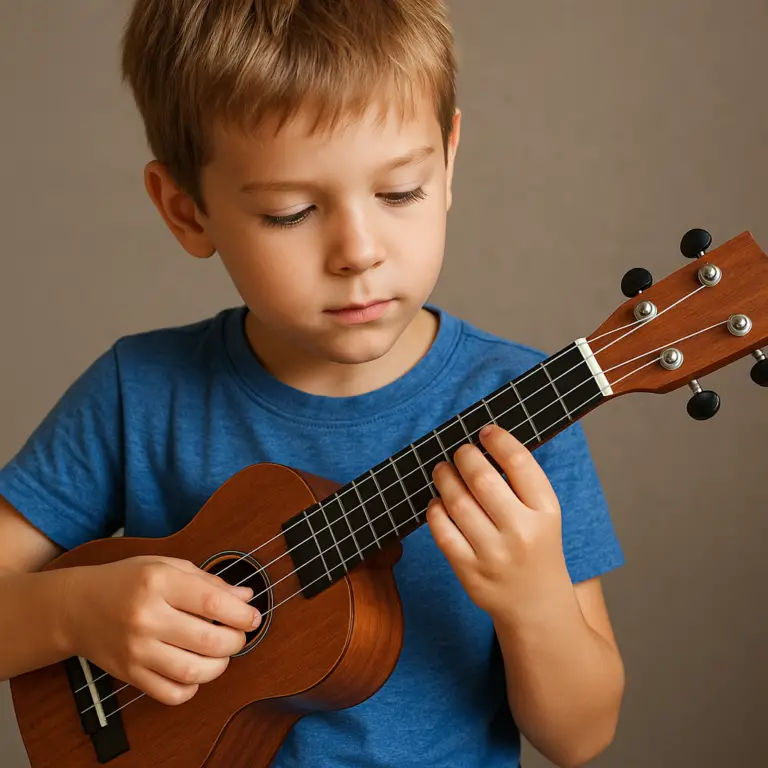
| Age 5–10, small hands | ✅ Uke | Kala KA-15S Soprano |
| Teen wants pop/rock covers | ✅ Guitar | Yamaha FG800 Acoustic |
| Apartment dweller, thin walls | ✅ Uke (quiet) | Enya Nova U Carbon |
| Wants to sing & loop Ed-Sheeran-style | ✅ Guitar | Fender CD-60SCE |
| Budget under $75 | ✅ Uke | Donner DUS-10 |
| Future shredder aspirations | ✅ Guitar | Squier Strat Pack |
Block-Level Shopping Links
- Kala KA-15S Soprano: Amazon | Sweetwater | Kala Official
- Yamaha FG800: Amazon | Guitar Center | Yamaha Official
- Enya Nova U Carbon: Amazon | Sweetwater | Enya Official
Insider Tip
Play at least three models in a store; neck feel beats spec sheets every time. And please—get a setup! Even a $50 uke can play like butter when the saddle is shaved and nut slots filed.
🎸 Maintenance and Care: Keeping Your Ukulele and Guitar in Top Shape
Humidity Sweet Spot
- Ukulele: 45–55% RH (laminate forgiving, solid wood needy).
- Guitar: same, but bigger body = bigger cracks if ignored.
Cleaning Cheat-Sheet
- Wipe strings with microfiber after every jam.
- Lemon-oil rosewood fretboards twice a year; maple boards hate lemon—use damp cloth only.
- Polish bodies with Music Nomad or Planet Waves—avoid furniture polish (silicone = evil).
String-Change Timeline
- Uke: every 3–6 months depending on fluorocarbon oxidation.
- Guitar: every 1–3 months if you play daily; coated strings (Elixir) last 3× longer.
Pro Anecdote
We left a solid-koa tenor uke in a car trunk during summer—bridge popped off like a champagne cork. Don’t be us. Buy a $15 hygrometer and a $20 sound-hole humidifier; your grandkids will thank you.
🎸🎶 Ukulele and Guitar Myths Debunked: Separating Fact from Fiction
Myth 1: “Ukulele is just a toy guitar.”
Reality: Tell that to Jake Shimabukuro who sells out symphony halls.
Myth 2: “Guitars are always louder.”
Reality: A spruce-top baritone uke can out-bark a parlor guitar in a blindfold test.
Myth 3: “You need long fingers to play guitar.”
Reality: Prince’s “Cloud” guitar has a 24.75″ scale; Ed Sheeran’s signature Martin is ¾ size. Options, people!
Myth 4: “Nylon strings never go out of tune.”
Reality: They stretch like yoga pants for the first week—retune every 10 minutes.
Myth 5: “Electric ukuleles sound terrible.”
Reality: Risa Stick through a Fender Blues Junior = velvety jazz tone that fools audiences.
🎸🎶 Guitar vs Ukulele – FAQs: Your Burning Questions Answered

Q: Which is better for kids under 8?
A: Soprano ukulele—lightweight, soft strings, quick wins.
Q: Can I tune a ukulele like a guitar?
A: Only baritone uke (D-G-B-E) matches the top four guitar strings.
Q: Will ukulele skills help me learn mandolin?
A: Partially—tuning is 5ths on mandolin, so chord shapes differ, but left-hand dexterity transfers.
Q: Do I need picks?
A: Uke = fingers or felt pick; guitar = plastic, thumb, or fingerstyle—your tone, your rules.
Q: Which records feature both instruments?
A: Check out “Riptide” by Vance Joy (uke rhythm) and “Hey, Soul Sister” by Train—guitar layers under uke.
Q: Is a $1 000 ukulele worth it?
A: Solid wood, hand-built ukes (Pono, Kanileʻa) open up like fine violins—invest if you gig or record.
Q: How do I record directly into my laptop?
A: Uke: plug a Flight Centurion (active pickup) via USB audio interface. Guitar: DI electric or mic an amp with Shure SM57.
Still hungry for more? Jump to our Guitar Buying Guide for deeper dives, or explore the Acoustic Guitars category to compare tonewoods.
🏁 Conclusion: Which Instrument Strums Your Heartstrings?

After our deep dive into the world of ukuleles and guitars, it’s clear that both instruments have their own unique charm and challenges. The ukulele, with its compact size, cheerful tone, and beginner-friendly playability, is perfect for those seeking quick wins, portability, and a bright, island-inspired vibe. Meanwhile, the guitar offers a broader tonal palette, richer dynamics, and versatility across countless genres, making it the go-to for players aiming for long-term mastery and sonic depth.
If you’re a complete beginner or want a fun travel companion, the ukulele wins hands down—especially models like the Kala KA-15S or Enya Nova U Carbon that balance affordability with quality. For those who dream of shredding, fingerpicking, or singing ballads with full-bodied resonance, a Yamaha FG800 or Fender CD-60SCE acoustic guitar will serve you well.
Remember our earlier question: Can guitarists easily pick up the ukulele and vice versa? The answer is a confident yes, but expect a brief adjustment period due to differences in tuning, string count, and chord shapes. The baritone ukulele acts as a fantastic bridge between the two worlds, tuned like the top four guitar strings, easing the transition.
In short: choose the instrument that inspires you to play daily. Whether it’s the ukulele’s sunny bounce or the guitar’s rich storytelling voice, your musical journey awaits. 🎶
🔗 Recommended Links for Ukulele and Guitar Enthusiasts
Shopping Links for Featured Instruments
-
Kala KA-15S Soprano Ukulele:
Amazon | Sweetwater | Kala Official Website -
Enya Nova U Carbon Fiber Ukulele:
Amazon | Sweetwater | Enya Official Website -
Yamaha FG800 Acoustic Guitar:
Amazon | Guitar Center | Yamaha Official Website -
Fender CD-60SCE Acoustic-Electric Guitar:
Amazon | Sweetwater | Fender Official Website
Recommended Books for Further Learning
-
“Ukulele For Dummies” by Alistair Wood
Amazon Link -
“Guitar For Dummies” by Mark Phillips and Jon Chappell
Amazon Link -
“The Ukulele Handbook” by Gavin Pretor-Pinney and Tom Hodgkinson
Amazon Link
❓ Frequently Asked Questions (FAQ)

What are the common materials used to make ukuleles and guitars?
Ukuleles are often crafted from koa wood (native to Hawaii), mahogany, sapele, or laminate woods for budget models. Koa gives a bright, sweet tone with a beautiful grain, while mahogany offers warmth and midrange punch. Guitars use a wider variety of tonewoods: spruce and cedar for tops (bright and warm respectively), mahogany or rosewood for backs and sides, and maple for brighter electric guitars. Laminate woods are common in entry-level instruments for durability and cost savings.
How do the playing techniques differ between ukulele and guitar?
While both instruments use fretting and strumming, ukulele players often rely on simpler chord shapes due to fewer strings and smaller necks. The ukulele’s re-entrant tuning means strumming patterns produce a distinctive bounce. Guitar techniques include barre chords, fingerpicking, bending, and slide playing, which require more finger strength and dexterity. Ukulele fingerstyle is growing but generally less complex than guitar fingerpicking.
What types of music are best suited for the ukulele compared to the guitar?
Ukuleles shine in Hawaiian music, folk-pop, indie, and light jazz. Their bright, percussive tone suits upbeat, rhythmic styles. Guitars cover a vast spectrum: rock, blues, classical, metal, country, and more. The guitar’s dynamic range and tonal versatility make it the backbone of modern music genres.
Can beginners learn to play the ukulele faster than the guitar?
✅ Yes! Due to its smaller size, fewer strings, and softer nylon strings, beginners often find the ukulele easier and faster to pick up. Many can play simple songs within a day. Guitar learning curves are steeper because of string tension, wider necks, and more complex chord shapes.
What are the typical string tunings for a ukulele versus a guitar?
- Ukulele (soprano, concert, tenor): G4 – C4 – E4 – A4 (re-entrant tuning, with the G string pitched higher than the C).
- Baritone ukulele: D3 – G3 – B3 – E4 (same as the top four guitar strings).
- Guitar: E2 – A2 – D3 – G3 – B3 – E4 (standard tuning from low to high).
What are the main differences between a ukulele and a guitar in terms of sound?
Ukuleles produce a bright, light, and cheerful tone with quick decay, thanks to their small body and nylon strings. Guitars offer a richer, fuller, and more resonant sound with longer sustain, due to larger bodies and steel strings. The guitar’s sound is more versatile across genres, while the ukulele’s tone is distinctively “island” and playful.
Can I use a guitar amp to amplify my ukulele, or do I need a specialized amplifier?
You can use a guitar amplifier for an electric or acoustic-electric ukulele, but be mindful that guitar amps are designed for a wider frequency range and higher output. Ukuleles sound best through acoustic amps or PA systems with acoustic modeling to preserve their natural tone. Some players use small practice amps or portable PA systems for better clarity.
How does the sound quality of a ukulele differ from that of a guitar?
Ukuleles have a smaller soundboard and cavity, resulting in a more focused, midrange-heavy sound with less bass. Guitars have larger resonating chambers that produce deeper bass and more harmonic complexity. The nylon strings on ukuleles give a softer attack, while steel guitar strings provide brightness and sustain.
Are ukuleles easier to learn than guitars for beginners?
Generally, yes. The ukulele’s smaller size, fewer strings, and simpler chord shapes make it more accessible for beginners, especially children or players with smaller hands. However, mastery of either instrument requires practice and dedication.
What are the typical sizes of ukuleles, and how do they compare to guitar sizes?
Ukuleles come in four main sizes:
- Soprano (~21″) – smallest, traditional sound.
- Concert (~23″) – slightly larger, more volume.
- Tenor (~26″) – bigger fretboard, fuller tone.
- Baritone (~30″) – largest, tuned like guitar’s top four strings.
Guitars range from parlor (~36″) to dreadnought (~40″) and larger, making them significantly bigger and heavier than ukuleles.
Can I use guitar chords to play the ukulele, or are they different?
While the theory behind chords is the same, the shapes and fingerings differ due to the ukulele’s four strings and different tuning. For example, a guitar C major chord shape does not translate directly to the ukulele’s C major shape. However, understanding chord construction helps you learn ukulele chords faster.
How many strings does a standard ukulele have compared to a guitar?
- Ukulele: 4 strings (usually nylon or fluorocarbon).
- Guitar: 6 strings (steel or nylon, depending on type).
What are the main differences in tuning between a ukulele and a guitar?
The ukulele’s standard tuning (G-C-E-A) is re-entrant, meaning the fourth string (G) is tuned higher than the third (C), creating a unique sound. The guitar’s standard tuning (E-A-D-G-B-E) is linear, with strings tuned from low to high pitch in order.
📚 Reference Links and Sources
- Kala Brand Official Website
- Enya Musical Official Website
- Yamaha Guitars Official Website
- Fender Official Website
- Uke Like the Pros: Differences Between Guitars and Ukuleles
- Forbes Music: The Differences Between Guitar and Ukulele
- Facebook Tenor Guitars Group Post: What’s the difference between a baritone ukulele and a tenor guitar?
- Sweetwater: Acoustic Guitar Buying Guide
- Guitar Brands Showcase
- Guitar Buying Guide
- Acoustic Guitars Category