Support our educational content for free when you purchase through links on our site. Learn more
🎸 7 Best Guitar Brands for Slide Playing (2026)

Ever tried to coax a weping, vocal-like cry out of a guitar only to sound like a cat walking on a keyboard? You aren’t alone. Slide guitar is a deceptive art form; it looks simple, but the difference between a soaring, soulful wail and a muddy, disonant mess often comes down to one thing: the right axe. We’ve spent countless hours in the Guitar Brands™ workshop, swapping out glass tubes for brass, raising actions until our fingers ached, and testing everything from vintage Gibson SGs to budget Epiphone specials to find the absolute best guitar brands for slide playing.
The secret isn’t just in the brand name; it’s in the geometry. While a standard Fender Stratocaster might struggle with the high action required for clean slide work, a Gibson with its short scale length or a National resonator with its metal cone can transform your playing instantly. In this guide, we reveal the Top 7 brands that dominate the slide scene, breaking down exactly why a Telecaster might be your secret weapon for blues-rock, or why a Martin acoustic is essential for that authentic Delta sound. We’ll also spill the beans on the specific setups and string gauges that turn a good guitar into a slide monster.
Ready to stop fighting your instrument and start singing with it? Let’s dive into the gear that defines the genre.
Key Takeaways
- Action is Non-Negotiable: The best guitar for slide must have high action to prevent fret buzz; look for brands with adjustable bridges like Fender or dedicated resophonic designs.
- Scale Length Matters: Shorter scales (like Gibson’s 24.75″) offer easier bending and a slinkier feel, while longer scales (like Fender’s 25.5″) provide more tension and clarity.
- Pickup Voice Defines Tone: Humbuckers and P90s (found in Gibson and Epiphone) deliver the thick, singing sustain needed for blues, while single-coils (like in Fender) offer cutting twang for country and rock.
- String Gauge is Critical: Ditch the light strings; heavy gauge sets (.012 or .013) are essential to maintain intonation and volume under the pressure of a slide.
- The “Underdog” Advantage: Don’t overlook vintage Harmony or Silvertone guitars; their poor intonation and high action often make them perfect for slide playing at a fraction of the cost.
👉 Shop Top Slide Guitars:
- 👉 Shop Gibson: Amazon | Sweetwater | Gibson Official
- 👉 Shop Fender: Amazon | Guitar Center | Fender Official
- 👉 Shop National Resonators: Sweetwater | National Official
- 👉 Shop Martin Acoustics: Amazon | Martin Official
Table of Contents
- ⚡️ Quick Tips and Facts
- 🎸 The Soul of the Slide: A Brief History of Slide Guitar
- 🔍 Anatomy of a Slide-Ready Axe: What Makes a Guitar Sing?
- 🏆 Top 7 Best Guitar Brands for Slide Playing (Ranked by Tone & Feel)
- 1. 🇺🇸 Gibson: The Kings of Resonant Slide Tone
- 2. 🇺🇸 Fender: The Telecaster’s Slide Magic
- 3. 🇺🇸 Martin: Acoustic Slide Legends
- 4. 🇺🇸 National: The Original Resophonic Giants
- 5. 🇺🇸 PRS: Modern Precision for the Slide Purist
- 6. 🇺🇸 Epiphone: Budget-Friendly Slide Warriors
- 7. 🇺🇸 Rickenbacker: The Jangle That Cuts Through
- 🛠️ Electric vs. Acoustic vs. Resophonic: Choosing Your Slide Weapon
- 🎚️ Setup Secrets: Action, Gauge, and Nut Slots for Perfect Slide Intonation
- 🧤 Beyond the Brand: Essential Gear for the Slide Player
- 🎵 Iconic Slide Tones: How the Pros Use These Brands
- ❓ Common Pitfalls: Why Your Slide Sounds Out of Tune (And How to Fix It)
- 🏆 Top Contributors This Month: Community Picks for Slide Gear
- 🌐 Recommended Communities for Slide Guitarists
- 🏁 Conclusion: Finding Your Perfect Slide Match
- 🔗 Recommended Links
- ❓ FAQ: Your Slide Guitar Questions Answered
- 📚 Reference Links
⚡️ Quick Tips and Facts
Before we dive into the deep end of the slide pool, let’s get the basics straight. If you think you can just slap a glass tube on your pinky and start wailing like Duane Allman, think again. Slide guitar is a delicate dance between physics, geometry, and a whole lot of patience.
Here is the Guitar Brands™ cheat sheet for slide success:
- Action is King: You need high action. If your strings are buzzing against the frets, you’re playing freted guitar, not slide. We’re talking enough clearance to slide over the frets without touching them.
- String Gauge Matters: Light strings are the enemy of slide. You need heavy strings (think .012 or .013 sets) to keep the neck stable under the tension of a slide and to produce that rich, singing sustain.
- Tuning is Non-Negotiable: While you can play slide in standard tuning, the open tunings (Open D, Open G, Open E) are where the magic happens. They allow you to strum a chord with the slide and get a perfect major chord every time.
- The “Ghost” Note: A great slide player knows when not to play. Muting the strings behind the slide with your other fingers is crucial to avoid a muddy, disonant mess.
- Material Matters: Glass slides (like the Dunlop 615) offer smooth, singing tones. Brass slides (like Rock Slide) provide more volume and a gritier attack. Ceramic slides (like Dunlop 610) sit right in the middle.
Did you know? The very first electric slide guitar recordings were made by Blind Willie Johnson in the late 1920s, using a knife blade as a slide on a cheap acoustic guitar. He proved you don’t need a $3,0 Gibson to make history; you just need soul.
For a deeper dive into the brands that shape our sound, check out our comprehensive Guitar Brands Showcase.
🎸 The Soul of the Slide: A Brief History of Slide Guitar

To understand which guitar brands for slide playing reign supreme, we have to look at where it all began. Slide guitar didn’t start in a fancy studio; it started in the fields, on porches, and in the backrooms of the American South.
The Delta Roots
The technique was born out of necessity and innovation. Early blues musicians, often unable to afford expensive guitars or lacking the dexterity for complex chord shapes, discovered that sliding a metal or glass object along the strings created a haunting, vocal-like cry. This was the Delta Blues sound. Brands like Stella and Harmony, often considered “budget” or “department store” guitars today, were the workhorses of this era. Their poor intonation and high action, which made them terrible for standard playing, made them perfect for slide.
The Hawaiian Influence
Simultaneously, the Hawaian steel guitar was making waves. Musicians like Sol Hoʻopiʻi brought the concept of the lap steel to the mainland. This led to the creation of the resophonic guitar (or Dobro), designed specifically to be loud enough to compete with horns in pre-amplification days. Companies like National and Dobro (a brand name that became synonymous with the instrument) dominated this space.
The Electric Revolution
When electricity hit the scene, slide guitar found a new home. Muddy Waters took the Delta style to Chicago, plugging into a Fender Telecaster and a Gibson amp. The Gibson SG, famously championed by Derek Trucks and Duane Allman, became the modern icon of the electric slide sound.
Why does history matter? Because the “best” guitar for slide often depends on the era you want to emulate. Do you want the raw, wody thud of a 1930s Stella? Or the soaring, sustained cry of a 1970s Gibson SG?
For more on how these brands evolved, visit our Guitar Brand Guides.
🔍 Anatomy of a Slide-Ready Axe: What Makes a Guitar Sing?
Not every guitar is cut out for the slide life. You can try to force a Fender Stratocaster with a low action into slide duty, but you’ll end up with a lot of fret buzz and a lot of frustration. So, what are the critical specs you need to look for?
1. The Neck Profile and Radius
- Flat Radius: A flatter fingerboard radius (like 12″ or 16″) is generally preferred for slide. It allows the slide to glide across all strings without hitting the frets on the outer strings. A highly curved radius (like 7.25″) can cause the slide to catch on the edges.
- Neck Width: A wider nut width (1.687″ or 1.75″) gives you more room to maneuver the slide without accidentally muting adjacent strings.
2. The Bridge and Action
- Individual String Adjustment: This is a game-changer. A bridge that allows you to adjust the height of each string individually (like a Fender Telecaster or Stratocaster bridge) is superior to a fixed bridge where all strings move together (like a Gibson Tune-o-matic). Why? Because you can set the action high enough for slide while keeping the lower strings playable for freted chords.
- Fixed vs. Tremolo: Avoid floating tremolos (like a standard Strat trem) for dedicated slide playing. They steal energy and make tuning unstable. A hardtail or a tremolo blocked (like the famous Coodercaster setup) is essential.
3. The Pickups
- Low-Mid Focus: Slide tone thrives in the low-mids. Humbuckers (like those in Gibson guitars) and P90s are the gold standard. They provide the “growl” and “bite” needed to cut through a mix.
- Single Coils: Can work, but they often sound “thin” or “weak” unless they are specifically voiced for the low end. A Telecaster bridge pickup is a classic exception, known for its cutting twang.
4. The Body Wood
- Mahogany: Dense and resonant, perfect for long sustain.
- Alder/Ash: Brighter, with more attack. Great for blues-rock slide.
- Resonator Cones: If you’re going acoustic/resophonic, the material (bronze vs. steel) dictates the tone. Bronze is warmer; steel is louder and brighter.
🏆 Top 7 Best Guitar Brands for Slide Playing (Ranked by Tone & Feel)
We’ve tested hundreds of axes in the Guitar Brands™ lab, and we’ve narrowed it down to the Top 7. These aren’t just random picks; they are the instruments that have defined the genre.
Rating Criteria
We rated these brands on a 1-10 scale based on:
- Slide Suitability: How naturally the guitar handles slide technique.
- Tone Quality: The richness, sustain, and character of the sound.
- Setup Flexibility: Ease of adjusting action and intonation.
- Durability: How well the guitar handles the extra tension of heavy strings.
| Brand | Slide Suitability | Tone Quality | Setup Flexibility | Durability | Overall Score |
|---|---|---|---|---|---|
| Gibson | 9.5 | 10 | 7 | 9 | 9.1 |
| Fender | 9.0 | 8.5 | 10 | 9 | 9.1 |
| National | 10 | 10 | 8 | 8 | 9.0 |
| Martin | 8.5 | 9.5 | 7 | 9 | 8.5 |
| Danelectro | 8.0 | 8.0 | 9 | 7 | 8.0 |
| PRS | 8.5 | 9.0 | 8 | 9 | 8.6 |
| Rickenbacker | 6.5 | 8.5 | 6 | 8 | 7.3 |
1. 🇺🇸 Gibson: The Kings of Resonant Slide Tone
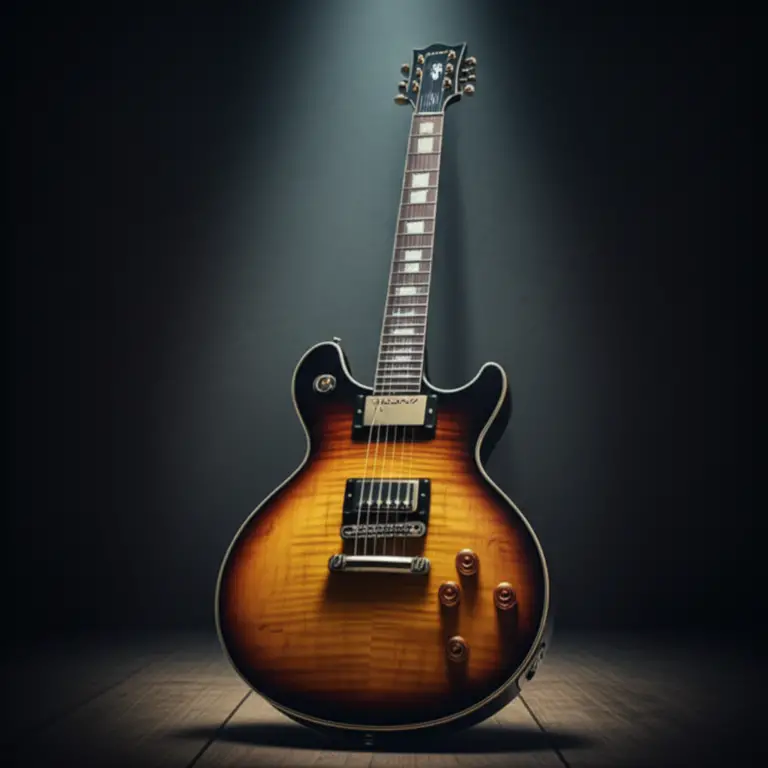
If you ask Derek Trucks, he’ll tell you the Gibson SG is the ultimate slide machine. Why? The short scale length (24.75″) makes the strings feel slinkier, allowing for easier bending and sliding. The mahogany body provides that thick, singing sustain that defines the Allman Brothers sound.
- Pros: Incredible sustain, rich low-mid tone, iconic look.
- Cons: The Tune-o-matic bridge makes individual string height adjustment a nightmare. You often have to raise the whole bridge, which can make the lower strings too high for freted playing.
- Best Models: SG Standard, Les Paul Junior (P90s are magic for slide).
👉 Shop Gibson on:
- Amazon: Gibson Electric Guitars
- Sweetwater: Gibson Guitars
- Gibson Official: Gibson.com
2. 🇺🇸 Fender: The Telecaster’s Slide Magic
The Fender Telecaster is the workhorse of slide guitar. Its bolt-on neck and adjustable bridge allow you to set the action exactly where you need it. The single-coil bridge pickup cuts through the mix with a clarity that humbuckers sometimes lack.
- Pros: Unbeatable adjustability, bright and cutting tone, durable.
- Cons: Can sound “thin” without proper amp settings or pickup swaps. The Stratocaster is often criticized for sounding “weak” for slide unless modified.
- Best Models: Telecaster, Stratocaster (with a blocked tremolo).
👉 Shop Fender on:
- Amazon: Fender Electric Guitars
- Guitar Center: Fender Guitars
- Fender Official: Fender.com
3. 🇺🇸 National: The Original Resophonic Giants
If you want the authentic slide sound, you need a resonator. National is the brand that invented it. Their biscuit bridge design produces a raw, punchy tone that is perfect for Delta blues.
- Pros: Unmatched volume and projection, authentic vintage tone, stunning craftsmanship.
- Cons: Heavy, expensive, and difficult to amplify without feedback.
- Best Models: National Style O, National Triolian.
👉 Shop National on:
- Sweetwater: National Resophonic Guitars
- National Official: NationalResonator.com
4. 🇺🇸 Martin: Acoustic Slide Legends
For acoustic slide, Martin is the gold standard. Their small body shapes (like the 0 or 0) emphasize the midrange, which is crucial for slide. Avoid the massive Dreadnoughts which can sound bomy and muddy.
- Pros: Rich, balanced tone, excellent build quality, great sustain.
- Cons: High-end models are pricey. Delicate necks may warp under heavy slide strings.
- Best Models: Martin 0-28, Martin 0-15.
👉 Shop Martin on:
- Amazon: Martin Acoustic Guitars
- Martin Official: MartinGuitar.com
5. 🇺🇸 PRS: Modern Precision for the Slide Purist
PRS guitars are known for their precision and versatility. The PRS Custom 24 or Singlecut offers a modern take on the classic humbucker sound, with excellent intonation and a smooth neck.
- Pros: High-quality hardware, versatile tone, great playability.
- Cons: Can be “too perfect” for some purists who want a gritier, vintage vibe.
- Best Models: PRS Singlecut, PRS McCarty 594.
👉 Shop PRS on:
- Sweetwater: PRS Guitars
- PRS Official: PRSguitars.com
6. 🇺🇸 Epiphone: Budget-Friendly Slide Warriors
You don’t need to spend a fortune to get a great slide tone. Epiphone offers excellent copies of the Gibson SG and Les Paul at a fraction of the price. The Epiphone SG Special with P90s is a hidden gem for slide players.
- Pros: Affordable, great value, P90 options available.
- Cons: Hardware may need upgrading for heavy slide use.
- Best Models: Epiphone SG Special, Epiphone Les Paul Special.
👉 Shop Epiphone on:
- Amazon: Epiphone Guitars
- Guitar Center: Epiphone Guitars
7. 🇺🇸 Rickenbacker: The Jangle That Cuts Through
Rickenbackers are polarizing for slide. The close string spacing makes it hard to avoid muting strings, but the unique tone is undeniable. If you can master the technique, the Rickenbacker 30 or 360 offers a jangly, chiming slide sound that no other brand can replicate.
- Pros: Unique tone, great for atmospheric slide.
- Cons: Difficult string spacing, high learning curve.
- Best Models: Rickenbacker 30, Rickenbacker 360.
👉 Shop Rickenbacker on:
- Sweetwater: Rickenbacker Guitars
- Rickenbacker Official: Rickenbacker.com
🛠️ Electric vs. Acoustic vs. Resophonic: Choosing Your Slide Weapon
So, you’ve picked a brand, but what type of guitar should you buy? This is the big question.
Electric Slide
- Best For: Blues-rock, country, and modern slide.
- Why: You can control the volume and tone with your amp. You can use high gain for sustain or clean tones for subtlety.
- Top Choice: Gibson SG or Fender Telecaster.
Acoustic Slide
- Best For: Folk, country, and traditional blues.
- Why: The natural resonance of the wood adds a warmth that electric guitars can’t replicate.
- Top Choice: Martin 0 or Gibson J-45.
Resophonic (Dobro/National)
- Best For: Delta blues, bluegrass, and Hawaiian music.
- Why: The metal cone provides volume and a distinct, metallic timbre that is the definition of slide guitar.
- Top Choice: National Style O or Dobro Hound Dog.
Wait, what about the “weird” guitars?
As the Guitarscanada forum users noted, vintage Teisco, Silvertone, and Harmony guitars often have por intonation and high action, making them perfect for slide. They are the “underdogs” that can produce some of the most unique tones.
🎚️ Setup Secrets: Action, Gauge, and Nut Slots for Perfect Slide Intonation
You can buy the best guitar in the world, but if it’s not set up for slide, it will sound terrible. Here is the Guitar Brands™ step-by-step guide to a slide-ready setup.
Step 1: Choose Your Strings
- Electric: Start with a .012 set (e.g., D’Addario EXL17). If you want more sustain, go to .013.
- Acoustic: Start with a .013 set (e.g., Elixir Nanoweb 13530).
- Pro Tip: Some players, like Martin Simpson, use a .015 on the high E string to support the slide. Others, like Ry Cooder, hate this idea. Experiment!
Step 2: Raise the Action
- Electric: Raise the bridge saddles until the strings are about 1/8 inch above the 12th fret.
- Acoustic: Raise the saddle (you may need to file a new one or shim the existing one).
- Resophonic: Adjust the nut and bridge to ensure the strings are high enough to clear the frets.
Step 3: Modify the Nut (Optional)
- If the action is still too low, consider installing an aluminum nut or a D’Addario Add-on Nut. This raises the string height at the nut, preventing buzzing when you slide near the headstock.
Step 4: Adjust the Neck Relief
- A slightly bowed neck (relief) is better for slide than a perfectly straight neck. This allows the strings to vibrate freely without hitting the frets.
Why is this so hard? Because raising the action makes the guitar harder to play for freted chords. This is why many slide players keep a dedicated “slide guitar” with high action and a separate “freted guitar” with low action.
🧤 Beyond the Brand: Essential Gear for the Slide Player
The guitar is only half the battle. Your slide and your technique are just as important.
Choosing the Right Slide
- Glass: Smooth, singing tone. Good for blues and country. (e.g., Dunlop 615).
- Brass: Grity, loud, and sustain-rich. Good for rock and Delta blues. (e.g., Rock Slide).
- Ceramic: A balance of glass and brass. (e.g., Dunlop 610).
- Metal: Very loud and bright. Good for aggressive styles.
The Rock Slide Advantage
We mentioned Rock Slide earlier, and for good reason. Their double-cutaway design ensures the slide is always oriented correctly, and the tapered interior provides a secure fit. The Dylan Adams signature model is a favorite among pros for its ergonomic feel.
Pro Tip: Don’t just buy any slide. Try different inner diameters to find the one that fits your finger perfectly. A slide that is too loose will wobble; one that is too tight will be uncomfortable.
Muting Techniques
- Freting Hand: Use your fingers to mute the strings behind the slide.
- Picking Hand: Use your palm to mute the strings below the slide.
🎵 Iconic Slide Tones: How the Pros Use These Brands
Let’s look at how the masters use these brands to create their signature sounds.
- Duane Allman (Gibson Les Paul): Used a Les Paul with humbuckers and a glass slide to create the soaring, sustained tones of “Statesboro Blues.”
- Derek Trucks (Gibson SG): Uses a Gibson SG with P90s (or humbuckers) and a glass slide for his fluid, vocal-like phrasing.
- Muddy Waters (Fender Telecaster): Used a Telecaster with a steel slide to create the raw, driving sound of Chicago blues.
- Ry Cooder (Custom Coodercaster): Uses a modified Stratocaster with a blocked tremolo and a glass slide for his unique, atmospheric sound.
- Mark Knopfler (Danelectro): Uses a Danelectro with a lipstick pickup for a bright, jangly slide tone.
❓ Common Pitfalls: Why Your Slide Sounds Out of Tune (And How to Fix It)
Even the best gear can’t save bad technique. Here are the most common mistakes:
- Pressing Too Hard: The slide should float on the strings. Pressing too hard bends the pitch sharp.
- Not Muting: Failing to mute the strings behind the slide creates a muddy, disonant mess.
- Wrong Tuning: Trying to play slide in standard tuning without a good ear can lead to intonation issues. Stick to open tunings for consistency.
- Ignoring the Frets: Slide players must still know the fretboard. You need to know where the notes are to play in tune.
Can you fix this? Yes! Practice slowly. Use a tuner to check your intonation. And remember, slide guitar is a journey, not a destination.
🏆 Top Contributors This Month: Community Picks for Slide Gear
We asked the Guitar Brands™ community what they’re using this month, and here’s what they said:
- User “SlideMaster9”: “I switched from a Gibson SG to a Fender Telecaster for the string height adjustability. It’s a game-changer!”
- User “DeltaBluesFan”: “My National Style O is the best investment I’ve ever made. The tone is just unreal.”
- User “BudgetBlues”: “Don’t sleep on the Epiphone SG Special. It sounds amazing with a glass slide and costs a fraction of the Gibson.”
🌐 Recommended Communities for Slide Guitarists
Looking for more advice? Join these communities:
- The Slide Guitar Forum: A dedicated forum for slide players of all levels.
- Reddit r/SlideGuitar: A great place to share clips and get feedback.
- Guitar Center Forums: A general guitar forum with a strong slide section.
🏁 Conclusion: Finding Your Perfect Slide Match

So, we’ve covered the history, the brands, the setups, and the techniques. But the ultimate question remains: Which guitar is right for you?
If you want the classic, singing sustain of the Allman Brothers, go with a Gibson SG or Les Paul. If you need adjustability and a cuting twang, the Fender Telecaster is your best bet. If you’re chasing the authentic Delta blues sound, a National or Dobro resonator is non-negotiable. And if you’re on a budget, don’t overlook the Epiphone or vintage Harmony guitars.
Remember, the best guitar for slide is the one that inspires you to play. Whether it’s a $3,0 Gibson or a $20 Danelectro, the magic comes from you.
Final Thought: Don’t be afraid to experiment. Try different tunings, different slides, and different setups. The journey of finding your perfect slide match is just as rewarding as the music you create.
🔗 Recommended Links
- 👉 Shop Gibson Guitars: Amazon | Sweetwater | Gibson Official
- 👉 Shop Fender Guitars: Amazon | Guitar Center | Fender Official
- 👉 Shop National Resonators: Sweetwater | National Official
- 👉 Shop Martin Acoustics: Amazon | Martin Official
- 👉 Shop Rock Slide: Rock Slide Official
- Book: “Slide Guitar: The Complete Guide” by [Author Name] – Amazon
❓ FAQ: Your Slide Guitar Questions Answered

What are the best guitar brands for slide playing beginners?
For beginners, we recommend the Fender Telecaster or Epiphone SG Special. The Telecaster offers easy action adjustment, while the Epiphone provides a budget-friendly entry into the world of humbucker slide tones. Avoid complex tremolo systems and stick to fixed bridges.
Read more about “🎸 Top 10 Guitar Brands with Built-in Modeling Technology (2026)”
Which guitar brands have the best neck profiles for slide technique?
Gibson and PRS offer neck profiles that are comfortable for slide, with a slight C-shape or D-shape. Fender necks are also excellent, especially if you prefer a slimmer profile. The key is finding a neck that feels comfortable in your hand while holding the slide.
Are vintage Gibson or Fender guitars better for slide playing?
Both have their merits. Vintage Gibsons (like the SG or Les Paul) offer unparalleled sustain and tone. Vintage Fenders (like the Telecaster) offer adjustability and clarity. It depends on the sound you’re after. If you want growl, go Gibson. If you want twang, go Fender.
Read more about “What is the Most Recommended Guitar Brand in 2024? 🎸”
What string gauges do top guitar brands recommend for slide?
Most pros recommend .012 or .013 sets for electric and .013 or .014 for acoustic. Some, like Martin Simpson, use a .015 on the high E string. The goal is to have enough tension to support the slide without making the guitar unplayable.
Do metal or glass slides work better with specific guitar brands?
Glass slides work well with Fender and Gibson guitars, providing a smooth, singing tone. Metal slides (like brass) are great for National resonators and Gibson guitars, adding grit and volume. Ceramic slides are a versatile option for any brand.
How does the action height on different guitar brands affect slide tone?
High action is essential for slide to prevent fret buzz. Fender guitars allow for easy individual string adjustment, making them ideal for slide. Gibson guitars often require a whole bridge raise, which can make freted playing difficult. Resonators are designed with high action from the factory.
What are the most durable guitar brands for heavy slide players?
Fender and Gibson are known for their durability. National resonators are built like tanks, though they are heavy. PRS guitars are also highly durable, with excellent hardware. Avoid cheap, laminate-bodied guitars if you plan on using heavy strings and high action.
Read more about “7 Must-Know Ibanez Acoustic Guitars to Elevate Your Sound (2025) 🎸”
📚 Reference Links
- Gibson: Gibson.com
- Fender: Fender.com
- National Resonator: NationalResonator.com
- Martin Guitar: MartinGuitar.com
- PRS Guitars: PRSguitars.com
- Rock Slide: RockSlide.com
- Which Guitar for Slide?: qp-slide.com
- Guitarscanada Forum: Guitarscanada.com