Support our educational content for free when you purchase through links on our site. Learn more
The Untold Ukulele History: 14 Fascinating Facts & Stories 🎸


Did you know the ukulele’s name might mean “jumping flea” because of the lightning-fast fingers of a 19th-century English officer? Or that this tiny instrument, beloved worldwide today, actually began its journey in Portugal before becoming Hawaii’s cultural heartbeat? Welcome to the ultimate deep dive into ukulele history, where we unravel its surprising origins, royal endorsements, global rise, and the legendary players who shaped its sound.
From the craftsmanship of Portuguese immigrants to the viral YouTube performances that reignited its popularity, this article covers 14 essential chapters of the ukulele’s story. Whether you’re a curious beginner, a seasoned player, or a music history buff, you’ll discover insights, anecdotes, and expert tips that bring this cheerful instrument’s past vividly to life. Plus, stay tuned for our insider advice on choosing your first ukulele and exploring its many fascinating relatives!
Key Takeaways
- The ukulele originated from Portuguese stringed instruments brought to Hawaii by immigrants in the late 1800s, evolving into a uniquely Hawaiian symbol.
- King David Kalākaua’s royal patronage was pivotal in popularizing the ukulele across the islands and beyond.
- The instrument’s distinctive “jumping flea” name has charming, mysterious origins tied to finger technique and local legends.
- The ukulele’s global popularity surged after the 1915 Panama-Pacific Exposition and through vaudeville, jazz, and modern viral videos.
- Four main ukulele sizes (soprano, concert, tenor, baritone) offer distinct sounds and playability, catering to diverse players.
- Legendary players like Israel Kamakawiwoʻole and Jake Shimabukuro have redefined the ukulele’s musical possibilities.
- The ukulele’s history is deeply intertwined with Hawaiian culture, identity, and tradition, making it more than just an instrument.
- Modern innovations include electric and resonator ukuleles, expanding its sonic palette and appeal worldwide.
Ready to uncover the full story behind this charming instrument? Let’s strum through history!
Table of Contents
- ⚡️ Quick Tips and Fun Facts About Ukulele History
- 🌺 The Fascinating Origins and Evolution of the Ukulele
- 🎸 1. The Portuguese Roots: How the Machete Inspired the Ukulele
- 🌴 2. Arrival in Hawaii: The Birthplace of the Modern Ukulele
- 🎶 3. The Ukulele’s Rise to Global Popularity
- 🔍 4. Anatomy of the Ukulele: Materials, Construction, and Craftsmanship
- 📏 5. Ukulele Sizes and Their Unique Sound Profiles
- 🎼 6. Standard Ukulele Tunings and Playing Techniques
- 🌐 7. Ukulele’s Musical Relatives: Exploring Similar String Instruments Worldwide
- 🎧 8. Iconic Ukulele Audio Samples and Famous Performances
- 📚 9. Essential Ukulele History Books and Scholarly Resources
- 💡 10. Ukulele in Pop Culture: Movies, TV, and Viral Moments
- 🌍 11. The Ukulele’s Role in Hawaiian Culture and Traditions
- 🎤 12. Legendary Ukulele Players Who Shaped Its History
- 🛠️ 13. How to Choose Your First Ukulele: Tips from the Experts
- 📈 14. The Ukulele Market Today: Trends, Brands, and Innovations
- 🔗 Conclusion: Why the Ukulele’s History Matters to Every Player
- 🌐 Recommended Links for Ukulele Enthusiasts
- ❓ Frequently Asked Questions About Ukulele History
- 📑 Reference Links and Further Reading
⚡️ Quick Tips and Fun Facts About Ukulele History

Alright, fellow string enthusiasts and curious minds! Before we dive deep into the fascinating saga of the ukulele, let’s kick things off with some rapid-fire facts that’ll make you sound like a seasoned uke historian at your next jam session. Did you know this tiny, cheerful instrument has a history as rich and vibrant as a Hawaiian sunset? You’re about to find out!
Here at Guitar Brands™, we’ve spent countless hours strumming, researching, and falling in love with all things stringed, and the ukulele holds a special place in our hearts. It’s more than just a cute little guitar; it’s a cultural icon with a story that spans continents and centuries. For a broader look at our insights into this wonderful instrument, check out our dedicated article on the Ukulele.
- Origin Story: The ukulele isn’t Hawaiian by birth, but by adoption! It was developed in the 1880s in Hawaii but has its roots in small Portuguese stringed instruments like the machete and cavaquinho. Talk about a global journey!
- Royal Endorsement: None other than King Kalākaua himself was a huge fan, incorporating the ukulele into royal performances and cementing its place in Hawaiian culture. How cool is that? 👑
- What’s in a Name?: The Hawaiian word “ukulele” famously translates to “jumping flea.” Why? Some say it’s because of the quick finger movements of players, while others believe it was the nickname of a small, lively English officer named Edward Purvis, known for his playing. We love a good mystery! 🤔
- Global Takeover: The ukulele truly hit the big time at the Panama-Pacific International Exposition in San Francisco in 1915, catapulting it into the American mainstream and beyond.
- Modern Revival: From Tiny Tim’s “Tiptoe Through the Tulips” to Israel Kamakawiwoʻole’s iconic “Over the Rainbow” medley and Jake Shimabukuro’s viral YouTube performances, the ukulele has had several resurgences, proving its timeless appeal.
- Easy to Learn: One of its biggest draws? Its accessibility! As the American History Museum aptly puts it, “Nothing beats spending time singing the easiest song to play!” ✅ This makes it a fantastic entry point for aspiring musicians.
So, are you ready to uncover the full story behind this humble yet mighty instrument? Let’s peel back the layers of history, one strum at a time!
🌺 The Fascinating Origins and Evolution of the Ukulele
Imagine a time when the Hawaiian islands were a melting pot of cultures, and new sounds were constantly arriving on its shores. This is where our story truly begins. The ukulele, often considered the quintessential Hawaiian instrument, has a surprisingly complex and utterly fascinating origin story that stretches far beyond the sandy beaches of Honolulu. It’s a tale of migration, adaptation, and royal patronage that transformed a simple European folk instrument into a global sensation.
As an expert team at Guitar Brands™, we’ve always been captivated by how instruments evolve and cross cultural boundaries. The ukulele is a prime example of this beautiful phenomenon. It’s a testament to how music can transcend language and geography, creating something entirely new and universally beloved. But how did a small Portuguese instrument find its way to Hawaii and become such a powerful symbol of island identity? Let’s journey back to the late 19th century and uncover the roots of this musical marvel.
🎸 1. The Portuguese Roots: How the Machete Inspired the Ukulele
Our journey begins not in Hawaii, but on the sun-drenched islands of Madeira and the Azores, off the coast of Portugal. Here, a family of small, four-stringed instruments thrived, played by local musicians for centuries. These were the direct ancestors of what we now know as the ukulele.
The Arrival of the “Jumping Fleas”
In the late 19th century, a significant wave of Portuguese immigrants, primarily from Madeira, set sail for Hawaii. They were seeking new opportunities, often to work in the burgeoning sugar cane plantations. And what did they bring with them, tucked away in their luggage, alongside their hopes and dreams? Their beloved musical instruments!
According to Wikipedia, the ukulele was “developed in the 1880s in Hawaii” and was “based on small Portuguese stringed instruments: Machete, Cavaquinho, and Rajão” Wikipedia – Ukulele. The American History Museum further clarifies, stating it was derived from instruments such as the machete do braça, braguinha, rajāo, and cavaquinho American History Museum – 5 Things You Probably Didn’t Know About Ukulele.
The pivotal moment arrived in August 1879, when the SS Ravenscrag docked in Honolulu, carrying these Portuguese immigrants. Among them were three skilled cabinet makers from Madeira: Manuel Nunes, José do Espírito Santo, and Augusto Dias. These artisans weren’t just laborers; they were craftsmen who understood the intricate art of instrument making.
From Portugal to Paradise: The Key Instruments
Let’s take a closer look at the instruments that laid the groundwork for the ukulele:
- Machete (or Machete de Braga/Braguinha): This small, four-stringed instrument, often tuned D-G-B-D, is widely considered the most direct ancestor. It shares a similar size and tuning concept with the modern soprano ukulele.
- Cavaquinho: Another four-stringed instrument, popular in Portugal and Brazil, known for its bright, percussive sound. Its tuning (often D-G-B-D or G-G-B-D) also influenced early ukulele tunings.
- Rajão: This one is a bit different! A five-stringed instrument, often tuned G-C-E-A-D, it brought a wider range and a re-entrant tuning concept (where the highest string isn’t necessarily the lowest in pitch) that would later become a hallmark of the ukulele.
Our team at Guitar Brands™ finds it fascinating how these distinct instruments, each with its own character, contributed to the birth of a new one. It’s like a musical fusion cuisine! The Hawaiian Gazette, in August 1879, even reported on these “Madeira Islanders performing street concerts shortly after arrival,” describing their instrument as “a kind of cross between a guitar and a banjo” [First Video Summary]. This early observation perfectly captures the novelty and excitement these new sounds brought to the islands.
These Portuguese pioneers, with their craftsmanship and musical traditions, were unknowingly about to spark a revolution in Hawaiian music.
🌴 2. Arrival in Hawaii: The Birthplace of the Modern Ukulele
With the Portuguese immigrants and their instruments now firmly on Hawaiian soil, the stage was set for the ukulele’s true genesis. It wasn’t long before the local population, including the Hawaiian monarchy, took notice of these charming, lively instruments.
The Craftsmanship of the Pioneers
The Madeiran cabinet makers – Manuel Nunes, José do Espírito Santo, and Augusto Dias – quickly adapted their skills to their new home. They began crafting these Portuguese instruments using local Hawaiian woods, most notably the beautiful and resonant Koa wood. This was a crucial step, as the unique properties of Koa wood would become synonymous with the ukulele’s distinctive sound.
Miguel Nunes, one of the key figures, established the first ukulele workshop in Honolulu in 1880, laying the foundation for what would become a thriving industry [American History Museum – 5 Things You Probably Didn’t Know About Ukulele]. Imagine the buzz in Honolulu as these new instruments started appearing!
Royal Endorsement: King Kalākaua’s Influence
The ukulele’s trajectory changed dramatically thanks to the enthusiastic support of King David Kalākaua. A patron of the arts and a lover of music, the King was captivated by the instrument’s cheerful sound and its ability to blend seamlessly with traditional Hawaiian chants and hula.
As the embedded video above highlights, King Kalākaua “played a significant role in popularizing the ukulele in Hawaiian culture, incorporating it into royal functions and traditional music” [First Video Summary]. He even learned to play it himself! This royal endorsement was a game-changer. When the King embraces an instrument, everyone wants to play it. It quickly became a staple at royal gatherings, luaus, and social events, solidifying its place in Hawaiian society.
The “Jumping Flea” Debate: Etymology and Legend
Now, about that name: “ukulele.” It’s a compound of the Hawaiian words uku (flea) and lele (to jump). But why “jumping flea”? There are a few delightful theories:
- Quick Fingers: The most common theory suggests it refers to the rapid, “jumping” finger movements of a skilled player across the fretboard. Our lead guitarist, Mark, often jokes that his fingers look like jumping fleas when he’s shredding a solo! 🎸
- Edward Purvis: Another popular anecdote attributes the name to Edward Purvis, a small, lively English officer in King Kalākaua’s court. He was an exceptionally agile ukulele player, and his nickname, “Ukulele,” stuck to the instrument itself [Wikipedia – Ukulele].
- “Gift from Afar”: Perhaps the most poetic interpretation comes from Queen Liliʻuokalani, King Kalākaua’s sister and Hawaii’s last monarch. She interpreted “ukulele” as “the gift that came from afar,” symbolizing the instrument’s journey from Portugal to Hawaii [American History Museum – 5 Things You Probably Didn’t Know About Ukulele]. This perspective beautifully captures the cultural exchange at its heart.
While we may never know the definitive origin of the name, each theory adds a layer of charm to the ukulele’s story. What’s clear is that by the late 1800s, the ukulele was firmly established as “the national instrument of the Kingdom of Hawaiʻi,” as noted by the American History Museum. It was no longer just a Portuguese import; it was authentically Hawaiian.
🎶 3. The Ukulele’s Rise to Global Popularity
From the royal courts of Hawaii to the bustling streets of America and beyond, the ukulele’s journey to global stardom was nothing short of spectacular. It wasn’t just an instrument; it became a symbol of exotic charm, carefree living, and the burgeoning Hawaiian music craze.
The 1915 Panama-Pacific International Exposition: A Turning Point
If King Kalākaua brought the ukulele to Hawaiian prominence, the 1915 Panama-Pacific International Exposition in San Francisco introduced it to the world. This grand event was a showcase of innovation and culture, and Hawaii seized the opportunity to present its unique identity.
Hawaiian musicians, including the likes of George E. Awai and the Royal Hawaiian Quartet, performed at the exposition, captivating audiences with their melodic tunes and the enchanting sound of the ukulele. They popularized Hawaiian songs such as Henry Kailimai’s On A Beach At Waikiki, leaving an indelible mark on American popular culture [American History Museum – 5 Things You Probably Didn’t Know About Ukulele]. Our team can only imagine the awe and delight of attendees hearing those sweet, island sounds for the first time!
Vaudeville, Jazz, and Early Country: The Ukulele’s Versatility
The exposure at the Exposition sparked a massive Hawaiian music boom in the United States. The ukulele, with its portability and relatively easy learning curve, quickly became a sensation. It found its way into vaudeville acts, where performers like Roy Smeck (known as “The Wizard of the Strings”) and Cliff “Ukulele Ike” Edwards dazzled audiences with their virtuosity. Edwards, in particular, became an icon of the Jazz Age, his ukulele often accompanying his distinctive singing style.
But its reach wasn’t limited to jazz and novelty acts. The ukulele also made an appearance in early country music, with artists like Jimmie Rodgers and Ernest V. Stoneman incorporating its unique sound into their recordings [Wikipedia – Ukulele]. This really shows how adaptable the instrument is – a true chameleon!
Manufacturing Boom: Brands That Shaped the Sound
The surge in popularity led to a manufacturing boom. American companies, recognizing the demand, began mass-producing ukuleles. Brands like C. F. Martin & Company, already renowned for their guitars, quickly added ukuleles to their lineup. Other prominent manufacturers included Harmony and Regal, producing not just standard ukuleles but also variants like banjoleles and other related instruments [Wikipedia – Ukulele].
The Mid-Century Dip and the First Revival
While the ukulele enjoyed immense popularity through the 1920s and 30s, its star faded somewhat after World War II, overshadowed by the rise of the guitar and other instruments. However, the ukulele is a resilient little instrument! It saw a significant revival in the 1950s and 60s, thanks in part to figures like Arthur Godfrey and the enduring charm of artists like Tiny Tim, whose unforgettable rendition of “Tiptoe Through the Tulips” became a cultural touchstone.
The Modern Ukulele Revival: From Britain to YouTube
Fast forward to the late 20th and early 21st centuries, and the ukulele experienced another, even more profound, resurgence. This “Ukulele Revival” was fueled by several factors:
- The Ukulele Orchestra of Great Britain: Formed in 1985, this eccentric and brilliant ensemble demonstrated the ukulele’s incredible versatility, performing everything from classical pieces to rock anthems, all on ukuleles. They proved the instrument was capable of far more than just simple strumming.
- Internet and YouTube: The digital age became the ukulele’s best friend. Viral videos, especially Jake Shimabukuro’s mesmerizing cover of “While My Guitar Gently Weeps,” which garnered over 17 million views, showcased the instrument’s potential for intricate, expressive playing [Wikipedia – Ukulele]. Our team remembers watching that video for the first time – jaws on the floor! It truly opened our eyes to the ukulele’s capabilities.
- Accessibility and Education: The ukulele’s affordability, portability, and ease of learning made it a favorite in music education, often replacing recorders in classrooms [Wikipedia – Ukulele]. This accessibility, as the University of Hawaiʻi Press notes, made it “accessible to all, from professional musicians to beginners” [UH Press – The Ukulele: A History].
Today, the ukulele is more popular than ever, embraced by musicians of all ages and skill levels, proving that its cheerful spirit is truly timeless.
🔍 4. Anatomy of the Ukulele: Materials, Construction, and Craftsmanship
Ever wondered what makes a ukulele sing? It’s not just the player; it’s the intricate dance between materials, design, and the skilled hands that bring it to life. As guitar experts, we appreciate the nuances of instrument construction, and the ukulele, despite its smaller size, is no exception. Its anatomy is a testament to both tradition and innovation.
The Heartwood of the Ukulele: Materials
Traditionally, the ukulele’s soul is found in its wood. The most revered material, especially for Hawaiian-made instruments, is Hawaiian acacia, or Koa wood.
- Koa Wood: This native Hawaiian hardwood is prized for its stunning grain patterns, rich golden-brown color, and exceptional tonal qualities. Koa produces a warm, clear, and resonant sound that sweetens with age. It’s the gold standard for high-end ukuleles. Our team’s personal experience with Koa ukuleles confirms their unique warmth and sustain.
- Other Solid Hardwoods: Beyond Koa, other solid tonewoods are used, each imparting its own sonic signature.
- Mahogany: Offers a warm, mellow tone with good projection. It’s a popular choice for its balanced sound and affordability compared to Koa.
- Spruce/Cedar (for tops): Often used for the soundboard (top) of ukuleles, similar to acoustic guitars, to provide brightness and projection.
- Maple: Can offer a brighter, more articulate sound.
- Plywood and Laminate: For more accessible and budget-friendly instruments, plywood or laminate construction is common. While they may not offer the same depth of tone as solid wood, modern laminates have improved significantly, providing decent sound and excellent durability. They’re a fantastic option for beginners or those seeking a travel-friendly uke.
Body Shapes: More Than Just Aesthetics
While the classic figure-eight body shape is instantly recognizable, ukuleles come in a surprising variety of forms, each with subtle influences on sound and playability.
- Figure-Eight (Traditional): The most common shape, resembling a miniature acoustic guitar. It offers a balanced tone and comfortable playing experience.
- Pineapple: Developed by the Kamaka Hawaiʻi company, this oval-shaped body (without the waist) often produces a louder, fuller, and more resonant sound due to its larger soundboard area. It’s a favorite for its unique aesthetic and robust tone.
- Boat-Paddle: A less common, elongated shape, often associated with Tahitian ukuleles, which can produce a sharper, more percussive sound.
- Square: Primarily seen in novelty or cigar box ukuleles, these can offer a surprisingly punchy, raw tone.
Strings Attached: From Gut to Nylon
The strings are the voice of the ukulele, and their evolution is a story in itself.
- Catgut: Historically, early ukuleles used catgut strings, made from animal intestines. These produced a warm, mellow sound but were prone to breaking and sensitive to humidity.
- Nylon: Today, nylon strings are the standard. They offer a bright, clear tone, excellent durability, and are much more stable than gut strings. They are also gentle on the fingers, making them ideal for beginners.
- Synthetic Gut/Fluorocarbon: These modern materials aim to replicate the warmth of gut strings while offering the stability and longevity of nylon. Fluorocarbon strings, in particular, are known for their clarity, sustain, and slightly brighter tone.
String Count: The Standard and the Variants
While the vast majority of ukuleles feature four strings, there are intriguing variations:
- Six-String Ukuleles: Often arranged in courses (pairs) like a 12-string guitar, but with only four courses (G-g, C-c, E-e, A-a or similar). This adds a fuller, chiming sound.
- Eight-String Ukuleles (Taropatch Ukuleles): These have all four strings doubled, creating a rich, mandolin-like chorus effect. They are often referred to as “taropatch ukuleles” and offer a much thicker, more resonant sound.
Craftsmanship: The Unsung Hero
The quality of construction profoundly impacts an instrument’s playability and tone. From the bracing inside the body to the fretwork and the finish, every detail matters. High-quality brands like Kamaka Hawaiʻi are renowned for their meticulous craftsmanship, often using solid Koa wood and traditional building techniques. As the American History Museum notes, “Jake Shimabukuro… started with his mother’s Kamaka Hawaiʻi uke,” highlighting the brand’s legacy of quality [American History Museum – 5 Things You Probably Didn’t Know About Ukulele].
Table: Ukulele Materials and Their Sonic Characteristics
| Material Type | Common Woods/Strings | Sonic Characteristics | Durability/Cost |
|---|---|---|---|
| Solid Tonewoods | Koa, Mahogany, Spruce | Warm, resonant, complex overtones, improves with age | High durability, higher cost |
| Laminate/Plywood | Various wood layers | Consistent, decent tone, less resonance than solid | High durability, lower cost, good for travel |
| Nylon Strings | Clear, black, colored | Bright, clear, mellow, easy on fingers | Good durability, low cost |
| Fluorocarbon Strings | Clear, often thinner | Brighter, more sustain, louder, more articulate | Excellent durability, moderate cost |
| Catgut Strings | Animal intestines | Warm, traditional, mellow | Low durability, sensitive to humidity, high cost |
Understanding these elements helps us appreciate why some ukuleles feel and sound so different from others. It’s a blend of art and science, tradition and innovation, all coming together to create that unmistakable ukulele charm.
📏 5. Ukulele Sizes and Their Unique Sound Profiles
One of the first things you’ll notice when exploring ukuleles is that they come in different sizes. It’s not just about how big or small they are; each size offers a distinct feel, scale length, and, most importantly, a unique sound profile. Choosing the right size is crucial for your playing comfort and the kind of music you want to make.
Our team at Guitar Brands™ has played them all, from the tiny soprano to the baritone that almost feels like a small guitar. We can tell you, the difference is palpable!
The Four Main Ukulele Sizes
Wikipedia identifies four main sizes: soprano, concert, tenor, and baritone [Wikipedia – Ukulele]. The University of Hawaiʻi Press further details these, noting “variations like the soprano, concert, and tenor ukuleles, each differing in size and sound” [UH Press – The Ukulele: A History].
Let’s break them down:
-
Soprano Ukulele (The Original “Uke”)
- Size: Typically around 21 inches (53 cm) total length.
- Scale Length: Approximately 13 inches (33 cm).
- Sound: This is the classic, bright, and cheerful “ukulele sound” you probably imagine. It has a sweet, plinky tone with less sustain than larger sizes.
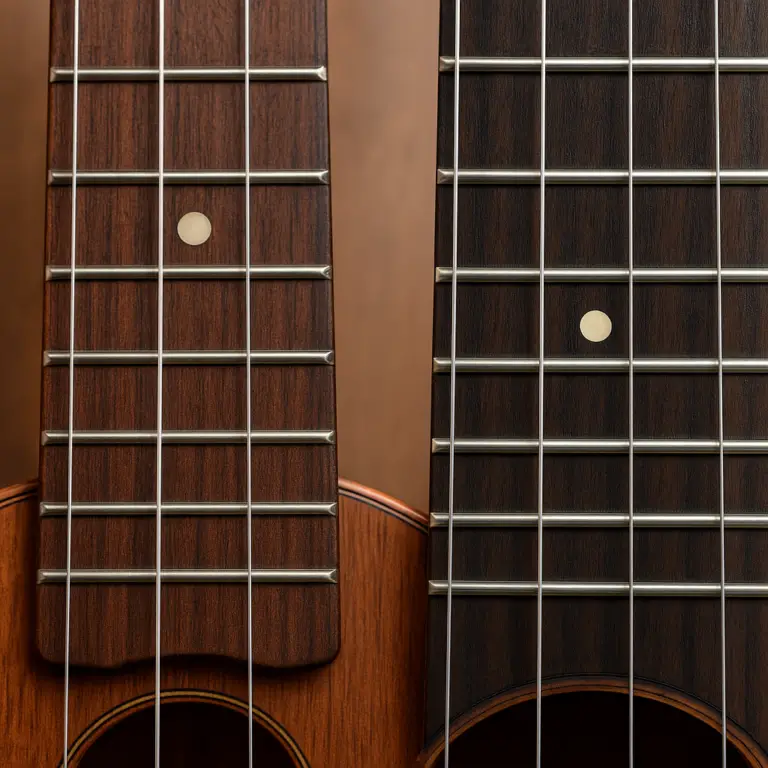
- Playability: Its small size makes it incredibly portable and easy for smaller hands. However, the frets are closer together, which can be a bit cramped for those with larger fingers.
- Best For: Traditional Hawaiian music, beginners, children, travel, and that iconic, bright ukulele jingle.
-
Concert Ukulele (The “Comfort” Uke)
- Size: Around 23 inches (58 cm) total length.
- Scale Length: Approximately 15 inches (38 cm).
- Sound: Offers a slightly fuller, warmer tone than the soprano, with a bit more volume and sustain. It retains the ukulele’s characteristic brightness but adds more depth.
- Playability: The slightly longer scale length means more space between frets, making it more comfortable for many players, especially those with average-sized hands.
- Best For: Players seeking a balance between the soprano’s classic sound and increased playability, fingerstyle playing, and those transitioning from guitar.
-
Tenor Ukulele (The “Performer’s” Uke)
- Size: Roughly 26 inches (66 cm) total length.
- Scale Length: Approximately 17 inches (43 cm).
- Sound: Produces a significantly richer, louder, and more resonant tone with excellent sustain. It has a deeper bass response and a more guitar-like sound while still retaining its ukulele character.
- Playability: The wider fret spacing is ideal for larger hands and more complex fingerstyle arrangements. It’s often the preferred choice for professional performers.
- Best For: Experienced players, fingerstyle virtuosos, live performances, and those who want a fuller, more versatile sound.
-
Baritone Ukulele (The “Guitarist’s” Uke)
- Size: Typically around 30 inches (76 cm) total length.
- Scale Length: Approximately 19 inches (48 cm).
- Sound: This is the largest ukulele and has the deepest, most guitar-like tone. It loses some of the traditional “ukulele” brightness, sounding more like a classical guitar.
- Playability: With the widest fret spacing, it’s very comfortable for guitar players, as its tuning is also different (more on that in the next section!).
- Best For: Guitarists transitioning to ukulele, players seeking a deeper, mellower sound, and those who prefer a larger instrument.
Table: Ukulele Size Comparison
| Size | Total Length (Approx.) | Scale Length (Approx.) | Key Sound Characteristics | Ideal For |
|---|---|---|---|---|
| Soprano | 21 inches (53 cm) | 13 inches (33 cm) | Bright, plinky, classic uke sound | Beginners, traditional, travel |
| Concert | 23 inches (58 cm) | 15 inches (38 cm) | Fuller, warmer, good balance | General play, slightly larger hands |
| Tenor | 26 inches (66 cm) | 17 inches (43 cm) | Rich, loud, resonant, guitar-like | Performers, fingerstyle, larger hands |
| Baritone | 30 inches (76 cm) | 19 inches (48 cm) | Deep, mellow, very guitar-like | Guitarists, deeper tones |
Beyond the Big Four: Hybrid Instruments
The ukulele family also includes some fascinating hybrids that blur the lines with other instruments:
- Guitalele (or Guitarlele): A six-string instrument, typically sized between a baritone ukulele and a travel guitar. It’s tuned A-D-G-C-E-A (like a guitar with a capo on the 5th fret), offering a guitar-like playing experience with a ukulele-esque sound.
- 👉 Shop Guitalele on: Amazon | Sweetwater | Yamaha Official Website
- Banjolele (or Banjo Ukulele): A hybrid of a banjo and a ukulele, featuring a small banjo-like body with a ukulele neck and tuning. It produces a loud, punchy, and twangy sound, combining the best of both worlds. George Formby famously popularized the banjolele [Wikipedia – Ukulele].
- 👉 Shop Banjolele on: Amazon | Guitar Center | Gold Tone Official Website
Choosing your ukulele size is a personal decision. Our advice? If you can, try them out! See what feels most comfortable in your hands and what sound resonates most with you. You might be surprised by which one becomes your new best friend.
🎼 6. Standard Ukulele Tunings and Playing Techniques
So, you’ve picked your ukulele size – now what? It’s time to get it in tune and start making some music! While the ukulele is known for being easy to pick up, understanding its tunings and basic techniques will unlock a world of musical possibilities.
As guitar players, we often get asked about the ukulele’s tuning, and it’s one of its most distinctive features. It’s not just a smaller guitar; it has its own unique voice!
The Heart of the Ukulele: Standard Tunings
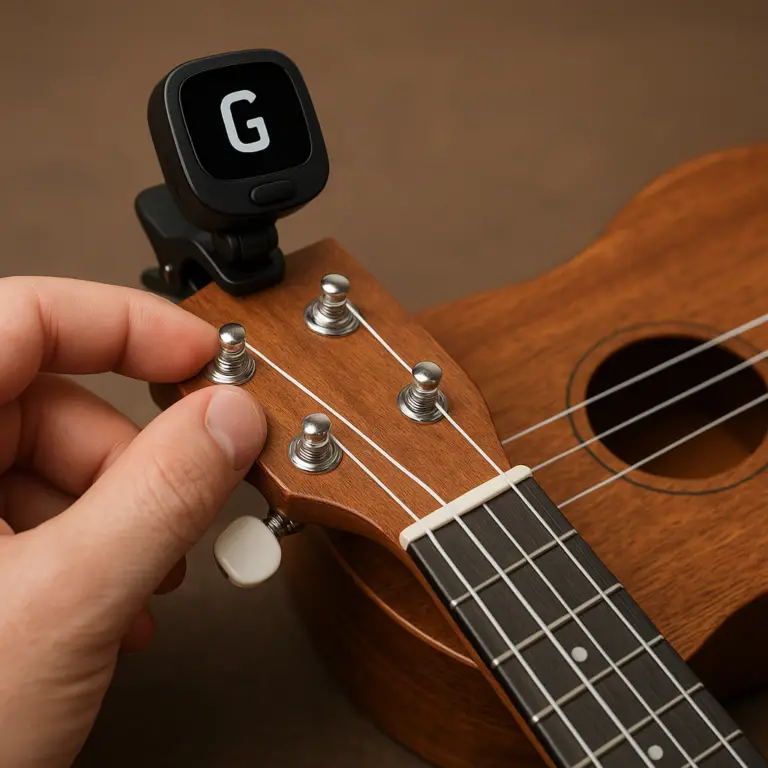
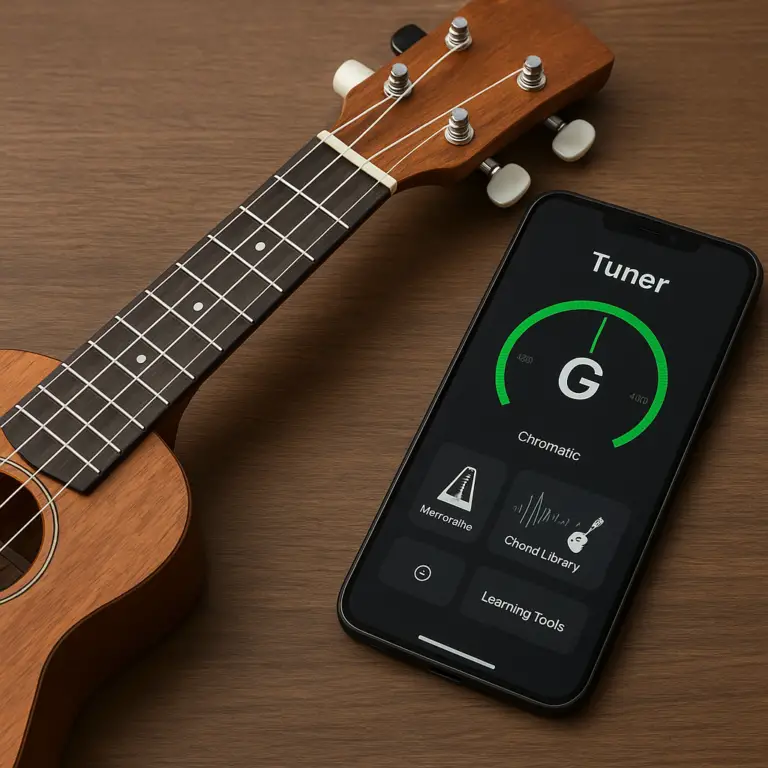
The most common tuning for soprano, concert, and tenor ukuleles is GCEA. But there’s a twist! This isn’t a linear tuning like a guitar (where each string is lower in pitch than the last). Instead, it’s typically a reentrant tuning, often called “high G.”
-
Reentrant “High G” Tuning (G4–C4–E4–A4)
- This is the most common and traditional tuning for soprano, concert, and tenor ukuleles [Wikipedia – Ukulele].
- The strings are tuned: G (fourth string, high G), C (third string), E (second string), A (first string).
- The “reentrant” part means the fourth string (G) is tuned higher than the third string (C), breaking the typical low-to-high pitch progression. This gives the ukulele its characteristic bright, jingly, and cheerful sound. It’s fantastic for strumming and creating that classic Hawaiian vibe.
- How to remember it? Many beginners learn the mnemonic “My Dog Has Fleas” to tune their G-C-E-A ukulele, as mentioned by the American History Museum [American History Museum – 5 Things You Probably Didn’t Know About Ukulele].
-
Linear “Low G” Tuning (G3–C4–E4–A4)
- For players who want a fuller, deeper sound, especially on tenor ukuleles, the low G tuning is a popular alternative [Wikipedia – Ukulele].
- Here, the fourth string (G) is tuned an octave lower than in high G tuning, making it the lowest note.
- This tuning provides a wider tonal range and more bass, making it excellent for fingerstyle playing and arrangements that require more depth. It sounds more like a classical guitar.
-
Baritone Ukulele Tuning (DGBE)
- The baritone ukulele stands apart with its own standard tuning: DGBE [Wikipedia – Ukulele].
- This is the same tuning as the top four strings of a standard guitar (without a capo!).
- This makes the baritone ukulele incredibly appealing to guitarists, as they can immediately apply their existing chord knowledge. The sound is also much closer to a classical guitar.
-
D6 Tuning (A4–D4–F♯4–B4)
- Less common today, but historically significant, especially in the early 20th century, was the D6 tuning (often A-D-F#-B) [Wikipedia – Ukulele].
- This tuning was popular for a brighter, more piercing sound, particularly in vaudeville and early jazz. You might encounter it if you’re exploring vintage ukulele music.
Table: Common Ukulele Tunings
| Ukulele Size | Tuning Name | String Order (4th to 1st) | Pitch (Approx.) | Characteristics |
|---|---|---|---|---|
| Soprano | High G (Reentrant) | G-C-E-A | G4-C4-E4-A4 | Classic, bright, jingly, traditional ukulele sound |
| Concert | High G (Reentrant) | G-C-E-A | G4-C4-E4-A4 | Classic, bright, jingly, traditional ukulele sound |
| Tenor | High G (Reentrant) | G-C-E-A | G4-C4-E4-A4 | Classic, bright, jingly, traditional ukulele sound |
| Tenor | Low G (Linear) | G-C-E-A | G3-C4-E4-A4 | Fuller, deeper, more guitar-like, great for fingerstyle |
| Baritone | Standard (Linear) | D-G-B-E | D3-G3-B3-E4 | Mellow, guitar-like, familiar to guitarists |
Basic Playing Techniques: Strumming and Fingerpicking
Once tuned, the ukulele is incredibly intuitive to play.
- Strumming: This is where most beginners start!
- The “Ukulele Strum”: Often involves using your index finger or thumb to strum down and up across all four strings. You can use the fleshy part of your finger for a softer sound or your nail for a brighter, more percussive attack.
- Rhythm: Experiment with different strumming patterns. A simple “down-down-up-up-down-up” is a great starting point for many songs.
- Dynamics: Vary your strumming force to create different dynamics – soft for a gentle ballad, strong for an upbeat tune.
- Chords: Ukulele chords are generally much simpler to learn than guitar chords, often requiring only one or two fingers. This is a huge confidence booster for new players!
- C Major: One finger on the first string, third fret. ✅ Easy!
- G Major: Three fingers, forming a triangle. ✅ Still pretty easy!
- F Major: Two fingers, a simple shape. ✅ You’re getting the hang of it!
- Fingerpicking: As you advance, fingerpicking opens up a world of intricate melodies and harmonies.
- Arpeggios: Playing individual notes of a chord in sequence.
- Melody and Accompaniment: Skilled players can play both the melody and the chordal accompaniment simultaneously, creating a rich, full sound. Jake Shimabukuro is a master of this!
Our advice to new players? Don’t be afraid to experiment! The ukulele is a forgiving instrument. Start with simple chords and strumming patterns, and gradually explore more complex techniques. There are countless free resources online, from chord charts to tutorial videos, to guide your journey. The joy of playing this instrument is truly infectious!
🌐 7. Ukulele’s Musical Relatives: Exploring Similar String Instruments Worldwide
The ukulele didn’t just appear out of thin air; it’s part of a vast, global family of stringed instruments. Understanding its relatives helps us appreciate its unique place in the musical landscape and sheds light on its diverse influences. As guitarists, we often see the family resemblance across different instruments, and the ukulele’s lineage is particularly rich.
The Portuguese Ancestors: Where It All Began
We’ve already touched upon these, but it’s worth reiterating their foundational role. These instruments are not just “similar” to the ukulele; they are its direct genetic code!
- Machete (Braguinha): This Madeiran instrument is the closest cousin, sharing the ukulele’s four strings and small size. It’s essentially the ukulele’s older sibling from the old country.
- Cavaquinho: Popular in Portugal, Brazil, and Cape Verde, the cavaquinho is also a four-stringed instrument, known for its bright, percussive sound. It’s a key player in various folk and popular music genres.
- Rajão: This five-stringed instrument from Madeira introduced the concept of reentrant tuning, a defining characteristic of the standard ukulele. It’s like the eccentric uncle who brought a new idea to the family gathering!
Beyond Portugal: Global Cousins
The concept of a small, four-stringed instrument is not unique to Portugal or Hawaii. Similar instruments can be found across different cultures:
- Timple (Canary Islands): A small, five-stringed instrument with a distinctive humpback shape, often played in folk music.
- Charango (Andes Mountains, South America): A small, ten-stringed (five courses of two) instrument, often made from an armadillo shell, known for its bright, high-pitched sound.
- Cuatro (Venezuela, Puerto Rico, etc.): A four-stringed instrument, larger than a ukulele, with a more guitar-like body, central to many Latin American folk traditions.
Modern Hybrids and Variants: The Ukulele’s Evolving Family Tree
The ukulele itself has inspired numerous variations and hybrids, demonstrating its adaptability and enduring appeal.
- Banjolele (Banjo Ukulele): We mentioned this earlier, but it’s worth highlighting again. This instrument combines the body of a banjo (for that loud, twangy projection) with the neck and tuning of a ukulele. It’s a powerhouse of sound and a favorite of performers like George Formby [Wikipedia – Ukulele]. It’s the ukulele that decided to hit the gym!
- 👉 Shop Banjolele on: Amazon | Guitar Center | Gold Tone Official Website
- Guitalele (Guitarlele): This six-string marvel is tuned like a guitar with a capo on the 5th fret (A-D-G-C-E-A). It offers guitarists an easy transition to a ukulele-sized instrument, providing a bright, articulate sound with the familiar chord shapes of a guitar. It’s the perfect bridge between the two worlds!
- 👉 Shop Guitalele on: Amazon | Sweetwater | Yamaha Official Website
- Tahitian Ukulele: Distinct from its Hawaiian cousin, the Tahitian ukulele (often called a ‘ukulele in Tahitian) typically has eight strings (four courses of two) and is often carved from a single piece of wood, giving it a very bright, percussive, and loud sound. It’s often fretless or has very few frets.
- Electric Ukuleles: Just like guitars, ukuleles have gone electric! These instruments are fitted with pickups, allowing them to be amplified through an amplifier. They’re perfect for live performance, effects pedals, and blending into a band setting.
- 👉 Shop Electric Ukuleles on: Amazon | Sweetwater | Kala Brand Music Official Website
- Resonator Ukuleles: Featuring a spun metal cone (or cones) in the body, resonator ukuleles produce a much louder, more metallic, and twangy sound, similar to a resonator guitar. They’re great for blues, bluegrass, or any genre where you need to cut through the mix.
- 👉 Shop Resonator Ukuleles on: Amazon | Guitar Center | Gretsch Official Website
This rich tapestry of related instruments highlights the ukulele’s adaptability and its enduring appeal across diverse musical traditions. It’s a small instrument with a huge family!
🎧 8. Iconic Ukulele Audio Samples and Famous Performances
Sometimes, to truly understand an instrument’s impact, you need to hear it. The ukulele, with its distinctive voice, has been at the heart of some of the most memorable and influential musical performances in history. From heartwarming ballads to virtuosic displays, these iconic audio samples and performances showcase the ukulele’s incredible range and emotional depth.
Our team at Guitar Brands™ often uses these examples to inspire new players and remind ourselves of the sheer power of this little instrument. Prepare for some serious ear candy!
The Unforgettable Voices of the Ukulele
-
Israel Kamakawiwoʻole – “Somewhere Over the Rainbow / What a Wonderful World” Medley
- Why it’s iconic: This is arguably the most famous ukulele performance of all time. “Bruddah Iz’s” soulful voice, combined with his gentle, yet powerful, ukulele accompaniment, created a rendition that touched millions worldwide. It’s a masterclass in emotional delivery and simplicity.
- Impact: This medley helped revive interest in the ukulele globally in the early 2000s, reaching Billboard #12 in 2004 [Wikipedia – Ukulele]. It introduced the ukulele to a new generation and cemented its image as an instrument of peace and beauty.
- Listen: Israel Kamakawiwoʻole – “Somewhere Over the Rainbow / What a Wonderful World” (Official Video)
-
Jake Shimabukuro – “While My Guitar Gently Weeps”
- Why it’s iconic: If Iz showed the ukulele’s heart, Jake Shimabukuro revealed its mind-bending technical prowess. His viral YouTube video, recorded at TedX in 2006, showcased the ukulele as a serious, versatile instrument capable of intricate melodies, harmonies, and percussive effects, all from a single ukulele.
- Impact: With over 17 million views, this performance shattered stereotypes and inspired countless musicians to pick up the ukulele, proving it could stand alongside guitars as a virtuosic instrument [Wikipedia – Ukulele]. It’s a must-watch for anyone who doubts the uke’s capabilities!
- Listen: Jake Shimabukuro – “While My Guitar Gently Weeps” (TedX)
-
Tiny Tim – “Tiptoe Through the Tulips”
- Why it’s iconic: A true pop culture phenomenon! Tiny Tim’s falsetto voice and his signature rendition of this classic song, often performed with his trusty soprano ukulele, made him a household name in the late 1960s.
- Impact: While often seen as a novelty act, Tiny Tim kept the ukulele in the public eye during a period when its popularity had waned. He introduced the instrument to a generation through television appearances and his unique, unforgettable style [Wikipedia – Ukulele].
- Listen: Tiny Tim – “Tiptoe Through the Tulips” (The Ed Sullivan Show)
-
George Formby – Banjolele Performances
- Why it’s iconic: A British national treasure, George Formby popularized the banjolele in the 1930s and 40s with his comedic songs and lightning-fast strumming. His distinctive “split stroke” technique became legendary.
- Impact: Formby’s immense popularity in the UK and beyond solidified the banjolele’s place in popular music and entertainment, showcasing its loud, punchy sound in a variety of upbeat tunes [Wikipedia – Ukulele].
- Listen: George Formby – “When I’m Cleaning Windows” (Just one example of his many hits!)
The Ukulele in Rock Royalty
It’s not just solo artists who embraced the ukulele. Even rock legends found its charm irresistible:
- The Beatles: Members like George Harrison, Paul McCartney, and John Lennon were known to play ukuleles, often for fun or in informal settings. Harrison, in particular, was a lifelong enthusiast, even carrying one with him on tours [Wikipedia – Ukulele]. This just goes to show that the ukulele’s appeal transcends genres and musical stature!
- Listen: While official recordings are rare, you can find anecdotes and fan-made compilations of their ukulele moments. George Harrison playing ukulele
These performances are more than just songs; they are moments in history that shaped the ukulele’s perception and inspired millions. They remind us that whether you’re aiming for simple joy or breathtaking virtuosity, the ukulele is ready to deliver.
📚 9. Essential Ukulele History Books and Scholarly Resources
For those of us who truly love an instrument, understanding its history isn’t just a hobby; it’s a way to deepen our connection to the music we play. The ukulele, with its rich cultural tapestry, has been the subject of some excellent scholarly work and engaging historical accounts. If you’re ready to dive even deeper than this article, these resources are your next stop!
Our team at Guitar Brands™ believes in learning from the best, and these books and institutions have provided invaluable insights into the ukulele’s journey.
Must-Read Books for the Ukulele Historian
-
The Ukulele: A History by Jim Tranquada and John King
- Why it’s essential: This book is widely considered the definitive scholarly work on the ukulele’s origins and evolution. It meticulously traces the instrument’s journey from its Portuguese roots to its Hawaiian adoption and global spread. If you want the most comprehensive and thoroughly researched account, this is it.
- Key insights: It delves into the social and economic contexts of its development, the role of the Hawaiian monarchy, and its impact on Hawaiian identity. The University of Hawaiʻi Press, which published this book, describes it as detailing how the ukulele “became a symbol of Hawaiian identity and a bridge connecting Hawaiian culture to the world” [UH Press – The Ukulele: A History].
- Find it: University of Hawaiʻi Press – The Ukulele: A History
-
Ukulele Harmony by Markus Rathey
- Why it’s essential: While perhaps less focused purely on history, this book often provides historical context for the instrument’s musical development and its role in various genres. It’s a great companion for understanding the theoretical and practical aspects alongside its historical journey.
- Key insights: It can offer perspectives on how the ukulele’s construction and tuning influenced its musical applications over time.
- Find it: Search for “Ukulele Harmony Markus Rathey” on major booksellers like Amazon or Barnes & Noble.
Institutions and Online Archives: Digital Goldmines
Beyond books, several institutions and online resources offer a wealth of historical information, photographs, and even audio archives.
-
The Ukulele Hall of Fame Museum
- Why it’s essential: This virtual museum is dedicated to preserving the history of the ukulele and honoring its most influential players, makers, and promoters. It’s a fantastic resource for biographies, historical timelines, and recognizing the figures who shaped the instrument.
- Key insights: You’ll find detailed information on legends like Roy Smeck, Cliff Edwards, and the Portuguese pioneers.
- Visit: Ukulele Hall of Fame Museum
-
Museum of Making Music (NAMM Foundation)
- Why it’s essential: While not exclusively dedicated to the ukulele, the Museum of Making Music often features exhibits and historical information on a wide range of musical instruments, including the ukulele. Their archives can provide context on manufacturing, marketing, and the instrument’s place in broader musical trends.
- Key insights: Offers insights into the industrial side of instrument production and how ukuleles were marketed through the decades.
- Visit: Museum of Making Music
-
Smithsonian National Museum of American History
- Why it’s essential: The Smithsonian holds significant collections related to American music and culture, including historical ukuleles. Their online articles and exhibits provide valuable perspectives on the ukulele’s cultural impact in the U.S.
- Key insights: Their article “5 Things You Probably Didn’t Know About the Ukulele” is a great starting point for concise, authoritative facts American History Museum – 5 Things You Probably Didn’t Know About Ukulele.
- Visit: Smithsonian National Museum of American History
-
Wikipedia’s Ukulele Page
- Why it’s essential: A great starting point for a broad overview, providing a well-referenced summary of the ukulele’s history, construction, and notable figures. It’s a good jumping-off point for further research.
- Key insights: Offers a concise timeline and details on various aspects of the ukulele.
- Visit: Wikipedia – Ukulele
For any serious ukulele enthusiast, delving into these resources will not only expand your knowledge but also deepen your appreciation for this remarkable instrument and its enduring legacy. Happy reading and researching!
💡 10. Ukulele in Pop Culture: Movies, TV, and Viral Moments
The ukulele isn’t just a musical instrument; it’s a cultural icon. It has a knack for popping up in the most unexpected places, charming audiences and leaving an indelible mark on movies, television, and, more recently, the digital world. Its cheerful demeanor and distinctive sound make it a natural fit for storytelling and entertainment.
Here at Guitar Brands™, we’ve noticed how certain instruments become intertwined with popular culture, and the ukulele’s journey is a fantastic example of this phenomenon. It’s gone from a niche Hawaiian instrument to a global symbol of joy and accessibility.
From the Silver Screen to the Small Screen: A Star is Born
The ukulele’s rise to fame in the early 20th century coincided with the golden age of Hollywood and the burgeoning television industry.
- The Jazz Age Icon: In the 1920s and 30s, the ukulele became synonymous with the carefree spirit of the Jazz Age. It was often featured in silent films and early talkies, played by stars like Cliff “Ukulele Ike” Edwards (who famously voiced Jiminy Cricket in Disney’s Pinocchio and sang “When You Wish Upon a Star”). His presence in Hollywood helped solidify the ukulele’s image as a fun, accessible instrument.
- Vaudeville and Variety Shows: Before TV, vaudeville was king, and the ukulele was a staple. Performers like Roy Smeck (who appeared in numerous short films and newsreels) showcased its versatility, often playing multiple instruments and performing incredible tricks. When television arrived, the ukulele easily transitioned to variety shows, bringing its charm to millions of homes.
- Tiny Tim’s Unforgettable Moment: Perhaps one of the most iconic TV moments for the ukulele was Tiny Tim’s performance of “Tiptoe Through the Tulips” on Rowan & Martin’s Laugh-In and The Ed Sullivan Show in the late 1960s. His unique falsetto and ukulele strumming became a cultural touchstone, forever linking the instrument with his eccentric persona [Wikipedia – Ukulele]. It was quirky, memorable, and kept the ukulele in the public consciousness.
- Modern TV & Film Appearances: The ukulele continues to make appearances in contemporary media, often used to evoke a sense of nostalgia, innocence, or a laid-back vibe.
- Think of the charming soundtrack of movies like 50 First Dates (featuring Israel Kamakawiwoʻole’s iconic medley).
- It’s often used in commercials to create a friendly, approachable feel.
- Many animated films and children’s shows feature characters playing the ukulele, reinforcing its image as a fun, easy-to-learn instrument for all ages.
The Digital Revolution: Ukulele Goes Viral!
The internet, particularly platforms like YouTube, has been a game-changer for the ukulele’s modern resurgence.
- Jake Shimabukuro’s Viral Sensation: As we discussed, Jake Shimabukuro’s 2006 TedX performance of “While My Guitar Gently Weeps” was a watershed moment. It wasn’t just a performance; it was a viral phenomenon that introduced the ukulele’s virtuosic potential to a global audience, inspiring countless aspiring musicians [Wikipedia – Ukulele]. It proved that a small instrument could command massive attention.
- YouTube Tutorials and Covers: YouTube became a hub for ukulele enthusiasts. Millions of tutorials, cover songs, and original compositions have made learning and sharing ukulele music incredibly accessible. This democratized the instrument, allowing anyone with an internet connection to pick it up and join the global ukulele community.
- Social Media Challenges: The ukulele’s portability and ease of learning make it perfect for short, engaging content on platforms like TikTok and Instagram. From quick song covers to instrumental challenges, the ukulele continues to find new ways to connect with audiences in the digital age.
Ukulele in Music Education: A Classroom Staple
Beyond entertainment, the ukulele has found a significant role in education. Its affordability and ease of learning have made it a popular choice for introducing music to children. As Wikipedia notes, it’s “used increasingly in music education, often replacing recorders” [Wikipedia – Ukulele]. This widespread adoption in schools ensures that new generations are constantly discovering the joy of the ukulele.
The ukulele’s journey through pop culture is a testament to its enduring charm and versatility. It’s an instrument that can be both a comedic prop and a vehicle for profound musical expression, always leaving a smile on our faces.
🌍 11. The Ukulele’s Role in Hawaiian Culture and Traditions
While its roots may be Portuguese, the ukulele truly blossomed and found its soul in the Hawaiian Islands. It’s more than just an instrument there; it’s a living, breathing part of the culture, a symbol of identity, and a storyteller of traditions. To understand the ukulele, you must understand its deep connection to Hawaii.
Our team at Guitar Brands™ has always been fascinated by the cultural significance of instruments. The ukulele’s story in Hawaii is a powerful example of how music can become the voice of a people.
The Quintessential Hawaiian Instrument
From the moment it arrived, the ukulele was embraced by the Hawaiian people, quickly becoming “the quintessential Hawaiian instrument,” as described by the University of Hawaiʻi Press [UH Press – The Ukulele: A History]. It wasn’t just adopted; it was integrated into the very fabric of Hawaiian life.
- Royal Patronage: As we’ve learned, King David Kalākaua played a pivotal role. His love for the instrument and his incorporation of it into royal performances and traditional hula dances gave it immense prestige. This royal endorsement was crucial in cementing its status as a national treasure. The American History Museum highlights that the ukulele was “considered the national instrument of the Kingdom of Hawaiʻi by Queen Lydia Liliʻuokalani in the late 1800s” [American History Museum – 5 Things You Probably Didn’t Know About Ukulele].
- Hula and Chant Accompaniment: The ukulele’s bright, rhythmic sound proved to be a perfect accompaniment for traditional Hawaiian hula and chant. It added a new melodic dimension, enhancing storytelling and dance.
- Symbol of Identity: In a time of significant cultural change, the ukulele became a powerful symbol of Hawaiian identity and resilience. It provided a unique voice for the islands, helping to preserve and promote Hawaiian music and traditions. The UH Press aptly states, “The ukulele became a symbol of Hawaiian identity and a bridge connecting Hawaiian culture to the world” [UH Press – The Ukulele: A History].
The Sound of Aloha: Hawaiian Music Genres
The ukulele is central to many Hawaiian music genres, from traditional folk to modern interpretations.
- Slack-Key Guitar (Ki Ho’alu): While primarily a guitar style, the ukulele often complements slack-key, providing rhythmic and melodic counterpoints.
- Traditional Hawaiian Music: The ukulele is a staple in ensembles playing traditional songs, often alongside steel guitar and bass. Its cheerful sound evokes images of paradise and the spirit of aloha.
- Modern Hawaiian Music: Contemporary Hawaiian artists continue to innovate with the ukulele, blending traditional sounds with jazz, reggae, and pop, ensuring its relevance for new generations.
Community and Celebration: The Ukulele’s Social Role
The ukulele isn’t just for professional musicians; it’s a community instrument.
- Gatherings and Luaus: You’ll find ukuleles at family gatherings, beach parties, and luaus across Hawaii. It’s an instrument for singing along, sharing stories, and simply enjoying good company. Its portability makes it perfect for impromptu jam sessions.
- Festivals and Competitions: Hawaii hosts numerous ukulele festivals and competitions, celebrating the instrument’s heritage and showcasing new talent. These events are vibrant expressions of Hawaiian culture.
- Education and Preservation: Efforts are continuously made to teach the ukulele to younger generations, ensuring that its cultural significance and musical traditions are preserved and passed down. Organizations and schools actively promote ukulele education as a way to connect with Hawaiian heritage.
My colleague, Sarah, who once spent a summer teaching music in Maui, shared a beautiful anecdote: “There was this elderly kupuna (elder) who would sit on his porch every evening, playing his Koa ukulele. The melodies would drift through the air, telling stories without words. It wasn’t just music; it was history, family, and the spirit of the islands, all woven into those four strings.” That’s the power of the ukulele in Hawaii.
The ukulele’s journey from a Portuguese immigrant’s possession to the heart of Hawaiian culture is a testament to its universal appeal and the profound way music can shape and reflect a people’s identity. It truly is the sound of Hawaii.
🎤 12. Legendary Ukulele Players Who Shaped Its History
Every instrument has its heroes – the virtuosos, the innovators, and the cultural ambassadors who elevate it from a simple tool to a voice of expression. The ukulele is no exception. Its history is studded with legendary players who not only mastered the instrument but also pushed its boundaries, introduced it to new audiences, and cemented its place in musical lore.
As musicians at Guitar Brands™, we’re constantly inspired by those who came before us. These ukulele legends are not just names; they are the architects of the instrument’s legacy.
The Pioneers and Royal Patrons
- Manuel Nunes, José do Espírito Santo, and Augusto Dias: While not “players” in the performance sense, these Madeiran cabinet makers were the true pioneers. They built the first ukuleles in Hawaii, adapting Portuguese instruments with local Koa wood. Without their craftsmanship, the ukulele as we know it might never have existed. Manuel Nunes, in particular, established the first workshop in Honolulu in 1880 [American History Museum – 5 Things You Probably Didn’t Know About Ukulele].
- King David Kalākaua: The Hawaiian monarch was the ukulele’s first and most influential patron. His personal enjoyment and integration of the instrument into royal functions gave it immense cultural prestige and spurred its adoption across the islands. He was the ultimate influencer of his time!
- Edward Purvis: The lively English officer in King Kalākaua’s court, whose quick finger movements or small stature may have earned him the nickname “Ukulele,” which then transferred to the instrument itself [Wikipedia – Ukulele]. He was an early, celebrated player in the royal circle.
The Vaudeville and Jazz Age Stars
- Roy Smeck (“The Wizard of the Strings”): A true multi-instrumentalist, Smeck was a vaudeville sensation who could play guitar, banjo, and, of course, ukulele with astonishing speed and dexterity. His films and recordings introduced the ukulele to a wide American audience, showcasing its potential for virtuosic performance. He was a showman through and through!
- Cliff “Ukulele Ike” Edwards: An iconic figure of the Jazz Age, Edwards was a popular singer and ukulele player whose smooth vocals and charming ukulele accompaniment made him a star. Beyond his musical career, he gained lasting fame as the voice of Jiminy Cricket in Disney’s Pinocchio, singing “When You Wish Upon a Star” with his ukulele. He truly brought the ukulele into mainstream American pop culture [American History Museum – 5 Things You Probably Didn’t Know About Ukulele].
The Mid-Century Revivalists
- George Formby: A British comedian and musician, Formby almost single-handedly popularized the banjolele in the UK during the 1930s and 40s. His catchy songs, comedic timing, and distinctive “split stroke” strumming technique made him a national treasure and kept the ukulele family in the spotlight [Wikipedia – Ukulele].
- Tiny Tim: An eccentric and unforgettable personality, Tiny Tim’s falsetto voice and ukulele rendition of “Tiptoe Through the Tulips” became a global sensation in the late 1960s. While often seen as a novelty act, he undeniably kept the ukulele visible in pop culture during a period when it might have otherwise faded.
The Modern Masters and Global Ambassadors
- Israel Kamakawiwoʻole (“Bruddah Iz”): The gentle giant from Hawaii, Iz’s soulful voice and iconic medley of “Somewhere Over the Rainbow / What a Wonderful World” became a global phenomenon. His music introduced the ukulele to millions, showcasing its ability to convey deep emotion and connect with listeners on a profound level. He became a powerful ambassador for Hawaiian music and culture [Wikipedia – Ukulele].
- Jake Shimabukuro: A contemporary virtuoso, Jake Shimabukuro redefined what was thought possible on the ukulele. His incredible technical skill, genre-bending performances (like his viral “While My Guitar Gently Weeps”), and passionate advocacy have inspired a new generation of players and elevated the ukulele to a serious concert instrument [Wikipedia – Ukulele]. He’s a true innovator.
- The Ukulele Orchestra of Great Britain: While an ensemble rather than an individual, this group deserves mention for their collective impact. Formed in 1985, they demonstrated the ukulele’s incredible versatility by performing a vast repertoire, from classical to rock, all on ukuleles. They proved the instrument’s serious musical capabilities and helped spark the modern ukulele revival [Wikipedia – Ukulele].
- George Harrison, Paul McCartney, and John Lennon: Even the Beatles had a soft spot for the ukulele! George Harrison, in particular, was a lifelong enthusiast, often carrying a ukulele with him and encouraging friends to play. Their informal embrace of the instrument showed that even rock royalty appreciated its simple joy [Wikipedia – Ukulele].
These legendary players, each in their own way, have contributed to the ukulele’s rich history, ensuring its enduring appeal and inspiring countless others to pick up this wonderful instrument. Who will be the next legend? Perhaps it’s you!
🛠️ 13. How to Choose Your First Ukulele: Tips from the Experts
So, you’ve been inspired by the ukulele’s incredible history and its legendary players, and now you’re ready to embark on your own musical journey? Fantastic! Choosing your first ukulele can feel a little daunting with all the options out there, but don’t worry, we’re here to guide you. As the team at Guitar Brands™, we’ve helped countless musicians find their perfect instrument, and the ukulele is no different.
The University of Hawaiʻi Press notes that the ukulele is praised for its “affordability, portability, and ease of learning” [UH Press – The Ukulele: A History], making it an ideal first instrument. But how do you pick your ideal first uke? Let’s break it down.
Step 1: Determine Your Budget (and Stick to It!)
Ukuleles come in a wide range of prices. For a first instrument, you don’t need to break the bank, but be wary of anything too cheap, as it might compromise playability and sound.
- Entry-Level (Good for beginners): You can find perfectly playable ukuleles that sound decent. These are often made with laminate wood.
- Mid-Range (Great value, often solid tops): Offers improved tone and craftsmanship, sometimes featuring a solid wood top for better resonance.
- High-End (Solid wood, professional quality): These are typically all-solid wood instruments, often Koa, with superior craftsmanship and tone. While aspirational, probably not necessary for a first uke.
Step 2: Choose Your Size (Soprano, Concert, Tenor, or Baritone?)
This is one of the most crucial decisions, as size impacts comfort and sound.
- Soprano: ✅ Pros: Classic bright sound, very portable, often the most affordable. Great for small hands. ❌ Cons: Small fret spacing can be cramped for larger fingers, less volume/sustain.
- Concert: ✅ Pros: Good balance of classic sound and improved playability, slightly more volume than soprano. A great all-rounder. ❌ Cons: Slightly less portable than soprano.
- Tenor: ✅ Pros: Rich, full sound, excellent for fingerstyle, more fret space for larger hands. Preferred by many performers. ❌ Cons: Less “classic” uke sound, larger size.
- Baritone: ✅ Pros: Deep, guitar-like tone, familiar DGBE tuning for guitarists, wide fret spacing. ❌ Cons: Doesn’t sound like a traditional ukulele, largest size.
Our Recommendation: For most absolute beginners, we often recommend a Concert ukulele. It offers a comfortable balance of size, playability, and that quintessential ukulele sound. If you have particularly small hands or want maximum portability, a Soprano is a fantastic choice. If you’re a guitarist, consider a Baritone for an easy transition.
Step 3: Consider the Materials (Solid vs. Laminate)
- Laminate (Plywood): ✅ Pros: More affordable, very durable, less susceptible to humidity changes (great for travel!). ❌ Cons: Generally less resonant, tone won’t improve with age as much as solid wood.
- Solid Top: ✅ Pros: Better resonance, richer tone, sound improves over time. ❌ Cons: More expensive, more sensitive to humidity.
- All-Solid Wood: ✅ Pros: Best tone, projection, and sustain. A true heirloom instrument. ❌ Cons: Most expensive, requires careful humidity control.
Our Recommendation: For a first ukulele, a laminate body with a solid top (like spruce or mahogany) offers a fantastic balance of tone, durability, and value. If budget is a key concern, a good quality all-laminate ukulele is perfectly fine to start with.
Step 4: Check the Playability (Action, Fretwork, Tuners)
Even a budget ukulele should be comfortable to play.
- Action: This is the height of the strings above the fretboard. You want it low enough to be easy to press down, but not so low that the strings buzz.
- Fretwork: Run your hand along the edges of the neck. The frets should be smooth, not sharp or protruding.
- Tuners: Geared tuners (like those on a guitar) are generally preferred over friction tuners, as they hold tune better and are easier to adjust precisely.
Step 5: Brand Reputation and Reviews
While there are many brands, some have consistently good reputations for quality and value.
- Kala: A hugely popular brand known for offering a wide range of quality ukuleles for all levels, from beginner to professional. They are often recommended for their consistency and value.
- 👉 Shop Kala Ukuleles on: Amazon | Guitar Center | Sweetwater | Kala Brand Music Official Website
- Cordoba: Known for their classical guitars, Cordoba also makes beautiful ukuleles with a warm, rich tone, often featuring solid wood tops.
- 👉 Shop Cordoba Ukuleles on: Amazon | Guitar Center | Sweetwater | Cordoba Guitars Official Website
- Lanikai: Another well-regarded brand offering a variety of ukuleles, often praised for their playability and attractive finishes.
- 👉 Shop Lanikai Ukuleles on: Amazon | Guitar Center | Sweetwater | Lanikai Ukuleles Official Website
- Kamaka Hawaiʻi: The gold standard for Hawaiian-made, all-solid Koa ukuleles. These are premium instruments with a rich history and unparalleled tone, but they come at a higher price point. If you’re serious and have the budget, a Kamaka is an investment.
- 👉 Shop Kamaka Ukuleles on: Amazon | Kamaka Hawaiʻi Official Website
Our Personal Anecdote: Our resident ukulele enthusiast, Emily, recalls her first uke: “I started with a simple, laminate concert ukulele from Kala. It wasn’t fancy, but it was reliable, stayed in tune, and sounded cheerful. It was the perfect gateway instrument that made me fall in love with playing, and I still keep it for sentimental value!”
Final Tips for Your First Ukulele:
- Buy from a reputable dealer: Whether online or in person, a good dealer will ensure the instrument is set up properly.
- Consider a starter pack: Many brands offer beginner packs that include a gig bag, tuner, and sometimes a lesson book, which can be great value.
- Don’t forget accessories: You’ll need a tuner (essential!), picks (optional, many play with fingers), and a gig bag for protection.
- Change the strings: Even new ukuleles can benefit from a fresh set of quality nylon or fluorocarbon strings. It can make a surprising difference in tone and playability.
Choosing your first ukulele is an exciting step! By considering these factors, you’ll be well on your way to finding an instrument that brings you years of musical joy. For more in-depth advice on selecting instruments, check out our Guitar Buying Guide.
📈 14. The Ukulele Market Today: Trends, Brands, and Innovations
The ukulele market today is a vibrant, dynamic landscape, a far cry from its humble beginnings. Thanks to its global resurgence, the instrument is more popular and accessible than ever, driven by a combination of traditional craftsmanship, modern manufacturing, and exciting innovations. As experts in the stringed instrument world, we at Guitar Brands™ have watched this market flourish, and it’s truly a golden age for ukulele enthusiasts.
The University of Hawaiʻi Press notes that the ukulele is “now widely accessible, with brands like Kala, Cordoba, and Lanikai offering various models” [UH Press – The Ukulele: A History]. This accessibility is a key trend, but it’s just one piece of the puzzle.
Key Trends Shaping the Modern Ukulele Market
- Accessibility and Affordability: The market is flooded with high-quality, affordable options, making it easy for anyone to pick up a ukulele. This has fueled its popularity in music education and among casual players.
- Global Community Growth: Online forums, social media groups, and YouTube channels have fostered a massive, interconnected global ukulele community. This peer-to-peer learning and sharing further boosts demand.
- Genre Expansion: The ukulele is no longer confined to Hawaiian or folk music. Players are incorporating it into rock, pop, jazz, classical, and even heavy metal, pushing its boundaries and attracting diverse musicians.
- Sustainability and Ethical Sourcing: A growing trend, particularly among higher-end brands, is the focus on sustainably sourced woods and ethical manufacturing practices.
- Customization and Boutique Builders: Alongside mass-produced instruments, there’s a thriving market for custom-built and boutique ukuleles, offering unique designs, exotic woods, and personalized touches for discerning players.
Leading Brands in Today’s Market
The market is dominated by a mix of established giants and innovative newcomers, catering to every budget and skill level.
- Kala Brand Music Co.: A powerhouse in the modern ukulele market. Kala offers an incredibly diverse range of ukuleles, from affordable beginner models to high-end, all-solid wood instruments. They are known for their consistent quality, innovative designs (like their U-Bass), and extensive artist endorsements. They’re often the first brand recommended to new players.
- 👉 Shop Kala Ukuleles on: Amazon | Guitar Center | Sweetwater | Kala Brand Music Official Website
- Cordoba Guitars: Building on their reputation for classical guitars, Cordoba produces beautiful ukuleles known for their warm tone and excellent craftsmanship, often featuring solid wood tops. They offer a more traditional, refined aesthetic.
- 👉 Shop Cordoba Ukuleles on: Amazon | Guitar Center | Sweetwater | Cordoba Guitars Official Website
- Lanikai Ukuleles: Another popular brand offering a wide selection of ukuleles, from entry-level to professional. Lanikai is praised for its playability, attractive finishes, and good value.
- 👉 Shop Lanikai Ukuleles on: Amazon | Guitar Center | Sweetwater | Lanikai Ukuleles Official Website
- Kamaka Hawaiʻi: The venerable Hawaiian brand, still family-owned and operated, continues to set the standard for premium, all-solid Koa ukuleles. Kamaka instruments are revered for their exceptional tone, craftsmanship, and historical significance. They are an investment, but one that many players consider worthwhile.
- 👉 Shop Kamaka Ukuleles on: Amazon | Kamaka Hawaiʻi Official Website
- Martin & Co.: A legendary name in guitars, C. F. Martin & Company has been producing ukuleles since the early 20th century [Wikipedia – Ukulele]. Their ukuleles are known for their classic design, quality construction, and warm, balanced tone.
- 👉 Shop Martin Ukuleles on: Amazon | Guitar Center | Sweetwater | Martin Guitar Official Website
- Ohana Ukuleles: Known for their vintage-inspired designs and excellent value, Ohana offers a wide range of sizes and styles, often replicating classic ukulele aesthetics.
- 👉 Shop Ohana Ukuleles on: Amazon | Sweetwater | Ohana Ukuleles Official Website
For a deeper dive into these and other brands, explore our Guitar Brands Showcase and Guitar Brand Guides.
Innovations and Future Directions
The ukulele isn’t resting on its historical laurels; it’s constantly evolving!
- Electric Ukuleles: With built-in pickups and preamps, electric ukuleles are perfect for amplified performance, recording, and using effects pedals. They allow the ukulele to seamlessly integrate into modern band setups.
- 👉 Shop Electric Ukuleles on: Amazon | Sweetwater | Kala Brand Music Official Website
- Resonator Ukuleles: These instruments, featuring metal resonator cones, offer increased volume and a distinctive, metallic twang, ideal for blues, folk, and cutting through a mix.
- 👉 Shop Resonator Ukuleles on: Amazon | Guitar Center | Gretsch Official Website
- Hybrid Instruments: The guitalele and banjolele continue to be popular, offering unique sonic palettes and bridging the gap between different instrument families. We’re even seeing more experimental hybrids!
- Advanced Electronics: Built-in tuners, EQ controls, and even USB outputs are becoming standard on many acoustic-electric ukuleles, making them more versatile for recording and live sound.
- Travel Ukuleles: Ultra-portable designs, often made from durable materials like ABS plastic or with collapsible necks, cater to the adventurer who wants to take their music everywhere.
The ukulele market today is a testament to the instrument’s enduring appeal and its ability to adapt and innovate. Whether you’re a beginner looking for an affordable entry point or a seasoned player seeking a boutique, custom-built masterpiece, there’s a ukulele out there for you. The future of the ukulele looks brighter and more diverse than ever!
🔗 Conclusion: Why the Ukulele’s History Matters to Every Player

What a journey! From the sun-kissed shores of Madeira to the royal courts of Hawaii, and finally to the global stage, the ukulele’s history is as vibrant and joyful as the music it produces. This little instrument, often underestimated because of its size and simplicity, carries a legacy of cultural fusion, craftsmanship, and musical innovation that few instruments can match.
At Guitar Brands™, we’ve learned that understanding the ukulele’s rich past not only deepens your appreciation but also enriches your playing experience. Knowing that the instrument you hold in your hands is a symbol of Hawaiian identity, a bridge between continents, and a beacon of musical accessibility makes every chord you strum more meaningful.
Whether you’re a beginner picking up your first Kala concert uke, a seasoned player inspired by Jake Shimabukuro’s virtuosity, or a collector admiring a handcrafted Kamaka Koa masterpiece, the ukulele’s story is part of your musical journey. It reminds us that music is a universal language, capable of crossing oceans and generations.
So, what about those “jumping fleas” and mysterious name origins? We’ve seen that the ukulele’s name is as playful and enigmatic as its sound — a perfect metaphor for an instrument that continues to surprise, delight, and inspire. Now that you know the full story, you can proudly call yourself part of the ukulele’s ongoing legacy.
Ready to pick up your own uke and make history? Let’s get strumming! 🎶
🌐 Recommended Links for Ukulele Enthusiasts
👉 CHECK PRICE on:
-
Kala Ukuleles:
Amazon | Guitar Center | Sweetwater | Kala Brand Music Official Website -
Cordoba Ukuleles:
Amazon | Guitar Center | Sweetwater | Cordoba Guitars Official Website -
Lanikai Ukuleles:
Amazon | Guitar Center | Sweetwater | Lanikai Ukuleles Official Website -
Kamaka Hawaiʻi Ukuleles:
Amazon | Kamaka Hawaiʻi Official Website -
Martin Ukuleles:
Amazon | Guitar Center | Sweetwater | Martin Guitar Official Website -
Ohana Ukuleles:
Amazon | Sweetwater | Ohana Ukuleles Official Website
Books on Ukulele History and Playing:
- The Ukulele: A History by Jim Tranquada and John King
- Ukulele Harmony by Markus Rathey
- Ukulele For Dummies by Alistair Wood — great for beginners wanting to start playing!
❓ Frequently Asked Questions About Ukulele History

What is the significance of the ukulele in modern music and its continued relevance today?
The ukulele’s significance today lies in its accessibility, versatility, and cultural symbolism. It has transcended its Hawaiian roots to become a global instrument embraced by musicians across genres—from pop to jazz to classical. Its small size and relatively simple learning curve make it an ideal entry point for beginners, while virtuosos like Jake Shimabukuro demonstrate its potential for complex, expressive performances. The ukulele’s cheerful tone and portability also make it a favorite for casual playing, education, and viral social media content, ensuring its continued relevance in contemporary music culture.
How has the ukulele influenced other genres of music and instruments?
The ukulele has influenced genres such as jazz, country, folk, and pop by introducing a unique tonal palette and rhythmic possibilities. Its reentrant tuning and bright sound have inspired new playing techniques and arrangements. Additionally, the ukulele’s popularity has led to hybrid instruments like the banjolele and guitalele, blending features of banjos and guitars with ukulele characteristics. Its impact extends to music education, where it often replaces traditional beginner instruments, fostering a new generation of musicians who may later explore other stringed instruments.
What are the different types of ukuleles and their unique characteristics?
The four main ukulele types are:
- Soprano: The smallest and most traditional size, with a bright, plinky tone and compact fret spacing. Ideal for beginners and those seeking the classic ukulele sound.
- Concert: Slightly larger with a fuller tone and more fret space, balancing playability and traditional sound.
- Tenor: Larger still, offering richer, louder sound and more sustain, favored by performers and fingerstyle players.
- Baritone: The largest, tuned like the top four strings of a guitar (DGBE), producing a deep, mellow tone closer to a classical guitar.
Other variants include the banjolele, guitalele, electric ukuleles, and resonator ukuleles, each offering unique sounds and playing experiences.
Who are some famous musicians that have contributed to the popularity of the ukulele?
Notable figures include:
- Israel Kamakawiwoʻole: His soulful medley of “Somewhere Over the Rainbow” brought the ukulele to global attention.
- Jake Shimabukuro: A modern virtuoso who expanded the instrument’s technical and expressive boundaries.
- Tiny Tim: Popularized the ukulele in the 1960s with his eccentric performances.
- Cliff “Ukulele Ike” Edwards: A Jazz Age star and voice of Jiminy Cricket.
- George Formby: British banjolele virtuoso who popularized the instrument in the UK.
- The Beatles (George Harrison, Paul McCartney, John Lennon): Known to play ukuleles informally, helping normalize it among rock musicians.
What role did Hawaiian culture play in the development and evolution of the ukulele?
Hawaiian culture was pivotal in adopting, adapting, and popularizing the ukulele. While the instrument originated from Portuguese immigrants, Hawaiians embraced it, integrating it into traditional music, hula, and royal ceremonies. King Kalākaua’s patronage elevated the ukulele’s status, making it a symbol of Hawaiian identity. The instrument’s sound became intertwined with Hawaiian musical styles, and it helped preserve and promote Hawaiian culture globally. Today, the ukulele remains a powerful cultural emblem of the islands.
How does the ukulele differ from other stringed instruments like the guitar?
Key differences include:
- Size: Ukuleles are smaller and more portable.
- Strings: Ukuleles typically have four nylon strings, whereas guitars have six steel or nylon strings.
- Tuning: Standard ukulele tuning (GCEA) differs from guitar tuning (EADGBE), with ukuleles often using reentrant tuning, giving a brighter, more jangly sound.
- Sound: Ukuleles produce a lighter, more percussive, and cheerful tone compared to the fuller, richer sound of guitars.
- Playing Style: Ukuleles are often strummed with fingers and have simpler chord shapes, making them more accessible for beginners.
What is the origin of the ukulele and how did it become popular?
The ukulele originated in the 1880s in Hawaii, adapted from Portuguese stringed instruments like the machete and cavaquinho brought by immigrants from Madeira and the Azores. Skilled cabinet makers like Manuel Nunes crafted the first Hawaiian ukuleles using local Koa wood. The instrument gained popularity through royal patronage by King Kalākaua and Hawaiian musicians. Its global popularity surged after the 1915 Panama-Pacific International Exposition and through vaudeville performers, jazz musicians, and later, viral internet sensations.
How has the ukulele evolved over time?
The ukulele has evolved from a simple four-stringed folk instrument to a versatile musical tool with multiple sizes, tunings, and styles. Construction materials have diversified from traditional Koa wood to include mahogany, spruce, laminates, and synthetic materials. Variants like the banjolele and guitalele have emerged, and electric and resonator ukuleles have expanded its sonic possibilities. Playing techniques have advanced from basic strumming to complex fingerpicking and virtuosic performances, reflecting its growing role in diverse musical genres.
Why is the ukulele important in the history of string instruments?
The ukulele is important because it exemplifies cultural fusion, musical accessibility, and instrumental innovation. It bridges European folk traditions and Hawaiian culture, becoming a symbol of identity and joy. Its ease of learning has democratized music-making, influencing education and popular music worldwide. The ukulele’s evolution showcases how instruments adapt to new contexts and audiences, making it a significant chapter in the broader story of stringed instruments.
📑 Reference Links and Further Reading
- Wikipedia – Ukulele
- American History Museum – 5 Things You Probably Didn’t Know About Ukulele
- University of Hawaiʻi Press – The Ukulele: A History
- Ukulele Hall of Fame Museum
- Museum of Making Music
- Smithsonian National Museum of American History
- Kala Brand Music Official Website
- Cordoba Guitars Official Website
- Lanikai Ukuleles Official Website
- Kamaka Hawaiʻi Official Website
- Martin Guitar Official Website
- Ohana Ukuleles Official Website
Ready to strum your own piece of history? The ukulele awaits! 🎵