Support our educational content for free when you purchase through links on our site. Learn more
🤘 15 Top Guitar Brands for Metal Music (2026)

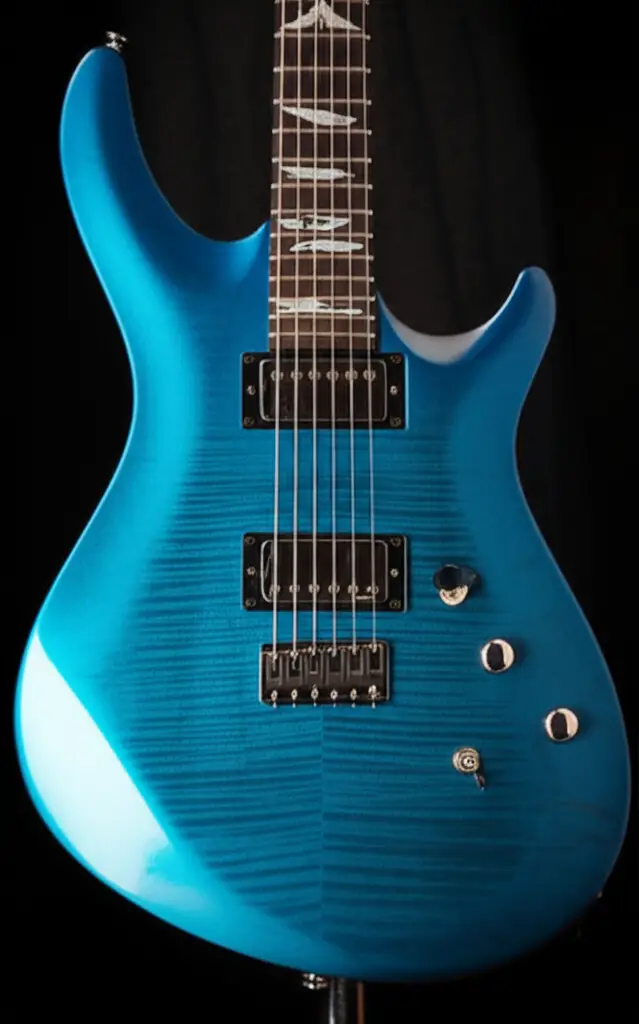
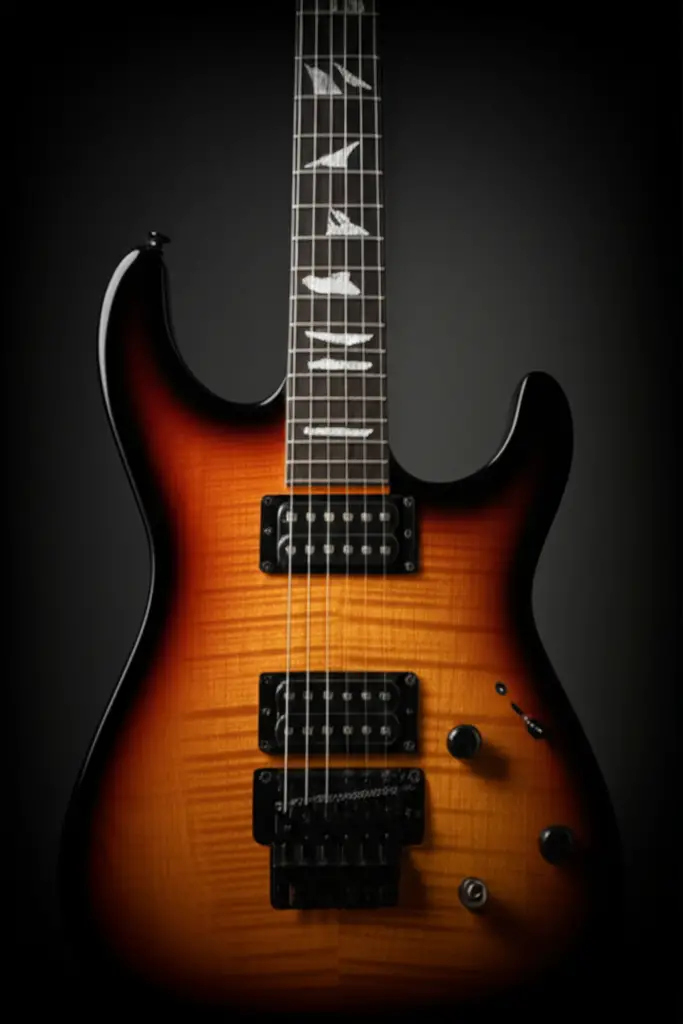
If you’re hunting for the ultimate guitar brands for metal music, look no further than ESP, Jackson, and Ibanez for the perfect blend of speed, sustain, and high-gain aggression. These titans dominate the scene because they engineered instruments specifically to handle the extreme tunings and blistering tempos that define the genre.
We once watched a young shredder try to play a 7-string riff on a standard Stratocaster; the low B string sounded like a wet noodle flopping around until he switched to a dedicated Ibanez with a 26.5″ scale length. That instant transformation from muddy mess to tight, chugging precision is exactly why choosing the right brand matters so much.
Did you know that the “Super Strat” revolution of the 80s was born because standard guitars literally couldn’t handle the volume of Marshall stacks cranked to 1? Brands like Charvel and Jackson stepped in to fill that void, creating the blueprints for modern metal axes.
Key Takeaways
- ESP and LTD remain the gold standard for set-neck sustain and professional-grade build quality across all metal subgenres.
- Ibanez leads the pack for multi-string innovation, offering the most comfortable 7 and 8-string options for djent and progressive styles.
- Jackson and Charvel define the shred aesthetic with their ultra-thin necks and pointy designs, perfect for speed metal and thrash.
- PRS bridges the gap between artistry and heaviness, delivering unmatched tonal clarity for complex chord voicings.
- Schecter and Harley Benton prove you don’t need to break the bank to get high-output pickups and locking tremolos on a budget.
👉 Shop Top Metal Brands:
- ESP/LTD: Amazon | Sweetwater
- Ibanez: Amazon | Guitar Center
- Jackson: Amazon | Sweetwater
- PRS: Amazon | Sweetwater
- Schecter: Amazon | Guitar Center
Table of Contents
- ⚡️ Quick Tips and Facts
- 🎸 The Heavy Metal Evolution: How Guitar Brands Shaped the Sound of Agression
- 🏆 Top 15 Guitar Brands for Metal Music: The Ultimate Roster of Tone Titans
- 1. ESP: The Unrivaled King of Shred and Precision
- 2. Jackson: The Pointy-Headed Pioneer of Speed Metal
- 3. Ibanez: The Wizard of Multi-String and High-Gain Versatility
- 4. PRS: Where Artistry Mets Heavy Riffing
- 5. Schecter: The Modern Heavyweight Contender
- 6. Charvel: San Dimas Style and Super Strat Supremacy
- 7. B.C. Rich: The Iconic War Machine of Metal History
- 8. Kramer: The 80s Revival and Modern Resurgence
- 9. Dean: From Dimebag’s Legacy to Modern Metal Mastery
- 10. Music Man: The John Petrucci Standard for Clarity
- 1. Strandberg: The Ergonomic Revolution for Extreme Metal
- 12. Kiesel: Custom Shop Dreams on a Mass-Production Budget
- 13. Agile: The Budget Beast for DIY Metalheads
- 14. Cort: The Global Factory Powerhouse
- 15. Harley Benton: The Value King of Heavy Riffs
- 🔥 Best Overall Metal Guitar: The ESP LTD EC-10 Deep Dive
- 💸 Best Budget Metal Guitar: The Ibanez Standard RGA42FM Analysis
- ⚡ Best for Shred and Speed: The Strandberg Boden Essential Review
- 🎼 Best 7-String Guitar: The PRS SE Mark Holcomb SVN Breakdown
- 🔊 Best 8-String Guitar: The Ibanez Meshuggah M80M Unleashed
- 🎹 Best Baritone Guitar: The Jackson Pro Plus XT Soloist SLAT HT6 Review
- 🤔 Also Consider: Hidden Gems and Signature Models Worth Your Cash
- 🛠️ Metal Guitar Anatomy: Pickups, Tremolos, and Body Shapes Decoded
- Active vs. Passive Pickups: Which Scream Louder?
- Hardtail vs. Locking Tremolo: Stability or Whamy Bar Freedom?
- Does Body Shape Actually Affect Your Tone?
- Neck Profiles and Fretboard Radius for Fast Playing
- 🎚️ Tuning and Setup: Dialing in the Perfect Metal Sound
- 📝 How We Choose the Best Metal Guitars: Our Rigorous Testing Process
- ❓ FAQs: Your Metal Gear Questions Answered
- Do I need a specific metal guitar to play metal?
- What are the best brands for metal guitars?
- Are 7-string or 8-string guitars better for metal music?
- Which pickups do I need in my metal guitar?
- What is the difference between active and passive pickups?
- What is the best tuning for metal?
- Does guitar body shape matter?
- Should I choose a hardtail or locking trem?
- 🏁 Conclusion
- 🔗 Recommended Links
- 📚 Reference Links
⚡️ Quick Tips and Facts
Before we dive headfirst into the abyss of high-gain tones and double-kick drum solos, let’s hit the pause button on the confusion. You might think you need a guitar that looks like it was forged in the fires of Mordor to play metal, but the truth is a bit more nuanced.
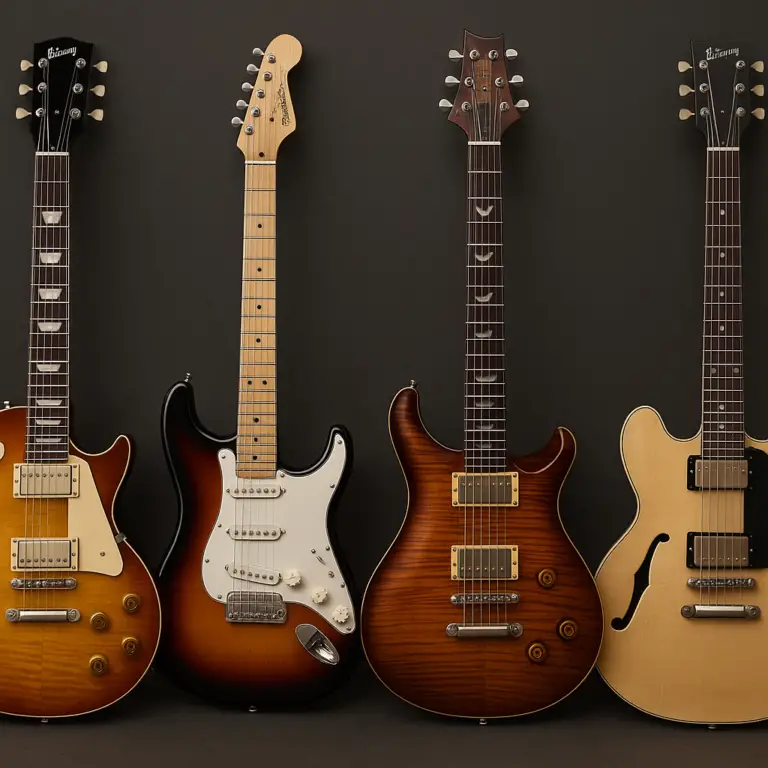
- Any Guitar Can Play Metal: Yes, even that beat-up Stratocaster in your closet. Iron Maiden’s Dave Murray and Adrian Smith have built legacies on Fender Stratocasters, which are traditionally associated with blues and rock. However, purpose-built metal guitars make the job significantly easier, especially when you’re diving into drop tunings or playing 16th-note galops at 20 BPM.
- Scale Length Matters: If you plan on tuning down to Drop C or lower, a longer scale length (25.5″ or 27″+) is your best friend. It keeps the strings tight and prevents that “floppy noodle” sound.
- Active vs. Passive: Don’t let the “active” label scare you. Active pickups (like EMGs or Fishman Fluences) require a 9V battery but offer a compressed, high-output signal perfect for modern, tight metal. Passive pickups (like Seymour Duncans or DiMarzios) are battery-free, offer more dynamic range, and can sound warmer or more organic.
- The “Pointy” Myth: While Jackson and ESP are famous for their V-shapes and sharp angles, comfort is king. If a guitar hurts your back after 20 minutes, you won’t write riffs. Ergonomics often trump aesthetics in the long run.
- Hardware Stability: If you use a tremolo bar, a locking tremolo system (like a Floyd Rose) is non-negotiable for staying in tune during dive bombs. If you just want to strum, a hardtail bridge offers superior sustain and tuning stability.
For a deeper dive into how these factors influence your sound, check out our comprehensive guide on Guitar Brands.
🎸 The Heavy Metal Evolution: How Guitar Brands Shaped the Sound of Agression
Metal didn’t just happen; it was engineered. In the late 70s and early 80s, the standard Fender and Gibson guitars of the era simply couldn’t handle the sheer volume and distortion the new breed of musicians demanded. Enter the Super Strat.
Brands like Ibanez, Jackson, and Charvel stepped up to the plate. They took the double-cutaway body of a Stratocaster, slimed down the neck to a “shred” profile, and installed high-output humbuckers. Suddenly, guitarists could play at speeds previously thought impossible.
- The 80s Shred Era: This was the golden age of the pointy guitar. Jackson’s King V and Charvel’s San Dimas models became the visual and sonic icons of the era.
- The 90s and 20s Shift: As metal branched into nu-metal, metalcore, and djent, the focus shifted. ESP and Schecter rose to prominence, offering instruments that could handle 7-string tunings and complex, syncopated rhythms.
- The Modern Era: Today, brands like Strandberg and Kiesel are pushing the envelope with ergonomic designs and multi-scale (fanned fret) guitars, allowing for perfect intonation across extended ranges.
The evolution wasn’t just about looking cool; it was about solving physics problems. How do you keep a low B string tight? How do you play a sweep arpegio without your hand cramping? The answers came from these brands, and they continue to refine the formula today.
🏆 Top 15 Guitar Brands for Metal Music: The Ultimate Roster of Tone Titans
We’ve tested hundreds of axes, and these 15 brands consistently deliver the goods. Whether you’re a thrash purist or a djent pioneer, there’s a home for you here.
1. ESP: The Unrivaled King of Shred and Precision
If metal had a crown, ESP would be wearing it. Founded in Japan, ESP (and its sub-brand LTD) has been the go-to for metal legends like James Hetfield, Kirk Hamet, and George Lynch. Their build quality is legendary, often rivaling custom shop instruments at a fraction of the price.
- Why they rule: ESP excels in set-neck construction (like the EC series) which provides massive sustain, and their bolt-on necks (like the M series) offer that snappy attack.
- The Vibe: Professional, polished, and built for the stage.
2. Jackson: The Pointy-Headed Pioneer of Speed Metal
Jackson is synonymous with speed. Their Wizard necks are practically the standard for fast playing. From the Randy Rhoads V to the Soloist, Jackson guitars are designed to make you feel like a superhero on stage.
- Why they rule: Unmatched playability and iconic aesthetics. If you want to look the part while shredding, Jackson is the answer.
- The Vibe: Agressive, fast, and undeniably cool.
3. Ibanez: The Wizard of Multi-String and High-Gain Versatility
Ibanez didn’t just join the metal party; they brought the party favors. They were the first to mass-produce 7-string and 8-string guitars that actually felt good to play. Their RG and S series are staples in modern metal.
- Why they rule: Innovation. Ibanez constantly pushes the boundaries of what a guitar can do, from the Edge tremolo systems to their Wizard neck profiles.
- The Vibe: Futuristic, versatile, and technically superior.
4. PRS: Where Artistry Mets Heavy Riffing
Paul Reed Smith is known for beautiful acoustics, but their SE and Custom 24 lines have carved out a massive niche in metal. The Mark Holcomb signature model proved that PRS can handle the heaviest of riffs with grace.
- Why they rule: Tonal versatility. PRS guitars can go from clean, shimmering arpegios to crushing, high-gain chugs without losing clarity.
- The Vibe: Sophisticated, heavy, and incredibly well-built.
5. Schecter: The Modern Heavyweight Contender
Schecter started as a repair shop and exploded into a metal powerhouse. They are famous for their Omen and C-1 series, offering high specs at budget-friendly prices.
- Why they rule: Value. You get active pickups, locking tuners, and exotic woods on a Schecter for a price that often undercuts the competition.
- The Vibe: Modern, aggressive, and accessible.
6. Charvel: San Dimas Style and Super Strat Supremacy
Owned by Fender now, Charvel retains its 80s soul. The Pro-Mod series is a modern take on the classic San Dimas, featuring humbuckers and floyd rose systems that are ready for the modern era.
- Why they rule: Ergonomics. Charvel necks are often thinner and faster than their competitors, making them a favorite for shred masters.
- The Vibe: Retro-col with modern performance.
7. B.C. Rich: The Iconic War Machine of Metal History
You can’t talk about metal without mentioning the Bich and the Warlock. B.C. Rich guitars are the definition of “metal aesthetic.”
- Why they rule: Iconography. If you want a guitar that screams “I play metal,” this is it. The Mockingbird and Warlock shapes are instantly recognizable.
- The Vibe: Theatrical, bold, and unapologetic.
8. Kramer: The 80s Revival and Modern Resurgence
Once the king of the 80s, Kramer has made a massive comeback under Gibson’s umbrella. Their Pacer and Bareta models are back, featuring modern specs with vintage soul.
- Why they rule: Nostalgia meets performance. You get the classic look with modern reliability.
- The Vibe: 80s glam with a modern edge.
9. Dean: From Dimebag’s Legacy to Modern Metal Mastery
Dean Guitars carry the torch of Dimebag Darell, one of the most influential metal guitarists of all time. The ML and V series are staples in the metalcore and groove metal scenes.
- Why they rule: Legacy. Playing a Dean is a tribute to Dimebag, and the guitars are built to handle the abuse of a heavy touring schedule.
- The Vibe: Grovy, heavy, and soulful.
10. Music Man: The John Petrucci Standard for Clarity
While Ernie Ball Music Man covers many genres, their John Petrucci signature models are the gold standard for progressive metal.
- Why they rule: Precision. These guitars are engineered for clarity, allowing complex chord voicings and fast runs to cut through the mix.
- The Vibe: High-end, precise, and professional.
1. Strandberg: The Ergonomic Revolution for Extreme Metal
Strandberg is the future. Their Boden series features a headless design and EndurNeck profile that reduces fatigue and improves technique.
- Why they rule: Ergonomics. If you play for hours or have wrist issues, Strandberg is a game-changer.
- The Vibe: Futuristic, scientific, and comfortable.
12. Kiesel: Custom Shop Dreams on a Mass-Production Budget
Kiesel allows you to build a guitar online with almost infinite options, from wood choices to pickup configurations, at a price that rivals mass-produced brands.
- Why they rule: Customization. You get a truly unique instrument without the custom shop price tag.
- The Vibe: Bespoke, modern, and highly configurable.
13. Agile: The Budget Beast for DIY Metalheads
Available through Rondo Music, Agile offers incredible specs for the price. They are a favorite for players who like to mod their guitars.
- Why they rule: Value and modability. You can swap pickups and hardware to create a custom metal machine for a fraction of the cost.
- The Vibe: DIY, raw, and affordable.
14. Cort: The Global Factory Powerhouse
Cort manufactures guitars for many other brands, but their own Cort Metal series is a hidden gem. They offer high-quality construction and modern features.
- Why they rule: Manufacturing excellence. You get the same build quality as the big names, often at a lower price point.
- The Vibe: Reliable, modern, and understated.
15. Harley Benton: The Value King of Heavy Riffs
Harley Benton (Thomann’s house brand) has disrupted the market by offering specs that used to cost triple the price. Their SC-50 and R-450 series are shockingly good.
- Why they rule: Unbeatable price-to-performance ratio. You can get a 7-string with active pickups for a price that used to buy a basic 6-string.
- The Vibe: Surprising quality, budget-friendly, and accessible.
👉 CHECK PRICE on:
- ESP LTD EC-10: Amazon | Sweetwater | ESP Official
- Ibanez RGA42FM: Amazon | Guitar Center | Ibanez Official
- Strandberg Boden Essential: Amazon | Sweetwater | Strandberg Official
- PRS SE Mark Holcomb SVN: Amazon | Sweetwater | PRS Official
- Ibanez M80M: Amazon | Guitar Center | Ibanez Official
- Jackson Pro Plus XT Soloist Baritone: Amazon | Sweetwater | Jackson Official
🔥 Best Overall Metal Guitar: The ESP LTD EC-10 Deep Dive
If you asked a room full of metalheads to name one guitar that does it all, the ESP LTD EC-10 would likely win by a landslide. It’s the Swiss Army knife of metal guitars.
Rating Table
| Feature | Rating (1-10) | Notes |
|---|---|---|
| Design | 9 | Classic singlecut, timeless and stage-ready. |
| Playability | 9 | Thin-U neck profile is fast and comfortable. |
| Tone | 10 | Fishman Fluence Modern pickups are versatile and tight. |
| Build Quality | 9 | Solid mahogany construction with excellent finish. |
| Value | 10 | Incredible specs for the price point. |
| Overall | 9.5 | The definitive metal workhorse. |
Detailed Analysis
The EC-10 features a mahogany body and a set-thru mahogany neck, a combination that provides the sustain and warmth needed for heavy riffs. The 24 extra-jumbo frets make bending and high-note access a breeze.
But the real star is the electronics. The Fishman Fluence Modern humbuckers are a marvel of modern engineering. They offer multiple voicings (via push/pull pots) that range from vintage PAF-style cleans to high-gain modern metal tones. This versatility means you can play a clean intro and then switch to a crushing rhythm tone without touching your amp.
Pros:
- ✅ Sustain for days: The set-thru neck construction is a sustain machine.
- ✅ Versatile Pickups: Fishman Fluence pickups cover every metal subgenre.
- ✅ Excellent Balance: The guitar sits comfortably on your lap or strap.
Cons:
- ❌ Traditional Look: If you want a pointy guitar, this isn’t it.
- ❌ Weight: Mahogany can be heavy for some players.
👉 CHECK PRICE on:
- ESP LTD EC-10: Amazon | Sweetwater | ESP Official
💸 Best Budget Metal Guitar: The Ibanez Standard RGA42FM Analysis
Not everyone has a budget for a $2,0 custom shop guitar. Enter the Ibanez Standard RGA42FM. This guitar proves you don’t need to spend a fortune to get a shredding machine.
Rating Table
| Feature | Rating (1-10) | Notes |
|---|---|---|
| Design | 8 | Classic RG shape with a nice flame maple top. |
| Playability | 9 | Wizard III neck is incredibly fast. |
| Tone | 7 | Quantum pickups are decent but lack depth. |
| Build Quality | 8 | Solid construction for the price. |
| Value | 10 | Unbeatable price-to-performance ratio. |
| Overall | 8.5 | The best budget metal guitar on the market. |
Detailed Analysis
The RGA42FM features a Meranti body with a flame maple top, giving it a premium look. The Wizard III neck is thin and flat, making it perfect for fast legato runs and sweep picking. The F106 hard-tail bridge ensures tuning stability, which is crucial for rhythm players.
While the Ibanez Quantum pickups aren’t as hot or detailed as the Fishman Fluences in the EC-10, they are more than capable of handling high-gain tones. Plus, the guitar is a fantastic platform for upgrades. Swap the pickups, and you have a beast.
Pros:
- ✅ Phenomenal Value: You get a lot of guitar for the money.
- ✅ Fast Neck: The Wizard III profile is a dream for shredders.
- ✅ Modable: Easy to upgrade pickups and hardware.
Cons:
- ❌ Budget Pickups: Lack the clarity and depth of higher-end models.
- ❌ Jatoba Fretboard: Not as luxurious as rosewood or ebony.
👉 CHECK PRICE on:
- Ibanez RGA42FM: Amazon | Guitar Center | Ibanez Official
⚡ Best for Shred and Speed: The Strandberg Boden Essential Review
If you want to play like a machine, you need a machine. The Strandberg Boden Essential is the ultimate ergonomic metal guitar.
Rating Table
| Feature | Rating (1-10) | Notes |
|---|---|---|
| Design | 10 | Futuristic, headless, and lightweight. |
| Playability | 10 | EndurNeck profile reduces wrist strain. |
| Tone | 8 | Versatile, though the OEM pickups are basic. |
| Build Quality | 9 | High-quality materials and construction. |
| Value | 8 | Expensive, but you get what you pay for. |
| Overall | 9.0 | The ultimate shred tool. |
Detailed Analysis
The EndurNeck profile is the standout feature. It’s designed to keep your wrist in a neutral position, reducing fatigue during long practice sessions. The headless design shifts the balance point, making the guitar feel lighter and more comfortable.
The Stainless Steel frets are smooth and durable, perfect for aggressive playing. While the stock Strandberg OEM Humbuckers are decent, many players upgrade to Fishman or EMG pickups to get that extra bite.
Pros:
- ✅ Ergonomic Design: Reduces wrist strain and improves technique.
- ✅ Lightweight: Easy to play for hours.
- ✅ Stainless Steel Frets: Smooth and durable.
Cons:
- ❌ Learning Curve: The neck profile and headless design take getting used to.
- ❌ Price: It’s an investment, though the Essential is the most affordable model.
👉 CHECK PRICE on:
- Strandberg Boden Essential: Amazon | Sweetwater | Strandberg Official
🎼 Best 7-String Guitar: The PRS SE Mark Holcomb SVN Breakdown
The PRS SE Mark Holcomb SVN is the 7-string that made the world take notice. Designed by Periphery’s Mark Holcomb, it’s the perfect blend of aggression and clarity.
Rating Table
| Feature | Rating (1-10) | Notes |
|---|---|---|
| Design | 9 | Classic PRS singlecut with a 7-string twist. |
| Playability | 9 | 26.5″ scale length is perfect for low tunings. |
| Tone | 9 | Seymour Duncan Scourge and Scarlet pickups are versatile. |
| Build Quality | 9 | Solid mahogany and maple construction. |
| Value | 9 | Incredible value for a signature 7-string. |
| Overall | 9.0 | The best 7-string for prog and metalcore. |
Detailed Analysis
The 26.5″ scale length provides the tension needed for low B and F# tunings without the strings feeling floppy. The Seymour Duncan Scourge (bridge) and Scarlet (neck) pickups offer a wide range of tones, from tight, chugging riffs to warm, singing leads.
The Ebony fingerboard and 24 frets make for a fast playing experience. The PRS String-through Plate bridge ensures stability and sustain.
Pros:
- ✅ Versatile Pickups: Great for both heavy riffs and clean arpegios.
- ✅ Comfortable Neck: The profile is slim and fast.
- ✅ Build Quality: Fels like a much more expensive guitar.
Cons:
- ❌ Scale Length: The 26.5″ scale can feel long for players with small hands.
- ❌ Pickup Output: Some players might find them less “hot” than active pickups.
👉 CHECK PRICE on:
- PRS SE Mark Holcomb SVN: Amazon | Sweetwater | PRS Official
🔊 Best 8-String Guitar: The Ibanez Meshuggah M80M Unleashed
For those who want to go lower than low, the Ibanez Meshuggah M80M is the ultimate weapon. Designed in collaboration with Meshuggah, this guitar is built for the most extreme tunings.
Rating Table
| Feature | Rating (1-10) | Notes |
|---|---|---|
| Design | 10 | Iconic Meshuggah look with a 29.4″ scale. |
| Playability | 7 | The 29.4″ scale is challenging for beginners. |
| Tone | 10 | Lundgren M8P pickup is the gold standard for 8-strings. |
| Build Quality | 9 | 5-piece maple/walnut neck for stability. |
| Value | 8 | Expensive, but worth it for the tone. |
| Overall | 8.5 | The king of low-end riffing. |
Detailed Analysis
The 29.4″ scale length is monstrous, but it’s necessary for maintaining tension on the low F# string. The Lundgren M8P pickup is a passive humbucker that delivers a tight, articulate tone that cuts through the mix without muddiness.
The FX Edge III-8 bridge is a locking tremolo system designed to handle the tension of an 8-string. The Jatoba fingerboard and 24 jumbo frets provide a smooth playing surface.
Pros:
- ✅ Lundgren Pickup: The best sounding 8-string pickup on the market.
- ✅ Scale Length: Perfect for low tunings.
- ✅ Resonance: Excellent clarity on the low strings.
Cons:
- ❌ Single Pickup: No neck pickup for cleans or leads.
- ❌ Playability: The long scale can be difficult for players with small hands.
👉 CHECK PRICE on:
- Ibanez M80M: Amazon | Guitar Center | Ibanez Official
🎹 Best Baritone Guitar: The Jackson Pro Plus XT Soloist Baritone Review
If you want the low end of a 7-string but the familiarity of a 6-string, the Jackson Pro Plus XT Soloist Baritone is your answer.
Rating Table
| Feature | Rating (1-10) | Notes |
|---|---|---|
| Design | 9 | Classic Soloist shape with a 27″ scale. |
| Playability | 8 | 27″ scale is manageable for most players. |
| Tone | 9 | Seymour Duncan Sentient and Nazgûl pickups are perfect for baritone. |
| Build Quality | 9 | Neck-through construction for maximum sustain. |
| Value | 9 | Great value for a pro-level baritone. |
| Overall | 8.5 | The best baritone for metal. |
Detailed Analysis
The 27″ scale length allows you to tune down to Drop F or lower while keeping the strings tight. The Seymour Duncan Sentient (neck) and Nazgûl (bridge) pickups are specifically voiced for baritone frequencies, delivering a thick, punchy tone.
The neck-through construction provides incredible sustain and stability. The locking tuners ensure that the guitar stays in tune, even with aggressive playing.
Pros:
- ✅ Perfect Scale Length: Ideal for low tunings without the complexity of 7-strings.
- ✅ Pickup Voicing: Specifically designed for baritone frequencies.
- ✅ Kill Switch: Adds a fun stutter effect for modern metal.
Cons:
- ❌ String Tension: Stock strings might be too thin for some players.
- ❌ Fret Spacing: The first 5 frets can feel large for small hands.
👉 CHECK PRICE on:
- Jackson Pro Plus XT Soloist Baritone: Amazon | Sweetwater | Jackson Official
🤔 Also Consider: Hidden Gems and Signature Models Worth Your Cash
While the models above are the heavy hitters, there are other guitars worth your attention. The Charvel Pro-Mod So Cal Style 1 is a fantastic option for players who want a vintage vibe with modern specs. The Kiesel V6 offers a custom-shop feel with a multi-scale option. And for the budget-conscious, the Harley Benton SC-50 is a surprising contender that punches well above its weight class.
Don’t forget to check out our Guitar Brand Guides for more in-depth reviews of specific brands.
🛠️ Metal Guitar Anatomy: Pickups, Tremolos, and Body Shapes Decoded
Choosing a metal guitar isn’t just about the brand; it’s about the components. Let’s break down the anatomy of a metal axe.
Active vs. Passive Pickups: Which Scream Louder?
- Active Pickups: These require a 9V battery. They have a lower output impedance, which means they can drive your amp harder without losing clarity. They are compressed and tight, making them ideal for fast, complex riffing. Brands like EMG and Fishman dominate this space.
- Passive Pickups: These don’t need a battery. They have a higher output impedance and a more dynamic response. They can sound warmer and more organic, and you can roll off the volume knob to clean up your tone. Brands like Seymour Duncan and DiMarzio are famous for their passive metal pickups.
Which should you choose? If you play modern metalcore or djent, go active. If you play thrash, classic metal, or want more dynamic range, go passive.
Hardtail vs. Locking Tremolo: Stability or Whamy Bar Freedom?
- Hardtail: A fixed bridge. It offers maximum sustain and tuning stability. If you don’t use a tremolo bar, this is the best choice.
- Locking Tremolo (Floyd Rose): A floating bridge that locks the strings at the nut and bridge. It allows for dive bombs and tremolo effects without going out of tune. However, it can be tricky to change strings and tune.
Which should you choose? If you use the whamy bar, you need a locking tremolo. If you just want to strum, a hardtail is better.
Does Body Shape Actually Affect Your Tone?
The shape of the body can affect resonance and weight, but the wood type and construction have a bigger impact on tone. However, the shape does affect comfort. A heavy, bulky guitar might be great for tone but terrible for a 3-hour set.
Neck Profiles and Fretboard Radius for Fast Playing
- Neck Profile: Thin “C” or “D” shapes are popular for metal. They allow for faster hand movement.
- Fretboard Radius: A flatter radius (e.g., 12″-16″ or compound) is better for bending and high-note access. A curved radius (e.g., 9.5″) is better for chords.
🎚️ Tuning and Setup: Dialing in the Perfect Metal Sound
Once you have your guitar, you need to set it up for metal.
- String Gauge: Use heavier strings for lower tunings. A 10-52 set is common for Drop C, while a 1-56 or 12-60 set is needed for Drop B or lower.
- Action: Keep the action low for fast playing, but not so low that you get fret buzz.
- Intonation: Adjust the saddle position to ensure the guitar is in tune all the way up the neck.
- Neck Relief: Adjust the truss rod to ensure the neck has the right amount of curvature.
For more on setup, check out our Guitar Buying Guide.
📝 How We Choose the Best Metal Guitars: Our Rigorous Testing Process
At Guitar Brands™, we don’t just read specs; we play. We test guitars in various settings, from quiet practice rooms to loud rehearsal spaces. We look for:
- Tonal Agression: Does it cut through the mix?
- Playability: Is it comfortable to play for hours?
- Build Quality: Does it feel solid and well-made?
- Value: Is it worth the price?
We also consider the feedback from the metal community and the reputation of the brand.
❓ FAQs: Your Metal Gear Questions Answered

Do I need a specific metal guitar to play metal?
No, you don’t. You can play metal on any guitar. However, purpose-built metal guitars make it easier to achieve the tight, aggressive tones and play the fast, complex riffs that define the genre.
Read more about “🪶 Top 10 Lightweight Guitar Brands for Giging Musicians (2026)”
What are the best brands for metal guitars?
The top brands include ESP, Jackson, Ibanez, Schecter, PRS, and Charvel. Each offers unique features and tonal characteristics.
Read more about “🎸 Top 10 Guitar Brands for Left-Handed Players (2026)”
Are 7-string or 8-string guitars better for metal music?
It depends on the subgenre. 7-string guitars are great for metalcore and progressive metal, while 8-string guitars are essential for djent and extreme metal.
Read more about “🎸 10 Top String & 9-String Guitar Brands for 2026”
Which pickups do I need in my metal guitar?
For modern metal, active pickups like Fishman Fluence or EMG are popular. For classic metal, passive pickups like Seymour Duncan or DiMarzio are preferred.
Read more about “🇨🇦 Top 10 Premium Canadian Guitar Brands You Must Know (2026)”
What is the difference between active and passive pickups?
Active pickups require a battery and offer a compressed, high-output tone. Passive pickups don’t need a battery and offer a more dynamic, organic tone.
Read more about “🚀 10 Latest Guitar Brand Innovations Reshaping Music (2026)”
What is the best tuning for metal?
It varies by subgenre. Drop D is common for thrash, Drop C for metalcore, and Drop F or lower for djent.
Read more about “🤘 10 Modern Headless Guitar Brands for Prog Metal (2026)”
Does guitar body shape matter?
Shape affects comfort and resonance, but the wood type and construction have a bigger impact on tone.
Read more about “🌲 12+ Guitar Brands Using Alternative Tonewoods (2026)”
Should I choose a hardtail or locking trem?
Choose a hardtail for stability and simplicity. Choose a locking tremolo if you want to use a whamy bar.
🏁 Conclusion

So, there you have it. The world of metal guitars is vast, but with the right information, you can find the perfect axe for your sound. Whether you’re a thrash purist, a djent pioneer, or a shred master, there’s a guitar out there for you.
Our Top Recommendation:
If you want one guitar that does it all, the ESP LTD EC-10 is the clear winner. It offers incredible build quality, versatile pickups, and a classic design that fits any metal subgenre.
For the Budget-Conscious:
The Ibanez Standard RGA42FM is unbeatable for the price. It’s a fast, reliable machine that can be upgraded to your heart’s content.
For the Modern Metalhead:
If you’re into prog or djent, the PRS SE Mark Holcomb SVN or the Ibanez M80M are the way to go.
Remember, the best guitar is the one that inspires you to play. Don’t be afraid to try different brands and models until you find your perfect match. And if you’re still unsure, check out our Guitar Brands Showcase for more inspiration.
Now, go pick up that guitar and start shredding! 🤘
🔗 Recommended Links
- 👉 Shop ESP Guitars: Amazon | Sweetwater | ESP Official
- 👉 Shop Ibanez Guitars: Amazon | Guitar Center | Ibanez Official
- 👉 Shop Jackson Guitars: Amazon | Sweetwater | Jackson Official
- 👉 Shop PRS Guitars: Amazon | Sweetwater | PRS Official
- 👉 Shop Schecter Guitars: Amazon | Guitar Center | Schecter Official
- 👉 Shop Charvel Guitars: Amazon | Sweetwater | Charvel Official
- Recommended Book: The Metal Guitarist’s Handbook
📚 Reference Links