Support our educational content for free when you purchase through links on our site. Learn more
🎸 Ukulele History: 17 Surprising Facts & Stories (2025)

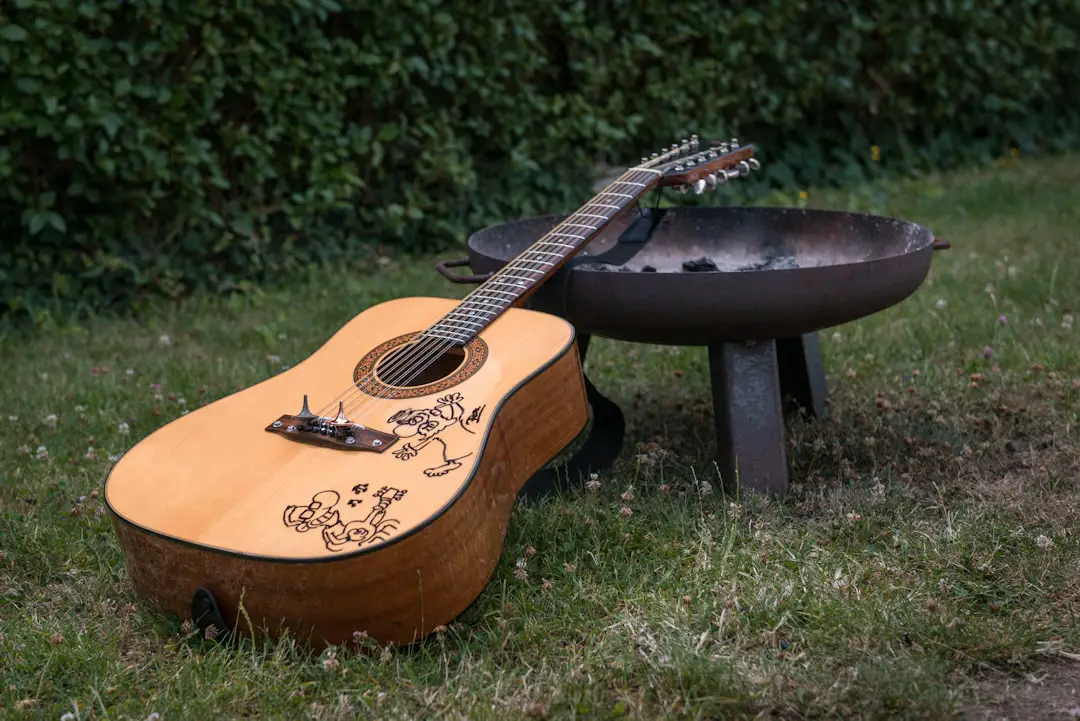
Ever wondered how a tiny four-stringed instrument from a faraway island became a global symbol of joy, rebellion, and musical freedom? The ukulele’s history is a wild ride—one that starts with Portuguese sailors, gets a royal Hawaiian twist, and ends up in the hands of everyone from George Harrison to Billie Eilish. Whether you’re a seasoned strummer or just uke-curious, you’re about to discover why this “jumping flea” keeps leaping into the spotlight.
Here’s a fun fact to get you strumming: sales of ukuleles have skyrocketed by over 500% in the last decade! That’s not just a trend—it’s a full-blown musical movement. And if you think you know the ukulele, wait until you learn about its secret ancestors, its role in moon landings, and the quirky ways it’s shaped pop culture. Ready to dive in? We promise, there’s more to this story than meets the ear—so stick around for some jaw-dropping ukulele trivia and pro tips on picking your perfect uke.
Key Takeaways
- The ukulele’s roots trace back to Portuguese immigrants and Hawaiian royalty.
- Four main types—soprano, concert, tenor, and baritone—each with their own sound and vibe.
- Modern ukulele boom: Sales have exploded, thanks to pop culture and education.
- Famous fans include Israel Kamakawiwo’ole, George Harrison, and Billie Eilish.
- Easy to learn, fun to play: The ukulele is perfect for beginners and pros alike.
- Choosing your first uke? Go with trusted brands like Kala, Cordoba, or Martin.
👉 Shop Top Ukulele Brands:
Ready to strum through history? Let’s jump in!
Table of Contents
- ⚡️ Quick Tips and Facts
- 🌺 The Ukulele’s Origins: Tracing Its Roots in History
- 🌊 From Portugal to Paradise: How the Ukulele Landed in Hawaii
- 🎶 Evolution of the Ukulele: Design, Materials, and Craftsmanship
- 🎸 Types of Ukuleles: Sizes, Shapes, and Sounds
- 🔧 Anatomy of a Ukulele: Construction and Key Features
- 🎵 Ukulele Tuning and Playing Styles: From Traditional to Modern
- 🌍 Ukulele Around the World: Global Influence and Cultural Impact
- 🎤 Famous Ukulele Players and Iconic Performances
- 📈 The Ukulele Revival: Pop Culture, Education, and the Modern Boom
- 🔗 Related Instruments: Cousins of the Ukulele
- 🎧 Listen Up! Essential Ukulele Audio Samples and Recordings
- 🛠️ How to Choose Your First Ukulele: Tips from the Pros
- 🧩 Fun Facts and Surprising Trivia About the Ukulele
- 📚 Further Reading: Best Books and Documentaries on Ukulele History
- 📝 Conclusion: Why the Ukulele Still Strums Our Hearts
- 🔗 Recommended Links
- ❓ FAQ: Your Ukulele History Questions Answered
- 📖 Reference Links
⚡️ Quick Tips and Facts
- The ukulele is a four-stringed chordophone that originated in Hawaii in the late 19th century, inspired by Portuguese instruments like the braguinha and machete de braga.
- Its name means “jumping flea” in Hawaiian—a nod to the lively fingerwork required to play it (Wikipedia).
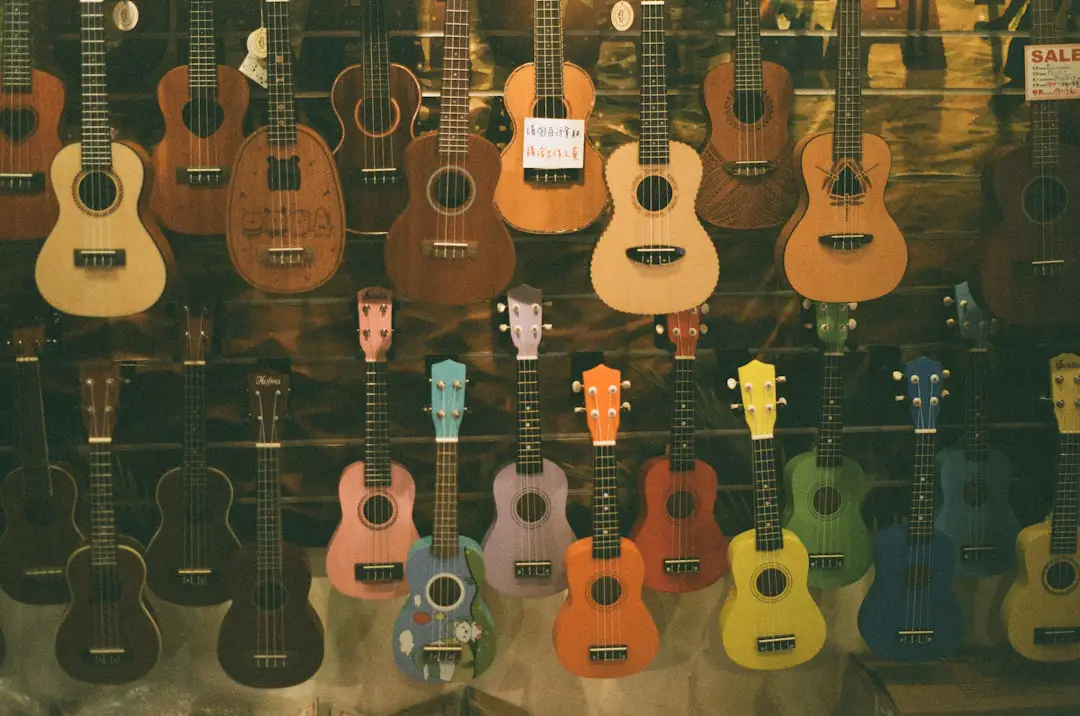
- There are four main sizes: soprano, concert, tenor, and baritone. Each offers a unique sound and feel.
- Famous fans include George Harrison, Neil Armstrong, and Israel Kamakawiwo’ole.
- The ukulele’s popularity has boomed in the 21st century, with sales growing over 500% in the past decade (Statista).
- Modern ukuleles use nylon strings (originally gut), and are made from woods like mahogany, koa, and maple.
- It’s one of the easiest instruments to learn—perfect for beginners, kids, and anyone wanting to strum a little sunshine into their life.
Want to dive deeper? Stick with us—there’s a lot more to this “jumping flea” than meets the eye!
🌺 The Ukulele’s Origins: Tracing Its Roots in History
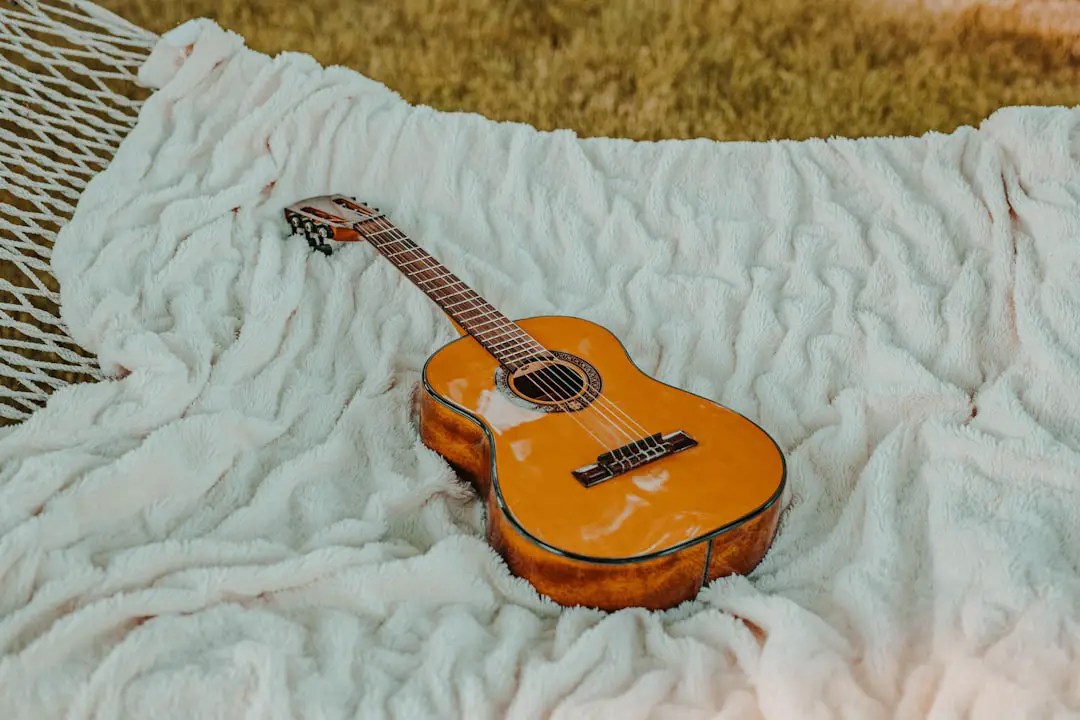
The Portuguese Connection
The ukulele’s story starts not in Hawaii, but in Portugal. Specifically, the island of Madeira, where a small, guitar-like instrument called the braguinha (or machete de braga) was popular. In 1879, Portuguese immigrants, including Manuel Nunes, José do Espírito Santo, and Augusto Dias, arrived in Hawaii, bringing their beloved braguinha with them (The Met Museum).
Hawaiian Embrace
The Hawaiians were instantly charmed. They adapted the instrument, tweaking its design and tuning, and soon it became a staple of local music. The instrument was renamed ukulele, a word that, according to legend, means “jumping flea”—either for the quick finger movements or after a nimble court musician nicknamed “Uku Lele” (Stage Music Center).
Royal Approval
King David Kalākaua, Hawaii’s “Merrie Monarch,” was a huge fan. He made the ukulele a centerpiece of royal performances, especially the hula, and helped cement its place in Hawaiian culture (Wikipedia).
🌊 From Portugal to Paradise: How the Ukulele Landed in Hawaii
The Journey Across the Seas
Imagine: It’s 1879. A ship called the Ravenscrag docks in Honolulu, carrying Portuguese laborers and their braguinhas. The Hawaiians are so enchanted by the lively music that within weeks, local woodworkers are crafting their own versions.
The Big Three Luthiers
The first Hawaiian ukuleles were built by Nunes, Dias, and do Espírito Santo. Their instruments quickly gained popularity, and their descendants still make ukuleles today. If you ever get your hands on a Kamaka or Martin ukulele, you’re holding a piece of this legacy (Kamaka Official Website).
Cultural Fusion
The ukulele became more than an instrument—it became a symbol of Hawaii’s melting pot culture. It was used to accompany hula, entertain royalty, and eventually, charm the world.
🎶 Evolution of the Ukulele: Design, Materials, and Craftsmanship
Early Construction
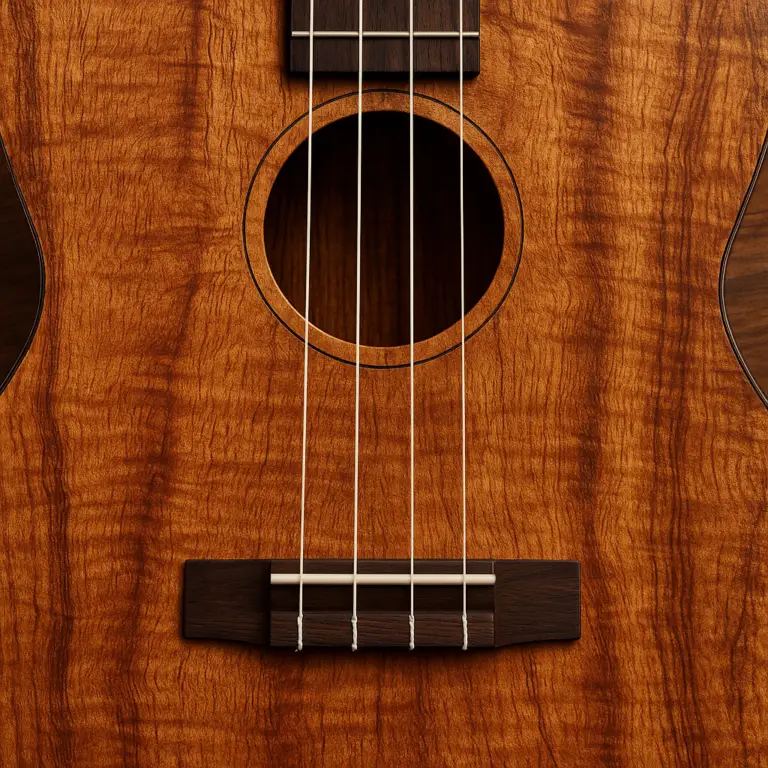
The earliest ukuleles were made from koa wood, native to Hawaii, prized for its beauty and resonance. Over time, makers experimented with mahogany, maple, and even plastic (hello, 1950s!).
Modern Innovations
Today, you’ll find ukuleles with solid wood tops for richer sound, laminate bodies for durability, and even carbon fiber models for the adventurous. Brands like Kala, Luna, and Cordoba push the envelope with unique shapes and finishes (Kala Official Website, Cordoba Official Website).
| Material | Sound Quality | Durability | Common Brands |
|---|---|---|---|
| Koa | ⭐⭐⭐⭐⭐ | ⭐⭐⭐⭐ | Kamaka, KoAloha |
| Mahogany | ⭐⭐⭐⭐ | ⭐⭐⭐⭐ | Martin, Kala |
| Maple | ⭐⭐⭐ | ⭐⭐⭐⭐⭐ | Luna, Cordoba |
| Plastic | ⭐⭐ | ⭐⭐⭐⭐⭐ | Kala Waterman |
Craftsmanship
Handmade ukuleles from Hawaii (think Kamaka or KoAloha) are legendary for their tone and artistry. Mass-produced models are more affordable and accessible, but may lack the same magic. We’ve played both, and while a $50 uke can be fun, a handcrafted Hawaiian model? Pure aloha.
🎸 Types of Ukuleles: Sizes, Shapes, and Sounds
Let’s break down the four main ukulele sizes—each with its own personality:
| Size | Scale Length | Typical Tuning | Sound Character | Best For |
|---|---|---|---|---|
| Soprano | 13″ | G-C-E-A | Bright, classic | Beginners, traditional |
| Concert | 15″ | G-C-E-A | Warmer, louder | Intermediate, performers |
| Tenor | 17″ | G-C-E-A | Deeper, fuller | Soloists, fingerstyle |
| Baritone | 19″ | D-G-B-E | Deep, mellow | Guitarists, jazz/folk |
Soprano
The OG ukulele. Light, portable, and that classic “Hawaiian” sound. If you want authenticity, start here.
Concert
A bit bigger, with more room on the fretboard. Great for those with larger hands or anyone wanting a fuller sound.
Tenor
More bass, more volume, and a favorite among professional players (shout-out to Jake Shimabukuro!).
Baritone
Tuned like the top four strings of a guitar—perfect for guitarists making the switch. Deep, rich, and a bit of a rebel in the uke world.
Other Variants
- Bass Ukulele: For those who want to lay down some low-end groove (Wikipedia).
- Banjo Ukulele: Banjo body, uke neck—quirky and loud.
- Electric Ukulele: Plug in and rock out.
🔧 Anatomy of a Ukulele: Construction and Key Features
Let’s get under the hood. Here’s what makes a ukulele tick:
| Part | Function | Notes |
|---|---|---|
| Body | Amplifies sound | Wood type affects tone |
| Neck | Houses fretboard and frets | Longer neck = more frets |
| Fretboard | Where you press strings | Rosewood, ebony, or maple |
| Bridge | Anchors strings to body | Placement critical for intonation |
| Nut | Guides strings at headstock | Material affects sustain |
| Tuners | Adjust string tension | Geared or friction types |
| Soundhole | Projects sound | Round or decorative shapes |
Key Features to Look For
- Solid wood top for better resonance (vs. all-laminate).
- Geared tuners for easier, more accurate tuning.
- Comfortable neck profile—especially important for beginners.
Drawbacks
- Cheaper ukes may have poor intonation and tuning stability.
- Plastic models are durable but can sound thin.
🎵 Ukulele Tuning and Playing Styles: From Traditional to Modern
Standard Tunings
- Soprano/Concert/Tenor: G-C-E-A (reentrant tuning, high G)
- Baritone: D-G-B-E (like the top four guitar strings)
Other tunings exist (A-D-F#-B, low G, etc.), but G-C-E-A is the gold standard (Wikipedia).
Tuning Table
| Size | Standard Tuning | Alternate Tuning | Notes |
|---|---|---|---|
| Soprano | G-C-E-A | A-D-F#-B | Classic “island” sound |
| Concert | G-C-E-A | Low G | Warmer, deeper |
| Tenor | G-C-E-A | Low G | More bass |
| Baritone | D-G-B-E | G-C-E-A | Guitar-like |
Playing Styles
- Strumming: The heart of Hawaiian music—use your thumb, fingers, or a felt pick.
- Fingerpicking: Great for melodies and solo arrangements.
- Chunking: Percussive muting for a rhythmic groove.
Pro Tip
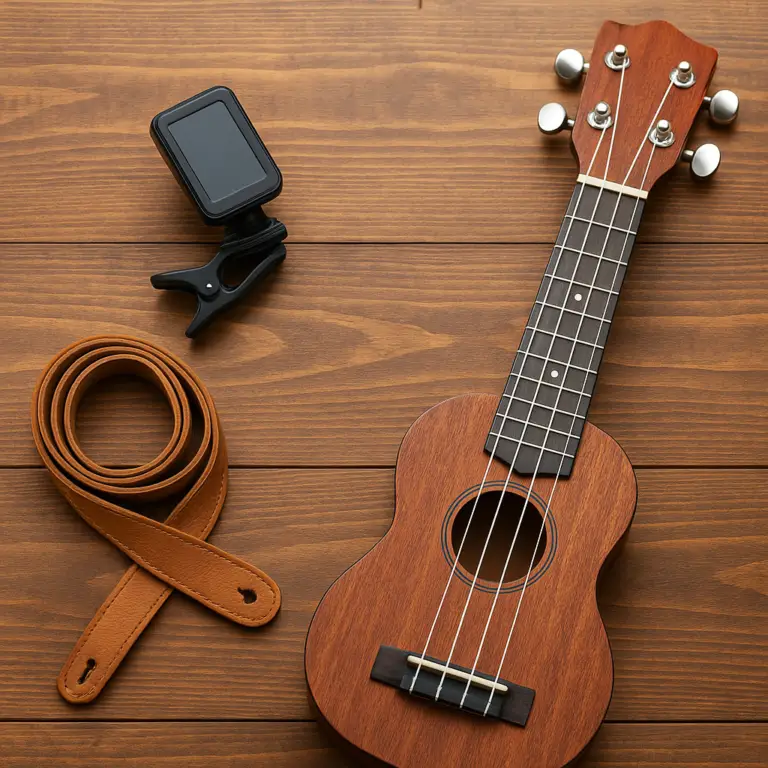
Use a clip-on tuner (like the Snark SN6X) for quick, accurate tuning.
👉 CHECK PRICE on: Amazon | Guitar Center | Sweetwater
🌍 Ukulele Around the World: Global Influence and Cultural Impact
The Hawaiian Export
By the early 20th century, the ukulele had become a Hawaiian icon. But it didn’t stop there! It made its way to the mainland US, Europe, and beyond, riding waves of popularity in the Jazz Age, the folk revival, and today’s indie pop scene (Wikipedia).
Worldwide Adoption
- Japan: The ukulele is huge—there are entire orchestras dedicated to it!
- UK: George Formby made it a music hall staple.
- US Mainland: From vaudeville to YouTube, the uke keeps finding new fans.
Cultural Impact
The ukulele’s cheerful sound has made it a symbol of optimism and joy. It’s used in classrooms, therapy, and even space (Neil Armstrong played one after his moon landing!).
🎤 Famous Ukulele Players and Iconic Performances
Legends and Modern Masters
- Israel Kamakawiwo’ole: His version of “Somewhere Over the Rainbow” is legendary (YouTube).
- Jake Shimabukuro: The Hendrix of the ukulele—watch his “While My Guitar Gently Weeps” (YouTube).
- George Harrison: Had a collection of hundreds of ukuleles and spread the love to his Beatles bandmates.
- Grace VanderWaal: Brought the uke to a new generation on America’s Got Talent.
Iconic Performances
- Tiny Tim: “Tiptoe Through the Tulips” (quirky, unforgettable).
- Amanda Palmer: Punk cabaret with a uke twist.
📈 The Ukulele Revival: Pop Culture, Education, and the Modern Boom
The Comeback Kid
After a dip in the 1950s (thanks, rock & roll), the ukulele is back with a vengeance. Sales have skyrocketed—1.77 million sold in the US from 2009 to 2018 (Statista).
Why the Boom?
- Easy to learn: Three chords and you’re playing songs.
- Affordable: Great starter instrument.
- Portable: Take it anywhere.
- YouTube & Social Media: Tutorials and viral covers galore.
In Schools
Music educators love the uke for its accessibility. It’s now a classroom staple from Hawaii to Helsinki.
In Pop Culture
From Jason Mraz’s “I’m Yours” to Vance Joy’s “Riptide,” the ukulele is everywhere. Even Billie Eilish has a signature model (Fender Official).
🔗 Related Instruments: Cousins of the Ukulele
The ukulele has a big, musical family:
| Instrument | Relation to Ukulele | Unique Features |
|---|---|---|
| Braguinha | Ancestor | Four strings, small body |
| Machete de Braga | Ancestor | Portuguese roots |
| Cavaquinho | Cousin | Used in Brazilian music |
| Taropatch | Sibling | Eight strings, double courses |
| Banjo Ukulele | Hybrid | Banjo body, uke neck |
| Guitarlele | Hybrid | Six strings, guitar tuning |
Want to explore more stringed wonders? Check out our Guitar Brands Showcase and Acoustic Guitars categories.
🎧 Listen Up! Essential Ukulele Audio Samples and Recordings
Must-Hear Tracks
- Israel Kamakawiwo’ole – “Somewhere Over the Rainbow” (YouTube)
- Jake Shimabukuro – “While My Guitar Gently Weeps” (YouTube)
- Grace VanderWaal – “I Don’t Know My Name” (YouTube)
- George Formby – “When I’m Cleaning Windows” (YouTube)
Sample Different Sizes
- Soprano vs. Concert vs. Tenor vs. Baritone (Kala Sound Samples)
Tutorials
🛠️ How to Choose Your First Ukulele: Tips from the Pros
Rating Table: What Matters Most
| Aspect | Importance (1-10) | Our Take |
|---|---|---|
| Design | 8 | Looks matter—choose what inspires you! |
| Playability | 10 | Comfort and action are crucial. |
| Sound Quality | 9 | Go for solid wood if possible. |
| Durability | 8 | Laminate is tough, solid wood is delicate. |
| Tuning Stability | 9 | Geared tuners are a must. |
| Brand Reputation | 8 | Stick with trusted names for your first uke. |
Step-by-Step: Picking Your Uke
- Decide on Size: Soprano for tradition, concert for comfort, tenor for versatility, baritone for depth.
- Choose Material: Solid wood for tone, laminate for durability.
- Check the Action: Low, buzz-free action is easier for beginners.
- Inspect Tuners: Geared tuners make life easier.
- Test the Sound: If possible, play before you buy—or listen to sound samples online.
Recommended Brands
- Kala: Amazon | Guitar Center | Kala Official Website
- Cordoba: Amazon | Guitar Center | Cordoba Official Website
- Martin: Amazon | Guitar Center | Martin Official Website
- Luna: Amazon | Guitar Center | Luna Official Website
Internal Resources
For more guidance, check out our Guitar Buying Guide and Guitar Brand Guides.
🧩 Fun Facts and Surprising Trivia About the Ukulele
- Neil Armstrong played the ukulele to unwind after returning from the moon (Stage Music Center).
- George Harrison was a ukulele superfan—he’d give them away to friends!
- The first ukulele is believed to have been built in 1879, but its inventor is unknown.
- Jason Mraz’s “I’m Yours” is the top-selling ukulele song of all time.
- Early ukulele strings were made from sheep or cat gut—today, it’s all about nylon.
- Ukulele sales have grown 500-600% in recent years.
- The Metropolitan Museum of Art has an 1880s ukulele in its collection (The Met).
📚 Further Reading: Best Books and Documentaries on Ukulele History
Books
- “The Ukulele: A History” by Jim Tranquada and John King (Amazon)
- “Ukulele Heroes: The Golden Age” by Ian Whitcomb (Amazon)
Documentaries
- “Mighty Uke: The Amazing Comeback of a Musical Underdog” (Official Site)
- “Jake Shimabukuro: Life on Four Strings” (PBS)
Online Resources
Ready to strum your way into ukulele history? Keep reading for our final thoughts, FAQs, and all the best links to keep your uke journey going!
📝 Conclusion: Why the Ukulele Still Strums Our Hearts
From its humble Portuguese roots to its royal embrace in Hawaii, the ukulele’s journey is as colorful as its sound. We’ve seen how this “jumping flea” leapt across oceans, cultures, and genres—spreading joy, creativity, and a bit of island sunshine wherever it landed. Whether you’re a beginner strumming your first chord or a seasoned player chasing the perfect tone, the ukulele offers accessibility, portability, and pure fun that few instruments can match.
Positives:
✅ Easy to learn and play
✅ Affordable entry points
✅ Portable and lightweight
✅ Versatile across genres
✅ Rich, cheerful sound
✅ Deep cultural roots and modern appeal
Negatives:
❌ Limited range compared to full-size guitars
❌ Cheaper models may have tuning/intonation issues
❌ Not ideal for heavy strumming or aggressive styles
Our Recommendation:
If you’re looking for an instrument that’s as welcoming as a Hawaiian breeze and as expressive as a Beatles melody, the ukulele is your ticket. Start with a reputable brand like Kala, Cordoba, or Martin—and don’t be afraid to explore the unique tones of Hawaiian-made models like Kamaka. The world of ukulele is vast, friendly, and always ready for another player. So, what are you waiting for? Jump in and let your fingers dance!
🔗 Recommended Links
👉 Shop Top Ukulele Brands and Gear:
- Kala Ukuleles: Amazon | Guitar Center | Kala Official Website
- Cordoba Ukuleles: Amazon | Guitar Center | Cordoba Official Website
- Martin Ukuleles: Amazon | Guitar Center | Martin Official Website
- Luna Ukuleles: Amazon | Guitar Center | Luna Official Website
- Kamaka Ukuleles: Kamaka Official Website
- Fender Ukuleles: Amazon | Fender Official Website
Recommended Books:
- The Ukulele: A History by Jim Tranquada and John King: Amazon
- Ukulele Heroes: The Golden Age by Ian Whitcomb: Amazon
Explore More:
- Guitar Brands Showcase
- Guitar Buying Guide
- Guitar Brand Guides
- Acoustic Guitars
- Bass Guitars
- Ukulele at Guitar Brands™
❓ FAQ: Your Ukulele History Questions Answered
What is the origin of the ukulele and how did it become popular?
The ukulele originated from the Portuguese braguinha (or machete de braga), brought to Hawaii by Madeiran immigrants in 1879. Local craftsmen adapted the instrument, and it was quickly embraced by Hawaiians—especially after King David Kalākaua made it a royal favorite. Its catchy sound and easy playability propelled it into the mainstream, first in Hawaii and then worldwide through vaudeville, jazz, and pop (Wikipedia, The Met Museum).
How does the ukulele differ from other stringed instruments like the guitar?
- Size & Portability: Ukuleles are smaller and lighter than guitars.
- Strings: Ukuleles have four nylon strings, while guitars typically have six steel or nylon strings.
- Tuning: Standard ukulele tuning is G-C-E-A, while guitars are tuned E-A-D-G-B-E.
- Sound: Ukuleles produce a brighter, more percussive sound.
- Playability: Ukuleles are easier for beginners due to fewer strings and softer tension.
For more, see our Acoustic Guitars section.
Read more about “12 Types of Ukulele Wood You Must Know in 2025 🎸”
What role did Hawaiian culture play in the development and evolution of the ukulele?
Hawaiian culture was instrumental in shaping the ukulele’s identity. The instrument was adapted to suit Hawaiian music and became a symbol of local pride. King Kalākaua’s patronage brought the ukulele into hula and royal ceremonies, embedding it in the cultural fabric of the islands. Its cheerful sound became synonymous with Hawaiian hospitality and joy (Stage Music Center).
Read more about “Is Ukulele a Girly Instrument? 🤔”
Who are some famous musicians that have contributed to the popularity of the ukulele?
- Israel Kamakawiwo’ole: His soulful “Somewhere Over the Rainbow” is iconic.
- Jake Shimabukuro: Modern virtuoso known for technical brilliance.
- George Harrison: Beatles legend and ukulele evangelist.
- Grace VanderWaal: Brought the uke to Gen Z via America’s Got Talent.
- Tiny Tim: Made the uke a pop culture oddity with “Tiptoe Through the Tulips.”
What are the different types of ukuleles and their unique characteristics?
- Soprano: Smallest, classic sound, great for beginners.
- Concert: Slightly larger, fuller tone, more frets.
- Tenor: Even bigger, deeper sound, favored by pros.
- Baritone: Largest, tuned like a guitar, mellow tone.
- Other Variants: Bass ukulele, banjo ukulele, electric ukulele—each with unique features.
See our detailed comparison table above for more specifics.
Read more about “What Are All of the Guitar Names? 10 Types You Need to Know! 🎸 …”
How has the ukulele influenced other genres of music and instruments?
The ukulele has crossed into jazz, folk, pop, indie, and even punk. Its simplicity and charm have inspired hybrid instruments (banjo uke, guitarlele) and have made it a staple in music education and therapy. Artists from Eddie Vedder to Billie Eilish have used it to create fresh sounds in unexpected genres.
What is the significance of the ukulele in modern music and its continued relevance today?
The ukulele’s resurgence is fueled by its accessibility, affordability, and social media presence. It’s a favorite for music educators, a go-to for viral covers, and a symbol of positivity in uncertain times. Its continued relevance is seen in classrooms, on big stages, and in the hands of hobbyists worldwide.
Are there any health or educational benefits to learning the ukulele?
Absolutely! Playing the ukulele improves hand-eye coordination, boosts brain function, and reduces stress. It’s also a fantastic gateway for children and adults to enter the world of music, thanks to its simplicity and instant gratification.
Read more about “Where Can I Find 10 Best Ukulele Lessons Online or In-Person? 🎸 (2025)”
How do I maintain and care for my ukulele?
- Keep it in a case when not in use.
- Avoid extreme temperatures and humidity.
- Change strings regularly.
- Wipe down after playing to prevent buildup.
- Check tuning pegs for stability.
Read more about “How to Play Ukulele: 12 Essential Steps to Strum Like a Pro 🎶 (2025)”
Where can I find reliable ukulele tutorials and lessons?
- YouTube: Tons of free lessons (see our audio/video links above).
- Local music schools: Many offer group or private ukulele classes.
- Online platforms: Fender Play, JustinGuitar, and Ukulele Underground are excellent resources.
Read more about “Which Guitar Brand is Best for Beginners? Top 10 Picks for 2025! 🎸”
📖 Reference Links
- Ukulele at Wikipedia
- Ukulele History at The Met Museum
- Ukulele: History & Fun Facts — Stage Music Center In Acton and Winchester MA
- Kala Official Website
- Cordoba Official Website
- Martin Official Website
- Luna Official Website
- Kamaka Official Website
- Fender Official Website
- Statista: Ukulele Market Data
- Mighty Uke Documentary
- Jake Shimabukuro: Life on Four Strings (PBS)
- Ukulele at Guitar Brands™
Ready to start your own ukulele adventure? Strum on, and let the music take you places!