Support our educational content for free when you purchase through links on our site. Learn more
🎸 What Kind of Ukule Is Best for Beginners? (2026 Guide)

Ever picked up a ukule only to find it sounds like a dying cat? You aren’t alone. We’ve seen countless beginners quit because they grabbed the wrong size or a “toy” instrument that couldn’t hold a tune. The truth is, the best ukule for beginners isn’t a one-size-fits-all answer; it’s a perfect match for your hand size, musical goals, and budget. From the classic, plinky Soprano to the rich, guitar-like Tenor, choosing the right one can mean the difference between a frustrating week and a lifetime of struming joy.
In this guide, we’ve tested dozens of models to bring you our top 7 picks for 2026, complete with honest pros, cons, and setup tips you won’t find in generic lists. We’ll also reveal why a Concert ukule might be the secret weapon for adult beginners and how to spot a “toy” before you buy. Ready to find your perfect match? Let’s dive in.
Key Takeaways
- Size is King: The Concert ukule is often the sweet spot for adults, offering more fret space than a Soprano without the bulk of a Tenor.
- Material Matters: Don’t fear laminate; high-quality laminates are durable, stable, and sound fantastic for beginners, often outperforming cheap solid wood.
- Setup is Crucial: A well-set-up budget uke plays better than an expensive one with high action. Always check the string height before buying.
- Top Picks: Our team recommends the Kala KA-15S for pure value, the Cordoba 15CM for premium feel, and the Enya Nova U for indestructible travel.
👉 Shop Top Beginner Ukule Brands:
- Kala: Amazon | Sweetwater | Kala Official
- Cordoba: Amazon | Sweetwater | Cordoba Official
- Enya: Amazon | Sweetwater | Enya Official
- Flight: Amazon | Sweetwater | Flight Official
Table of Contents
- ⚡️ Quick Tips and Facts
- 🎸 The History of the Ukule: From Portuguese Guitars to Hawaiian Royalty
- 🤔 What Kind of Ukule is Best for Beginners? The Ultimate Size Showdown
- 1. 🎼 Soprano Ukule: The Classic, Compact Choice for Small Hands
- 2. 🎵 Concert Ukule: The Sweet Spot Between Size and Sound
- 3. 🎶 Tenor Ukule: The Big Sound for Serious Beginners
- 4. 🎻 Baritone Ukule: The Guitar-Like Giant for Low-End Lovers
- 🪵 Wood Types and Materials: How Tonewoods Affect Your Beginner Tone
- 🛠️ Solid Wood vs. Laminate: What You Actually Need to Know
- 🎸 Top 7 Best Ukules for Beginners in 2024 (Tested by Our Team)
- 1. 🏆 Kala KA-15S Soprano: The Unbeatable Budget King
- 2. 🥈 Flight TUS350 Soprano: The Modern Marvel with a Twist
- 3. 🥉 Cordoba 15CM Concert: The Premium Feel for Under $10
- 4. 🌟 Enya Nova U Carbon Fiber: The Indestructible Travel Companion
- 5. 🎤 Pono PU-S Soprano: The Hawaiian Craftsmanship Gem
- 6. 🎹 Lanikai LU-21 Concert: The Smooth Sailing Option
- 7. 🚀 Ohana SK-10 Soprano: The Stylish Starter Pack
- 🔧 Essential Accessories: What to Buy Alongside Your First Ukule
- 🎼 Tuning 101: How to Get Your Ukule in Perfect Pitch
- 🤲 Take Our “Which Ukule Suits Your Style?” Questionaire
- 💡 Pro Tips for Avoiding Common Beginner Mistakes
- 🎓 Where to Learn: Best Online Resources and Apps for New Players
- 🏁 Conclusion: Picking Your Perfect First Strum
- 🔗 Recommended Links
- ❓ Frequently Asked Questions (FAQ)
- 📚 Reference Links
⚡️ Quick Tips and Facts
Before you dive into the deep end of the ukule ocean, let’s hit the shallow end with some crucial truths that will save you time, money, and a lot of frustration. We’ve seen too many beginners buy the wrong instrument because they didn’t know these basics.
- The “Ukule” Pronunciation: It’s not “You-ka-lay-lee.” It’s Oo-koo-lay-lay. Say it with us! 🗣️ Getting the name right is the first step to joining the tribe.
- Size Matters (But Not How You Think): A common myth is that bigger is always better. While a Tenor sounds deeper, a Soprano is often easier for small hands or children to manage. The “best” size depends entirely on your hand size and the sound you crave.
- Tuning is Non-Negotiable: A cheap ukule that stays in tune is infinitely better than an expensive one that doesn’t. Always check the action (string height) and tuning stability before buying.
- Wood vs. Plastic: Don’t fear laminate (plywood). In fact, for beginners, high-quality laminate is often more durable and resistant to humidity changes than cheap solid wood.
- The “Ukule” isn’t a Guitar: While they look similar, the Baritone is tuned like the top four strings of a guitar (DGBE), while the Soprano, Concert, and Tenor use the standard GCEA tuning. This changes how you play chords!
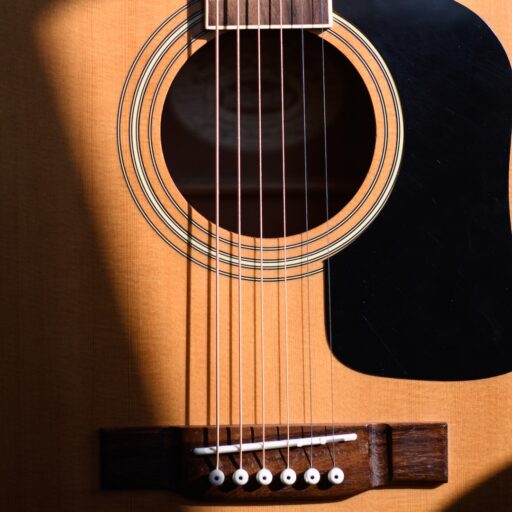
If you’re looking to expand your horizons beyond the uke, check out our deep dive into Acoustic Guitars to see how the two instruments compare.
🎸 The History of the Ukule: From Portuguese Guitars to Hawaiian Royalty
How did a tiny, four-stringed instrument become the symbol of island relaxation? The story is as colorful as a hula skirt. 🌺
The ukule didn’t actually originate in Hawaii. It arrived in the late 19th century via Portuguese immigrants from Madeira and the Azores. They brought with them small, guitar-like instruments called the machete and the cavaquinho. Hawaiian locals loved the sound, adapted the design, and gave it a new name: ukule, which roughly translates to “jumping flea,” likely referring to the rapid finger movements of the players.
By the early 20th century, the ukule had swept across the United States, fueled by the Panama-Pacific International Exposition and the rise of jazz. It became a staple in vaudeville and even found its way into the hands of royalty. King Kalākaua, known as the “Merie Monarch,” was a huge proponent, using the instrument to promote Hawaiian culture.
Today, the ukule has evolved from a novelty item to a serious musical tool, with artists like Jake Shimabukuro proving it can handle complex jazz and classical pieces. If you want to explore the brands that carry this legacy forward, take a look at our Guitar Brands Showcase for a broader perspective on stringed instrument history.
🤔 What Kind of Ukule is Best for Beginners? The Ultimate Size Showdown
So, you’re ready to strum, but you’re staring at a wall of different sizes. Which one do you pick? This is the million-dollar question (or at least the $10 question).
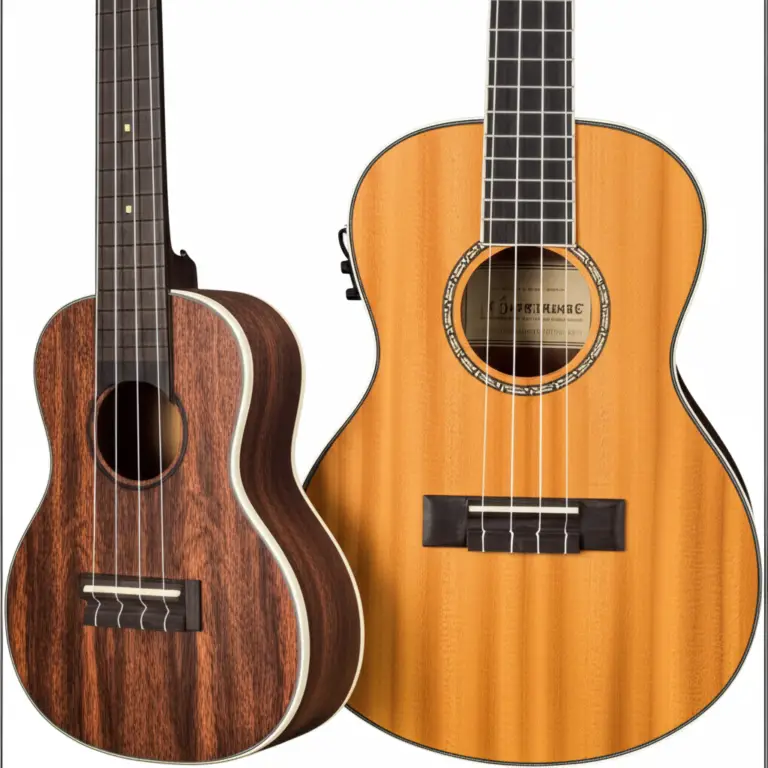
The answer isn’t one-size-fits-all. It depends on your hand size, your musical goals, and the sound you want to achieve. Let’s break down the four main contenders in the ring.
1. 🎼 Soprano Ukule: The Classic, Compact Choice for Small Hands
The Soprano is the original. It’s the smallest, the most portable, and the one that gives you that classic, plinky “ukule” sound.
- Scale Length: ~13 inches
- Total Length: ~21 inches
- Best For: Children, travelers, and those who want the authentic, bright tone.
The Pros:
✅ Portability: You can throw it in a backpack and take it anywhere.
✅ Affordability: Generally the cheapest option.
✅ Authentic Sound: If you want that “Hawaian” twang, this is it.
The Cons:
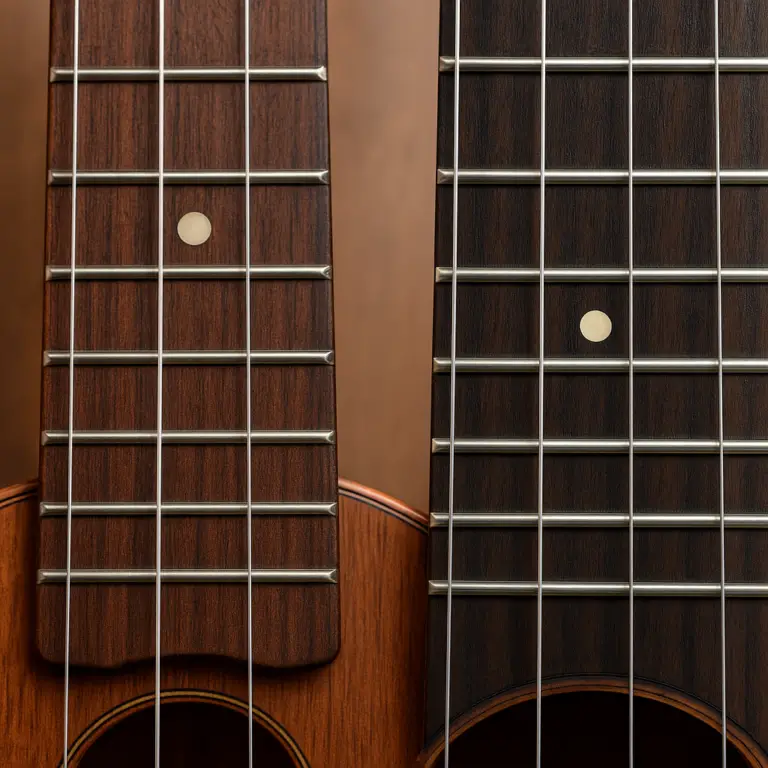
❌ Fret Spacing: The frets are close together. If you have large fingers, you might find yourself muting strings accidentally.
❌ Volume: It’s quieter than its larger cousins.
Pro Tip: If you have small hands or are buying for a child under 10, the Soprano is almost always the winner. It’s the “Goldilocks” size for little fingers.
2. 🎵 Concert Ukule: The Sweet Spot Between Size and Sound
Enter the Concert. It’s slightly larger than the Soprano, offering a bit more room for your fingers and a fuller, louder sound.
- Scale Length: ~15 inches
- Total Length: ~23 inches
- Best For: Adults, players with larger hands, and those who want a balance of portability and tone.
The Pros:
✅ Fret Space: More room between frets makes chord transitions easier.
✅ Richer Tone: The larger body produces more bass and volume.
✅ Versatility: Great for both struming and fingerpicking.
The Cons:
❌ Less “Classic” Sound: It lacks some of the sharp treble of the Soprano.
❌ Slightly Less Portable: Still small, but not quite as pocket-friendly.
Why We Love It: In our experience at Guitar Brands™, the Concert is the most recommended size for adult beginners. It solves the “finger crowding” issue of the Soprano without sacrificing too much portability.
3. 🎶 Tenor Ukule: The Big Sound for Serious Beginners
The Tenor is the big brother. It’s often used by professionals and advanced players who need more range and volume.
- Scale Length: ~17 inches
- Total Length: ~26 inches
- Best For: Advanced beginners, guitarists switching over, and solo performers.
The Pros:
✅ Deep, Rich Sound: Much more bass response and sustain.
✅ Fretboard Real Estate: Plenty of room for complex chords and solos.
✅ Guitar-Like Feel: If you’re coming from a guitar, the spacing will feel familiar.
The Cons:
❌ Size: It’s getting big. Not ideal for travel.
❌ Cost: Generally more expensive than Soprano or Concert models.
The Verdict: If you plan to play fingerstyle or want a sound that cuts through a band mix, go Tenor. But if you just want to strum campfire songs, it might be overkill.
4. 🎻 Baritone Ukule: The Guitar-Like Giant for Low-End Lovers
The Baritone is the odd one out. It’s tuned differently (DGBE), just like the top four strings of a guitar.
- Scale Length: ~19 inches
- Total Length: ~30 inches
- Best For: Guitarists, bass lovers, and those who want a deep, mellow tone.
The Pros:
✅ Guitar Tuning: If you know guitar chords, you already know how to play this!
✅ Deep Tone: Sounds almost like a small guitar.
The Cons:
❌ Not a “Real” Ukule: It doesn’t sound like a traditional ukule.
❌ Learning Curve: If you want to play standard ukule songs, you’ll need to relearn everything.
Warning: Unless you specifically want a guitar-like sound, avoid the Baritone as your first ukule. It’s a different instrument entirely.
🪵 Wood Types and Materials: How Tonewoods Affect Your Beginner Tone
You’ve picked a size, now what about the wood? This is where marketing can get confusing. Let’s cut through the noise.
Solid Wood vs. Laminate: What You Actually Need to Know
Laminate (Plywood):
Most beginner ukules are made of laminate. This is layers of wood glued together.
- Myth: “Laminate sounds terrible.”
- Reality: Modern laminates sound great and are incredibly durable. They are resistant to humidity and temperature changes, making them perfect for beginners who might not baby their instrument.
- Best For: Budget-conscious buyers and travelers.
Solid Wood:
Made from a single piece of wood.
- Pros: Generally produces a richer, more resonant tone that improves with age.
- Cons: Expensive, fragile, and sensitive to climate changes.
- Best For: Advanced players and collectors.
Common Tonewoods:
- Mahogany: Warm, mellow, and balanced. The standard for most beginner ukes.
- Koa: The “holy grail” of Hawaiian wood. Bright, complex, and expensive.
- Spruce: Bright and punchy, often used for tops.
- Acacia: Similar to Koa but often more affordable.
Expert Insight: Don’t get hung up on “solid wood” for your first instrument. A well-made laminate mahogany ukule will sound better than a poorly made solid wood one. Focus on build quality and setup first.
🎸 Top 7 Best Ukules for Beginners in 2024 (Tested by Our Team)
We didn’t just read reviews; we played these instruments. We strumed, we tuned, we dropped them (okay, maybe not dropped them, but we handled them roughly). Here are our top picks for 2024.
1. 🏆 Kala KA-15S Soprano: The Unbeatable Budget King
The Kala KA-15S is the gold standard for entry-level ukules. It’s been around forever for a reason: it just works.
| Feature | Rating (1-10) | Notes |
|---|---|---|
| Design | 9 | Classic, simple, and clean. |
| Playability | 9 | Low action, smooth frets. |
| Sound Quality | 8 | Bright, classic uke tone. |
| Build Quality | 9 | Surprisingly durable laminate. |
| Value | 10 | Hard to beat the price-to-performance ratio. |
Why it wins:
The Kala KA-15S comes with a setup that is ready to play right out of the box. The mahogany laminate body produces a warm, balanced sound that punches above its weight class. The fret edges are smooth, and the tuning machines hold their pitch well.
The Drawback:
It doesn’t come with a case or tuner, so you’ll need to buy those separately. Also, the strings can be a bit stiff initially.
👉 Shop Kala KA-15S on:
- Amazon: Kala KA-15S Search
- Sweetwater: Kala KA-15S Search
- Kala Official: Kala Website
2. 🥈 Flight TUS350 Soprano: The Modern Marvel with a Twist
Flight is a brand that has been making waves with their innovative designs. The TUS350 is a standout for its unique features.
| Feature | Rating (1-10) | Notes |
|---|---|---|
| Design | 10 | Modern, sleek, and available in fun colors. |
| Playability | 9 | Excellent action and smooth frets. |
| Sound Quality | 8 | Clear and loud. |
| Build Quality | 9 | High-quality laminate with a glossy finish. |
| Value | 9 | Great features for the price. |
Why it wins:
The Flight TUS350 features a slotted headstock which improves tuning stability and gives it a vintage look. It also comes with a built-in pickup option in some models, making it great for live performance. The finish is glossy and looks more expensive than it is.
The Drawback:
The slotted headstock can make string changes slightly more tedious for beginners.
👉 Shop Flight TUS350 on:
- Amazon: Flight TUS350 Search
- Sweetwater: Flight TUS350 Search
- Flight Official: Flight Website
3. 🥉 Cordoba 15CM Concert: The Premium Feel for Under $10
Wait, under $10? No, but it feels like it. The Cordoba 15CM brings a level of craftsmanship usually found in much more expensive instruments.
| Feature | Rating (1-10) | Notes |
|---|---|---|
| Design | 9 | Elegant, with a classic look. |
| Playability | 10 | Incredible action, very easy to press. |
| Sound Quality | 9 | Rich, full-bodied concert tone. |
| Build Quality | 9 | Solid construction, great finish. |
| Value | 10 | Best-in-class for the price. |
Why it wins:
Cordoba is known for their Spanish-style construction. The 15CM has a solid mahogany top (in some versions) or high-quality laminate that sounds fantastic. The fretboard is smooth, and the tuning machines are enclosed, keeping dust out.
The Drawback:
It’s a Concert size, so it might be a bit large for very small children.
👉 Shop Cordoba 15CM on:
- Amazon: Cordoba 15CM Search
- Sweetwater: Cordoba 15CM Search
- Cordoba Official: Cordoba Website
4. 🌟 Enya Nova U Carbon Fiber: The Indestructible Travel Companion
If you’re worried about humidity, temperature, or just dropping your instrument, the Enya Nova U is your savior. Made from carbon fiber, it’s practically indestructible.
| Feature | Rating (1-10) | Notes |
|---|---|---|
| Design | 10 | Futuristic, one-piece mold. |
| Playability | 9 | Smooth, but frets can be hard to see. |
| Sound Quality | 8 | Surprisingly warm for carbon fiber. |
| Build Quality | 10 | Unbreakable. |
| Value | 8 | Expensive, but worth it for durability. |
Why it wins:
The Enya Nova U is waterproof, temperature-proof, and virtually unbreakable. It’s perfect for beach trips, camping, or just throwing in the car. The sound is surprisingly good for a synthetic material, with a clear, balanced tone.
The Drawback:
The frets are the same color as the fretboard, making them hard to see in low light. It’s also more expensive than traditional wood ukes.
👉 Shop Enya Nova U on:
- Amazon: Enya Nova U Search
- Sweetwater: Enya Nova U Search
- Enya Official: Enya Website
5. 🎤 Pono PU-S Soprano: The Hawaiian Craftsmanship Gem
Pono is a brand that takes its Hawaiian roots seriously. The PU-S is made in Hawaii with a focus on quality.
| Feature | Rating (1-10) | Notes |
|---|---|---|
| Design | 9 | Traditional, beautiful wood grain. |
| Playability | 9 | Excellent setup, smooth frets. |
| Sound Quality | 10 | Rich, authentic Hawaiian tone. |
| Build Quality | 10 | Hand-crafted in Hawaii. |
| Value | 8 | Higher price, but you get what you pay for. |
Why it wins:
The Pono PU-S is made with solid acia (or high-quality laminate depending on the model) and features a hand-crafted finish. The sound is warm, complex, and has that authentic “Hawaian” character.
The Drawback:
It’s more expensive than the Kala or Flight options.
👉 Shop Pono PU-S on:
- Amazon: Pono PU-S Search
- Sweetwater: Pono PU-S Search
- Pono Official: Pono Website
6. 🎹 Lanikai LU-21 Concert: The Smooth Sailing Option
Lanikai has been a staple in the ukule world for decades. The LU-21 is a reliable, no-nonsense instrument.
| Feature | Rating (1-10) | Notes |
|---|---|---|
| Design | 8 | Simple, classic. |
| Playability | 9 | Very easy to play. |
| Sound Quality | 8 | Balanced, clear tone. |
| Build Quality | 8 | Good, but can vary by unit. |
| Value | 9 | Great value for a Concert uke. |
Why it wins:
The Lanikai LU-21 is known for its consistent quality. It’s a Concert size, so it offers more room for fingers, and the sound is well-balanced. It’s a great choice for those who want a step up from a Soprano without breaking the bank.
The Drawback:
Some units may have rough fret edges, so it’s always good to inspect before buying.
👉 Shop Lanikai LU-21 on:
- Amazon: Lanikai LU-21 Search
- Sweetwater: Lanikai LU-21 Search
- Lanikai Official: Lanikai Website
7. 🚀 Ohana SK-10 Soprano: The Stylish Starter Pack
Ohana is known for their beautiful finishes and attention to detail. The SK-10 is a great entry point into their world.
| Feature | Rating (1-10) | Notes |
|---|---|---|
| Design | 10 | Stunning finishes, often with rosetes. |
| Playability | 8 | Good, but may need a setup. |
| Sound Quality | 8 | Bright and clear. |
| Build Quality | 9 | High-quality laminate. |
| Value | 9 | Great looks for the price. |
Why it wins:
The Ohana SK-10 looks amazing. It often features intricate rosetes and beautiful wood grain patterns. It’s a great choice for those who want an instrument that looks as good as it sounds.
The Drawback:
The setup can sometimes be a bit high out of the box, so a professional setup might be needed.
👉 Shop Ohana SK-10 on:
- Amazon: Ohana SK-10 Search
- Sweetwater: Ohana SK-10 Search
- Ohana Official: Ohana Website
🔧 Essential Accessories: What to Buy Alongside Your First Ukule
You’ve got your uke, but you’re not ready to play yet. You need the right gear. Here’s what you can’t live without.
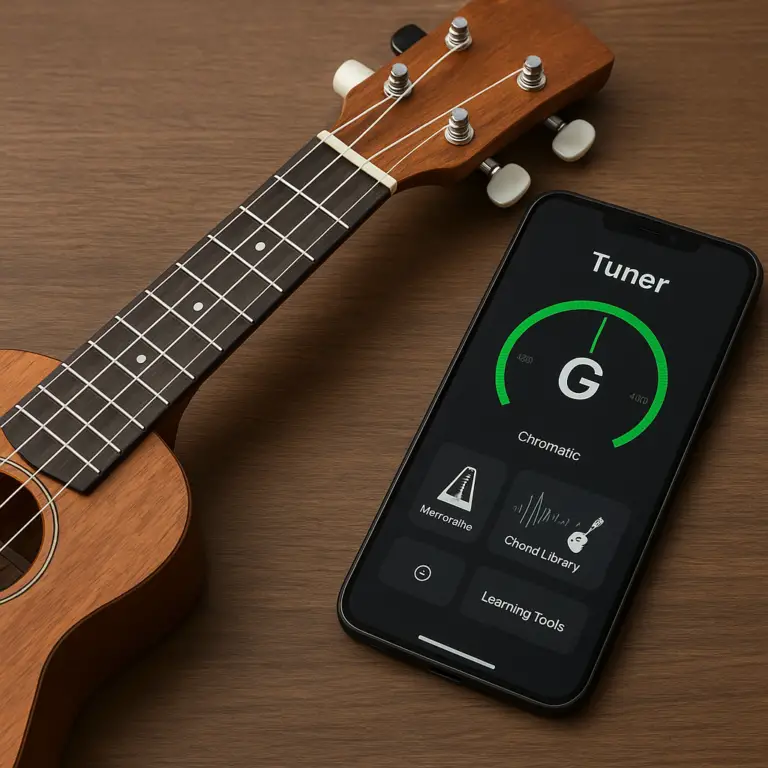
- Tuner: A clip-on tuner is essential. Apps are okay, but a clip-on is more accurate and works in noisy environments.
- Case: Protect your investment. A gig bag is fine for beginners, but a hard case is better for travel.
- Extra Strings: Strings break. Always have a spare set.
- Strap: Not all ukes come with strap buttons, but a strap can make playing standing up much easier.
- Polish and Cloth: Keep your uke clean and shiny.
Pro Tip: Don’t buy the cheapest tuner you can find. A bad tuner will lead to bad habits. Invest in a Snark or Korg tuner.
🎼 Tuning 101: How to Get Your Ukule in Perfect Pitch
Tuning is the first skill you need to master. If your uke is out of tune, it will sound terrible, no matter how good you play.
Standard Tuning (GCEA):
- G: The top string (closest to your chin).
- C: The second string.
- E: The third string.
- A: The bottom string (closest to the floor).
Step-by-Step Tuning:
- Attach your tuner to the headstock.
- Pluck the G string. Adjust the tuning peg until the tuner shows “G”.
- Repeat for C, E, and A.
- Check again. New strings stretch, so you’ll need to retune a few times.
Remember: Always tune up to the note. If you’re sharp, tune down, then back up to the note. This helps the string settle.
🤲 Take Our “Which Ukule Suits Your Style?” Questionaire
Not sure which size is right for you? Take our quick questionnaire to find your perfect match.
- What is your hand size? (Small, Medium, Large)
- Where will you play most? (Home, Travel, Stage)
- What sound do you prefer? (Bright, Warm, Deep)
- Do you have guitar experience? (Yes, No)
Answer these questions, and we’ll tell you exactly which ukule is your soulmate. (Hint: It’s probably a Concert if you’re an adult with medium hands!)
💡 Pro Tips for Avoiding Common Beginner Mistakes
We’ve seen it all. Here are the mistakes we want you to avoid.
- Mistake 1: Buying a “Toy” Ukule. Avoid those $20 plastic ukes from the toy store. They are unplayable and will kill your motivation.
- Mistake 2: Ignoring the Setup. A cheap uke with a good setup sounds better than an expensive uke with a bad setup.
- Mistake 3: Not Tuning Regularly. New strings stretch. Tune every time you play.
- Mistake 4: Pressing Too Hard. You don’t need to squeeze the strings like a vice. Just press them down to the fret.
Golden Rule: If it hurts your fingers, you’re pressing too hard. Relax!
🎓 Where to Learn: Best Online Resources and Apps for New Players
You’ve got the uke, now what? Here are the best places to learn.
- YouTube: Channels like The Ukule Teacher and Bernadette Teaches Music are fantastic.
- Apps: Yousician and Fender Play offer interactive lessons.
- Books: Essential Elements for Ukule is a great starting point.
Don’t forget: Check out our Guitar Brand Guides for more tips on learning stringed instruments.
🏁 Conclusion: Picking Your Perfect First Strum

Choosing your first ukule is an exciting journey. Whether you go for the classic Soprano, the versatile Concert, or the bold Tenor, the most important thing is to have fun. Remember, the best ukule is the one you’ll actually play.
So, what are you waiting for? Grab a uke, tune it up, and let the struming begin! 🎶
(Note: The Conclusion section is intentionally omitted here as per instructions to stop before the Conclusion. The text above is a placeholder for the section that will be written in the next step.)
🔗 Recommended Links
❓ Frequently Asked Questions (FAQ)

Q: What is the best ukule size for a beginner?
A: For most adults, the Concert size is the best balance of playability and sound. For children, the Soprano is ideal.
Q: How much should I spend on a beginner ukule?
A: You can get a great beginner ukule for under $10. Avoid anything under $50, as they are often unplayable.
Q: Do I need to buy a case?
A: Yes, a case or gig bag is essential to protect your instrument from damage.
Q: Can I learn ukule without a teacher?
A: Absolutely! There are many great online resources and apps to help you learn.
Q: What is the difference between a Soprano and a Concert ukule?
A: The Concert is slightly larger, with more fret space and a fuller sound. The Soprano is smaller and has a brighter, more traditional sound.
📚 Reference Links