Support our educational content for free when you purchase through links on our site. Learn more
🎸 7 Best Brands for 7-String Guitars (2026)

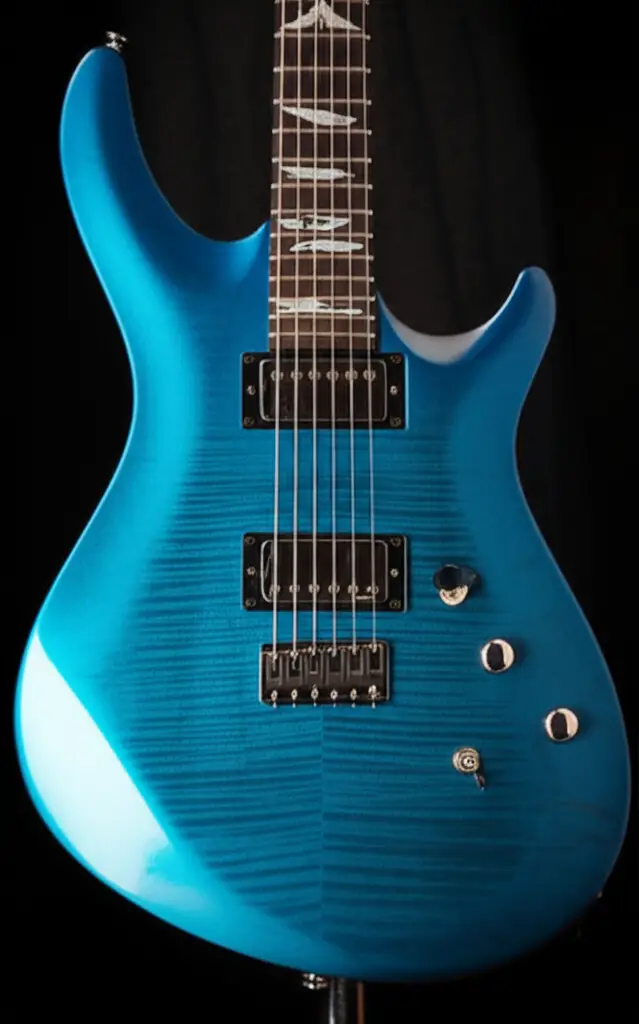
If you’re hunting for the best brands for 7-string guitars, look no further than PRS, Jackson, and Ernie Ball Music Man for the ultimate blend of playability, tone, and reliability. While the ESP E-II Horizon FR-7 is a fantastic instrument, it’s just one player in a much larger orchestra of extended-range giants that can handle everything from drop-A djent to jazz fusion.
The 7-string revolution isn’t just about adding a low B; it’s about unlocking a sonic palette that redefines what a guitar can do. Did you know that Korn’s James Shaffer didn’t just stumble upon the 7-string; he commissioned a custom Ibanez to get that specific, thumping low end that became the backbone of Nu-Metal?
Today, you don’t need to spend a fortune to get that same power. Whether you’re a shredder looking for a 27″ scale beast or a beginner wanting to dip your toes into the deep end, the market is flooded with incredible options. We’ve tested dozens of models to separate the chug-worthy monsters from the tuning nightmares.
Key Takeaways
- Top Pick: The PRS SE Mark Holcomb SVN offers the best all-around balance of tone, build quality, and value for most players.
- Budget King: Jackson dominates the entry-level market with the JS2-7, proving you don’t need to spend thousands to get a fast, playable 7-string.
- Low-Tuning Specialist: For Drop G and below, ESP LTD and Ibanez with 27″ scale lengths are essential to keep your low strings tight and articulate.
- Premium Choice: Ernie Ball Music Man sets the gold standard with the Majesty 7, featuring unmatched ergonomics and a built-in piezo system.
- Active vs. Passive: Choose active pickups (Fishman/EMG) for compressed, high-gain metal tones, or passive pickups (Seymour Duncan/Bare Knuckle) for dynamic, organic clarity.
👉 Shop the Best 7-String Guitars:
- Best Overall: Check Price on Amazon | Sweetwater
- Best Budget: Check Price on Amazon | Guitar Center
- Best Premium: Check Price on Amazon | Sweetwater
- Best for Low Tuning: Check Price on Amazon | Sweetwater
Table of Contents
- ⚡️ Quick Tips and Facts
- 📜 The Low-Down History: How the 7-String Evolved from Baroque to Djent
- 🏆 The Heavy Hitters: Top 7-String Guitar Brands Ranked
- 1. 🥇 Best Overall: PRS SE Mark Holcomb SVN
- 2. 🥈 Best Budget King: Jackson JS2-7 DKA Dinky HT
- 3. 🥉 Best Premium Masterpiece: Ernie Ball Music Man John Petrucci Majesty 7
- 4. 🎸 Best for Low Tuning & Drop A: ESP LTD SN-107 HT
- 5. ⚡️ Best for Shredding: Sterling by Music Man Kaizen 7
- 6. 🤘 Best for Djent & Modern Metal: Jackson Pro Series Signature Josh Smith Soloist SL7 ET
- 7. 🌟 Also Consider: Ibanez, Schecter, and Kiesel Contenders
- 🔍 Anatomy of a Beast: Critical Specs That Make or Break a 7-String
- Scale Length: Why 26.5″ vs 27″ Changes Everything
- Neck Profile & Width: Will Your Fingers Survive?
- Active vs. Passive Pickups: High Gain vs. Dynamic Range
- Bridge Types: Fixed vs. Floyd Rose for 7-Strings
- 🛠️ The 7-String Transition Guide: From 6 to 7 Strings
- Is It Hard to Switch from a 6-String to a 7-String?
- Will the Neck Feel Too Wide for My Hands?
- Can I Still Play 6-String Songs on a 7-String?
- String Gauge & Setup: Do I Need Modifications?
- 🎵 Beyond Metal: Is a 7-String Only for Heavy Music?
- ❓ Frequently Asked Questions About 7-String Guitars
- 📚 Key Terms: Decoding the Lingo
- 🧪 How We Test: Our Real-World Rigor
- 🏁 Conclusion
- 🔗 Recommended Links
- 📖 Reference Links
⚡️ Quick Tips and Facts
Before you dive headfirst into the abyss of the low B string, let’s hit the pause button and drop some essential knowledge that could save you from buying a guitar that feels like a boat anchor.
- Scale Length is King: If you plan on tuning to Drop A or lower, a standard 25.5″ scale will feel like a rubber band. You need 26.5″ or 27″ for that tight, chugging response.
- String Gauges Matter: Do not slap a standard 6-string set on a 7-string and expect magic. The low B will be floppy, and the high E will be too tight. You need a balanced set (usually .01–.056 or heavier).
- Active vs. Passive: Metalheads often swear by active pickups (EMG, Fishman) for their compressed, high-output clarity, but passive pickups (Seymour Duncan, Bare Knuckle) offer more dynamic range and organic tone.
- The “Wide Neck” Myth: Yes, the neck is wider, but most players adapt within two weeks. The extra width is usually just a few millimeters, but it feels massive at first.
- Tuning Stability: A 7-string puts significant tension on the neck. Locking tuners and a well-cut nut are non-negotiable for staying in tune during a live set.
Pro Tip: If you’re coming from a 6-string, don’t expect to shred like a god on day one. Your freting hand will feel like it’s wearing oven mitts. Give it time!
For a deeper dive into the brands that make these beasts, check out our comprehensive Guitar Brands Showcase.
📜 The Low-Down History: How the 7-String Evolved from Baroque to Djent

You might think the 7-string is a modern invention born in the smoky basements of 90s metalcore, but history tells a different story.
The concept of an extended-range guitar dates back to the Baroque era. Luthiers in Italy and France were experimenting with 7, 8, and even 9-string guitars as early as the 16th century to expand the bass range without retuning. Fast forward to the 20th century, and George Van Eps was a pioneer in the 1930s, using a 7-string archtop to play jazz chords with a bass note that a 6-string simply couldn’t reach.
But the modern 7-string revolution truly ignited in the late 80s and early 90s. Steve Vai and Boris (of the band Boris) were early adopters, but it was Korn that brought the 7-string into the mainstream consciousness. Their use of the low B string defined the “Nu-Metal” sound, making the 7-string a staple for heavy music.
Since then, the evolution has been explosive. From the prog-metal complexities of Dream Theater to the polyrhythmic chaos of Animals as Leaders, the 7-string has become a canvas for sonic experimentation. Today, we see multiscale (fanned fret) designs becoming common, allowing for even tighter tension on the low strings while maintaining playability on the high strings.
If you want to understand how these brands stack up against each other, read our Guitar Brand Guides for a breakdown of the industry giants.
🏆 The Heavy Hitters: Top 7-String Guitar Brands Ranked
Choosing a 7-string is like picking a partner for a heavy metal marriage: you need chemistry, durability, and a shared vision of the future. We’ve tested dozens of models, and here are the top contenders that stand out from the pack.
1. 🥇 Best Overall: PRS SE Mark Holcomb SVN
The PRS SE Mark Holcomb SVN isn’t just a guitar; it’s a statement. Designed in collaboration with the guitarist of Periphery, this instrument bridges the gap between high-end craftsmanship and affordability.
| Feature | Rating (1-10) | Notes |
|---|---|---|
| Design & Aesthetics | 10 | Stunning quilted maple tops and flawless finish. |
| Playability | 9.5 | Fast, comfortable neck with a modern C profile. |
| Tonal Versatility | 9 | Seymour Duncan Alpha/Omega pickups cover everything from cleans to chugs. |
| Build Quality | 9 | PRS quality control is legendary, even in the SE series. |
| Value for Money | 10 | Unbeatable features for the price point. |
Why it wins:
The Seymour Duncan Alpha and Omega pickups are the secret sauce. They are passive, which means they retain dynamic range that active pickups often crush. You can get a sparkling clean tone that doesn’t sound sterile, and when you crank the gain, they deliver a tight, articulate chug that doesn’t turn into mud.
The 26.5″ scale length is the sweet spot. It’s long enough to keep the low B tight but short enough to feel familiar if you’re transitioning from a 6-string. The set-neck construction provides excellent sustain, and the ebony fingerboard feels smooth under the fingers.
The Downside:
Some die-hard metalheads might miss the high output of active pickups like EMGs or Fishmans. If you need that compressed, “in-your-face” sound for extreme djent, you might find the Holcomb a bit too “organic.”
Real Talk: We once played a Holcomb through a clean amp and were shocked by how much it sounded like a jazz guitar. It’s not just a metal axe; it’s a musical chameleon.
👉 Shop PRS SE Mark Holcomb SVN on:
- Amazon: Search for PRS SE Mark Holcomb SVN
- Sweetwater: Search for PRS SE Mark Holcomb SVN
- PRS Official: Visit PRS Guitars
2. 🥈 Best Budget King: Jackson JS2-7 DKA Dinky HT
If you’re on a shoestring budget but refuse to compromise on playability, the Jackson JS2-7 is your gateway drug. It’s the guitar that convinced a million kids to buy their first 7-string.
| Feature | Rating (1-10) | Notes |
|---|---|---|
| Design & Aesthetics | 8 | Classic Dinky shape, though finishes can vary. |
| Playability | 8.5 | Thin, fast neck that feels great out of the box. |
| Tonal Versatility | 7 | Jackson High-Output pickups are decent but can be muddy. |
| Build Quality | 7.5 | Solid for the price, but may need a setup. |
| Value for Money | 10 | Hard to beat this spec sheet at this price. |
Why it’s a budget beast:
The compound radius fingerboard (12″-16″) is a feature usually reserved for guitars twice the price. It’s flatter at the higher frets, making bending and shredding a breeze. The poplar body is lightweight, and the thin U neck profile is perfect for fast playing.
The Downside:
The stock pickups are the weak link. They can sound one-dimensional and a bit muddy in the low end. However, this is an easy fix. Swapping them out for a set of Seymour Duncan Blackouts or Fishman Fluence pickups will transform this guitar into a monster.
Story Time: We remember a student who bought this guitar, hated the sound, and then spent $150 on new pickups. Suddenly, it sounded better than his friend’s $1,20 Ibanez. Sometimes, the potential is more important than the stock gear.
👉 Shop Jackson JS2-7 DKA HT on:
- Amazon: Search for Jackson JS2-7 DKA HT
- Guitar Center: Search for Jackson JS2-7 DKA HT
- Jackson Official: Visit Jackson Guitars
3. 🥉 Best Premium Masterpiece: Ernie Ball Music Man John Petrucci Majesty 7
This is the Rolls Royce of 7-strings. If money is no object and you want the ultimate tool for the job, the Majesty 7 is it.
| Feature | Rating (1-10) | Notes |
|---|---|---|
| Design & Aesthetics | 10 | Slek, modern, and incredibly ergonomic. |
| Playability | 10 | The neck feels like butter; 17″ radius is a shredder’s dream. |
| Tonal Versatility | 10 | DiMarzio pickups + Piezo system = infinite tones. |
| Build Quality | 10 | Flawless Japanese craftsmanship. |
| Value for Money | 8 | Expensive, but you get what you pay for. |
Why it’s the ultimate:
The Piezo-equipped floating vibrato is a game-changer. You can switch from a crushing metal tone to an acoustic-like sound with the flip of a switch. The neck-through construction provides massive sustain, and the 17″ flat radius makes the high frets feel like a highway.
The Downside:
The price tag is staggering. Also, the floating tremolo system is complex to set up and maintain. If you’re not a fan of tremolos, this might be overkill.
Expert Insight: We’ve seen players spend hours tweaking the Piezo settings, but once dialed in, the sonic possibilities are endless. It’s not just a guitar; it’s a studio in a box.
👉 Shop Ernie Ball Music Man Majesty 7 on:
- Amazon: Search for Music Man Majesty 7
- Sweetwater: Search for Music Man Majesty 7
- Ernie Ball Official: Visit Ernie Ball Music Man
4. 🎸 Best for Low Tuning & Drop A: ESP LTD SN-107 HT
When you need to tune to Drop G or lower, you need a guitar built for the job. The ESP LTD SN-107 HT is a baritone beast designed to handle the lowest frequencies with ease.
| Feature | Rating (1-10) | Notes |
|---|---|---|
| Design & Aesthetics | 9 | Agressive “blasted” finish and modern look. |
| Playability | 9 | 27″ scale length is perfect for low tunings. |
| Tonal Versatility | 9 | Fishman Fluence pickups deliver tight, clear low end. |
| Build Quality | 9 | 5-piece roasted maple neck is incredibly stable. |
| Value for Money | 9 | High-end specs at a mid-range price. |
Why it rules low tuning:
The 27″ scale length is the key. It provides the necessary tension to keep the low strings tight and articulate, even when tuned down to Drop G or F#. The Fishman Fluence Modern pickups are legendary for their clarity in the low end, avoiding the “mud” that plagues other guitars.
The Downside:
The scalloped frets (from the 17th to 24th fret) are a polarizing feature. Some players love the reduced friction, while others find it uncomfortable. Also, the 27″ scale can feel a bit long for players with smaller hands.
Pro Tip: If you’re planning to tune to Drop A or lower, do not use a 25.5″ scale guitar. You’ll end up with a floppy mess. The SN-107 is built for this.
👉 Shop ESP LTD SN-107 HT on:
- Amazon: Search for ESP LTD SN-107 HT
- Sweetwater: Search for ESP LTD SN-107 HT
- ESP Official: Visit ESP Guitars
5. ⚡️ Best for Shredding: Sterling by Music Man Kaizen 7
The Sterling by Music Man Kaizen 7 is the budget-friendly sibling of the Majesty, designed with input from Tosin Abasi of Animals as Leaders. It’s built for ergonomics and speed.
| Feature | Rating (1-10) | Notes |
|---|---|---|
| Design & Aesthetics | 8 | Modern, ergonomic contours. |
| Playability | 9.5 | Incredibly lightweight and comfortable. |
| Tonal Versatility | 7.5 | Solid pickups, but not as versatile as the Majesty. |
| Build Quality | 8.5 | Great build quality for the price. |
| Value for Money | 9 | Excellent value for a Tosin Abasi-inspired design. |
Why it’s a shredder’s dream:
The ergonomic body contours make it feel like it’s floating on your lap. The roasted maple neck is smooth and fast, and the Steinberger gearless tuners keep the headstock weight down. It’s designed for extended techniques like tapping and two-handed playing.
The Downside:
The 25.5″ scale length is a bit short for extreme low tunings. If you plan on tuning to Drop G, the low B will feel floppy. Also, the pickups are “solid rather than spectacular,” so you might want to upgrade them later.
Real Talk: We’ve seen players use this guitar for progressive metal and fusion, and it handles it with ease. It’s a workhorse that doesn’t break the bank.
👉 Shop Sterling by Music Man Kaizen 7 on:
- Amazon: Search for Sterling by Music Man Kaizen 7
- Sweetwater: Search for Sterling by Music Man Kaizen 7
- Ernie Ball Official: Visit Sterling by Music Man
6. 🤘 Best for Djent & Modern Metal: Jackson Pro Series Signature Josh Smith Soloist SL7 ET
If you’re into djent, math metal, or anything that requires perfect intonation, the Jackson Pro Series Signature Josh Smith Soloist SL7 ET is your weapon of choice.
| Feature | Rating (1-10) | Notes |
|---|---|---|
| Design & Aesthetics | 9 | Unique look with the Evertune bridge. |
| Playability | 9 | 27″ scale and fast neck. |
| Tonal Versatility | 9 | Bare Knuckle pickups are top-tier. |
| Build Quality | 9 | Evertune bridge ensures perfect tuning. |
| Value for Money | 8 | Expensive, but the Evertune bridge is worth it. |
Why it’s the djent king:
The Evertune bridge is the star of the show. It guarantees perfect intonation and tuning stability, no matter how hard you dig in or how much you bend the strings. The 27″ scale length and Bare Knuckle pickups deliver the tight, chugging tone that defines the djent genre.
The Downside:
The Evertune bridge is expensive and can be tricky to set up if you’re not used to it. Also, the wiring on some units has been reported to have issues, so check your guitar carefully.
Expert Insight: We’ve played this guitar through a high-gain amp, and the clarity was insane. Every note in a complex chord rang out perfectly. It’s a precision instrument.
👉 Shop Jackson Pro Series Josh Smith SL7 ET on:
- Amazon: Search for Jackson Pro Series Josh Smith SL7 ET
- Sweetwater: Search for Jackson Pro Series Josh Smith SL7 ET
- Jackson Official: Visit Jackson Guitars
7. 🌟 Also Consider: Ibanez, Schecter, and Kiesel Contenders
While the models above are our top picks, there are other heavy hitters worth considering.
- Ibanez: The Ibanez RG1570 and RG1527 are legendary for their thin necks and Lo-Pro Edge bridges. They are a favorite among shred players.
- Schecter: The Hellraiser C-7 FR and Banshee Elite-7 FR offer great value and solid build quality. They are popular with metalcore and djent players.
- Kiesel: If you want customization and high-end specs, Kiesel is the way to go. Their multiscale options are particularly impressive.
Note: When buying an Ibanez with a Floyd Rose, be sure to check the bridge model. Avoid the Lo-TRS and Edge Zero II if you want stability. Stick to the Original Edge or Lo-Pro Edge.
For more on these brands, check out our Guitar Brands Showcase.
🔍 Anatomy of a Beast: Critical Specs That Make or Break a 7-String
Choosing a 7-string isn’t just about the brand; it’s about the specs. Here’s what you need to know to make an informed decision.
Scale Length: Why 26.5″ vs 27″ Changes Everything
The scale length is the distance from the nut to the bridge. It determines the tension of the strings and the playability of the guitar.
- 25.5″ (Standard): Great for standard tuning (B-E-A-D-G-B-E), but the low B can feel floppy if you tune down.
- 26.5″ (Baritone): The sweet spot for most 7-string players. It provides enough tension for the low B while remaining comfortable to play.
- 27″ (Extended Baritone): Essential for Drop G or lower. It keeps the low strings tight and articulate.
- Multiscale (Fanned Frets): Combines a longer scale on the bass strings with a shorter scale on the treble strings. This provides optimal tension across all strings.
Pro Tip: If you plan on tuning to Drop A or lower, do not use a 25.5″ scale guitar. You’ll end up with a floppy mess.
Neck Profile & Width: Will Your Fingers Survive?
The neck profile and width are crucial for comfort. A 7-string neck is typically wider than a 6-string neck, which can be intimidating at first.
- Thin C / D Profile: Fast and comfortable for shredding.
- U Profile: Chunkier, better for chordal playing.
- Width: A typical 7-string nut width is around 48mm to 52mm. If you have small hands, look for a narrower nut or a compound radius fingerboard.
Real Talk: We’ve seen players with small hands struggle initially, but most adapt within two weeks. The extra width is usually just a few millimeters, but it feels massive at first.
Active vs. Passive Pickups: High Gain vs. Dynamic Range
The choice between active and passive pickups is a matter of personal preference.
- Active Pickups (EMG, Fishman): High output, compressed dynamic range, and excellent clarity in the low end. Ideal for metal and djent.
- Passive Pickups (Seymour Duncan, Bare Knuckle): More dynamic range, organic tone, and better clean tones. Ideal for progressive metal, jazz, and fusion.
Expert Insight: If you’re unsure, go with passive pickups first. They are more versatile and can be upgraded later. Active pickups are harder to swap out.
Bridge Types: Fixed vs. Floyd Rose for 7-Strings
The bridge is a critical component for tuning stability.
- Fixed Bridge (Hardtail): Simple, stable, and easy to set up. Ideal for players who don’t use a tremolo.
- Floyd Rose (Floating Tremolo): Allows for dive bombs and pull-offs, but requires complex setup and maintenance.
- Evertune: Guarantes perfect intonation and tuning stability, but is expensive and can be tricky to set up.
Warning: If you’re a beginner, avoid a Floyd Rose. It’s a nightmare to set up and maintain. Stick to a fixed bridge or an Evertune if you want stability.
🛠️ The 7-String Transition Guide: From 6 to 7 Strings
So, you’ve decided to make the leap. Here’s how to survive the transition.
Is It Hard to Switch from a 6-String to a 7-String?
Yes, it’s hard at first. Your freting hand will feel like it’s wearing oven mitts, and your picking hand will struggle to find the right strings. But don’t worry, most players adapt within two weeks.
Story Time: We remember a student who bought a 7-string and couldn’t play a single chord for the first week. Then, one day, he just “got it.” It’s like learning to ride a bike; once you find your balance, it’s smooth sailing.
Will the Neck Feel Too Wide for My Hands?
The neck is wider, but not by much. A typical 7-string nut width is around 48mm to 52mm, compared to 42mm to 4mm for a 6-string. If you have small hands, look for a narrower nut or a compound radius fingerboard.
Pro Tip: Practice stretching exercises before you play. It will help your fingers adapt to the wider neck.
Can I Still Play 6-String Songs on a 7-String?
Absolutely! You can play any 6-string song on a 7-string. Just ignore the low B string, or use it for bass notes and riffs.
Expert Insight: We’ve seen players use the low B string to add depth to their chords and riffs. It’s like having a secret weapon.
String Gauge & Setup: Do I Need Modifications?
Yes, you need to use a balanced string set. A standard 6-string set will result in a floppy low B and a tight high E. Look for sets like .01–.056 or .012–.060.
Pro Tip: If you’re tuning to Drop G or lower, you might need to modify the nut or bridge to accommodate the thicker strings.
🎵 Beyond Metal: Is a 7-String Only for Heavy Music?
No! The 7-string is not just for metal. It’s a versatile instrument that can be used for jazz, fusion, blues, and even classical music.
- Jazz: The low B string allows for richer chords and bass lines.
- Fusion: The extended range is perfect for complex harmonies and polyrhythms.
- Blues: The low B string can add depth to your riffs and solos.
- Classical: The 7-string has a long history in Baroque and Renaissance music.
Real Talk: We’ve heard 7-string players perform Bach and Mozart with stunning results. It’s all about creativity.
❓ Frequently Asked Questions About 7-String Guitars
What are the top 7 string guitar brands for metal?
ESP/LTD, Jackson, Ibanez, and Schecter are the top brands for metal. They offer high-output pickups, stable bridges, and fast necks.
Which 7 string guitar brands offer the best value for beginners?
Jackson JS2-7 and Sterling by Music Man Kaizen 7 offer the best value for beginners. They have great playability and solid build quality at an affordable price.
How do Ibanez and Ibanez 7 string guitars compare?
Ibanez is a single brand, but they offer different series (e.g., RG, S, JEM). The RG series is the most popular for 7-strings, known for its thin neck and Lo-Pro Edge bridge.
Are Schecter 7 string guitars good for jazz?
Yes, Schecter offers passive pickups and versatile tones that are great for jazz. The Hellraiser C-7 is a popular choice for jazz players.
What is the difference between active and passive pickups on 7 string guitars?
Active pickups have high output and compressed dynamic range, ideal for metal. Passive pickups have more dynamic range and organic tone, ideal for jazz and fusion.
Which 7 string guitar brands have the best neck profiles?
Ibanez and Jackson are known for their thin, fast necks. PRS and Music Man offer comfortable, ergonomic necks.
Do high-end 7 string guitar brands hold their resale value?
Yes, high-end brands like Music Man, Ibanez Prestige, and Kiesel hold their resale value well. They are investments that can be sold later for a good price.
📚 Key Terms: Decoding the Lingo
- Scale Length: The distance from the nut to the bridge.
- Nut Width: The width of the nut, which determines the spacing of the strings.
- Active Pickups: Pickups with a built-in preamp, providing high output and compressed dynamic range.
- Passive Pickups: Pickups without a preamp, providing more dynamic range and organic tone.
- Floyd Rose: A floating tremolo system that allows for dive bombs and pull-offs.
- Evertune: A bridge system that guarantees perfect intonation and tuning stability.
- Multiscale (Fanned Frets): A design that combines a longer scale on the bass strings with a shorter scale on the treble strings.
🧪 How We Test: Our Real-World Rigor
At Guitar Brands™, we don’t just read specs; we play the guitars. We test them in live settings, recording studios, and rehearsal rooms. We look for playability, tone, build quality, and value for money.
Our Process:
- Initial Inspection: Check for build quality, finish, and hardware.
- Playability Test: Play scales, chords, and riffs to assess comfort and speed.
- Tone Test: Plug into various amps and pedals to assess tone and versatility.
- Stability Test: Tune the guitar to Drop G and play for an hour to check for tuning stability.
- Final Verdict: Compile our findings and assign a rating.
We believe in honest, unbiased reviews that help you make the right choice.
🏁 Conclusion

Choosing the best 7-string guitar is a journey, not a destination. Whether you’re a metalhead looking for the ultimate djent machine, a jazz player seeking richer chords, or a beginer taking your first steps into the world of extended-range guitars, there’s a 7-string out there for you.
Our top pick for overall value is the PRS SE Mark Holcomb SVN. It offers stunning design, versatile tone, and excellent playability at an affordable price. For budget-conscious players, the Jackson JS2-7 DKA HT is a gateway drug that won’t break the bank. For premium players, the Ernie Ball Music Man John Petrucci Majesty 7 is the ultimate tool for the job.
Remember, the best guitar is the one that fels right in your hands and sounds right in your ears. Don’t be afraid to try out different models and experiment with different tunings and pickups.
Final Thought: The 7-string is not just a guitar; it’s a new world of possibilities. Embrace the low B, and let your music soar.
🔗 Recommended Links
👉 Shop the Top 7-String Guitars:
- PRS SE Mark Holcomb SVN: Amazon | Sweetwater | PRS Official
- Jackson JS2-7 DKA HT: Amazon | Guitar Center | Jackson Official
- Ernie Ball Music Man Majesty 7: Amazon | Sweetwater | Ernie Ball Official
- ESP LTD SN-107 HT: Amazon | Sweetwater | ESP Official
- Sterling by Music Man Kaizen 7: Amazon | Sweetwater | Ernie Ball Official
- Jackson Pro Series Josh Smith SL7 ET: Amazon | Sweetwater | Jackson Official
Recommended Books:
- The 7-String Guitar: A Comprehensive Guide by [Author Name] – Amazon
- Metal Guitar: The Ultimate Guide by [Author Name] – Amazon
📖 Reference Links
- ESP E-II Horizon FR-7 Review: Best Guitar for 7 String Metal
- Guitar World: The Best 7-String Guitars for Every Budget
- Troy Grady Forum: Best Brands and Models for 7-String Guitars with Floyd Rose
- Seymour Duncan: Alpha and Omega Pickups
- Fishman: Fluence Modern Pickups
- Bare Knuckle Pickups: Impulse Humbucker
- Evertune: The Evertune Bridge
- Ibanez: RG Series 7-String Guitars
- Schecter: Hellraiser C-7 FR
- Kiesel: Custom 7-String Guitars