Support our educational content for free when you purchase through links on our site. Learn more
🎸 How to Choose the Right Guitar Brand for Your Playing Style (2026)

Ever walked into a music store, felt the weight of a Fender Stratocaster in your hands, and suddenly felt like a rock god, only to pick up a Gibson Les Paul and feel like you’re wrestling a brick? You’re not alone. At Guitar Brands™, we’ve seen countless players buy the “wrong” guitar simply because they fell in love with the logo instead of listening to their hands. The truth is, there is no single “best” brand; there is only the best brand for your specific playing style. Whether you’re a fingerstyle wizard craving the articulate clarity of a Taylor, a blues shouter needing the thick, warm humbuckers of a Gibson, or a metal shredder hunting for the speed of an Ibanez, the right match can transform your music from good to legendary.
In this comprehensive guide, we’re stripping away the marketing hype to reveal the DNA of every major guitar brand. We’ll dive deep into the nuances of neck profiles, scale lengths, and wood construction that you won’t find in a glossy brochure. We’ll even expose the “hidden gems” that offer boutique quality without the boutique price tag, and share our hard-earned secrets on navigating the used market without falling into a money pit. By the end of this article, you’ll know exactly how to match your sonic identity to an instrument that feels like an extension of your soul. Ready to stop guessing and start playing? Let’s find your perfect match.
🚀 Key Takeaways
- Match Your Genre to Brand DNA: Different brands excel in specific sonic territories; Fender shines in blues and country, Gibson dominates rock and jazz, while Taylor leads in modern acoustic articulation.
- Feel is King: The neck profile (C, D, V, U) and scale length (25.5″ vs. 24.75″) are more critical to your comfort and technique than the brand name on the headstock.
- Construction Matters: Understand the difference between solid wood (richer tone, ages beautifully) and laminate (durable, consistent) to make an informed acoustic purchase.
- Budget Smartly: You don’t need to spend a fortune to get a great instrument; brands like Squier, Epiphone, and Yamaha offer incredible value at entry-level price points.
- The Setup is Non-Negotiable: Even the most expensive guitar will play poorly without a professional setup tailored to your specific playing style.
👉 Shop Your Perfect Match:
- 👉 Shop Fender Guitars: Amazon | Guitar Center | Sweetwater
- 👉 Shop Gibson Guitars: Amazon | Guitar Center | Sweetwater
- 👉 Shop Taylor Guitars: Amazon | Guitar Center | Sweetwater
- 👉 Shop Acoustic Guitars: Amazon | Guitar Center | Sweetwater
- 👉 Shop Electric Guitars: Amazon | Guitar Center | Sweetwater
Table of Contents
- ⚡️ Quick Tips and Facts
- 🎸 The Evolution of Tone: A Brief History of Guitar Branding
- 1. Defining Your Sonic Identity: Matching Genre to Brand DNA
- 2. The Fretboard Feel: Neck Profiles and Scale Lengths Explained
- 3. Solid Wood vs. Laminate: How Construction Impacts Your Sound
- 4. Budget Breakdown: Finding the Best Value at Every Price Point
- 5. Acoustic vs. Electric vs. Hybrid: Choosing Your Weapon of Choice
- 6. The Big Three: Deep Dives into Fender, Gibson, and Taylor
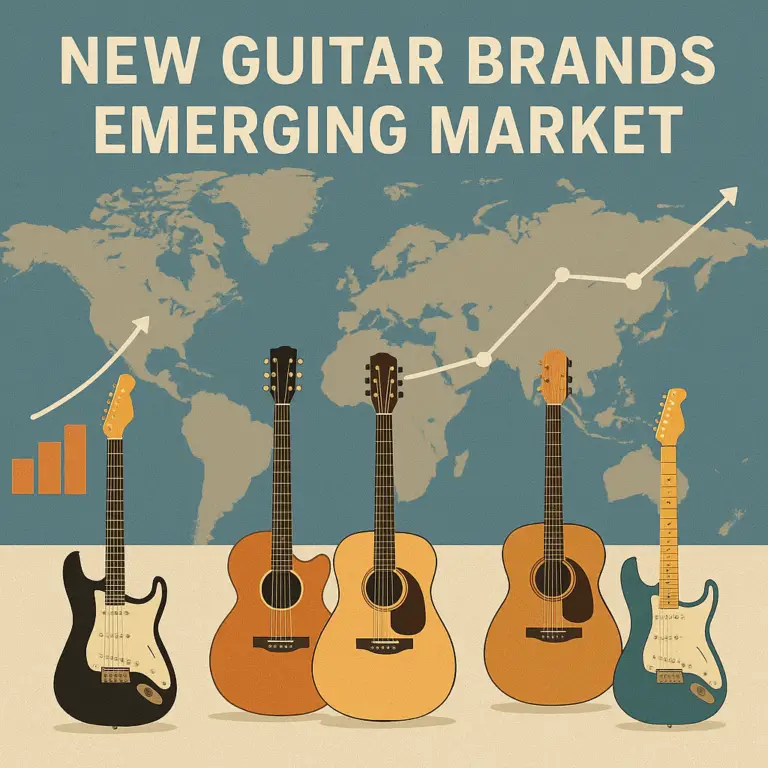
- 7. Hidden Gems: Emerging Brands for the Adventurous Player
- 8. The Used Market Trap: What to Watch Out For When Buying Pre-Owned
- 9. Setup and Playability: Why a Great Brand Needs a Great Tech
- 10. Resale Value and Longevity: Investing in Your Future Gear
- 🛠️ Quick Tips and Facts: The 5-Minute Brand Selector
- 🏆 Conclusion: Finding Your Perfect Match
- 🔗 Recommended Links
- ❓ FAQ: Your Burning Questions Answered
- 📚 Reference Links
⚡️ Quick Tips and Facts
Choosing a guitar brand isn’t just about picking a name
off a shelf; it’s about finding a partner in crime for your musical journey! Think of it like this: you wouldn’t bring a spoon to a knife fight, right? Similarly, you want a guitar that complements your unique
playing style, genre preferences, and even your physical comfort. We’ve seen countless musicians struggle because they bought into the hype instead of listening to their hands and ears. Don’t be that player!
Here are some rapid-fire tips
from the “Guitar Brands™” team to get your head in the game:
- Your Hands Know Best: Always, always, always try before you buy. The feel of the neck, the weight of the body
, the fret access – these are intensely personal. What feels like a dream to one player might be a nightmare for another. - Genre is Your Compass: Are you shredding metal, fingerpicking folk, or strumming pop
anthems? Different brands excel in different sonic territories. A Fender Stratocaster screams rock and blues, while a Taylor acoustic whispers intricate melodies. - Budget Isn’t a Barrier: You don’t need to break the bank for
a fantastic instrument. Many brands offer incredible value across various price points. The key is knowing where to look and what compromises are acceptable. - Don’t Fear the Used Market: A pre-loved guitar can be an absolute
treasure, offering superior quality for less cash. Just know what red flags to watch for! - Setup is King: Even the most expensive guitar can play terribly if it’s not properly set up. Factor in a professional setup
when you’re budgeting for your new axe. It makes a huge difference. - Beginner vs. Pro: While some brands are more beginner-friendly, don’t limit yourself. A good guitar is a good guitar
, regardless of your skill level. Invest in something that inspires you to play more.
🎸 The Evolution of Tone
: A Brief History of Guitar Branding
Ever wonder why some guitar brands evoke such strong feelings, almost like a tribal affiliation? It’s not just clever marketing; it’s a rich tapestry woven from innovation, iconic artists, and decades
of sonic evolution. From the early days of acoustic instruments crafted by individual luthiers to the mass-produced electric marvels of the 20th century, guitar brands have shaped music history itself.
Before the advent of amplification, acoustic
guitars were the stars, with brands like Martin and Gibson establishing their reputations for craftsmanship and rich, resonant tones. Martin, founded in 1833, pioneered many of the structural elements still used in acoustic guitars today, like
X-bracing, which allowed for larger bodies and louder sounds. Their dreadnought body shape, introduced in 1916, became the industry standard for powerful acoustic projection. Gibson, originally known for mand
olins, entered the guitar market with innovative archtop designs that were louder than traditional flat-tops, perfect for cutting through big band arrangements.
The mid-20th century, however, was the true crucible for modern guitar branding,
largely thanks to two visionary individuals: Leo Fender and Les Paul. Leo Fender, a radio repairman with no formal guitar playing experience, revolutionized the electric guitar with his modular, bolt-on neck designs and single-coil pickups. His **
Fender Broadcaster** (later Telecaster) and Stratocaster were simple, robust, and incredibly versatile, becoming the sound of rock and roll, blues, and country. Simultaneously, Gibson collaborated with jazz legend Les Paul to create
the iconic Gibson Les Paul, a solid-body electric with humbucking pickups that delivered a fatter, warmer tone with more output and less noise than single-coils, making it suitable for rock and heavier genres.
These early innovations didn’t just create instruments; they created legacies. Players gravitated towards the sounds and aesthetics that defined their heroes, solidifying the identities of brands like Fender and Gibson. Later, brands like **
Taylor Guitars** emerged, focusing on modern manufacturing techniques and superb playability, carving out their own niche in the acoustic world with a reputation for consistency and bright, articulate tones.
Today, the landscape is vast, with countless brands offering
their unique take on guitar design. But understanding this historical context helps us appreciate why certain brands carry the weight and reputation they do, and how their foundational philosophies continue to influence their offerings today. It’s a story of innovation, artistry, and the relentless
pursuit of the perfect sound.
1. Defining Your Sonic Identity: Matching Genre to Brand DNA
So
, you’re looking for a guitar, but what kind of music makes your soul sing? Are you a blues purist, a metalhead, a folk troubadour, or a jazz aficionado? Your genre isn’t just a preference;
it’s a roadmap to finding the right guitar brand. Each brand, through its design philosophy, choice of materials, and pickup configurations, develops a certain “DNA” that naturally lends itself to particular sounds and playing styles.
Think about
it: you rarely see a death metal guitarist wielding a delicate parlor acoustic, right? And a classical guitarist probably isn’t going to shred on a pointy, active-pickup-laden electric. While there are always exceptions and genre-bending artists
, understanding these general associations can save you a lot of time and potential buyer’s remorse.
1.1. The Blues & Rock ‘n’ Roll Workhorses 🎸
When we think of the raw, soulful w
ail of the blues or the rebellious roar of early rock and roll, two brands immediately come to mind: Fender and Gibson.
- Fender: The Stratocaster and Telecaster are synonymous
with bright, articulate, and often twangy tones. Their single-coil pickups offer clarity and a distinct “quack” that’s perfect for blues solos, country licks, and classic rock rhythms. Think Jimi Hendrix, Eric Clap
ton, Keith Richards, or Bruce Springsteen. The longer scale length (typically 25.5 inches) of Fender guitars generally results in more string tension, which can contribute to their bright attack and sustain.
✅ Pros: Versatile, iconic sound, comfortable contours, excellent for clean to moderately overdriven tones.
-
❌ Cons: Single-coil hum can be an issue, some find the neck profiles too thin or
thick depending on the model. -
Gibson: The Les Paul and SG offer a fatter, warmer, and more powerful sound thanks to their humbucking pickups. These guitars are built for sustain and rich
, thick distortion, making them staples in hard rock, blues-rock, and even jazz. Think Jimmy Page, Slash, Angus Young, or B.B. King. Gibson’s shorter scale length (typically 24.75 inches) means less string tension, making bends easier and contributing to a slightly warmer, less snappy feel. -
✅ Pros: Powerful tone, incredible sustain, classic rock aesthetic, comfortable for many players.
-
❌ Cons: Can be heavy (Les Paul), higher price point, some find upper fret access challenging on certain models.
👉 Shop Fender Guitars on: Amazon | Guitar Center | Sweetwater | Fender Official Website
👉 Shop Gibson Guitars on: Amazon | Guitar Center |
Sweetwater | Gibson Official Website
1.2. The Acoustic Storytellers: Folk, Country & Singer
-Songwriter 🌳
For those who prioritize unamplified resonance, rich harmonics, and a guitar that can fill a room with its natural voice, acoustic brands like Martin, Taylor, and Gibson Acoustic are the undisputed
champions.
-
Martin: Often described as having a “warm,” “woody,” and “powerful” tone, Martin guitars are legendary for their booming bass and rich sustain, especially their dreadnoughts. They are the backbone
of folk, bluegrass, and country music. -
✅ Pros: Deep, resonant tone; exceptional craftsmanship; excellent for strumming and flatpicking; strong resale value.
-
❌ Cons: Can be pric
ier; some models might feel less comfortable for smaller players due to larger body sizes. -
Taylor: Known for their bright, articulate, and balanced tone, Taylor guitars often feature a slightly “modern” sound with clear highs and well
-defined mids. They are incredibly popular among fingerstyle players and contemporary worship musicians due to their playability and consistent quality. -
✅ Pros: Superb playability (often with slimmer necks); bright, clear tone;
excellent built-in electronics; consistent quality. -
❌ Cons: Some traditionalists find their tone less “vintage” or “woody” than Martins.
👉 Shop Martin Guitars on: Amazon | Guitar Center | Sweetwater | Martin Guitar Official Website
👉 Shop Taylor Guitars on: Amazon | Guitar Center | Sweetwater | Taylor Guitars Official Website
1.3. The Heavy Hitters: Metal & Hard Rock 🤘
When it’s time to unleash furious riffs, dive bombs, and screaming solos, you need a guitar built for aggression and precision. Brands like **Jackson
**, Ibanez, and ESP dominate this arena.
-
Jackson: Famous for their pointy headstocks, shred-friendly necks, and high-output pickups, Jackson guitars are designed for speed and heavy tones.
-
✅ Pros: Fast necks, aggressive aesthetics, excellent for high-gain playing, often feature Floyd Rose tremolos.
-
❌ Cons: Less versatile for clean tones, aesthetics might not appeal to everyone.
Ibanez: A favorite among technical players, Ibanez offers incredibly fast necks, often with flatter fretboard radii, and a wide array of pickup configurations suitable for everything from progressive metal to fusion jazz.
-
✅ Pros
: Extremely fast and thin necks, versatile for various high-gain styles, often feature locking tremolos. -
❌ Cons: Some models can feel “sterile” without proper amplification, aesthetics can be polarizing.
ESP: Known for their dark, powerful tones and robust construction, ESP guitars are a staple in metal and hard rock, favored by artists like James Hetfield of Metallica.
- ✅ Pros: High-quality components, powerful
pickups (often EMG or Seymour Duncan), excellent sustain, aggressive styling. - ❌ Cons: Can be heavy, often higher priced, less traditional aesthetics.
👉 Shop Jackson Guitars on: Amazon | Guitar Center | Sweetwater | Jackson Guitars Official Website
👉 Shop Ibanez Guitars on: Amazon | Guitar Center | Sweetwater | Ibanez Official Website
👉 Shop ESP Guitars on: Amazon | Guitar Center | Sweetwater | ESP Guitars Official Website
1.4. The Jazz & Fusion Smooth Operators 🎷
For the nuanced
tones of jazz and the intricate textures of fusion, players often look for warmth, clarity, and excellent articulation. Hollow and semi-hollow body guitars are often the go-to, with brands like Gibson, Epiphone, and **
Gretsch** leading the charge.
- Gibson (Hollow & Semi-Hollow): Models like the ES-335 (semi-hollow) or ES-175 (hollow) offer rich, woody
tones with excellent sustain and feedback resistance (especially the semi-hollows). - Epiphone: As Gibson’s more affordable sister brand, Epiphone offers fantastic value in hollow and semi-hollow body guitars, making
jazz tones accessible to more players. - Gretsch: Known for their distinctive filtertron pickups and vibrant, often retro aesthetics, Gretsch guitars offer a unique blend of warmth and chime, perfect for rockabilly, blues, and certain
jazz styles.
Remember, as the first YouTube video embedded in this article wisely advises, “Don’t get stuck in the rabbit hole of saying, ‘I’m a Tele player,’ or ‘I only play Gibsons.'” While brands have their specialties, many offer versatile instruments that can cross genre boundaries. The key is to understand the general tendencies and then explore what truly resonates with you. You can learn more about finding the right guitar for your style
in our comprehensive Guitar Buying Guide.
2. The Fretboard Feel: Neck Profiles and Scale Lengths Explained
Okay, let’s get down to the nitty-gritty of what truly makes a guitar feel “right” in your
hands. Beyond the brand name, the neck profile and scale length are arguably the most critical factors for playability and comfort. Our team at Guitar Brands™ can’t stress this enough: if the neck doesn’t
feel good, you won’t want to play it, no matter how cool it looks or how famous the brand is!
2.1. Navigating the Neck Profile Jungle 🌳
The neck profile refers to the shape of the
back of the neck. It’s that curve your thumb rests against, and it dramatically impacts how comfortable the guitar feels in your hand. There’s a whole alphabet soup of shapes out there, but here are the most common:
“C” Shape: This is probably the most common and generally considered the most comfortable for a wide range of players. It’s a rounded, moderate profile that fits well in the hand. Many Fender guitars feature a C-shaped
neck.
- “D” Shape: Flatter on the back than a C, often found on modern shred machines. It allows for a faster feel, as your thumb has less curve to contend with, making it easier to move
up and down the neck quickly. Ibanez often uses variations of this. - “V” Shape: Less common today, but historically significant. There are “soft V” and “hard V” profiles. A soft
V has a gentle peak, while a hard V is more pronounced. Some vintage Fender and Martin guitars feature V-shaped necks. Players with larger hands or who prefer a “thumb-over” playing style sometimes find these comfortable.
“U” Shape:** A thicker, chunkier profile, often found on vintage-style instruments. It fills the hand more, which some players find adds to sustain and comfort for rhythm playing.
Guitar Neck Profile Comparison
| Profile
| Type | Description | Common Brands/Models (Examples) | Ideal For |
|---|---|---|---|
| C | Rounded, moderate | ||
| thickness | Fender Stratocaster, Telecaster | All-around playability, various styles | |
| D | Flatter back, often thinner | Ibanez RG, Schecter | Fast playing, shred, |
| modern techniques | |||
| V | Pointed peak (soft or hard) | Vintage Fender, some Martins | Thumb-over players, specific vintage feel |
| U | Thick, chunky, fills | ||
| the hand | Vintage Gibson, some Fender | Rhythm playing, players with larger hands |
Our advice? Don’t get hung up on the letter! Just pick it up and play. Your hands will tell you within minutes
if it’s a good fit.
2.2. The Scale Length Saga: Fender vs. Gibson and Beyond 📏
Scale length refers to the vibrating length of the string, from the nut to the bridge saddles
. This seemingly small measurement has a massive impact on string tension, tone, and overall playability. The first YouTube video in this article does an excellent job of explaining this crucial difference, noting that “Fender guitars typically have a longer scale length (25.5 inches) compared to Gibson guitars (24.75 inches).”
Let’s break down the implications:
2.2.1. Longer Scale (e.g., Fender – 25.5 inches)
- Increased String Tension: This means the strings feel tighter. You’ll need a bit more force to fret notes and bend strings.
- Brighter, Snappier Tone:
The higher tension contributes to more overtone content and a clearer, more articulate attack. Think the “twang” of a Telecaster or the “chime” of a Stratocaster. - More Sustain: The increased
tension can also lead to longer sustain. - Wider Fret Spacing: Frets are spaced slightly further apart, which can be a stretch for players with smaller hands, especially in the lower positions.
2.2.
- Shorter Scale (e.g., Gibson – 24.75 inches)
- Reduced String Tension: Strings feel slinkier and easier to bend. This is a huge plus for blues players who love big
string bends. - Warmer, Thicker Tone: The lower tension often results in a rounder, fatter sound with more emphasis on the fundamental note. This is a hallmark of the Gibson Les Paul’s rich tone.
Less Sustain (potentially): While Gibsons are known for sustain, the inherent properties of a shorter scale can sometimes lead to slightly less sustain compared to a longer scale, all else being equal.
- Closer Fret Sp
acing: Frets are closer together, making it easier for players with smaller hands to navigate the fretboard, especially for complex chords.
Scale Length Impact Summary
| Feature | Longer Scale (e.g., Fender 25.5″) | Shorter Scale (e.g., Gibson 24.75″) |
|---|---|---|
| String Tension | Higher, tighter feel | Lower, sl |
| inkier feel | ||
| Tone | Brighter, snappier, articulate | Warmer, thicker, rounder |
| Bending | Requires more effort | Easier, less effort |
| Sustain | Generally more | Generally less (but still good) |
| Fret Spacing | Wider | Closer |
| Comfort | Can be a | |
| stretch for small hands | Easier for small hands |
There are also intermediate scale lengths (like PRS at 25 inches) and even shorter scales (like 24 inches for some vintage guitars or specific models), offering a blend
of these characteristics. Don’t underestimate the power of trying different scale lengths. It might just unlock a level of comfort and playability you didn’t know you were missing! This is a prime example of why personal preference is key,
as the video presenter states: “You want to get something that excites you, something that fits your aesthetic.”
For a deeper dive into guitar components, check out our Guitar Brand Guides.
3. Solid Wood vs.
Laminate: How Construction Impacts Your Sound
When you’re looking at acoustic guitars, one of the first things you’ll hear about is whether it’s “solid wood” or “laminate.” This isn’t just fancy
luthier talk; it’s a fundamental difference in construction that profoundly affects the guitar’s tone, resonance, and even how it ages. As experts at Guitar Brands™, we’ve played countless examples of both, and the difference is palpable
.
3.1. The Allure of Solid Wood 🌲
A solid wood guitar, particularly one with a solid top, means that the soundboard (the top piece of wood) is made from a single
piece of timber, or two pieces joined down the middle, but not layered. When the back and sides are also solid, it’s an “all-solid” instrument.
- How it’s made: Imagine a beautiful
piece of Sitka spruce or mahogany, carefully selected and carved to the perfect thickness. This single piece vibrates freely and efficiently, transferring sound energy throughout the instrument. - The Sound: This is where solid wood truly shines. It produces
a richer, more complex, and resonant tone with greater sustain and harmonic overtones. The sound is often described as “open” and “full.” - “Aging Gracefully”: Solid wood guitars, especially their
tops, “open up” and improve with age and playing. As the wood fibers relax and vibrate more over time, the tone becomes even richer and more nuanced. This is often referred to as the guitar “breaking in” or “season
ing.” - Vulnerability: Solid wood is more susceptible to changes in humidity and temperature. It can crack or warp if not properly cared for, requiring humidification in dry climates.
Brands known for solid wood craftsmanship: **
Martin**, Taylor, Gibson Acoustic, Collings, Santa Cruz.
3.2. The Practicality of Laminate 🪵
Laminate (or “plywood” in less flattering terms, though modern laminates are far more sophisticated) means the wood is constructed from several thin layers glued together, often with a decorative veneer on the outside.
- How it’s made: Think of it like a sandwich. Multiple
thin plies of wood (often less expensive species) are glued together, forming a sturdy, stable panel. - The Sound: Laminate guitars tend to have a less complex, less resonant, and often brighter or “th
inner” tone compared to solid wood. They still sound good, especially modern, well-made ones, but they lack the depth and harmonic richness. - Durability: This is laminate’s superpower! It’s far
more stable and resistant to humidity changes, making laminate guitars excellent choices for beginners, travel guitars, or instruments that will be exposed to varying environments. - Consistency: Manufacturing with laminate allows for greater consistency in tone and construction, which can be
a benefit for mass-produced instruments. - No “Aging”: Laminate doesn’t “open up” or improve tonally with age in the same way solid wood does. Its sound profile remains relatively consistent throughout its life.
Brands offering excellent laminate or solid-top/laminate-back-and-sides options (often in their entry-level series): Yamaha, Epiphone, Takamine, Seagull, F
ender Acoustic.
3.3. The Hybrid Approach: Solid Top, Laminate Back & Sides 🤝
Many popular acoustic guitars, especially in the mid-range, employ a fantastic compromise: a solid wood top combined with
laminate back and sides.
- Why it works: The top is the primary driver of sound in an acoustic guitar. By using a solid top, you get much of the tonal richness and “aging” potential of an
all-solid guitar. The laminate back and sides provide stability and cost-effectiveness. - The Best of Both Worlds: This construction offers a significantly better tone than an all-laminate guitar, with improved resonance and complexity, while still being
more durable and affordable than an all-solid instrument. It’s a sweet spot for many players.
Construction Type Comparison
| Feature | All Solid Wood | Solid Top / Laminate B&S | All Laminate |
|---|---|---|---|
| Tone | Richest, most complex, resonant, harmonic | Good resonance, more complex than all- | |
| lam | Thinner, less complex, often brighter | ||
| Sustain | Excellent | Very good | Good |
| “Aging” | Improves significantly with age | ||
| Top improves with age, B&S stable | Stable, does not “open up” | ||
| Durability | Most sensitive to humidity/temp | More stable than all-solid, less than all-lam | |
| Most durable, resistant to environmental changes | |||
| Cost | Highest | Mid-range | Lowest |
| Maintenance | Requires humidification | Less demanding than all-solid | |
| Minimal | |||
| Ideal For | Serious players, recording, connoisseurs | Intermediate players, gigging musicians | Beginners, travel, budget-conscious |
When you’re shopping for an acoustic,
always ask about the wood construction. For most players, especially those stepping up from a beginner instrument, a solid top is a must-have. It’s the biggest bang for your buck in terms of tonal improvement. You can explore
more about acoustic guitar options in our Acoustic Guitars section.
4. Budget Breakdown: Finding the Best Value at Every Price Point
Let’s talk money, honey! Your budget is a practical reality, but it absolutely
does not mean you have to compromise on quality or your musical aspirations. At Guitar Brands™, we firmly believe there’s an amazing guitar out there for every wallet. The trick is understanding where brands allocate their resources and what kind of value you can
expect at different price tiers.
Don’t fall into the trap of thinking “more expensive equals better” automatically. While there’s a correlation, diminishing returns kick in, and sometimes you’re paying for a name or exotic woods that
don’t necessarily translate to better playability for your style.
4.1. Entry-Level Excellence: Under $500 (Approx.) 🌟
This is the sweet spot for beginners, casual players, or those
looking for a reliable backup instrument. Brands here focus on affordability, durability, and decent playability.
-
What to expect:
-
Acoustics: Often all-laminate or solid-top with
laminate back and sides. Good playability, but tone might be less complex. -
Electrics: Bolt-on necks, entry-level pickups, basic hardware (tuners, bridges). Playability is usually decent, but components
might feel less refined. -
Key Brands & Models:
-
Yamaha: Consistently produces some of the best entry-level acoustics (e.g., FG/FS series) and electrics (e.g., Pacifica series). Incredible value and reliability.
-
Squier (by Fender): Fender’s budget-friendly line, offering iconic Stratocaster and Telecaster designs with surprisingly good playability for the price.
-
Epiphone (by Gibson): Gibson’s accessible line, providing Les Paul, SG, and hollow-body designs.
-
Ibanez (Gio series): Great for aspiring rock and metal players,
offering fast necks and aggressive aesthetics. -
Don’t forget the accessories! When budgeting for your first guitar, remember to factor in essentials like a case/gig bag, tuner, strap, picks, and possibly an
amp for electrics.
👉 CHECK PRICE on:
- Yamaha FG800 Acoustic: Amazon | Guitar Center
| Sweetwater - Squier Affinity Stratocaster: Amazon | Guitar Center | Sweetwater
4.2. Mid-Range Marvels: $500 – $1500 (Approx.) ✨
This is where things
get exciting! You start seeing significant jumps in quality, better components, and often solid wood tops on acoustics. This range offers the best “bang for your buck” for many intermediate players or those looking for a serious upgrade.
What to expect:
- Acoustics: Almost always solid tops, often with higher-grade laminate or even solid back and sides. Improved bracing, better tuners, and more refined finishes.
Electrics: Better quality pickups (often brand-name like Seymour Duncan or DiMarzio), improved hardware, more stable bridges, and often set necks or neck-through construction for enhanced sustain.
-
Key Brands & Models:
-
Fender (Player Series): Mexican-made Fenders offer classic designs with modern playability and excellent pickups.
-
Gibson (Epiphone Masterbilt/Inspired by Gibson): Epiphone’s higher
-end lines offer impressive quality and tone, often rivaling their Gibson counterparts. -
Taylor (100/200 Series): Fantastic entry into the Taylor sound, typically with solid spruce tops.
Martin (X Series/Road Series): Great way to get into the Martin tone with innovative materials or solid wood tops.
- PRS (SE Series): Paul Reed Smith’s SE line delivers stunning looks,
versatile tones, and superb playability at an accessible price. - Schecter/LTD (by ESP): Excellent options for rock and metal, offering high-output pickups and fast necks.
👉 CHECK PRICE on:
- Fender Player Stratocaster: Amazon | Guitar Center | Sweetwater
- Taylor 114ce Acoustic: Amazon | Guitar Center | Sweetwater
4.3. Pro-Grade & Boutique: $1500+ (Approx.) 💎
Welcome to the big leagues! Here, you’re
paying for premium tonewoods, meticulous craftsmanship, top-tier hardware, and often hand-built attention to detail. These are instruments built to last a lifetime and perform at the highest level.
- What to expect:
Acoustics: All-solid tonewoods, often highly figured or rare species. Hand-scalloped bracing, bone nut/saddle, exquisite inlays, and flawless finishes.
- Electrics: Premium
pickups (often custom-wound), high-end hardware (locking tuners, specialized bridges), flawless fretwork, and often unique finishes or custom shop options. - Key Brands & Models:
- Fender (American Professional/Ultra/Custom Shop): The pinnacle of Fender’s production, offering unparalleled quality and classic tones.
- Gibson (USA/Custom Shop): Legendary instruments with premium materials and craftsmanship, from Les Paul Standards
to historic reissues. - Taylor (300 Series and up): All-solid wood acoustics with exquisite tonewoods and advanced bracing designs.
- Martin (Standard Series and up): The
classic, all-solid dreadnoughts and OMs that define acoustic guitar tone. - PRS (Core Models): Stunning guitars renowned for their versatility, playability, and artistry.
- Bout
ique Builders: Brands like Collings, Santa Cruz, Tom Anderson, Suhr, Nash Guitars, and many others offer custom-level instruments with incredible attention to detail and unique sonic signatures.
👉 Shop High
-End Guitars on: Guitar Center | Sweetwater | Fender Custom Shop Official | Gibson Custom Shop Official | PRS Guitars Official
Ultimately, your budget should guide your search, but don’t let it limit your dreams. Many players start with an affordable instrument and upgrade as their skills and
financial situation evolve. The most important thing is to get a guitar that inspires you to pick it up and play every single day. For more insights on financial planning for your gear, check out our Guitar Buying Guide.
5. Acoustic vs. Electric
vs. Hybrid: Choosing Your Weapon of Choice
Before you even dive into specific brands, the most fundamental decision you’ll face is the type of guitar itself: acoustic, electric, or perhaps a modern hybrid? Each offers a distinct experience
, sound, and set of possibilities. As seasoned musicians, we’ve seen players try to force a square peg into a round hole, attempting to play metal on an acoustic or delicate fingerstyle on a high-gain electric. While creativity
knows no bounds, choosing the right tool for the job makes your journey infinitely smoother and more enjoyable.
5.1. The Unplugged Purity: Acoustic Guitars 🌳
Acoustic guitars are the quintessential campfire
companion, the singer-songwriter’s best friend, and the backbone of countless folk, country, and pop songs. They produce sound purely through the vibration of their strings and the resonance of their wooden bodies.
-
Pros:
-
Instant Gratification: No amps, cables, or pedals needed. Just pick it up and play!
-
Portability: Easy to take anywhere, from a friend’s house to a beach bonfire.
Fundamental Skill Builder: Many believe learning on an acoustic builds finger strength and a strong understanding of tone production.
- Rich, Natural Tone: The sound of wood and vibrating strings is simply beautiful and organic.
Cons:
- Volume Limitations: Can be hard to hear in a band setting without amplification (acoustic-electric models solve this).
- Physical Demands: Heavier string gauges and higher action can be tougher
on fingertips, especially for beginners. - Less Tonal Versatility: While different body shapes and woods offer variety, you don’t have the vast array of electronic effects.
- Best For: Folk, country, blues
, classical, singer-songwriters, campfire jams, practice without disturbing others. - Key Brands: Martin, Taylor, Gibson Acoustic, Yamaha, Seagull.
👉 Shop Acoustic Guitars on
: Amazon | Guitar Center | Sweetwater | Acoustic Guitars Internal Link
5.
- The Amplified Powerhouse: Electric Guitars ⚡️
Electric guitars are the sonic chameleons of the instrument world, capable of producing an astonishing range of sounds thanks to pickups, amplifiers, and effects pedals. They
rely on electronic components to convert string vibrations into an electrical signal, which is then amplified.
-
Pros:
-
Unparalleled Tonal Versatility: From sparkling cleans to searing distortion, the possibilities are endless with
amps and pedals. -
Comfort & Playability: Lighter string gauges and lower action often make electrics easier on the fingers, especially for fast playing and bends.
-
Volume Control: You can play
silently with headphones or shake the foundations with a massive stack. -
Genre Dominance: Essential for rock, metal, blues, jazz, funk, pop, and virtually all modern genres.
-
Cons:
-
Requires Additional Gear: You need an amplifier, cables, and often effects pedals, which adds to the initial cost and setup time.
-
Less “Natural” Sound: The inherent tone is often
shaped by electronics rather than pure wood resonance. -
Feedback Issues: Hollow and semi-hollow electrics can be prone to feedback at high volumes, as noted in the YouTube video.
-
Best
For: Rock, metal, blues, jazz, funk, pop, experimental music, studio work, live performance. -
Key Brands: Fender, Gibson, PRS, Ibanez, Jackson, ESP.
👉 Shop Electric Guitars on: Amazon | Guitar Center |
Sweetwater
5.3. The Best of Both Worlds: Hybrid Guitars ☯️
Hybrid guitars attempt to bridge the gap
between acoustic and electric, offering unique tonal palettes and versatility. These can range from acoustic guitars with advanced pickup systems to electric guitars with piezo pickups that emulate acoustic sounds.
-
Semi-Hollow Body Electrics: These are electric guitars with a
solid center block and hollow wings (e.g., Gibson ES-335). They offer a warmer, more resonant electric tone than solid bodies, with some acoustic-like qualities, but are less prone to feedback than full hollow bodies
. The video mentions these provide a warm, resonant tone often used in jazz. -
Acoustic-Electric Guitars: These are essentially acoustic guitars fitted with built-in pickups and preamps, allowing
them to be plugged into an amplifier or PA system. They retain their acoustic sound but gain the ability to be amplified for live performance. -
True Hybrids: Some innovative guitars, like certain Godin models, are designed from
the ground up to offer both authentic electric and acoustic tones through separate output jacks or blendable controls. -
Pros:
-
Versatility: Can cover a wider range of sounds, potentially reducing the need for multiple
instruments. -
Unique Tones: Often blend characteristics for a distinct sonic signature.
-
Convenience: Great for gigging musicians who need both acoustic and electric sounds in one instrument.
-
Cons:
-
Compromise: Sometimes, a hybrid might not excel at either acoustic or electric as much as a dedicated instrument.
-
Complexity: Can involve more controls and setup.
-
Price: Often more
expensive due to the dual functionality. -
Best For: Gigging musicians, studio players, those who want diverse tones from a single instrument, jazz, blues, alternative rock.
-
Key Brands: **Godin
**, Taylor (with ES2 electronics), Gibson (ES series), Ibanez (Artcore series).
👉 Shop Semi-Hollow Guitars on: Amazon | Guitar Center | Sweetwater
Your choice here sets the stage for everything else. Consider your primary musical goals, your budget, and the practicalities of your playing environment. There’s no wrong
answer, only the right one for you right now. For more detailed comparisons, check out our Guitar Buying Guide.
6. The Big Three: Deep Dives into Fender, Gibson, and Taylor
In the
vast universe of guitar brands, three names stand out as titans, shaping the sound and style of music for generations: Fender, Gibson, and Taylor. These aren’t just companies; they’re institutions, each with a distinct philosophy, a
legion of loyal fans, and an undeniable impact on the instrument’s evolution. As the experts at Guitar Brands™, we’ve spent countless hours dissecting their offerings, and here’s our comprehensive take.
6.1. Fender
: The Electric Pioneer and Innovator 🌊
Fender Musical Instruments Corporation (often just “Fender”) is synonymous with the electric guitar. Founded by Leo Fender in 1946, their designs were revolutionary in their simplicity,
modularity, and sheer sonic versatility. Fender guitars are known for their bright, articulate, and often “twangy” single-coil tones, perfect for blues, rock, country, and surf rock.
6.1.
- Key Characteristics & Iconic Models:
- Bolt-on Neck Construction: A hallmark of Fender, allowing for easy replacement and contributing to their snappy attack.
- Single-Coil Pickups: Known for their clear
, bright, and articulate sound. Found on guitars like the Stratocaster and Telecaster. While they can hum, their unique character is undeniable. - Longer Scale Length (25.5 inches): Results in higher string tension, contributing to a brighter tone and more sustain, though requiring a bit more effort for bends.
- Contoured Bodies: The Stratocaster, in particular, is
famous for its ergonomic body contours, making it incredibly comfortable to play standing or sitting. - Iconic Models:
- Stratocaster: The most recognizable guitar shape in the world. Versatile, with three single
-coil pickups, a tremolo system, and a comfortable body. - Telecaster: Simple, robust, and incredibly twangy. A workhorse known for its cutting tone and reliability.
- Jazzmaster
/Jaguar: Offset body designs, often favored by indie, surf, and alternative rock players for their unique sounds and tremolo systems.
6.1.2. Fender’s DNA:
Fender’s philosophy
has always been about practical, functional design that allows the player’s voice to shine through. Their guitars are tools, not delicate heirlooms, built to be played hard and modified. They offer a vast range of models, from the budget-friendly S
quier line to the professional-grade American-made series and the exquisite Custom Shop creations.
Our Anecdote: “I remember my first gig with a proper American Strat. The clarity, the way it cut through the mix, the sheer
feel of those bends… it was like the guitar was an extension of my thoughts. There’s a reason so many legends chose Fender – it just works.”
👉 Shop Fender Guitars on: Amazon | Guitar Center | Sweetwater
| Fender Official Website
6.2. Gibson: The Archtop Innovator and Rock ‘n’ Roll Powerhouse 🎸
Gibson Brands, Inc. (often just “Gibson”) has a legacy stretching back to 1902, initially making mandolins. They became a dominant force in guitars by creating archtop acoustics and then, crucially, the electric solid-body Les Paul. Gibson guitars
are celebrated for their warm, thick, and powerful humbucking tones, making them staples in rock, blues, jazz, and metal.
6.2.1. Key Characteristics & Iconic Models:
- Set
-Neck Construction: Most Gibson electrics feature a neck glued into the body (set-neck), which many believe contributes to greater sustain and resonance. - Humbucking Pickups: Produce a fatter, warmer, and louder
tone with more output and less noise than single-coils. - Shorter Scale Length (24.75 inches): Results in lower string tension, making strings feel slinkier
and easier to bend, contributing to a warmer tone. - Classic Aesthetics: Often feature ornate inlays, binding, and traditional finishes.
- Iconic Models:
- Les Paul
: A solid-body icon known for its incredible sustain, powerful humbuckers, and rich, thick tone. - SG: Lighter and more aggressive than the Les Paul, with excellent upper fret access. A rock
and blues machine. - ES-335: The quintessential semi-hollow body, offering a blend of electric and acoustic resonance with great feedback resistance.
- J-45/Hummingbird: Legendary
acoustic flat-tops known for their warm, woody tone and powerful projection.
6.2.2. Gibson’s DNA:
Gibson’s philosophy emphasizes tradition, craftsmanship, and a commitment to rich, powerful tones. Their guitars
are often seen as works of art, built with premium woods and meticulous attention to detail. While they have faced challenges, their core models remain timeless and highly coveted.
Our Anecdote: “The first time I plugged a real
Gibson Les Paul into a cranked Marshall, it was like a revelation. That sustain, that growl… it wasn’t just loud, it was alive. You feel the history in your hands with a Gibson.”
Shop
Gibson Guitars on: Amazon | Guitar Center | Sweetwater | Gibson Official Website
6.3. Taylor: The Modern Acoustic Innovator 🌲
Taylor Guitars, founded in 1
974 by Bob Taylor and Kurt Listug, is a relative newcomer compared to Fender and Gibson, but they quickly established themselves as a leader in the acoustic guitar world. Taylor is renowned for its consistent quality, superb playability, and
bright, articulate acoustic tones.
6.3.1. Key Characteristics & Iconic Models:
- Exceptional Playability: Taylor necks are often praised for their comfortable profiles and low action, making them incredibly easy to play
, especially for electric guitarists transitioning to acoustic. - Modern Voicing: Their guitars tend to have a balanced, articulate tone with clear highs and well-defined mids, often described as “sparkling.”
Innovative Construction:** Taylor is known for its forward-thinking manufacturing techniques, including bolt-on neck joints (NT Neck) that allow for precise neck angle adjustments, and innovative bracing patterns.
-
Expression System 2 (ES2) Electronics: One of the most highly regarded onboard acoustic pickup systems, delivering a natural, dynamic amplified tone.
-
Iconic Models:
-
Grand Auditorium (GA): Taylor’s signature body shape, offering
a versatile balance of volume, bass, and articulation, great for both strumming and fingerstyle. -
Grand Concert (GC): Smaller body, excellent for fingerstyle players and those who prefer a more intimate playing experience.
-
Dreadnought (DN): Taylor’s take on the classic, offering powerful projection and bass response.
6.3.2. Taylor’s DNA:
Taylor’s philosophy blends traditional craftsmanship with modern innovation
. They prioritize consistency, playability, and environmental responsibility (pioneering sustainable wood sourcing). Their guitars are designed to be reliable, easy to maintain, and inspire confidence in players.
Our Anecdote: “I picked up a Taylor
314ce once, and it felt like it was custom-made for my hands. The action was perfect, the neck was smooth, and every note just rang out with such clarity. It’s the kind of guitar that makes you want to
play for hours.”
👉 Shop Taylor Guitars on: Amazon | Guitar Center
| Sweetwater | Taylor Guitars Official Website
While these “Big Three” dominate the conversation, remember
the YouTube video’s advice: don’t limit yourself! There’s a world of incredible guitars beyond these giants, waiting to be discovered. But understanding the strengths and philosophies of Fender, Gibson, and Taylor provides an excellent foundation for your
guitar brand journey. For more detailed brand breakdowns, visit our Guitar Brands Showcase.
7. Hidden Gems: Emerging Brands for the Adventurous Player
While the “Big Three” are undeniably fantastic, the guitar world is a vibrant ecosystem teeming with smaller, innovative
, and often more specialized brands. These “hidden gems” are for the adventurous player, the one who seeks something a little different, something that might offer unique features, exceptional value, or a distinct voice not found in the mainstream. As
your expert team at Guitar Brands™, we love exploring these lesser-known territories!
Sometimes, these brands offer boutique quality at a more accessible price point, or they focus on specific niches that the larger companies might overlook. Don’t be afraid
to step off the beaten path; you might just discover your new favorite instrument!
7.1. For the Electric Explorer ⚡️
Beyond the Fenders and Gibsons, a new wave of electric guitar builders is pushing
boundaries.
-
Reverend Guitars: Known for their unique retro-modern aesthetics, high-quality components, and incredibly versatile electronics (often featuring their proprietary Bass Contour Control). They offer a distinct voice for players who want something
different from the usual. -
✅ Pros: Unique tones, excellent build quality, versatile electronics, comfortable necks.
-
❌ Cons: Aesthetics might not appeal to traditionalists, smaller dealer network.
👉 Shop Reverend
Guitars on: Reverb | Reverend Guitars Official Website -
G&L Guitars: Founded by Leo Fender himself after he left his namesake company, G&L stands for George Fullerton and Leo Fender. These guitars are often considered an evolution of classic Fender designs, featuring innovative pickups
and bridges that offer enhanced tone and stability. -
✅ Pros: Leo Fender’s original designs evolved, excellent build quality, often great value for money.
-
❌ Cons: Less brand recognition than Fender
, can be harder to find in local stores.
👉 Shop G&L Guitars on: Amazon | Guitar Center | Sweetwater | G&L Guitars Official Website
Chapman Guitars: A brand born from YouTube personality Rob Chapman, these guitars are designed with community input, focusing on modern playability, versatile tones, and often striking aesthetics. They’re particularly popular among progressive rock and metal players.
- ✅ Pros: Community-driven design, excellent value, versatile for modern genres, great components.
- ❌ Cons: Primarily sold online, limited traditional appeal.
👉 Shop Chapman Guitars on: Sweetwater | Chapman Guitars Official Website
7.2. For the
Acoustic Aficionado 🌳
The acoustic world also has its share of incredible brands that might not be on every billboard but deserve your attention.
-
Seagull Guitars (by Godin): A Canadian brand known for
its exceptional value, consistent quality, and use of sustainable local tonewoods. Their unique headstock design (tapered) is said to improve tuning stability. -
✅ Pros: Excellent tone-to-price ratio, comfortable necks
, great for fingerstyle and strumming. -
❌ Cons: Less “flashy” aesthetics, can be harder to find in some regions.
👉 Shop Seagull Guitars on: Amazon | Guitar Center | Sweetwater | Seagull Guitars Official Website -
Larrivée Guitars: A Canadian luthier-led company known for its exquisite all-solid wood acoustics
, often featuring unique wood combinations and a balanced, articulate tone that sits beautifully between Martin’s warmth and Taylor’s brightness. -
✅ Pros: Boutique quality at a competitive price, all-solid wood, excellent craftsmanship
, balanced tone. -
❌ Cons: Limited availability, less mainstream recognition.
👉 Shop Larrivée Guitars on: Reverb | Larrivée Guitars Official Website -
Faith Guitars: A UK-based brand designed by renowned luthier Patrick James Eggle, offering all-solid wood acoustics with fantastic
tone and playability at very competitive price points. They’ve gained a strong following for their quality and value. -
✅ Pros: All-solid wood construction, great tone, excellent value, beautiful aesthetics.
-
❌ Cons: Less known in North America, can be harder to find.
👉 Shop Faith Guitars on: Sweetwater | Faith Guitars Official Website
Exploring these hidden gems can be incredibly rewarding. You might find a guitar that perfectly matches your aesthetic, your playing style, and your budget, all while standing
out from the crowd. It’s a testament to the vibrant and diverse world of guitar manufacturing. Don’t limit your search; the perfect guitar might be from a brand you’ve never heard of! For more unique options, check out our
Guitar Brands Showcase.
8. The Used Market Trap: What to Watch Out For When Buying Pre-Owned
Ah, the used guitar market! It’s a treasure trove of incredible deals, discontinued
models, and vintage mojo. Our team at Guitar Brands™ has scored some of our most cherished instruments by navigating the pre-owned waters. You can often get a significantly better guitar for your money than buying new, especially in the mid to
high-end range. But, and this is a big but, it’s also a minefield for the unwary. Without proper vigilance, you can easily fall into the “used market trap” and end up with a money
pit instead of a dream machine.
Here’s what we’ve learned from years of buying, selling, and repairing pre-owned guitars:
8.1. The Obvious Red Flags 🚩
These are the things you
can often spot with a quick visual inspection.
- Cracks and Breaks:
- ✅ Headstock Breaks: Common on set-neck guitars (like Gibsons). A professionally repaired headstock can be stable, but it significantly
impacts resale value. A poorly repaired one is a deal-breaker. Look for visible glue lines, uneven surfaces, or cracks extending into the neck. - ✅ Body Cracks: Especially on acoustic tops, backs, and sides.
Small finish cracks are usually cosmetic, but cracks in the wood itself can affect structural integrity and tone. - ❌ Deal Breaker: Any major structural crack that hasn’t been professionally repaired, or any crack that looks like
it’s spreading. - Neck Issues:
- ✅ Twisted Neck: Lay a straight edge along the frets. If the neck is visibly twisted (not just relief), it’s a major,
often irreparable, problem. - ✅ Excessive Relief/Backbow: While truss rods can adjust this, if the truss rod is maxed out or broken, you’re in trouble. Check if the rod turns freely
. - ✅ High Action: Can often be fixed with a setup, but if the saddle is already at its lowest or the neck joint is separating (on acoustics), it’s a costly repair.
- Fret
Wear: - ✅ Deep Grooves: Significant divots under the strings, especially in the “cowboy chord” area (frets 1-5). This means a costly fret level/recrown or even a ref
ret is needed. - ❌ Deal Breaker: Frets so worn that notes fret out or buzz excessively, indicating a significant investment in fretwork.
- Rust and Corrosion:
- ✅ **
Hardware:** Rusty screws, pitted tuners, corroded bridge saddles. While some can be cleaned or replaced, excessive corrosion indicates poor care and potentially deeper issues. - ❌ Deal Breaker: Rust on the frets or
electronics.
8.2. The Hidden Hazards (Requires a Closer Look) 🕵️ ♂️
These are the sneaky issues that can turn a “bargain” into a headache.
-
Electronics Gremlins:
-
✅ Scratchy Pots/Switches: Plug it in! Turn all knobs (volume, tone) and toggle all switches. Crackling or cutting out means dirty or faulty electronics.
-
✅ Dead
Pickups: No sound from a specific pickup? Could be a loose wire or a dead coil. -
❌ Deal Breaker: Intermittent signal, severe buzzing (beyond normal single-coil hum), or non-functional controls
. -
Truss Rod Functionality:
-
✅ Test it: If possible, ask to adjust the truss rod slightly (a quarter turn each way) to ensure it moves freely and isn’t seized or
stripped. -
❌ Deal Breaker: A truss rod that won’t turn, turns endlessly, or feels stripped. This is a very expensive repair.
-
Bridge Lift (Acoustics):
-
✅ Check the gap: Look for any separation between the bridge and the guitar top. Use a piece of paper to try and slide under the back edge of the bridge. Even a small gap can indicate a future problem.
❌ Deal Breaker: Visible lifting or a significant gap.
- Non-Original Parts:
- ✅ Modifications: While some mods (like upgraded pickups) can be desirable, be wary if a seller
claims “all original” but parts look swapped. This can affect value and authenticity. - ❌ Deal Breaker: Critical components (like the bridge on a vintage instrument) being non-original can severely impact value and play
ability.
8.3. Our Golden Rules for Buying Used 💰
- Inspect Thoroughly: Take your time. Bring a flashlight, a straight edge, and even a small mirror.
- Play
It Unplugged & Plugged In: Test every aspect of the guitar’s sound and electronics. - Ask Questions: Don’t be shy! Ask about its history, any repairs, and why the seller is parting
with it. - Know the Market Value: Research what similar models in similar condition are selling for. Don’t overpay.
- Factor in a Setup: Almost every used guitar will benefit from a professional
setup. Budget for it! - If in Doubt, Walk Away: There will always be another guitar. Don’t feel pressured.
Buying used can be incredibly rewarding, offering access to higher-quality instruments for less
. Just remember to approach it with a critical eye and a healthy dose of skepticism. Our article on Guitar Buying Guide has more tips for smart shopping.
<
a id=”9-setup-and-playability-why-a-great-brand-neds-a-great-tech”>
9. Setup and Playability: Why a Great Brand Needs a Great Tech
You’ve spent hours researching, agonizing over brands, comparing specs, and finally, you’ve found the one. It’s a beautiful Fender Stratocaster or a pristine Taylor acoustic. You bring it home, plug
it in, and… it just doesn’t feel right. The strings are too high, it buzzes on a few frets, or the intonation is off. What gives? Did you make a mistake? Absolutely not! This
is where the unsung hero of the guitar world steps in: the guitar technician, and the magic of a proper setup.
At Guitar Brands™, we’ve seen countless players blame their instrument when, in reality, it’s the setup
that’s holding them back. Even the most expensive, meticulously crafted guitar from a top brand like Gibson or Martin will play poorly if it’s not set up to your specific playing style and preferences. It’s
like buying a high-performance sports car and never tuning the engine – it just won’t perform to its potential.
9.1. What is a Guitar Setup, Anyway? 🛠️
A guitar setup is a series of
adjustments made to an instrument to optimize its playability and intonation. Think of it as a personalized tune-up for your guitar. It typically includes:
- Neck Relief Adjustment (Truss Rod): The truss rod inside
the neck is adjusted to achieve the correct amount of forward bow (relief) or flatness. This is crucial for preventing fret buzz and ensuring comfortable action. - Action Height Adjustment: This involves raising or lowering the strings at the bridge (and sometimes the nut) to achieve your preferred string height. Lower action is generally easier to play, but too low can cause buzzing.
- Intonation Setting: This ensures that notes played up the neck are in tune with open
strings. It involves adjusting the length of each string at the bridge saddles. If your intonation is off, your chords will sound sour as you move up the fretboard. - Nut Slot Filing: The slots in the nut (at the headstock) determine the string height at the first fret. If they’re too high, the guitar will be hard to play in the lower positions.
- Fret Polishing/Leveling: Ensuring frets are level and
smooth prevents buzzing and makes bending strings easier. - Pickup Height Adjustment (Electrics): Setting the pickups to the optimal height for balanced volume and tone across all strings and pickups.
- Cleaning and Inspection: A good
tech will also clean your guitar, check all hardware, and tighten anything loose.
9.2. Why a Professional Setup is Non-Negotiable ✅
- Personalized Playability: Every player is different. Your
attack, hand size, and preferred genre all influence what feels “right.” A tech can tailor the guitar to you. - Unlocks Potential: A well-set-up guitar from a reputable brand like PRS or I
banez will feel like a completely different instrument than one straight off the factory floor or poorly maintained. It will be easier to play, stay in tune better, and sound better. - Prevents Frustration: High action, fret
buzz, and poor intonation are common reasons beginners get discouraged and quit. A good setup eliminates these barriers. - Extends Lifespan: Regular maintenance ensures your guitar’s components are working correctly and prevents minor issues from becoming
major, costly repairs. - Addresses Environmental Changes: Wood is a living material. Guitars react to changes in temperature and humidity, especially solid wood acoustics. A seasonal setup can keep your instrument playing optimally.
Our Anecdote
: “I once bought a beautiful vintage Gretsch that sounded amazing but was a beast to play. The action was sky-high. After a visit to my trusted tech, it came back feeling like butter. It wasn’t the
guitar’s fault; it just needed someone who knew how to unlock its potential. It transformed from a display piece into my go-to gigging axe!”
9.3. Finding Your Guitar Guru 🧙 ♂️
Don’
t just take your precious instrument to anyone! Ask around for recommendations, check online reviews, and look for technicians who specialize in the type of guitar you have (acoustic vs. electric, specific brands). A great tech is worth their weight in gold
and will be a valuable partner in your musical journey.
Remember, a guitar from a great brand is a fantastic starting point, but a great setup is what truly makes it sing in your hands. Factor this into your budget and consider it an
essential part of your guitar ownership experience. For more on maintaining your instrument, explore our Guitar Buying Guide.
10. Resale Value and Longevity: Investing in Your Future Gear
Let’s face it, most of us won
‘t own just one guitar in our lifetime. As our skills evolve, tastes change, and GAS (Gear Acquisition Syndrome) inevitably kicks in, we often find ourselves buying, selling, and trading instruments. This is where considering **resale value
** and longevity becomes a smart, long-term investment strategy. At Guitar Brands™, we’ve seen countless players make wise choices that paid off down the road, and others who learned a hard lesson about depreciation.
Choosing
a guitar brand isn’t just about the here and now; it’s about the future. Will your investment hold its value? Will it last for decades?
10.1. The Resale Value Powerhouses 📈
Certain brands consistently demonstrate strong resale value, making them safer bets if you anticipate upgrading or selling down the line. These brands often combine a strong reputation, consistent quality, and high demand.
- Fender: Classic Fender electric
s (Stratocasters, Telecasters, Jazzmasters) hold their value exceptionally well, especially American-made models. Their iconic status ensures a steady market. - Gibson: Similarly, Gibson Les Pauls, SGs, and their
popular acoustic models (J-45, Hummingbird) are always in demand. Vintage Gibsons, in particular, can appreciate significantly. - Martin: Regarded as the gold standard for acoustic guitars, Martin instruments, especially their all-
solid wood models, maintain excellent resale value and can even become collector’s items. - Taylor: While newer than Martin, Taylor has built a reputation for consistent quality and playability, leading to strong resale values, particularly for
their all-solid wood series. - PRS (Paul Reed Smith): Known for their impeccable craftsmanship and stunning aesthetics, PRS guitars (especially their Core models) command strong prices on the used market.
Why these brands
hold value:
- Brand Recognition & Reputation: Everyone knows them, everyone trusts them.
- Consistent Quality: Buyers know what to expect.
- Iconic Status: Their designs are timeless and culturally significant.
Demand: There’s always a market for these instruments.
10.2. The Longevity Factor: Built to Last 🛡️
A guitar’s longevity isn’t just about its initial build quality; it’
s about its ability to withstand years of playing, environmental changes, and potential wear and tear. A well-built guitar, even from a lesser-known brand, can last a lifetime with proper care.
- Solid Wood Construction (Acoustics): While more delicate to environmental changes, a well-cared-for all-solid wood acoustic from a brand like Larrivée or Collings can literally improve with age, becoming more resonant and valuable
. - Quality Hardware: Good tuners, bridges, and electronics from reputable brands (e.g., Grover tuners, Gotoh bridges, Seymour Duncan pickups) contribute to long-term reliability and performance.
Stable Neck Joints: Whether it’s a sturdy bolt-on (Fender) or a well-executed set-neck (Gibson), a stable neck joint is crucial for maintaining playability over time.
- Durable Fin
ishes: While nitrocellulose lacquer (often on vintage-style Gibsons/Fenders) can “check” and wear beautifully, modern polyurethane finishes (common on many Taylors, Ibanez, etc.) are often more durable and protective
against dings and scratches.
Our Anecdote: “My grandfather’s old Harmony acoustic, while not a ‘high-value’ brand, is still perfectly playable after 70 years because it was built simply
and cared for. Conversely, I’ve seen ‘bargain brand’ guitars fall apart after a few years due to cheap wood and shoddy construction. Longevity isn’t always about the price tag, but often about the *integrity
- of the build.”
10.3. Maximizing Your Guitar’s Value & Lifespan 🌟
No matter the brand, you can significantly influence your guitar’s resale value and longevity through proper care:
Regular Cleaning: Wipe down your guitar after each use to remove sweat and grime.
- Proper Storage: Always store your guitar in a case or gig bag, ideally in a climate-controlled environment. Avoid extreme temperature and humidity swings
. - Humidification (Acoustics): Essential for solid wood acoustics in dry climates to prevent cracking.
- Regular Setups: As discussed, professional setups keep your guitar playing its best and address
minor issues before they become major. - Avoid Modifications (for resale): While personalizing your guitar is fun, extensive, irreversible modifications can sometimes hurt resale value, especially on classic models. Keep original parts if you swap them out
.
Thinking about resale and longevity isn’t about being cynical; it’s about being a smart consumer and a responsible instrument owner. It ensures that your musical journey is not only enjoyable but also a sound investment. For more tips on guitar
care, check out our Guitar Buying Guide.
🛠️ Quick Tips and Facts: The 5-Minute Brand Selector
Alright, you’ve absorbed a ton of information, and your head might be spinning with neck profiles, tonewoods, and pickup configurations
. But what if you need a quick, actionable way to narrow down your choices right now? Consider this your “5-Minute Brand Selector” – a rapid-fire checklist from the Guitar Brands™ team to guide your initial brand exploration.
Grab a pen and paper, or just use your mental checklist!
Step 1: What’s Your Vibe? (Genre & Sound Preference) 🎶
-
Classic Rock/Blues/Country/Pop (Bright, Twangy, Versatile):
-
✅ Fender (Stratocaster, Telecaster)
-
✅ Squier (for budget-friendly Fender vibes)
-
_
Consider also: G&L, Reverend_ -
Hard Rock/Metal/Heavy Blues (Warm, Powerful, Sustaining):
-
✅ Gibson (Les Paul, SG)
-
✅ **Epiphone
** (for budget-friendly Gibson vibes) -
Consider also: PRS, ESP, Ibanez, Jackson
-
Acoustic Folk/Country/Bluegrass (Warm, Resonant, Traditional):
-
✅ Martin
-
✅ Gibson Acoustic
-
Consider also: Larrivée, Eastman
-
**Acoustic Fingerstyle/Modern Pop (Bright, Articulate, Balanced):
** -
✅ Taylor
-
✅ Seagull (great value)
-
Consider also: Faith Guitars, Yamaha
-
Jazz/Fusion/Smooth (Warm, Clean, Semi-Hollow/Hollow):
-
✅ Gibson (ES-335, ES-175)
-
✅ Epiphone (Artcore series)
-
✅
Gretsch -
Consider also: Godin
Step 2: How Does it Feel? (Playability & Comfort) 🤗
-
Do you prefer a faster, thinner neck?
-
✅ Ibanez (especially RG series)
-
✅ Jackson
-
✅ Many modern Fender necks
-
Do you prefer a chunkier, more substantial neck?
-
✅ Many Gibson models (e.g., 50s Les Paul)
-
✅ Some vintage-inspired Fender models
-
✅ Some Martin acoustics
Do you have smaller hands or prefer easier bends?**
- ✅ Guitars with shorter scale lengths (e.g., Gibson 24.75″)
- ✅ Taylor acoustics (known for easy playability)
- Do you prefer a classic, versatile feel?
- ✅ Guitars with C-shaped necks (e.g., many Fender models)
Step 3: What
‘s Your Wallet Saying? (Budget) 💸
- Under $500 (Beginner/Budget-Friendly):
- ✅ Squier (electric)
- ✅ Yam
aha (acoustic & electric) - ✅ Epiphone (electric & acoustic entry-level)
- ✅ Ibanez GIO (electric)
- $500 – $1
500 (Intermediate/Serious Upgrade): - ✅ Fender Player Series (electric)
- ✅ Epiphone Inspired by Gibson/Masterbilt (electric & acoustic)
✅ Taylor 100/200 Series (acoustic)
- ✅ Martin X Series/Road Series (acoustic)
- ✅ PRS SE Series (electric)
✅ Schecter/LTD (electric)
- $1500+ (Professional/Boutique/Investment):
- ✅ Fender American Series/Custom Shop
- ✅
Gibson USA/Custom Shop - ✅ Taylor 300 Series and up
- ✅ Martin Standard Series and up
- ✅ PRS Core Models
✅ Boutique brands like Collings, Suhr, Tom Anderson
Step 4: Acoustic, Electric, or Hybrid? 🔌🌳
- Purely unplugged, natural sound: ✅ **Acoustic
** (Martin, Taylor, Yamaha) - Amplified, versatile tones, effects: ✅ Electric (Fender, Gibson, Ibanez)
- Blend of both, semi-hollow, or acoustic
with great electronics: ✅ Hybrid (Gibson ES-335, Godin, Taylor with ES2)
By running through these quick questions, you should have a much clearer idea of which brands and types of guitars align best with your playing
style and needs. This isn’t about finding the definitive answer, but about creating a highly informed shortlist for your next guitar adventure! Now, go forth and play! For even more detailed guidance, check out our comprehensive Guitar Buying Guide.