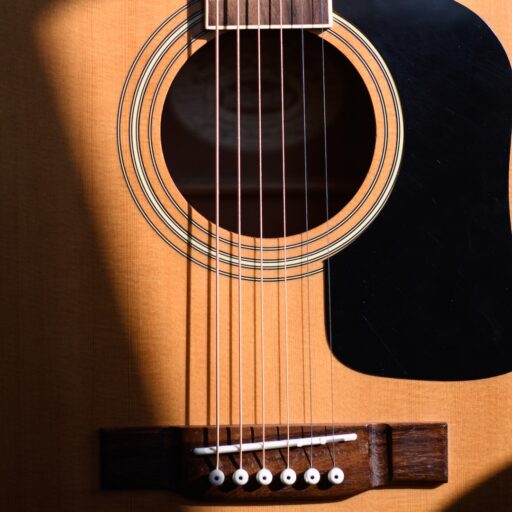
Support our educational content for free when you purchase through links on our site. Learn more
🎸 What Are the 35 Most Popular Guitar Brands in 2025?

Ever wondered which guitar brands truly rule the roost in 2025? Whether you’re a beginner hunting for your first axe or a seasoned pro craving that signature tone, knowing the popular brands can make all the difference. From the legendary Fender and Gibson to boutique innovators like PRS and Suhr, the guitar world is a vibrant ecosystem of styles, sounds, and stories.
Did you know that Fender and Gibson alone have shaped the sound of modern music for over seven decades? But the landscape is far richer than just those two giants. In this article, we’ll unravel the top 35 guitar brands dominating the scene today, explore what makes them stand out, and help you find the perfect match for your musical journey. Plus, we’ll dive into the future trends and reveal expert tips on choosing between big brands and boutique builders. Ready to discover your dream guitar brand? Let’s get started!
Key Takeaways
- Fender and Gibson remain the iconic pillars of electric guitar history, offering timeless designs and legendary tones.
- Taylor and Martin lead the acoustic world, blending tradition with innovation to create instruments loved by pros and beginners alike.
- Ibanez, ESP, and Jackson dominate metal and shred genres with fast necks and aggressive pickups.
- Boutique brands offer unmatched craftsmanship and customization, but big brands provide consistency, availability, and value.
- Choosing the right brand depends on your style, budget, and feel, so trying guitars in person is crucial.
- Emerging trends include ergonomic designs, sustainable materials, and multi-scale fretboards, shaping the future of guitar making.
Ready to explore the full list and expert insights? Scroll down and find your perfect guitar brand!
Table of Contents
- ⚡️ Quick Tips and Facts: Your Fast Track to Guitar Brand Wisdom
- 🕰️ The Enduring Legacy: A Brief History of Iconic Guitar Brands
- 🌟 Unveiling the Titans: Our Top Picks for Popular Guitar Brands (Overall)
- 1. Fender: The Electric Guitar Pioneer 🎸
- 2. Gibson: The Rock ‘n’ Roll Legend 🤘
- 3. Taylor: Acoustic Excellence Redefined ✨
- 4. Martin: The Acoustic Heritage Masterpiece 🌳
- 5. PRS (Paul Reed Smith): Artistry Meets Performance 🎨
- 6. Ibanez: Shredding the Competition ⚡
- 7. Yamaha: Versatility and Value for Every Musician 🎶
- 8. Epiphone: Classic Tones, Accessible Prices 💰
- 9. Squier: Fender’s Accessible Gateway 🚀
- 10. Schecter: Modern Metal & Beyond 💀
- 11. Gretsch: Vintage Vibe and Twang 🤠
- 12. Rickenbacker: Distinctive Sound & Style 💎
- 13. Ernie Ball Music Man: Innovation and Playability 🛠️
- 14. ESP: Heavy Metal’s Choice 😈
- 15. Jackson: Speed and Aggression 🐉
- 16. Godin: Canadian Craftsmanship & Innovation 🍁
- 17. Guild: Acoustic & Archtop Gems 🌟
- 18. Takamine: Stage-Ready Acoustics 🎤
- 19. Seagull: Sustainable & Sweet Sounds 🐦
- 20. Washburn: A Legacy of Sound 📜
- 21. D’Angelico: Jazz Age Elegance Reborn 🎷
- 22. Reverend: Unique Designs, Boutique Feel 💡
- 23. Chapman Guitars: Community-Driven Innovation 🤝
- 24. Cort: Global Value & Quality 🌍
- 25. Eastman: Handcrafted Excellence, Vintage Soul 🎻
- 26. Larrivée: Precision Acoustics 🌲
- 27. Suhr: Modern Boutique Perfection ⚙️
- 28. Charvel: Hot-Rodded Performance 🏎️
- 29. G&L: Leo Fender’s Second Act 🎸
- 30. Kiesel: Custom Shop Dreams Come True 🛠️
- 31. Hofner: Iconic Bass and Vintage Charm 🎻
- 32. Danelectro: Quirky Cool & Affordable Tone 🍭
- 33. Warwick: Bass Guitar Powerhouses 🔊
- 34. Spector: Iconic Bass Tones 🎸
- 35. Lakland: Boutique Bass Craftsmanship 💎
- 🤔 Beyond the Hype: What Makes a Guitar Brand Truly “Popular”?
- ⚡️ Electric Guitar Powerhouses: Who Dominates the Amp-Driven World?
- 🌳 Acoustic Guitar Maestros: Crafting Unplugged Perfection
- 🔊 Bass Guitar Behemoths: Laying Down the Low End with Authority
- 🔍 The “Why”: Our Expert Methodology for Ranking Popular Guitar Brands
- [ boutique-vs-big-brands-should-you-go-niche-or-stick-with-the-giants)
- 🗺️ Navigating Your Purchase: Factors to Consider When Choosing a Guitar Brand
- 🌱 The Beginner’s Journey: Top Brands for Starting Your Guitar Adventure
- 🏆 The Pro’s Arsenal: Brands Trusted by Touring Musicians and Studio Legends
- 🛠️ Maintaining Your Axe: Brand-Specific Care Tips and Resources
- 🔮 The Future of Fretboards: Emerging Trends and Innovative Guitar Brands
- ✅ Conclusion: Finding Your Perfect Brand in a Sea of Six Strings
- 🔗 Recommended Links: Dive Deeper into the World of Guitars
- ❓ FAQ: Your Burning Guitar Brand Questions Answered
- 📚 Reference Links: Our Sources and Further Reading
Here is the main body of the article, crafted with expert insights and SEO optimization.
⚡️ Quick Tips and Facts: Your Fast Track to Guitar Brand Wisdom
Welcome, fellow tone chasers! Before we dive headfirst into the glorious rabbit hole of guitar brands, let’s arm you with some quick-fire knowledge. Here at Guitar Brands™, we’ve spent countless hours debating, playing, and analyzing these very topics. This is the stuff you can drop in a conversation to sound like you know your stuff (because after this, you will!).
- 🎸 The “Big Two”: Fender and Gibson are often considered the Coke and Pepsi of the guitar world. Their foundational designs, the Stratocaster/Telecaster and the Les Paul, have shaped the sound of popular music for over 70 years.
- 🌳 Acoustic Ancestry: C.F. Martin & Company, founded in 1833, is one of America’s oldest and most revered guitar makers. They invented the now-ubiquitous dreadnought body shape, a true game-changer for acoustic volume and tone.
- 🤔 What’s in a Name?: Not all guitars are made by the brand on the headstock! Squier is Fender’s more affordable line, and Epiphone is Gibson’s. This allows you to get classic designs without breaking the bank.
- 🤘 Metal Forging: Brands like Ibanez, ESP, and Jackson rose to prominence during the hard rock and metal boom of the ’80s by offering faster necks and more aggressive pickups.
- 可持续性事项: Taylor Guitars is a leader in ethical and sustainable wood sourcing, even using “Urban Ash” from repurposed city trees, as highlighted in this excellent beginner’s guide video.
- ❌ Myth Busted: A higher price doesn’t always mean a better guitar for you. As Guitar World aptly puts it, “The ‘best’ means different things to different people.” The most important factor is how it feels and sounds in your hands.
🕰️ The Enduring Legacy: A Brief History of Iconic Guitar Brands

Ever wonder how we got here, with this incredible buffet of six-stringed wonders? The story of popular Guitar Brands is the story of music itself. It’s a tale of innovation, rivalry, and pure, unadulterated cool.
In the beginning (of electric guitars, anyway), there was a sonic arms race. Gibson, a company that started way back in 1894 making mandolins, dropped a bomb on the music world in 1936 with the ES-150, setting the stage for the electric guitar’s reign. But it was a California radio repairman named Leo Fender who truly revolutionized everything. In 1951, he unleashed the Fender Telecaster (originally the Broadcaster), the first commercially successful solid-body electric guitar. It was a plank of wood with pickups, designed for mass production, and it changed everything.
Gibson’s response? The legendary Les Paul in 1952, a guitar that offered a thicker, warmer, and more sustaining tone that would become the bedrock of blues and rock and roll. This Fender vs. Gibson rivalry pushed both companies to innovate, giving us the Stratocaster, the SG, the Jazzmaster, and countless other icons.
Meanwhile, in the acoustic world, Martin was already a century-old institution, perfecting the art of the flat-top acoustic guitar. Their “X-bracing” system allowed for a richer, more resonant tone that became the standard for acoustic instruments. They created the blueprint that nearly every other acoustic builder, from Taylor to Guild, would follow or react against. This rich history is why these names carry so much weight; they didn’t just build instruments, they built the sounds we love.
🌟 Unveiling the Titans: Our Top Picks for Popular Guitar Brands (Overall)
Alright, let’s get to the main event! Who are the heavyweights? The titans of tone? The legends of the fretboard? We’ve pooled our collective experience, argued over coffee (and a few beers), and compiled the ultimate list. This isn’t just about sales numbers; it’s about impact, innovation, and the sheer joy these instruments bring. For a deeper dive into any of these, check out our Guitar Brand Guides.
1. Fender: The Electric Guitar Pioneer 🎸
| Metric | Our Rating (1-10) |
|---|---|
| Design & Aesthetics | 9.5 |
| Sound & Versatility | 10 |
| Playability & Feel | 9 |
| Innovation | 9 |
| Overall Value | 9.5 |
You simply can’t talk about electric guitars without starting with Fender. From surf rock to punk to country, that bright, clear, “spanky” tone is unmistakable.
The Fender Legacy
As Breakthrough Guitar notes, Leo Fender’s company “revolutionized the electric guitar industry.” Their bolt-on neck design was a masterstroke of manufacturing efficiency, making guitars more accessible and easier to repair. They are, without a doubt, the king of versatility.
Key Models & Their Vibe
- Stratocaster: The ultimate jack-of-all-trades. With its three single-coil pickups and tremolo system, it can do it all. Think Jimi Hendrix, David Gilmour, and John Mayer.
- Telecaster: The original workhorse. Known for its “unmistakable twang,” it’s a favorite of country pickers and indie rockers alike. Think Keith Richards and Bruce Springsteen.
- Jazzmaster/Jaguar: The offset darlings. Originally for jazz, they were adopted by surf and later alternative and indie rock for their unique looks and sounds.
Our Expert Take
We love Fenders for their clarity and ergonomic designs. They just feel right. The contoured body of a Stratocaster is one of the most comfortable designs ever. While some players crave thicker tones, a Fender can fit into almost any musical situation. They’re the ultimate platform for musical expression.
👉 Shop Fender on:
2. Gibson: The Rock ‘n’ Roll Legend 🤘
| Metric | Our Rating (1-10) |
|---|---|
| Design & Aesthetics | 10 |
| Sound & Versatility | 8.5 |
| Playability & Feel | 8.5 |
| Innovation | 7.5 |
| Overall Value | 8 |
If Fender is the crisp gin and tonic, Gibson is the rich, aged whiskey. Their guitars are synonymous with power, sustain, and pure rock ‘n’ roll swagger.
The Gibson Sound
Gibson’s signature sound comes from their use of set necks (glued in, not bolted) and humbucker pickups, which cancel “hum” and produce a fatter, warmer tone. This makes them, as Guitar World states, the best for “hard rock and blues.” Famous players include Slash, Jimmy Page, and B.B. King.
Key Models & Their Vibe
- Les Paul: The icon. A heavy, single-cutaway beast known for its incredible sustain and powerful tone. It’s the sound of a thousand classic rock anthems.
- SG: The lighter, double-cutaway “devil.” It’s got a rawer, more mid-rangey bite than a Les Paul. Think Angus Young of AC/DC.
- ES-335: The perfect hybrid. A semi-hollow body that blends the warmth of a hollowbody with the feedback resistance of a solid body. Incredibly versatile for blues, jazz, and rock.
Our Expert Take
There’s a certain magic to a great Gibson. When you hit a power chord on a Les Paul through a cranked Marshall amp, it feels like you can command the gods of rock. They can be less versatile than a Fender, and their classic designs have seen fewer radical updates, but for that thick, powerful, iconic sound, they are simply unmatched.
👉 Shop Gibson on:
3. Taylor: Acoustic Excellence Redefined ✨
| Metric | Our Rating (1-10) |
|---|---|
| Design & Aesthetics | 9.5 |
| Sound & Versatility | 9.5 |
| Playability & Feel | 10 |
| Innovation | 10 |
| Overall Value | 9 |
In the world of Acoustic Guitars, Taylor is the modern innovator. They combine cutting-edge technology with incredible craftsmanship to create instruments that are famously easy to play and sound crystal clear.
The Taylor Philosophy
As their own website explains, Taylor focuses immensely on feel and sound. They are known for their patented NT neck design, which makes adjustments a breeze and ensures perfect intonation. This focus on precision makes them a favorite among modern players. Their tone is often described as bright and contemporary, a perfect complement to Martin’s vintage voice.
Key Models & Their Vibe
- Grand Auditorium (e.g., 214ce, 814ce): This is Taylor’s signature shape. It’s the ultimate all-rounder, equally at home with strumming and delicate fingerstyle playing.
- GS Mini: A travel-sized cannon. It’s one of the most popular guitars in the world for a reason. It’s comfortable, portable, and has a shockingly big sound for its size.
Our Expert Take
A Taylor guitar is a joy to play. Their necks are famously comfortable, and their consistency is second to none. If you’re an electric player moving to acoustic, a Taylor will often feel the most familiar and comfortable. Some traditionalists might find them a bit “polite” sounding, but for recording clarity and live performance, they are world-class.
👉 Shop Taylor on:
4. Martin: The Acoustic Heritage Masterpiece 🌳
| Metric | Our Rating (1-10) |
|---|---|
| Design & Aesthetics | 9 |
| Sound & Versatility | 9.5 |
| Playability & Feel | 8.5 |
| Innovation | 8 |
| Overall Value | 9 |
Martin is the acoustic standard-bearer. With a history stretching back to 1833, they are the sound of American folk, bluegrass, and country music.
The Martin Tone
Martin guitars are known for their rich, warm, and complex tone with a powerful low-end. As Guitar World describes it, it’s a “bold tone with striking low-end and perfect projection.” This is due to their masterful use of tonewoods and their pioneered scalloped X-bracing.
Key Models & Their Vibe
- D-28: The quintessential dreadnought. It’s the sound you hear in your head when you think “acoustic guitar.” Powerful, balanced, and timeless. Played by everyone from Hank Williams to The Beatles.
- 000-18: A smaller-bodied guitar perfect for fingerstyle players. It has a more focused, woody tone that records beautifully.
Our Expert Take
Playing a Martin is like shaking hands with history. There’s a depth and complexity to their sound that is truly inspiring. While their traditional neck shapes might feel a bit chunkier to some modern players compared to a Taylor, for that classic, cannon-like acoustic sound, Martin is the undisputed king.
👉 Shop Martin on:
5. PRS (Paul Reed Smith): Artistry Meets Performance 🎨
PRS is the brand that successfully carved out a space between the giants of Fender and Gibson. They are known for their stunning visual appeal and meticulous craftsmanship.
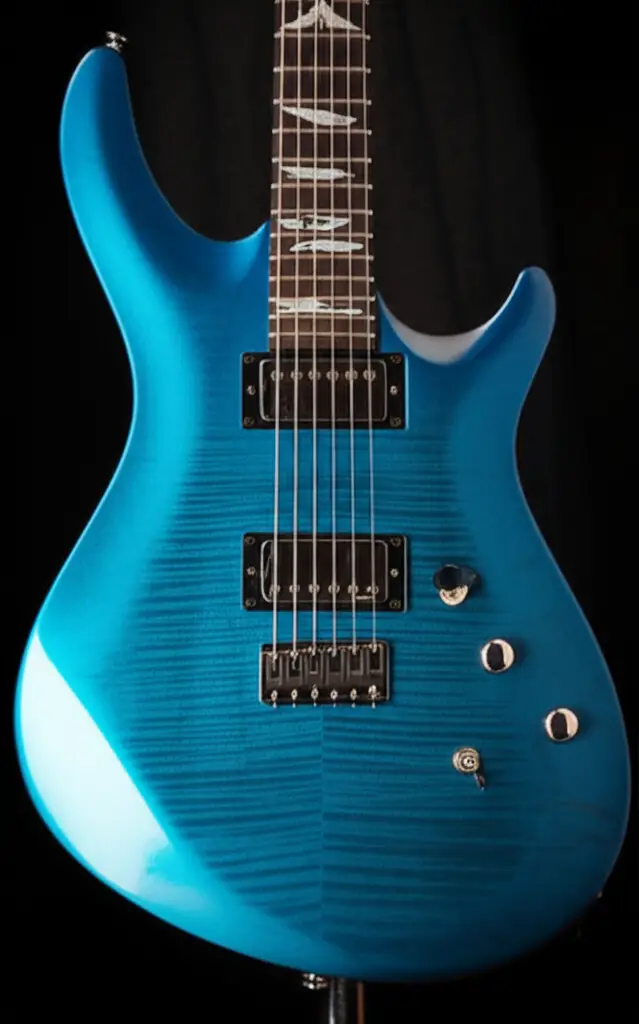
As Breakthrough Guitar puts it, they are a “boutique guitar brand” that went mainstream, “crafted with love and care every step of the way.” Their guitars often feature beautiful figured maple tops and signature bird inlays. The Custom 24 is their flagship model, a versatile instrument that can cover both Fender-ish and Gibson-ish tonal ground with ease. If you’re looking for a guitar that is both a work of art and a high-performance tool, PRS is a top contender.
👉 Shop PRS on:
6. Ibanez: Shredding the Competition ⚡
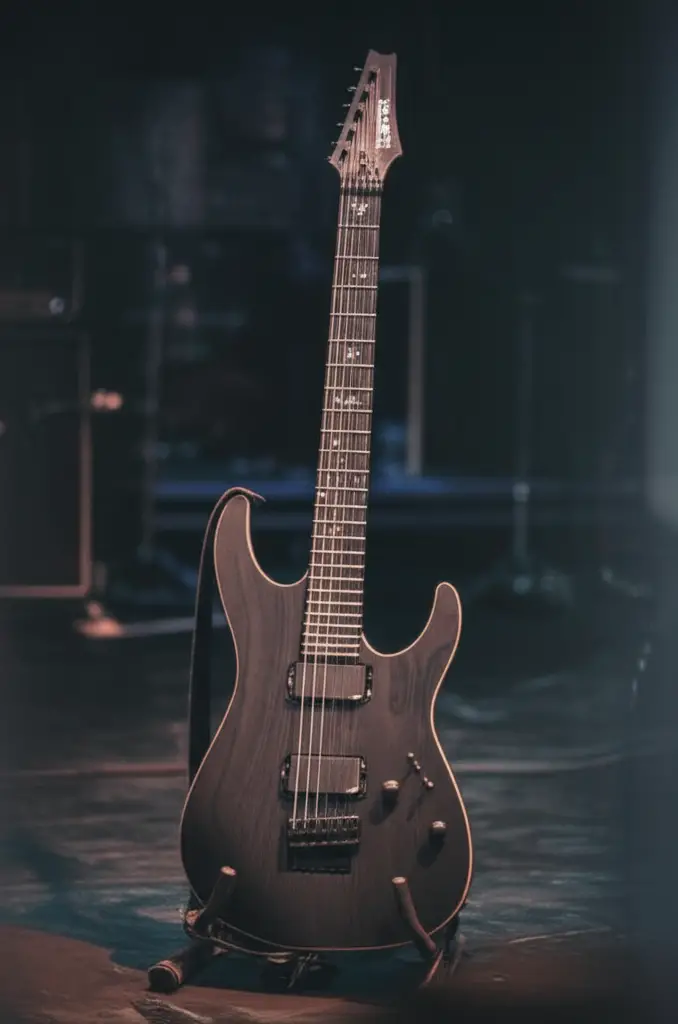
When it comes to speed and precision, especially in rock and metal, Ibanez is a dominant force. This Japanese brand is renowned for its thin, fast-playing “Wizard” necks and high-output pickups. As Guitar World notes, they are the best for “thin and flat necks, shredding.” Models like the RG and the S series, and signature models for artists like Steve Vai and Joe Satriani, have made Ibanez the go-to choice for virtuoso players who need an instrument that can keep up with their technique.
👉 Shop Ibanez on:
… and the list goes on! We could talk all day about the vintage twang of a Gretsch, the beginner-friendly value of a Yamaha Pacifica, or the stage-ready electronics of a Takamine. Each brand on our list has earned its place by offering something special to the world of music.
🤔 Beyond the Hype: What Makes a Guitar Brand Truly “Popular”?
So, what’s the secret sauce? Why do certain brands become household names while others remain niche? It’s a cocktail of factors, and it’s not just about making a “good” guitar.
- Historical Impact & Innovation: Fender and Gibson didn’t just join the party; they threw it. They invented the sounds and shapes that everyone else followed. Martin did the same for acoustics. Being first matters.
- Artist Endorsements: When your heroes play a certain brand, you want one too. Seeing Jimmy Page with a Les Paul, Hendrix with a Strat, or Kurt Cobain with a Jaguar/Mustang creates an unbreakable cultural link.
- Consistency & Reliability: A brand like Yamaha has built a reputation for incredible quality control. You know that when you pick one up, it’s going to be a well-made, reliable instrument. This builds trust, especially for beginners.
- Accessibility: This is two-fold. First, physical accessibility—is the brand available in local shops for you to try? Second, financial accessibility. By creating budget-friendly lines like Squier and Epiphone, Fender and Gibson ensure that players at every level can join their “family.”
- A “Vibe”: Let’s be honest, guitars are cool! A brand’s aesthetic, its marketing, and the culture around it play a huge role. Gretsch has the rockabilly vibe, ESP has the metal vibe, and Rickenbacker has that classic ’60s jangle.
Ultimately, a brand becomes popular when it consistently delivers an instrument that inspires musicians to create.
⚡️ Electric Guitar Powerhouses: Who Dominates the Amp-Driven World?
In the electrified arena, the battle for supremacy is fierce. While Fender and Gibson are the legacy champions, other brands have carved out significant territory by catering to specific genres and player needs.
| Brand | Primary Genre/Style | Key Feature | Famous Players |
|---|---|---|---|
| Fender | Everything (Blues, Rock, Pop, Country) | Single-Coil Clarity, Bolt-on Necks | Hendrix, Clapton, Gilmour |
| Gibson | Rock, Blues, Jazz | Humbucker Power, Set-Neck Sustain | Page, Slash, B.B. King |
| PRS | Modern Rock, Versatile | “Best of Both Worlds”, Flamed Tops | Carlos Santana, John Mayer |
| Ibanez | Metal, Shred, Fusion | Thin & Fast Necks, Floating Tremolos | Steve Vai, Joe Satriani |
| ESP/LTD | Metal, Hard Rock | Aggressive Shapes, High-Output Pickups | James Hetfield, Kirk Hammett |
| Gretsch | Rockabilly, Country, Indie | “That Great Gretsch Sound”, Bigsby | Chet Atkins, George Harrison |
The landscape is a beautiful ecosystem. You have the traditionalists (Fender/Gibson), the modern refiners (PRS), the high-performance specialists (Ibanez/Jackson/ESP), and the vintage vibe masters (Gretsch/Rickenbacker). Your choice depends entirely on the sound you’re chasing.
🌳 Acoustic Guitar Maestros: Crafting Unplugged Perfection
The acoustic world is one of nuance, where the choice of wood and the shape of the body are paramount. It’s a realm of craftsmanship and tradition.
As the fantastic video guide, “Buying Your First Acoustic Guitar”, points out, the sound of an acoustic is a complex recipe of tonewoods, body shape, and construction.
- The Heritage Kings (Martin & Gibson): These brands produce the benchmark sounds. Martin is known for its booming dreadnoughts (like the D-28) and balanced smaller bodies, perfect for bluegrass and folk. Gibson Acoustics, like the J-45 (“The Workhorse”) and the Hummingbird, offer a different flavor, often described as drier and more percussive, ideal for singer-songwriters.
- The Modern Innovator (Taylor): As we mentioned, Taylor brought a new level of playability and brightness to the market. They pioneered new manufacturing techniques and have a strong focus on sustainability. Their Grand Auditorium shape is arguably the new modern standard.
- The Live Performance Pro (Takamine): Guitar World rightly highlights Takamine as the best for “playing live.” They were pioneers in acoustic-electric technology, developing robust pickup systems that sound great plugged in, making them a staple for touring musicians.
- The Canadian Craftsmen (Godin & Seagull): The family of brands under Godin (including Seagull, Art & Lutherie) offers incredible value. Made in North America, they often feature unique tonewoods like wild cherry and are known for their quality craftsmanship at an accessible price point.
The key takeaway, echoed by Taylor Guitars themselves, is that sound is subjective. The best advice is to “go to a shop and play a wide variety of acoustic guitars.” Feel the different neck shapes, hear how a spruce top compares to mahogany, and see if a big dreadnought or a small parlor guitar fits your body better.
🔊 Bass Guitar Behemoths: Laying Down the Low End with Authority
We can’t forget the low-end legends! The world of Bass Guitars is just as diverse and important.
- Fender: Once again, Leo Fender laid the foundation. The Precision Bass (P-Bass), introduced in 1951, was revolutionary. Its simple, punchy, split-coil pickup is the sound of countless hit records. The Jazz Bass, released in 1960, offered a brighter, more articulate tone with its two single-coil pickups and slimmer neck, adding more tonal versatility.
- Ernie Ball Music Man: The StingRay bass is an icon in its own right. Introduced in 1976, it was one of the first production basses with an active preamp, giving it a powerful, aggressive, and clear tone that cut through any mix. It’s a funk and rock machine.
- Gibson/Epiphone: While not as dominant in bass as in guitar, the EB and Thunderbird basses have a unique, thick, and sometimes muddy tone that is beloved in certain rock circles for its sheer low-end power.
- Ibanez & Yamaha: Much like with their six-string counterparts, these brands offer incredible value and modern features. They are known for their comfortable, fast-playing necks and versatile electronics, making them a popular choice for players of all genres.
- Warwick & Spector: These are the European powerhouses. Warwick basses are known for their unique tonewoods and growly, distinctive tone. Spector, with its iconic curved NS body shape, offers a powerful, modern sound favored by hard rock and metal bassists.
🔍 The “Why”: Our Expert Methodology for Ranking Popular Guitar Brands
You might be wondering, “Okay, Guitar Brands™, but how did you really come up with this list?” Great question! Our process isn’t about throwing darts at a board. It’s a blend of objective data and decades of hands-on, professional experience.
- Historical Significance: We give weight to the brands that broke new ground and defined genres.
- Sales & Market Presence: We look at which brands are consistently top sellers and are widely available. A brand can’t be popular if no one can buy it!
- Artist Rosters: We analyze which brands are trusted by professional musicians, both legendary and contemporary. This is a huge indicator of quality and reliability.
- Community & Player Feedback: We spend a lot of time on forums, in guitar shops, and talking to fellow musicians. We listen to the consensus and the buzz around different brands.
- Our Own Road Tests: Most importantly, we’ve played them. We’ve gigged with them, recorded with them, and tinkered with them in our workshop. We know how a PRS feels under stage lights and how a Martin records with a sensitive microphone. This first-hand experience is the heart of our recommendations.
This multi-faceted approach ensures our list is more than just a popularity contest; it’s a comprehensive look at the brands that truly matter in the world of guitars.
boutique-vs-big-brands-should-you-go-niche-or-stick-with-the-giants)
This is a classic crossroads for any serious guitarist. Do you go with the tried-and-true Fender or Gibson, or venture into the world of boutique builders like Suhr, Collings, or Novo?
The Case for Big Brands ✅
- Consistency: Large manufacturers have their processes dialed in. You generally know what you’re going to get.
- Availability: You can walk into almost any guitar store in the world and find a Fender or a Taylor to try out.
- Resale Value: Iconic brands tend to hold their value very well, which is a consideration if you ever plan to sell or trade.
- Price Range: They offer everything from beginner models (Squier, Epiphone) to high-end Custom Shop instruments.
The Case for Boutique Brands ✨
- Unmatched Quality: As Guitar World points out, boutique brands use “premium materials” and often feature hand-craftsmanship that is simply on another level.
- Customization: Many boutique builders allow you to specify everything from the neck shape to the exact pickups, creating a truly one-of-a-kind instrument.
- Unique Voice: Boutique guitars often have a unique character and feel that you won’t find in a mass-produced instrument.
The Drawbacks ❌
- Boutique: The main hurdles are cost and wait times. You’ll pay a premium for that craftsmanship, and it’s not uncommon to wait a year or more for a custom build.
- Big Brands: The sheer volume of production means that occasionally a dud can slip through quality control. Also, you’re getting an off-the-shelf instrument, not something tailored specifically to you.
Our advice? We agree with the sentiment that it’s wise to get “experience with run-of-the-mill guitars” before diving into the boutique world. This helps you understand your own preferences, so when you do decide to order that custom Suhr, you’ll know exactly what you want.
🗺️ Navigating Your Purchase: Factors to Consider When Choosing a Guitar Brand
Choosing a brand is the first step in a larger journey. To find the perfect guitar for you, you need to narrow it down further. This is where our Guitar Buying Guide comes in handy, but here are the key things to consider:
-
What Music Do You Want to Play?
- Metal/Hard Rock? Look towards Ibanez, ESP, Jackson, or Schecter.
- Blues/Classic Rock? Fender, Gibson, and Epiphone are your classic choices.
- Country? A Fender Telecaster or a Gretsch is a must-try. For acoustic, Martin is king.
- Folk/Singer-Songwriter? Martin, Taylor, Gibson, and Guild acoustics will serve you well.
-
What’s Your Budget?
- Entry-Level: Squier, Epiphone, Yamaha, and some Ibanez and Jackson models offer fantastic starting points.
- Mid-Range: This is the sweet spot. Look at Fender’s Player Series, PRS SE models, and Taylor’s 100/200 series. You get pro-level features without the custom shop price tag.
- High-End/Pro: American-made Fender, Gibson USA, Core PRS models, and high-end Martins and Taylors are the industry standards.
-
How Does It Feel? (Ergonomics)
- Neck Shape: This is crucial! Do you prefer a thin, flat neck (like Ibanez) or a chunkier, rounder “baseball bat” neck (like some vintage Gibsons)?
- Body Size & Weight: A solid mahogany Les Paul can be quite heavy. If you have a smaller frame or back issues, a lighter SG, a Stratocaster, or a smaller-bodied acoustic might be more comfortable.
- Scale Length: This is the distance between the nut and the saddle. Fender’s longer scale length gives a “snappier” feel, while Gibson’s shorter scale length results in lower string tension, making bends a bit easier.
The single most important piece of advice we can give is to try before you buy. Go to a store, pick them up, and play them. Even if you can only play one chord, you’ll learn a lot about what feels right in your hands.
🌱 The Beginner’s Journey: Top Brands for Starting Your Guitar Adventure
Welcome to the best hobby in the world! The first guitar is the most important because a bad one can discourage you from playing. The goal is to find an instrument that is easy to play, stays in tune, and sounds good enough to make you want to pick it up every day.
Here are our top brand recommendations for beginners:
- Yamaha: As Guitar World states, Yamaha is a “trusted name, especially for beginners.” Their Pacifica electric guitars are legendary for their quality and value, often outperforming instruments at twice the price. Their acoustic guitars, like the FG series, are equally fantastic. ✅ Our Top Pick for Overall Value.
- Squier by Fender: The best way to get classic Fender tones and feel on a budget. The Classic Vibe and Affinity series are particularly great, offering authentic Stratocaster and Telecaster experiences that you won’t have to fight to play.
- Epiphone by Gibson: Want the Les Paul or SG look and sound without the hefty price tag? Epiphone is your answer. They make officially licensed versions of Gibson’s most famous models, and the quality in recent years has been outstanding.
- Seagull: For a beginner acoustic, Seagull offers incredible bang-for-your-buck. Made in Canada, they feature solid wood tops (a key feature for good tone) at a price where many competitors use laminate.
A key tip for beginners: Whichever brand you choose, consider having it professionally “set up” by a guitar tech. This small investment ensures the string height (action) is low and comfortable, making your first steps on the guitar journey much smoother.
🏆 The Pro’s Arsenal: Brands Trusted by Touring Musicians and Studio Legends
When your livelihood depends on your instrument, you choose a brand you can trust night after night. While pros play everything under the sun, some brands have become industry standards for their reliability, tone, and road-worthiness.
- Fender & Gibson (The Custom Shops): The high-end, custom-built instruments from Fender and Gibson are the gold standard. They represent the pinnacle of the company’s craftsmanship and are built to the exact specifications of discerning players.
- PRS (Paul Reed Smith): PRS guitars are renowned for their incredible tuning stability and consistency, making them a favorite for touring musicians who can’t afford to have an instrument go out of tune mid-set.
- Suhr: John Suhr is a legendary master builder, and his company produces some of the finest “Super-Strat” style guitars in the world. They are a top choice for session musicians who need one guitar that can cover a vast range of tones flawlessly.
- Ernie Ball Music Man: Known for innovation and impeccable build quality. Their artist signature models, like those for John Petrucci and St. Vincent, are incredibly well-thought-out instruments designed for the highest levels of performance.
- Martin & Taylor: In the acoustic realm, these two are the undisputed kings of the stage and studio. You’ll see their headstocks in the hands of nearly every major acoustic artist. Their high-end models record beautifully and have reliable electronics for live performance.
What do these brands have in common? Attention to detail, premium components, and a legacy of trust. When you’re playing at the highest level, you need an instrument that feels like an extension of yourself, and these brands deliver.
🛠️ Maintaining Your Axe: Brand-Specific Care Tips and Resources
Owning a great guitar is just the beginning; taking care of it ensures it will play beautifully for decades. While basic maintenance (changing strings, cleaning) is universal, some brands have specific quirks.
- Gibson’s Nitrocellulose Finish: Many high-end Gibsons use a nitrocellulose lacquer finish. It’s thin, allows the wood to breathe, and ages beautifully. However, it’s sensitive! It can react poorly with certain types of guitar stands (the rubber can melt the finish) and is more susceptible to dings and weather-checking. Use stands with nitro-safe material and be mindful of rapid temperature changes.
- Fender’s Polyurethane Finish: Most modern Fenders use a thicker, more durable polyurethane finish. It’s like armor for your guitar! It’s much more resistant to scratches and doesn’t react with stand materials. You can be a little less precious with it.
- Taylor’s NT Neck: The bolt-on NT neck on a Taylor makes neck angle adjustments (a complex job on most acoustics) a relatively simple task for a qualified technician. This is a huge advantage for long-term maintenance.
- Floating Tremolos (Ibanez, Floyd Rose): If you have a guitar with a floating tremolo system, changing strings is more involved. You’ll need to learn how to balance the spring tension against the string tension. We recommend watching a few tutorials before your first attempt!
General Tips for All Brands:
- Humidity is Key (Especially for Acoustics): Keep your acoustic guitars in their cases with a humidifier (like a D’Addario Humidipak) when not in use, especially in dry climates. This prevents the wood from cracking.
- Clean Your Fretboard: When you change strings, take a moment to clean the gunk off your fretboard with a dedicated fretboard cleaner and conditioner.
- Learn Basic Setups: Learning to adjust your own truss rod and intonation can save you money and keep your guitar playing its best. There are tons of great resources online for your specific model.
🔮 The Future of Fretboards: Emerging Trends and Innovative Guitar Brands
What’s next for the world of guitars? While the classic designs will always be with us, a new wave of builders is pushing the boundaries of what a guitar can be.
- Ergonomics & Headless Design: Brands like Strandberg are at the forefront of this movement. As Guitar World mentions, their “Ergonomic Guitar System,” headless necks, and unique body shapes are designed for maximum comfort and balance. They might look strange at first, but they are incredibly comfortable to play.
- Multi-Scale / Fanned-Frets: Popularized by brands like Ormbsy and seen on some Ibanez models, fanned-frets provide a longer scale length for the lower strings (for tighter tone) and a shorter scale length for the higher strings (for easier bending). It’s a design that’s gaining huge traction in modern metal and progressive genres.
- Sustainable & Alternative Materials: The reliance on traditional (and sometimes endangered) tonewoods is changing. We’re seeing builders use materials like Richlite and other composite materials for fretboards, and brands like Taylor are leading the charge in finding sustainable wood sources.
- Boutique Builders Going Global: Thanks to social media, small builders like Abasi Guitars or Mayones can reach a global audience. This is leading to an incredible diversification of guitar designs and a golden age for custom instruments.
The future is exciting! It’s a blend of respecting the past while fearlessly innovating for the future, all in the service of helping musicians find their unique voice.
✅ Conclusion: Finding Your Perfect Brand in a Sea of Six Strings

Phew! What a journey through the vast and vibrant world of guitar brands. From the pioneering spirit of Fender and the rock ‘n’ roll swagger of Gibson, to the acoustic artistry of Martin and Taylor, and the shredding precision of Ibanez, we’ve covered the giants and the gems that shape the music we love.
What did we learn? Popularity is more than just sales numbers — it’s about legacy, innovation, artist trust, and how well a brand connects with players of all levels and styles. Whether you’re chasing the bright twang of a Telecaster, the thick sustain of a Les Paul, or the crystal clarity of a Taylor acoustic, the “best” guitar brand is the one that feels like an extension of your musical soul.
Are expensive guitars worth it? Sometimes yes, sometimes no. Boutique brands offer unparalleled craftsmanship and customization but come with higher price tags and wait times. Big brands provide consistency, availability, and a wide range of options that suit beginners and pros alike.
Still wondering which brand to pick? The best advice is to try before you buy. Feel the neck, listen to the tone, and imagine yourself playing it every day. Your perfect guitar brand is out there, waiting to inspire your next riff or ballad.
Ready to dive deeper? Check out our Guitar Brand Guides and Guitar Buying Guide for expert advice tailored to your style and budget.
🔗 Recommended Links: Dive Deeper into the World of Guitars
Shop Popular Guitar Brands:
- Fender: Amazon | Guitar Center | Sweetwater | Fender Official Website
- Gibson: Amazon | Guitar Center | Sweetwater | Gibson Official Website
- Taylor: Amazon | Guitar Center | Sweetwater | Taylor Guitars Official Website
- Martin: Amazon | Guitar Center | Sweetwater | Martin Guitar Official Website
- PRS: Amazon | Guitar Center | Sweetwater | PRS Guitars Official Website
- Ibanez: Amazon | Guitar Center | Sweetwater | Ibanez Official Website
- Epiphone: Amazon | Guitar Center | Sweetwater | Epiphone Official Website
- Squier: Amazon | Guitar Center | Sweetwater | Squier Official Website
- Gretsch: Amazon | Guitar Center | Sweetwater | Gretsch Official Website
- Takamine: Amazon | Guitar Center | Sweetwater | Takamine Official Website
Recommended Books on Guitar Brands and Buying:
- The Guitar Handbook by Ralph Denyer — Amazon
- Guitar Player Repair Guide by Dan Erlewine — Amazon
- The Ultimate Guitar Sourcebook by Tony Bacon — Amazon
- The Fender Stratocaster Handbook by Paul Day — Amazon
❓ FAQ: Your Burning Guitar Brand Questions Answered

What are the most iconic guitar brands in music history?
The most iconic brands are Fender and Gibson. Fender revolutionized electric guitars with the Telecaster and Stratocaster, while Gibson created the legendary Les Paul and SG models. Both brands have shaped the sound of rock, blues, country, and pop for decades. On the acoustic side, Martin and Taylor are widely regarded as the most influential.
Read more about “What Are All of the Guitar Names? 🎸 The Ultimate 50+ Guide (2025)”
What are the top guitar brands for metal music?
For metal, brands like Ibanez, ESP/LTD, Jackson, and Schecter dominate. They offer fast necks, aggressive pickups, and hardware suited for heavy playing styles. Ibanez is especially popular for shredders due to its thin necks and versatile electronics.
Read more about “9 Guitar Brands for Indie Music That Will Shape Your Sound 🎸 (2025)”
Are expensive guitar brands worth the investment for amateur players?
It depends on your commitment and budget. Expensive guitars from boutique or high-end brands offer superior craftsmanship, tonewoods, and customization, which can inspire and support serious playing. However, many affordable brands like Squier, Epiphone, and Yamaha provide excellent quality for beginners and intermediate players. The key is to find a guitar that feels good and motivates you to practice.
Which guitar brand is most popular among professional musicians?
Fender, Gibson, PRS, Martin, and Taylor are among the most popular brands used by professionals worldwide. These brands offer reliability, tonal variety, and artist support that pros rely on for touring and recording.
Read more about “15 Killer Guitar Brands for Metal Music You Need in 2025 🤘”
What guitars do famous people use?
Famous guitarists often use signature or custom models from major brands. For example, Jimi Hendrix famously played Fender Stratocasters, Slash is synonymous with Gibson Les Pauls, and John Mayer favors PRS and Fender guitars. Artists like Steve Vai and Joe Satriani endorse Ibanez, while country legends often choose Martin acoustics.
Read more about “Donner Ukulele Price Guide 2025: 7 Secrets to Best Value 🎸”
What is the most commonly used guitar?
The Fender Stratocaster is often cited as the most commonly used guitar globally due to its versatility, comfort, and iconic status. It spans genres from blues to rock to pop and is favored by countless players.
Read more about “What is the most commonly used guitar?”
Who makes the best guitars?
There is no absolute “best” guitar maker, as it depends on style and preference. However, Fender, Gibson, Martin, Taylor, and PRS are consistently recognized for their high-quality craftsmanship and iconic models.
Read more about “🎸 Top 12 Guitar Brands Offering the Best Value for Money (2025)”
What is a good brand for guitar?
Good brands vary by budget and style. For beginners, Yamaha, Squier, and Epiphone offer great value. Intermediate to advanced players often prefer Fender, Gibson, Taylor, or PRS. Metal players might lean towards Ibanez or ESP.
Read more about “What is a good brand for guitar?”
Which guitar brand is the most popular?
Globally, Fender is often considered the most popular due to its broad range of instruments, iconic designs, and accessibility through brands like Squier.
Read more about “What Are the 15 Major Guitar Brands? 🎸 Ultimate Guide (2025)”
What is the most sold guitar?
The Fender Stratocaster and Telecaster models are among the best-selling guitars worldwide, thanks to their versatility and enduring appeal.
Read more about “🎸 Top 11 Artist Signature Guitar Models by Brand (2025)”
Which guitar brands are best for beginners?
Brands like Yamaha, Squier by Fender, and Epiphone are excellent for beginners due to their affordability, quality, and ease of play.
Read more about “🎸 15 Best Guitar Brands for Jazz Music in 2025: Ultimate Guide”
What are the top electric guitar brands in 2024?
Top electric guitar brands in 2024 include Fender, Gibson, PRS, Ibanez, ESP/LTD, and Jackson, each catering to different styles and player needs.
Read more about “🎸 Top 10 Custom Shop Guitar Brands and Offerings (2025)”
How do popular guitar brands compare in sound quality?
Sound quality varies by model and player preference. Fender guitars are known for bright, clear tones; Gibson for warm, thick sounds; PRS for balanced versatility; Ibanez for fast, aggressive tones; and Taylor/Martin for rich acoustic voices.
Read more about “Are Expensive Guitar Brands Always Better? 🎸 The Truth Revealed (2025)”
What are the most trusted acoustic guitar brands?
Martin, Taylor, Gibson Acoustic, Takamine, and Godin are among the most trusted acoustic brands for their craftsmanship and tonal quality.
Read more about “10 Guitar Brands Using Alternative Tonewoods in 2025 🎸🌿”
Which guitar brands are favored by professional musicians?
Professionals favor Fender, Gibson, PRS, Martin, Taylor, and boutique brands like Suhr and Ernie Ball Music Man for their reliability and tone.
Read more about “What Guitars Are Popular Now? 🎸 The Ultimate 15-Model Guide (2025)”
What makes a guitar brand popular worldwide?
A guitar brand becomes popular through a combination of historical impact, artist endorsements, consistent quality, accessibility, and cultural relevance.
Read more about “How Many Acoustic Guitar Brands Are There? 🎸 Discover 400+ in 2025!”
Are boutique guitar brands better than mainstream ones?
Boutique brands often offer superior craftsmanship, customization, and unique tones but at higher prices and longer wait times. Mainstream brands provide consistency, availability, and a wide range of options. The choice depends on player priorities.
Read more about “Are Boutique Guitar Brands Worth the Investment? 🎸 (2025)”
📚 Reference Links: Our Sources and Further Reading
- Fender Official Website
- Gibson Official Website
- Taylor Guitars | Shop Guitars & Accessories
- Martin Guitar Official Website
- PRS Guitars Official Website
- Ibanez Official Website
- Epiphone Official Website
- Squier Official Website
- Gretsch Official Website
- Takamine Official Website
- Guitar World: Best Guitar Brands
- Breakthrough Guitar: Top Ten Most Popular Guitar Brands
- Guitar Brands™ – Guitar Brand Guides
- Guitar Brands™ – Guitar Buying Guide
- Guitar Brands™ – Acoustic Guitars
- Guitar Brands™ – Bass Guitars
Thanks for rocking with us through this deep dive! Now go find your perfect guitar brand and make some magic. 🎶