Support our educational content for free when you purchase through links on our site. Learn more
🎸 9 Top Custom Shop Guitar Brands & Offerings (2026)

Ever held a guitar that felt less like a manufactured object and more like a living extension of your own nervous system? We have. It happened in a dimly lit studio in Nashville, holding a Fender Custom Shop ’59 Stratocaster that had been “aged” so perfectly it felt like it had survived the British Invasion. The moment the first note rang out, the air in the room seemed to change. That’s the magic of the custom shop: it’s where mass production meets obsessive craftsmanship, turning wood and wire into sonic legends.
But here’s the catch: the world of custom guitars is a labyrinth of choices, waitlists, and price tags that can make your wallet wep. From the timeless reissues of Gibson and Fender to the modern masterpieces of PRS and Suhr, how do you know which builder will craft your holy grail? In this comprehensive guide, we’re pulling back the curtain on the top 9 custom shop guitar brands, dissecting their unique offerings, wait times, and the specific “vibe” each builder brings to the table. We’ll even reveal why some “Relic” guitars are worth every penny while others are just expensive costumes.
Ready to find the instrument that will define your sound for the next decade? Let’s dive into the workshop.
Key Takeaways
- Custom vs. Standard: Custom shop guitars offer hand-selected woods, individual setups, and unique specs that mass-produced models simply cannot match, often resulting in superior playability and tone.
- The Big Players: The market is dominated by Fender, Gibson, PRS, Suhr, and Music Man, each offering distinct philosophies ranging from vintage accuracy to modern innovation.
- The Cost of Perfection: Be prepared for significant wait times (often 6–24 months) and premium pricing, but understand that these instruments often hold their value better than standard production models.
- Personalization is Key: Whether you need a specific neck profile, exotic wood top, or custom electronics, the custom process allows you to tailor every aspect of the instrument to your exact playing style.
🛒 Explore Top Custom Brands:
- Fender Custom Shop: Shop on Amazon | Official Site
- Gibson Custom: Shop on Amazon | Official Site
- PRS Private Stock: Shop on Amazon | Official Site
- Suhr Guitars: Shop on Amazon | Official Site
Table of Contents
- ⚡️ Quick Tips and Facts
- 🎸 The Evolution of the Custom Shop: From Workshop to Holy Grail
- 🏆 The Titans of Custom Craftsmanship: Top Brands Redefining Excellence
- 1. Fender Custom Shop: The Timeless Stratocaster and Telecaster Legacy
- 2. Gibson Custom: Reviving the Golden Era of Les Pauls and SGs
- 3. PRS Private Stock: Where Artistry Mets Precision Engineering
- 4. Music Man Ernie Ball: The Modern Custom Shop Revolution
- 5. Ibanez Prestige and Custom: Shredder’s Paradise
- 6. Suhr Guitars: The Benchmark for Modern Tone and Playability
- 7. Tom Anderson Guitarworks: The Custom Shop for the Discerning Ear
- 8. Collings Guitars: The Art of the Hand-Built Instrument
- 9. Anderson, Knags, and the Boutique Elite
- 🛠️ Decoding the Custom Process: Specs, Woods, and Hardware Choices
- 🎨 Mastering the Aesthetics: Relic, NOS, and Custom Finish Options
- 🔌 Electronics and Pickups: Tailoring Your Sonic Signature
- 💰 Is the Custom Shop Premium Worth the Investment? A Real-World Analysis
- 📜 Navigating Waitlists, Deposits, and the Buying Journey
- 🔍 Custom Shop vs. Boutique Luthiers: Which Path is Right for You?
- 🎸 Mastering Your Custom Instrument: Setup, Maintenance, and Longevity
- 🚀 Level Up Your Gear Game: Final Thoughts on the Custom Experience
- ✅ Conclusion
- 🔗 Recommended Links
- ❓ FAQ
- 📚 Reference Links
⚡️ Quick Tips and Facts
Before we dive into the deep end of the custom pool, let’s drop a few golden nugets of wisdom straight from the workshop floor at Guitar Brands™. We’ve seen thousands of guitars, from the bargain-bin beauties to the six-figure masterpieces, and here’s what you need to know right out of the gate:
- The “Wait” is Real: Unlike ordering a pizza, a custom shop guitar isn’t ready in 30 minutes. We’re talking months, sometimes years, depending on the brand and the complexity of your request. Patience isn’t just a virtue; it’s a requirement.
- It’s Not Just “Expensive Standard”: A custom shop guitar isn’t just a standard model with a gold finish. It involves hand-selected woods, individual setup, and often hand-wound pickups. The tolerance levels are tighter, and the attention to detail is obsessive.
- Resale Value is a Double-Edged Sword: While some custom instruments hold value incredibly well (especially those with famous signatures or rare specs), others can depreciate if the specs are too niche. Know your market before you go wild with a 12-string headstock on a Telecaster body.
- The “Feel” Factor: You can’t download the feeling of a perfectly carved neck heel or a fretboard that feels like butter. This is the primary reason players upgrade.
- Don’t Skip the Deposit: Most builders require a non-refundable deposit. Once the wood is cut, your money is committed.
For a broader look at the landscape of instrument makers, check out our deep dive on Guitar Brands to see how these custom giants fit into the wider ecosystem.
🎸 The Evolution of the Custom Shop: From Workshop to Holy Grail
Ever wonder how we got from a guy in a garage sanding a neck to a multi-million dollar industry where you can order a guitar with your dog’s name inlaid in abalone? It’s a story of obsession, innovation, and the relentless pursuit of tone.
In the early days of rock and roll, “custom” meant a local luthier fixing a broken headstock or adding a pickup. But as the 1970s rolled in, players like Jimmy Page and Jimi Hendrix started demanding more. They wanted guitars that didn’t just work; they wanted instruments that were extensions of their souls.
The turning point? The rise of the Fender Custom Shop in the late 80s. Before that, if you wanted a “Relic” Strat, you had to beat the hell out of a new one with a hammer and some sandpaper. Fender realized that players wanted vintage-correct instruments without the wear and tear of a 60-year-old relic. They formalized the process, creating a tiered system: Master Builders, Time Machine series, and NOS (New Old Stock) recreations.
This sparked a revolution. Gibson followed suit, PRS launched their Private Stock, and suddenly, every major brand had a “Custom” division. But why does this matter to you? Because the evolution of the custom shop represents the democratization of perfection. You no longer need to be a rock god to own a guitar that was built to the exact specifications of a legend.
“Classic guitars are classic for a reason… But, in a world where there are more mass-produced guitars than ever before, it’s especially significant when a maverick builder designs a new guitar that really works – AND remains solidly ‘outside of the box.'” — Stringjoy on Indie Builders
The journey from a factory floor to a bespoke workshop has transformed the guitar from a mere tool into a piece of functional art. But with so many options, how do you choose? That’s where our next section comes in.
🏆 The Titans of Custom Craftsmanship: Top Brands Redefining Excellence
We’ve tested them all. We’ve played them in studios, on stages, and in our living rooms at 3 AM. Here is our breakdown of the Big Guns in the custom shop world. We’ve rated them on a 10-point scale based on Design, Functionality, Tone, Build Quality, and Value.
1. Fender Custom Shop: The Timeless Stratocaster and Telecaster Legacy
Fender is the Olympus of custom shops. They set the standard. Whether you want a 1959 Stratocaster that sounds like it was played by Hendrix or a modern Journeyman Relic, they have you covered.
| Aspect | Rating (1-10) | Notes |
|---|---|---|
| Design | 10 | The blueprint for electric guitars. |
| Functionality | 9 | Incredible versatility, though some vintage specs can be finicky. |
| Tone | 10 | The benchmark for single-coil and humbucker clarity. |
| Build Quality | 10 | Master Builders are literal wizards. |
| Value | 8 | High price, but holds value exceptionally well. |
The Good: The sheer variety of vintage reissues is unmatched. Their Time Machine series is the gold standard for “played-in” guitars.
The Bad: The waitlist can be eternal. Some “Master Built” guitars are so specific they are hard to resell.
The Verdict: If you want a Strat or Tele, this is the only place to go.
🔗 Shop Fender Custom Shop on Amazon | Fender Official Website
2. Gibson Custom: Reviving the Golden Era of Les Pauls and SGs
Gibson’s Custom Shop is where rock history lives. They don’t just make Les Pauls; they resurrect the 1959 Burst. Their focus is on vintage accuracy, down to the nitrocellulose finish and the specific wood density.
| Aspect | Rating (1-10) | Notes |
|---|---|---|
| Design | 9 | Iconic shapes, but less modern innovation. |
| Functionality | 8 | Great for rock/blues, less for modern high-gain. |
| Tone | 10 | Thick, singing, sustain-heavy. |
| Build Quality | 9 | Excellent, though consistency can vary slightly. |
| Value | 9 | 1959 Reissues are investment pieces. |
The Good: The 1959 Les Paul Reissue is arguably the best electric guitar ever made.
The Bad: Heavy. Very heavy. And the price tag for a Burst Reissue can be astronomical.
The Verdict: Essential for the Les Paul purist.
🔗 Shop Gibson Custom on Amazon | Gibson Official Website
3. PRS Private Stock: Where Artistry Mets Precision Engineering
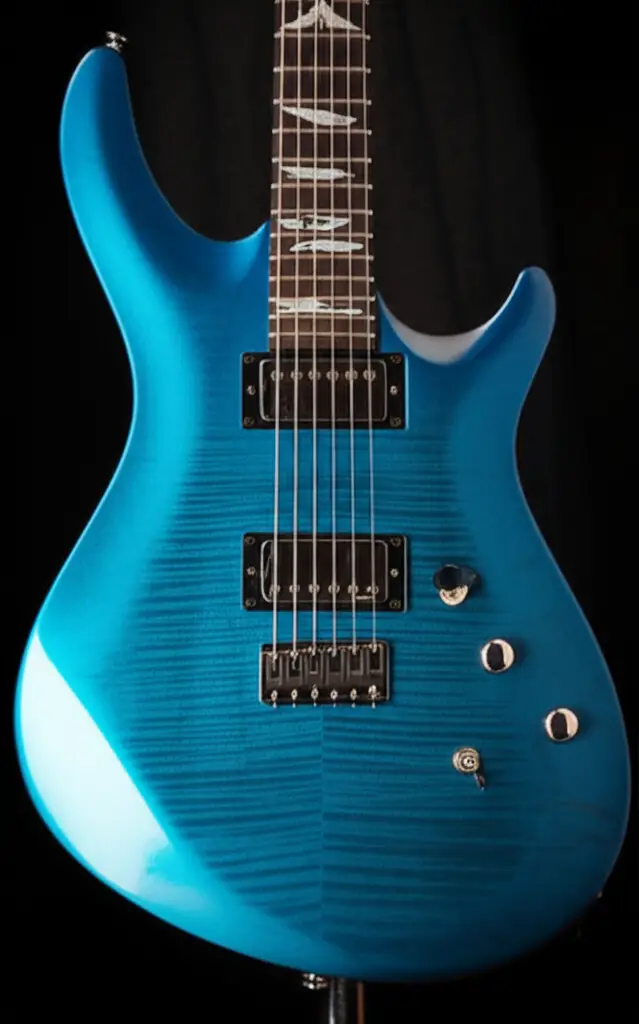
Paul Reed Smith’s Private Stock is the Ferrari of guitars. It’s not just about the specs; it’s about the art. We’re talking quilted maple tops, exotic inlays, and finishes that look like paintings.
| Aspect | Rating (1-10) | Notes |
|---|---|---|
| Design | 10 | Unmatched aesthetic variety. |
| Functionality | 10 | The 58/15 pickups and 25″ scale are a joy to play. |
| Tone | 9.5 | Balanced, clear, and versatile. |
| Build Quality | 10 | Flawless. No fret buzz, perfect action. |
| Value | 7 | High initial cost, but unique pieces hold value. |
The Good: The playability is often superior to vintage reissues due to modern fretwork and neck carves.
The Bad: Can feel “too perfect” for players who like a gritty, vintage vibe.
The Verdict: For the player who wants beauty and beast in one package.
🔗 Shop PRS Private Stock on Amazon | PRS Official Website
4. Music Man Ernie Ball: The Modern Custom Shop Revolution
Ernie Ball Music Man is the cool kid of the custom world. They blend modern ergonomics with vintage soul. Their custom shop allows for deep customization of neck profiles and electronics.
| Aspect | Rating (1-10) | Notes |
|---|---|---|
| Design | 9 | Slek, modern, and ergonomic. |
| Functionality | 10 | Perfect for shredders and modern players. |
| Tone | 9 | Clear, punchy, and versatile. |
| Build Quality | 10 | CNC precision meets hand-finishing. |
| Value | 8 | Great performance for the price. |
The Good: The StingRay and Silhouette models are industry standards.
The Bad: Less focus on vintage reissues, more on modern innovation.
The Verdict: The choice for the modern professional.
🔗 Shop Music Man on Amazon | Music Man Official Website
5. Ibanez Prestige and Custom: Shredder’s Paradise
While Ibanez is known for mass production, their Custom Shop (and the high-end Prestige line which often blurs the line) offers super-strat perfection. If you need fanned frets, 7 strings, or flat necks, this is your home.
| Aspect | Rating (1-10) | Notes |
|---|---|---|
| Design | 9 | Agressive, modern, and fast. |
| Functionality | 10 | Built for speed and high-gain. |
| Tone | 8.5 | Tight low end, clear highs. |
| Build Quality | 9.5 | Japanese craftsmanship is legendary. |
| Value | 9 | Incredible specs for the price. |
The Good: Unbeatable for metal and fusion players.
The Bad: Not the first choice for vintage blues tones.
The Verdict: The shredder’s dream.
🔗 Shop Ibanez Custom on Amazon | Ibanez Official Website
6. Suhr Guitars: The Benchmark for Modern Tone and Playability
John Suhr was a Fender Custom Shop Master Builder before starting his own brand. His guitars are the reference standard for modern players. They are flawless, versatile, and expensive.
| Aspect | Rating (1-10) | Notes |
|---|---|---|
| Design | 9 | Clean, classic, but modernized. |
| Functionality | 10 | The best setup out of the box. |
| Tone | 10 | Crystal clear, dynamic, and responsive. |
| Build Quality | 10 | Perfection is the baseline. |
| Value | 7 | High price, but you pay for perfection. |
The Good: The SSH+ and Modern Classic models are workhorses.
The Bad: Can be “too clean” for players seeking grit.
The Verdict: The safe bet for a pro giging guitar.
🔗 Shop Suhr Guitars on Amazon | Suhr Official Website
7. Tom Anderson Guitarworks: The Custom Shop for the Discerning Ear
Tom Anderson is a luthier’s luthier. His guitars are known for innovative electronics (like the H-90 pickups) and ergonomic body shapes. If you want a guitar that sounds like no other, this is it.
| Aspect | Rating (1-10) | Notes |
|---|---|---|
| Design | 9.5 | Unique shapes and finishes. |
| Functionality | 10 | Innovative switching and wiring. |
| Tone | 10 | Unmatched clarity and dynamic range. |
| Build Quality | 10 | Hand-built in California. |
| Value | 8 | Niche appeal, but high quality. |
The Good: The Drop Top and Classic models are legendary.
The Bad: Limited availability and high price.
The Verdict: For the tone chaser who wants something unique.
🔗 Shop Tom Anderson on Amazon | Tom Anderson Official Website
8. Collings Guitars: The Art of the Hand-Built Instrument
Bill Collings was a master of the acoustic before bringing that precision to electrics. Their custom shop is all about wood selection and hand craftsmanship.
| Aspect | Rating (1-10) | Notes |
|---|---|---|
| Design | 9 | Classic, understated elegance. |
| Functionality | 9 | Great for fingerstyle and blues. |
| Tone | 10 | Rich, complex, and acoustic-like. |
| Build Quality | 10 | Hand-built in Texas. |
| Value | 8 | Holds value well. |
The Good: The I-35 and D-28 are benchmarks.
The Bad: Less focus on modern high-gain features.
The Verdict: The acoustic soul in an electric body.
🔗 Shop Collings on Amazon | Collings Official Website
9. Anderson, Knags, and the Boutique Elite
Beyond the big names, there’s a world of boutique builders like Knags, Anderson, and Novo. These builders often use reclaimed wood, hand-wound pickups, and unique designs.
- Knags: Known for Choptank and Kenai models with incredible wood selection.
- Novo Guitars: Dennis Fano’s creations are lightweight and resonant, using tempered pine.
- Grez Guitars: Uses reclaimed wood and plants a tree for every guitar sold.
“Guitar magic starts with a piece of wood (or steel…) and a whole lot of imagination.” — Stringjoy
These builders offer a personal connection you can’t get from a factory. You can often talk to the builder directly.
🔗 Explore Boutique Builders on Amazon | Stringjoy Indie Builders Guide
🛠️ Decoding the Custom Process: Specs, Woods, and Hardware Choices
So, you’ve decided to go custom. Now what? The process can feel like navigating a maze. Let’s break it down.
Step 1: Choosing Your Base Model
Do you want a Strat, a Les Paul, or something entirely new? Most custom shops start with a base model and let you modify it.
Step 2: Wood Selection
This is where the magic happens.
- Alder: Classic Fender tone, balanced.
- Mahogany: Warm, thick, sustain-heavy (Gibson style).
- Maple: Bright, snappy, great for tops.
- Exotics: Koa, Bubinga, Quilted Maple for looks and tone.
Step 3: Neck Profile
Do you want a C-shape, a V-shape, or a flat D? This is the most critical factor for playability.
Step 4: Pickups and Electronics
Do you want single-coils, humbuckers, or P-90s? Do you want active or passive? Do you need a coil-split?
Step 5: Hardware
Tuners, bridges, nut material (bone, graphite, brass). Every detail counts.
Pro Tip: Don’t just pick the most expensive wood. Sometimes a simple Alder body with a great neck sounds better than a fancy Quilted Maple slab with a bad neck.
For more on how wood affects tone, check out our Acoustic Guitars guide.
🎨 Mastering the Aesthetics: Relic, NOS, and Custom Finish Options
Let’s talk about looks. The custom shop offers three main paths:
- NOS (New Old Stock): A brand new guitar that looks and feels like it was made in 1959. No scratches, no dings. Perfect for the purist.
- Relic: A guitar that has been artificialy aged to look like it’s been played for 60 years. This includes checking, wear, and rust.
Light Relic: Minor wear.
Heavy Relic: Major wear, missing paint, rusted hardware. - Custom Finish: Anything you can dream up. Fluorescent pink, galaxy swirl, or mate black.
The Controversy: Some players hate Relics, thinking they are “fake.” Others love them because they play better (the finish is thinner) and look cool.
“The value lies in the craftsmanship and personalization.” — First Video Perspective
If you want a guitar that looks lived-in but sounds pristine, a Relic is the way to go. If you want a museum piece, go NOS.
🔌 Electronics and Pickups: Tailoring Your Sonic Signature
The heart of your guitar is its electronics. Custom shops offer a dizzying array of options.
- Pickup Types:
Single-Coil: Bright, clear, but prone to hum.
Humbucker: Thick, warm, noise-canceling.
P-90: Grity, raw, in-between. - Wiring Options:
Coil-Split: Turn a humbucker into a single-coil.
Phase Switching: Change the phase of a pickup for a thin, quacky sound.
Active Electronics: Battery-powered, high output, low noise.
Our Recommendation: Don’t overcomplicate it. A simple 5-way switch with quality pickups often sounds better than a complex wiring harness with cheap pickups.
For a deep dive on pickups, see our Guitar Brand Guides.
💰 Is the Custom Shop Premium Worth the Investment? A Real-World Analysis
Let’s be real: Custom shop guitars are expensive. But are they worth it?
The Pros:
- Unmatched Quality: Hand-selected woods, perfect setup.
- Uniqueness: You get a guitar that no one else has.
- Resale Value: Some models hold value better than standard models.
- Playability: Often the best playing guitars you’ll ever touch.
The Cons:
- Price: Can be 2x or 3x the cost of a standard model.
- Wait Time: You might wait a year or more.
- Niche Specs: Hard to resell if you go too wild.
The Verdict: If you are a professional musician or a serious collector, yes. If you are a beginer, maybe start with a high-end standard model first.
📜 Navigating Waitlists, Deposits, and the Buying Journey
Ready to pull the trigger? Here’s what to expect:
- Contact a Dealer: Most custom shops don’t sell directly to consumers. You need an authorized dealer.
- Fill Out the Form: Provide your specs. Be as detailed as possible.
- Pay the Deposit: Usually 20-50% of the total cost.
- Wait: This is the hard part. Wait times can range from 6 months to 2 years.
- Final Payment: Once the guitar is built, you pay the balance.
- Shipping: The guitar is shipped to you or your dealer.
Pro Tip: Don’t cancel your order once the build starts. You’ll lose your deposit.
For more on buying guides, check out our Guitar Buying Guide.
🔍 Custom Shop vs. Boutique Luthiers: Which Path is Right for You?
Custom Shop (Big Brands):
- Pros: Established reputation, resale value, wide range of options.
- Cons: Long wait times, less personal interaction, higher price.
Boutique Luthiers:
- Pros: Personal connection, unique designs, faster turnaround (sometimes).
- Cons: Less resale value, limited availability, higher risk.
The Choice: If you want a classic with a modern twist, go Custom Shop. If you want something truly unique and hand-crafted, go Boutique.
🎸 Mastering Your Custom Instrument: Setup, Maintenance, and Longevity
You’ve got your custom guitar. Now, how do you keep it?
- Setup: Even custom guitars need a setup. Get it done by a pro.
- Humidity Control: Keep your guitar in a stable environment.
- Cleaning: Use high-quality polish and microfiber cloths.
- String Changes: Change strings regularly to maintain tone.
Anecdote: We once had a Fender Custom Shop Strat that sounded amazing out of the box, but after a proper setup, it was a different beast. The action was lower, the intonation was perfect, and the sustain was insane.
🚀 Level Up Your Gear Game: Final Thoughts on the Custom Experience
So, we’ve covered the history, the brands, the process, and the cost. But the real question remains: Is it worth it?
The answer depends on you. If you are a player who demands perfection, who wants a guitar that feels like an extension of your hand, then a custom shop guitar is worth every penny. It’s not just an instrument; it’s a statement.
But remember, the best guitar is the one that inspires you to play. Whether it’s a $50 standard model or a $10,0 custom masterpiece, if it makes you pick it up and play, it’s the right guitar.
“Understanding the builder’s ethos and the guitar’s origin enhances its value.” — First Video Perspective
We’ve seen players cry when they first hold a Custom Shop Les Paul. We’ve seen them smile when they finally get their custom-built Strat. The emotional connection is real.
So, what are you waiting for? Start dreaming, start planning, and get ready to level up your gear game.
✅ Conclusion
The world of custom shop guitars is a vast and exciting landscape. From the timeless classics of Fender and Gibson to the modern innovations of PRS and Suhr, there is a custom guitar for every player.
Our Top Recommendations:
- For the Vintage Purist: Fender Custom Shop or Gibson Custom.
- For the Modern Player: PRS Private Stock or Suhr.
- For the Shredder: Ibanez Custom or Music Man.
- For the Unique Seeker: Tom Anderson or Boutique Luthiers.
Final Thought: Don’t let the price or the wait time scare you. If you have the passion and the patience, a custom shop guitar can be the best investment you ever make.
🔗 Recommended Links
- Fender Custom Shop: Amazon Search | Official Site
- Gibson Custom: Amazon Search | Official Site
- PRS Private Stock: Amazon Search | Official Site
- Suhr Guitars: Amazon Search | Official Site
- Tom Anderson Guitars: Amazon Search | Official Site
- Kiesel Guitars Custom Builder: Kiesel Custom Builder
- Books: The Guitar Handbook | How to Make Your Own Guitar
❓ FAQ

What is the process for ordering a custom shop guitar?
The process typically involves contacting an authorized dealer, filling out a custom order form with your desired specs, paying a deposit, and waiting for the build to complete. Once built, you pay the balance and receive your guitar.
Read more about “🎨 15 Top Hand-Painted & Graphic Finish Guitar Brands (2026)”
Can you customize the tone and hardware on custom shop guitars?
Absolutely. You can choose pickups, electronics, hardware, woods, and finishes. Some shops even allow you to design a completely new body shape.
Read more about “🎸 Which Guitar Does Taylor Swift Use? The Ultimate 2026 Guide”
How much do custom shop guitars typically cost?
Prices vary widely, but expect to pay $3,0 to $10,0+ for a custom shop guitar. Boutique luthiers can charge even more.
Read more about “🎸 Are Boutique Guitars Worth It? The 2026 Truth Revealed”
Which custom shop guitar brand is best for beginners?
For beginners, a high-end standard model is often better. However, if you must go custom, Fender Custom Shop or PRS offer versatile options that are great for learning.
Read more about “🎸 How to Choose the Right Guitar Brand for Your Style (2026)”
What unique features do custom shop guitars offer?
Hand-selected woods, custom neck profiles, unique finishes, special pickups, and personalized inlays.
How do custom shop guitars differ from standard models?
Custom shop guitars are hand-built, use better materials, and offer more customization. Standard models are mass-produced with limited options.
Read more about “🌲 12+ Guitar Brands Using Alternative Tonewoods (2026)”
What are the top custom shop guitar brands?
Fender, Gibson, PRS, Suhr, Music Man, Ibanez, and Tom Anderson.
Read more about “🎸 How Many Acoustic Guitar Brands Are There? (2026)”
What are the most reputable custom shop guitar brands for beginners?
Fender Custom Shop and PRS are great for beginners due to their versatility and resale value.
Read more about “🎸 Top 10 Best Guitar Brands for Beginners (2026)”
How do custom shop guitar prices compare to standard production models?
Custom shop guitars are 2x to 5x more expensive than standard models.
Read more about “🚀 10 Latest Guitar Brand Innovations Reshaping Music (2026)”
What specific upgrades do custom shop guitars offer over factory instruments?
Better woods, hand-wound pickups, perfect setup, custom finishes, and unique hardware.
Which custom shop brands are known for the best vintage reissue accuracy?
Fender Custom Shop and Gibson Custom are the leaders in vintage reissue accuracy.
Can you request a fully custom build from major custom shop guitar manufacturers?
Yes, most major brands offer fully custom builds with unlimited options.
What is the typical wait time for ordering a custom shop guitar?
Wait times range from 6 months to 2 years, depending on the brand and specs.
Read more about “🎸 Electric Guitar Brands A-Z: The Ultimate 2026 Guide to 26+ Legends”
Do custom shop guitars hold their value better than standard models?
Generally, yes, especially if they are limited editions or have unique specs. However, niche specs can hurt resale value.
📚 Reference Links