Support our educational content for free when you purchase through links on our site. Learn more
🎸 10 Best Guitar Companies for Beginners: Which One Fits You?

Which guitar company is best for beginners? Yamaha is our top all-round pick for its broad range of beginner-friendly acoustic, electric, and classical guitars. But if you already know the sound you want, Squier, Fender, Epiphone, Ibanez, or Cordoba may suit you better—the best first guitar is the one that feels comfortable and makes you want to play.
We’ve seen new players blame sore fingers on being “bad at guitar,” only to discover their strings were too high and the instrument needed a basic setup. A reputable brand helps, but comfort, fit, and playability matter more than a famous logo.
Key Takeaways
- Best all-round beginner brand: Yamaha, with options across several guitar types.
- Best electric-guitar brands to compare: Squier, Fender, Epiphone, and Ibanez.
- Best classical-guitar options: Cordoba and Yamaha.
- Choose for the music you want to play: Acoustic, electric, nylon-string, and bass guitars each suit different needs.
- Check comfort and setup before buying: High action, sharp frets, or an awkward body can make learning harder.
- 👉 Shop brands: Yamaha | Fender and Squier | Epiphone | Ibanez | Cordoba
Table of Contents
- ⚡️ Quick Tips and Facts: Which Guitar Company Is Best for Beginners?
- 🎸 How We Judged the Best Beginner Guitar Brands
- Playability, build quality, and beginner-friendly features
- Value, reliability, and room to grow
- 📚 Beginner Guitar Brands: A Brief Background
- 🏆 10 Best Guitar Companies for Beginners
- 1. Yamaha: the reliable all-rounder
- 2. Fender: iconic electric guitars and beginner packs
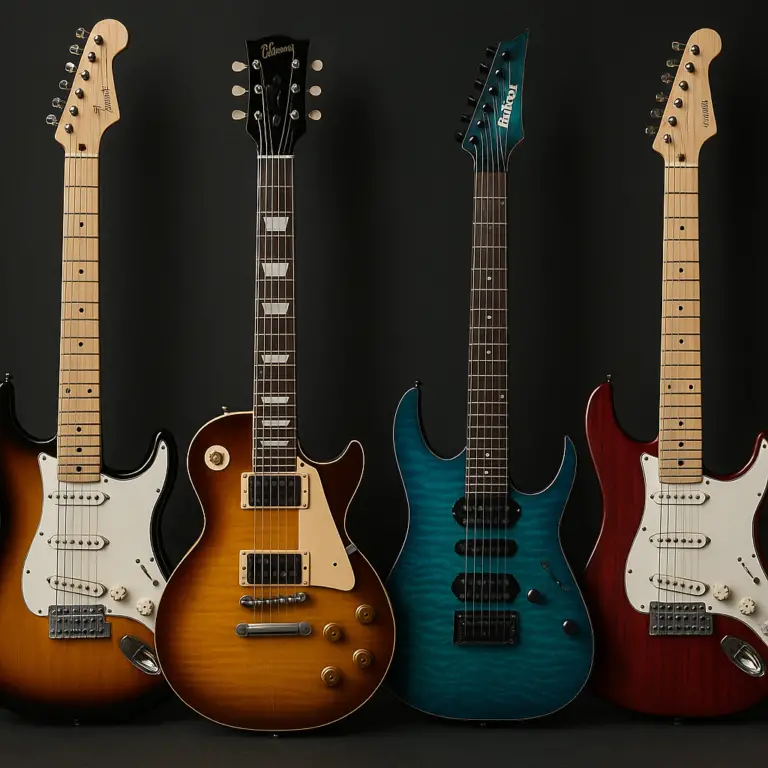
- 3. Squier: Fender style at an accessible starting point
- 4. Epiphone: approachable versions of Gibson classics
- 5. Ibanez: comfortable guitars for rock and beyond
- 6. Taylor: polished acoustic guitars with easy-playing necks
- 7. Martin: classic acoustic tone and beginner options
- 8. Cordoba: a strong choice for classical and nylon-string guitar
- 9. Gretsch: distinctive looks and comfortable beginner models
- 10. Harley Benton: feature-rich options for tight budgets
- 🔎 Best Beginner Guitar Company by Guitar Type
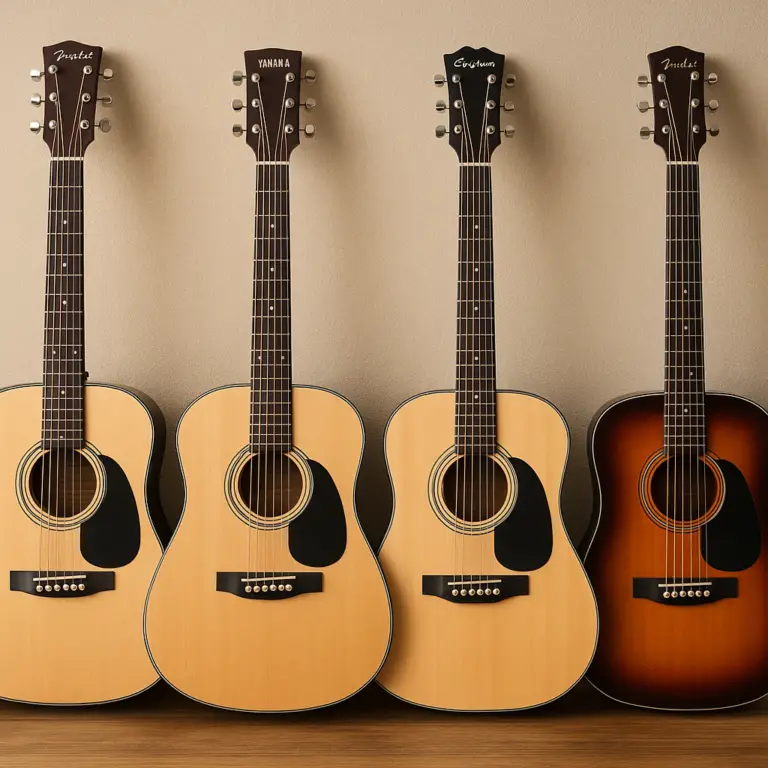
- Best companies for acoustic guitars
- Best companies for electric guitars
- Best companies for classical and nylon-string guitars
- Best companies for bass guitars
- Best brands for acoustic-electric guitars
- 🧭 How to Choose a Beginner Guitar
- Acoustic vs. electric: which is easier to learn?
- Steel-string vs. nylon-string guitars
- Choosing the right guitar size and scale length
- Comfort, neck shape, and string action
- Tonewoods, pickups, and other features worth understanding
- 🛒 Beginner Guitar Buying Guide: New, Used, or a Starter Pack?
- What to check before buying in a store
- What to check when ordering a guitar online
- Buying a used beginner guitar safely
- Are guitar starter packs worth it?
- ✅ Beginner Guitar Playability Checks
- How to spot high action, fret buzz, or sharp fret ends
- When a guitar needs a setup
- 🎒 Essential Accessories for New Guitarists
- Tuner, picks, strap, and spare strings
- Gig bag, capo, stand, and guitar cable
- Amplifier and headphones for electric guitar
- What beginners can skip for now
- 🧽 Beginner Guitar Care and Maintenance
- Cleaning strings and storing your guitar
- Changing strings and basic tuning habits
- Humidity, temperature, and safe transport
- 💸 Common Beginner Guitar Buying Mistakes
- 🎯 So, Which Guitar Company Is Best for Beginners?
- ❓ Frequently Asked Questions
- Is Yamaha the best guitar brand for beginners?
- Is Fender or Yamaha better for a beginner?
- Which guitar brand has the easiest guitars to play?
- Should a beginner buy an acoustic or electric guitar?
- How much should a beginner spend on a guitar?
- Are cheap beginner guitars any good?
- Which guitar size is right for a child or smaller player?
- 🏁 Conclusion
- 🔗 Recommended Links
- 📖 Reference Links
Quick Tips and Facts: Which Guitar Company Is Best for Beginners?
The best guitar company for beginners? For most first-time players, we’d start with Yamaha: its beginner models are widely available, generally consistent, and cover acoustic, classical, and electric styles. But the “best” brand is the one that makes you want to practice—and a comfortable, well-set-up guitar from Fender, Squier, Epiphone, Ibanez, Cordoba, or another reputable maker can be a better fit for you.
For a broader overview, see our guide to the best guitar brands for beginners.
| Beginner question | Our quick answer |
|---|---|
| Best all-round beginner brand | Yamaha |
| Best familiar electric-guitar option | Fender or Squier |
| Best beginner-friendly classical guitar brand | Cordoba or Yamaha |
| Best for rock and modern electric styles | Ibanez |
| Most important thing to check | Comfortable playability and a proper setup |
| Acoustic or electric? | Choose based on the music you want to play |
| Nylon or steel strings? | Nylon is gentler on fingertips; steel strings suit many pop, folk, and rock songs |
| Should you buy a starter pack? | Yes, if it includes useful, decent-quality essentials—not just a pile of accessories |
Three quick checks before you buy:
- ✅ Can you sit or stand comfortably with the guitar?
- ✅ Can you fret a few notes without excessive effort or painful buzzing?
- ✅ Does it stay reasonably in tune after playing?
A brand name alone can’t fix high string action, sharp fret ends, or a guitar that feels awkward in your hands. We’ve watched beginners blame their fingers for what was really a setup problem. (The guitar was innocent only in the legal sense.)
How We Judged the Best Beginner Guitar Brands
We compared brands by how well their guitars serve a first-time player—not by celebrity endorsements, vintage resale stories, or how dramatically the logo looks under stage lights. For more buying advice, browse our Guitar Buying Guide and Guitar Brand Guides.
Playability, build quality, and beginner-friendly features
A beginner guitar should be comfortable enough to practice on regularly. That means looking beyond finish and body shape to practical details:
- String action: the distance between strings and frets. Excessively high action makes fretting harder.
- Neck feel: a neck that suits your hand size and playing style.
- Fretwork: smooth fret ends and cleanly finished frets reduce discomfort.
- Tuning stability: useful for staying in tune through practice.
- Weight and body size: a guitar that fits your body is easier to hold and play.
- Setup potential: a competent technician should be able to adjust the instrument for comfortable playability.
The National Guitar Academy’s beginner advice emphasizes that learning involves building finger strength and coordination over time. That’s true—but there’s no prize for making the job harder with an uncomfortable guitar.
Value, reliability, and room to grow
We considered whether a brand offers useful instruments across different styles and experience levels. A beginner may later want a different pickup configuration, a solid-top acoustic, or a guitar suited to live performance. Room to grow is a bonus, not a reason to overbuy.
We also distinguish between a company’s reputation and an individual guitar’s condition. Model quality can vary across ranges and production runs, while setup, storage, and maintenance affect how any specific instrument feels. Yamaha’s official store describes its beginner options as spanning multiple guitar styles, but that single-brand selection does not prove Yamaha is universally best; compare it with other makers and try instruments where possible.
Beginner Guitar Brands: A Brief Background
The modern guitar market includes long-established manufacturers, specialist builders, and brands that offer instruments made in factories shared with other labels. Many companies sell beginner models alongside professional instruments, and the logo by itself doesn’t tell you how a particular guitar will feel.
For example, Fender’s Squier range brings familiar Fender-inspired designs to entry-level players. Yamaha offers a broad selection across acoustic guitars and other types. Cordoba focuses heavily on nylon-string instruments, while Ibanez is known for a wide range of electric styles.
A guitarist’s first experience also depends on the retailer, setup, and after-sale support. Yamaha’s India store recommends that a first guitar should be “comfortable, stay in tune and sound good enough to keep you motivated.” That’s a sensible checklist—not proof that every Yamaha model will suit every player.
And one useful reminder before we meet the brands: a beginner doesn’t need to choose a company for life. You’re choosing the guitar that helps you start.
10 Best Guitar Companies for Beginners
This is a shortlist, not a universal ranking. The right choice depends on your preferred music, budget, body size, local availability, and whether you want acoustic, electric, classical, or bass. Explore more makers in our Guitar Brands Showcase.
| Brand | Strong beginner fit | Potential drawback |
|---|---|---|
| Yamaha | Dependable all-round options across guitar types | Individual models still need a playability check |
| Fender | Familiar electric designs and beginner bundles | Some players may prefer a different neck or body feel |
| Squier | Accessible Fender-inspired electric guitars | Entry-level instruments may benefit from a setup |
| Epiphone | Gibson-inspired electric and acoustic choices | Larger or heavier models may not suit every player |
| Ibanez | Comfortable electric options and varied styles | Some ranges are aimed more at specific rock styles |
| Taylor | Refined acoustic design and easy-playing options | Usually not the first place we’d look for a tight budget |
| Martin | Established acoustic expertise and compact options | Model selection and feel matter more than heritage |
| Cordoba | Classical and nylon-string specialization | Wider necks can feel unfamiliar for steel-string players |
| Gretsch | Distinctive electric and acoustic models | Some designs are more specialized than all-rounders |
| Harley Benton | Broad, feature-rich entry-level selection | Availability and quality control can vary by model and region |
1. Yamaha: the reliable all-rounder
Yamaha is our default recommendation when a beginner wants a sensible place to start. Its range includes steel-string acoustics, classical guitars, and electric guitars, so you can compare styles within one brand. The company’s guitar overview explains the instrument families and their characteristics.
Models frequently considered by beginners include the Yamaha F280 and FS80C acoustic guitars, the C40 classical guitar, and the Pacifica 012 electric. Yamaha’s India store describes the F280 and FS80C as popular starting points and recommends the Pacifica 012 for a first electric. Those are useful model suggestions, but availability, specifications, and warranty terms vary by country.
Why we like Yamaha:
- Broad beginner selection across guitar types.
- Widely recognized name and substantial dealer presence in many markets.
- Options for players who want a straightforward instrument rather than ornate features.
Possible drawbacks:
- A full-size dreadnought such as the F280 may feel bulky to smaller players.
- A well-known brand does not guarantee a perfect setup out of the box.
- Model names and specifications differ between regions.
Good fit for: first-time players who want an easy-to-compare, mainstream brand.
- Yamaha F280: Amazon search | Yamaha India
- Yamaha FS80C: Amazon search | Yamaha India
- Yamaha C40: Amazon search | Yamaha official site
- Yamaha Pacifica 012: Amazon search | Yamaha official site
2. Fender: iconic electric guitars and beginner packs
Fender is a strong choice for players drawn to electric guitar. Its designs have shaped popular music for decades, and its official beginer guitar collection offers a place to explore starter options and learning resources.
The famous Stratocaster and Telecaster shapes are available at different levels through Fender and Squier. For a new player, the practical question is not whether the headstock is famous. It’s whether the guitar feels comfortable, stays in tune, and suits the music you want to play.
Benefits:
- Familiar, versatile electric-guitar designs.
- Starter bundles can include an amplifier and basic accessories.
- A large community of players, teachers, and repair technicians.
Drawbacks:
- Fender-branded instruments aren’t automatically the best value for every beginner.
- An electric guitar requires an amplifier or suitable headphone setup for full use.
- Different models can have noticeably different neck and pickup feel.
Good fit for: beginners who already picture themselves playing electric guitar.
- Fender beginner guitars: Amazon search | Fender official beginner guide
3. Squier: Fender style at an accessible starting point
Squier is Fender’s value-oriented brand and a frequent first electric-guitar choice. The Squier Classic Vibe and Affinity lines are among the ranges players commonly compare, though the best choice depends on budget, setup, and personal feel.
Benefits:
- Recognizable Fender-inspired body shapes and controls.
- A large selection of Stratocaster- and Telecaster-style guitars.
- A practical way to try classic single-coil or humbucker configurations.
Drawbacks:
- Budget models may need a professional setup to feel their best.
- Some players prefer thicker or thinner neck profiles than a particular model offers.
- Don’t assume all Squier models share the same features or construction.
Anecdotally, we’ve seen beginners choose a guitar because its color looked brilliant in a product photo, then discover the neck was too chunky for their hand. Try the neck first; admire the finish second.
- Squier beginner electric guitars: Amazon search | Squier official site
4. Epiphone: approachable versions of Gibson classics
Epiphone offers electric and acoustic guitars, including designs inspired by Gibson models. Its official guitar range includes familiar shapes such as Les Paul, SG, and ES-style instruments.
Benefits:
- Broad choice of electric and acoustic models.
- Familiar designs for players inspired by rock, blues, and pop.
- Offers options for those who prefer humbucker-style pickups or a different body feel from a Stratocaster.
Drawbacks:
- Some models are heavier or larger than a beginner expects.
- Features and construction vary widely between ranges.
- A classic shape is not automatically the most comfortable shape for your body.
Good fit for: beginners who want a Gibson-inspired sound and look, especially for rock or blues.
- Epiphone beginner guitars: Amazon search | Epiphone official site
5. Ibanez: comfortable guitars for rock and beyond
Ibanez makes a broad range of electric guitars, including beginner-friendly models and instruments with slimmer neck profiles. Its electric guitar lineup covers many styles, from straightforward solid-body designs to guitars aimed at heavier music.
Benefits:
- Plenty of options for rock, metal, pop, and fusion-oriented playing.
- Slimer neck profiles on some models may suit players with smaller hands.
- Often offers versatile pickup and switching arrangements.
Drawbacks:
- Some model families are optimized for specific genres rather than every style.
- A slim neck is a preference, not a universal advantage.
- Beginners should check tuning stability, fretwork, and controls, as with any brand.
Good fit for: players who want electric guitar and are drawn to modern rock or high-gain tones.
- Ibanez beginner guitars: Amazon search | Ibanez official site
6. Taylor: polished acoustic guitars with easy-playing necks
Taylor is known for acoustic guitars and a range that includes smaller-body instruments. Its official acoustic lineup is worth exploring if you want a refined acoustic feel and are considering a long-term instrument.
Benefits:
- Broad acoustic range, including compact body options.
- A comfortable neck and clean fretwork are common priorities for Taylor players.
- Strong choice for singer-songwriters and fingerstyle players.
Drawbacks:
- The brand’s reputation can make it tempting to spend more than a first-time player needs.
- A good guitar still needs to fit your hands and playing style.
- The best model for you may be a smaller body rather than a traditional dreadnought.
Good fit for: beginners who want to prioritize acoustic comfort and are comparing beyond entry-level models.
- Taylor acoustic guitars: Amazon search | Taylor official site
7. Martin: classic acoustic tone and beginner options
Martin has a long association with steel-string acoustic guitars. Its official guitar range includes various body sizes and materials, so beginners can compare compact models with larger-bodied designs.
Benefits:
- Deep expertise in acoustic guitar construction.
- Options across body sizes and playing needs.
- Strong appeal for folk, bluegrass, and singer-songwriter sounds.
Drawbacks:
- A famous name cannot compensate for a poor fit or uncomfortable action.
- Large-bodied acoustics can be unwieldy for some players.
- A beginner should compare instrument condition and setup, not just brand heritage.
Good fit for: acoustic-focused players who want to explore a specialist maker’s range.
- Martin acoustic guitars: Amazon search | Martin official site
8. Cordoba: a strong choice for classical and nylon-string guitar
Cordoba specializes in nylon-string guitars, making it a natural brand to consider for classical, Latin, and fingerstyle music. Explore its classical guitar range.
Nylon strings are generally gentler on sore fingertips, but classical guitars often have wider necks than steel-string acoustics. That extra space can be helpful for fingerpicking, yet chord stretches may feel harder for smaller hands.
Benefits:
- Strong focus on classical and nylon-string instruments.
- Options for student players as well as more advanced musicians.
- Good brand to compare when nylon-string sound is the goal.
Drawbacks:
- The wider neck takes getting used to.
- Nylon strings stretch more and may need frequent retuning when new.
- Not the right tool if your goal is a typical steel-string acoustic sound.
Good fit for: players focused on classical, Spanish-style, Latin, or nylon-string fingerstyle music.
- Cordoba classical guitars: Amazon search | Cordoba official site
9. Gretsch: distinctive looks and comfortable beginner models
Gretsch makes electric and acoustic guitars with distinctive styling and a varied range of body designs. See its official guitar lineup.
Benefits:
- Distinctive visual character and a recognizable sound.
- Options for rockabily, blues, indie, and other styles.
- Some models offer body shapes different from common Stratocaster or Les Paul designs.
Drawbacks:
- Certain designs may be more specialized than a general-purpose beginner instrument.
- A larger hollow or semi-hollow body may not suit every player.
- Model-specific features matter; judge the guitar, not just its retro charm.
Good fit for: beginners with a clear interest in Gretsch’s look and musical character.
- Gretsch beginner guitars: Amazon search | Gretsch official site
10. Harley Benton: feature-rich options for tight budgets
Harley Benton is known for a wide range of entry-level and intermediate instruments sold primarily through Thomann. Its official guitar catalog includes acoustic, electric, and bass models.
Benefits:
- Broad range of designs and specifications.
- Useful for comparing different pickup layouts and guitar types.
- A practical option in regions where Thomann shipping and support are available.
Drawbacks:
- Availability, shipping, returns, and service depend on your location.
- It’s especially wise to inspect the exact model and seller terms.
- A setup may be needed, as with many affordable guitars.
Good fit for: players comfortable buying online and willing to check return policies and setup requirements.
- Harley Benton guitars: Thomann | Amazon search
Best Beginner Guitar Company by Guitar Type
There isn’t one winner across every guitar category. A company that excels at electric guitars may not be your best option for nylon-string classical, and a fantastic acoustic guitar won’t help if your musical goal is heavy rock. For more choices, browse our Acoustic Guitars and Bass Guitars sections.
| Guitar type | Brands worth comparing | Why beginners consider them |
|---|---|---|
| Acoustic steel-string | Yamaha, Fender, Epiphone, Taylor, Martin | Broad model choices and familiar sounds |
| Electric | Squier, Yamaha, Ibanez, Epiphone, Fender | Multiple body shapes, pickups, and starter bundles |
| Classical nylon-string | Cordoba, Yamaha | Student-focused and classical options |
| Bass | Yamaha, Squier, Ibanez, Sterling by Music Man | Beginner-friendly electric bass ranges |
| Acoustic-electric | Yamaha, Fender, Taylor, Epiphone | Useful when you want acoustic playing plus amplification |
Best companies for acoustic guitars
For a first steel-string acoustic, start by comparing Yamaha, Fender, and Epiphone. Yamaha is a dependable all-round option; Fender offers recognizable styles; Epiphone gives you additional body and design choices. Taylor and Martin are also worth trying if comfort and acoustic tone are central to your decision.
Our main advice: don’t buy a dreadnought just because it’s the standard shape. A concert, folk, or grand auditorium body may fit you better. Yamaha’s India store calls the dreadnought a “safest all-round choice for most adult beginners,” but its recommendation also identifies smaller folk bodies for players who need a more comfortable fit. Both points can be true: larger bodies often deliver fuller bass, while smaller bodies can be easier to hold.
- 👉 Shop beginner acoustic guitars: Amazon search | Guitar Center | Sweetwater
Best companies for electric guitars
For beginner electric guitars, compare Squier, Yamaha, Ibanez, and Epiphone. Squier offers classic Fender-inspired shapes; Yamaha’s Pacifica models are versatile; Ibanez covers many modern styles; Epiphone offers Gibson-inspired options.
An electric guitar usually has lighter-feling strings and lower action than a steel-string acoustic, though that depends on the specific setup. It also needs an amplifier, an audio interface, or another way to hear it properly. Budget for the complete setup—not just the guitar body.
- 👉 Shop beginner electric guitars: Amazon search | Guitar Center | Sweetwater
Best companies for classical and nylon-string guitars
Consider Cordoba or Yamaha if you want a nylon-string instrument. Nylon strings feel gentler at first, but a classical guitar’s wider neck can make certain chords more of a stretch. The music matters, too: classical guitar, flamenco, and some Latin styles are naturally at home on nylon strings.
Guitar educator Tomas Michaud advises choosing the instrument type based on the music you want to play, not on a claim that one style is universally superior. He notes that nylon strings can be easier on fingertips, while a wider neck may make chord reaches harder. Read his full classical-versus-acoustic beginner guide.
Never put steel strings on a classical guitar. Classical guitars are not built for that tension, and the resulting stress can damage the instrument.
- 👉 Shop beginner classical guitars: Amazon search | Guitar Center | Cordoba classical guitars
Best companies for bass guitars
For a beginner bass, compare Yamaha, Squier, and Ibanez. Consider a short-scale bass if a standard long-scale neck feels too much of a reach, but don’t assume short scale is automatically best; comfort and tone are personal.
A bass can be a great first instrument for someone drawn to groove, songwriting, or playing in a band. It has fewer strings than a typical guitar, but that doesn’t make good bass playing “easy mode.” You’ll still need timing, muting technique, and a suitable amp or headphone setup. Browse our Bass Guitars guides.
- 👉 Shop beginner bass guitars: Amazon search | Guitar Center | Sweetwater
Best brands for acoustic-electric guitars
An acoustic-electric guitar is an acoustic instrument with electronics for amplification. It’s a good fit if you expect to play through a PA, practice amp, or recording setup. Yamaha, Fender, Epiphone, Taylor, and Martin all offer acoustic-electric models, but you don’t need onboard electronics just to learn acoustic guitar at home.
Before buying, check whether the guitar has a built-in tuner, what controls it offers, and whether the electronics require a battery. Test the unpluged sound as well: electronics don’t replace a comfortable body or good acoustic response.
- 👉 Shop acoustic-electric guitars: Amazon search | Guitar Center | Sweetwater
How to Choose a Beginner Guitar
Choosing a first guitar is part music decision, part comfort test. Start with the sounds you want to make, then check which instrument feels natural in your hands. The Guitar Center first-acoustic buying video covers five key things to consider and can help you build a useful checklist before a store visit.
Acoustic vs. electric: which is easier to learn?
Neither is automatically easier for everyone.
| Consideration | Acoustic guitar | Electric guitar |
|---|---|---|
| Extra equipment | None required to hear it | Usually needs an amp, interface, or headphone system |
| String feel | Steel strings may initially feel firmer | Often lower action and lighter-feling strings, depending on setup |
| Portability | Self-contained | More gear to carry |
| Best suited to | Singing, folk, pop, country, unpluged practice | Rock, pop, blues, metal, effects-driven sounds |
| Beginner trade-off | Chord playing can be tougher on fingertips | Needs amplification and cable or headphones |
Choose the guitar that matches your musical goal. If you want to sing and strum around a campfire, acoustic may make sense. If you dream of playing electric riffs, don’t buy an acoustic because someone told you it is the “proper” beginner route.
Steel-string vs. nylon-string guitars
Steel-string acoustics typically have a brighter, louder sound and suit many pop, rock, country, folk, and singer-songwriter styles. Nylon-string classical guitars have a softer tone and are common in classical, flamenco, and many Latin styles.
- Nylon can feel gentler on fingertips.
- Classical necks are usually wider, which may help finger placement but make chord stretches harder.
- Steel-string acoustics tend to have a narrower neck and brighter projection.
- New nylon strings stretch and need more frequent tuning at first.
Tomas Michaud’s guide describes the choice as a matter of musical preference and comfort, not a contest with one winner. His advice is especially useful for beginners who hear conflicting claims about which instrument is “easiest.”
Safety note: use the string type the guitar was designed for. Putting steel strings on a classical guitar can cause damage.
Choosing the right guitar size and scale length
A full-size guitar is not the right size for everybody. If the body presses into your ribs, your fretting arm feels stretched, or the neck seems too long to manage comfortably, try a smaller instrument. For children and smaller players, a 3/4-size guitar may be worth testing.
| Fit clue | What to try |
|---|---|
| Large body feels cumbersome | Concert, folk, or compact-body acoustic |
| Fretting hand struggles to reach | Shorter scale or narrower-feling neck |
| Child cannot comfortably reach the first frets | 3/4-size or other age-appropriate model |
| You play mostly fingerstyle | Compare body comfort and string spacing |
| You want fuller acoustic bass | Try a larger body if it remains comfortable |
A smaller guitar isn’t a toy or a compromise if it fits you better. The best-sized guitar is the one you can hold naturally without wrestling it like a sofa through a narrow doorway.
Comfort, neck shape, and string action
Before buying, hold the guitar in your usual playing position. Check whether the body sits comfortably on your leg, whether your wrist can stay relaxed, and whether your fingers can reach common chords.
String action matters enormously. If the strings sit unusually high above the frets, pressing them down can require extra effort. Guitar setup is adjustable, but a damaged neck or badly cut nut may require more than a simple tweak.
Try these checks:
- Sit with the guitar and make sure the body doesn’t force an awkward posture.
- Play open chords such as G, C, D, and E, if you know them.
- Fret notes near the first few frets and listen for buzzing or dead notes.
- Run your hand along the fret ends carefully; sharp edges can be uncomfortable.
- Ask the shop to check the setup if the strings feel high or the guitar buzzes excessively.
Tonewoods, pickups, and other features worth understanding
Beginners don’t need to memorize every wood species or pickup winding. Focus on features that affect use:
- Laminate vs. solid top: laminate tops are often more tolerant of changes in humidity; solid tops are commonly chosen for their tonal response and may change in character as they age.
- Pickup type: single-coil pickups and humbuckers have different tonal characteristics and noise behavior.
- Cutaway: helps reach higher frets on an acoustic, but isn’t essential for first chords.
- Built-in electronics: useful for amplification, unnecessary for basic unamplified practice.
- Truss rod: on many steel-string and electric guitars, it helps a technician adjust neck relief.
Don’t let specification lists do your playing for you. A guitar with fewer features but a comfortable neck can be a better first instrument than a feature-packed guitar that feels awkward.
Beginner Guitar Buying Guide: New, Used, or a Starter Pack?
A new guitar can offer easier returns and predictable condition. A used instrument can provide excellent value, but it requires closer inspection. A starter pack can be convenient if the accessories are useful and the guitar is properly set up.
| Buying option | Main benefit | Main risk |
|---|---|---|
| New from a reputable retailer | Return support and known condition | Some models may need setup after purchase |
| Used from a trusted seller | Potentialy stronger instrument for your budget | Hidden damage, wear, or repair needs |
| Starter bundle | Convenient all-in-one purchase | Included accessories may be low quality |
| Online order | Broad selection and easy comparison | You can’t feel the guitar before buying |
What to check before buying in a store
Take your time. A good shop should let you handle the guitar and answer basic questions.
- Ask whether it has been inspected and set up.
- Try it seated and standing, if a strap is available.
- Check the neck, frets, bridge, tuning machines, and finish.
- Compare at least two instruments in the same general category.
- Ask about returns, warranty, and adjustments after purchase.
- If you’re new, bring a teacher, experienced player, or trusted friend.
What to check when ordering a guitar online
Online buying works well when you research the exact model and the retailer’s policies. Look for:
- Clear manufacturer specifications.
- A reliable returns process and shipping-damage policy.
- Warranty details for your country.
- Reviews that discuss playability, setup, and defects—not only the box contents.
- Whether the listing is for the exact model and configuration you intend to buy.
Customer reviews can reveal recurring issues, but treat them as individual experiences. One player may love a chunky neck while another finds it uncomfortable; reviews help you shortlist, not replace a fit test.
Buying a used beginner guitar safely
If you’re shopping used, inspect the guitar in daylight and play every string if possible. Look closely for:
- Cracks around the bridge, neck joint, and headstock.
- A lifting bridge on an acoustic guitar.
- A twisted or severely bowed neck.
- Buzzing, dead frets, or sharp fret ends.
- Tuning machines that slip or feel damaged.
- Electronics that cut in and out on an electric guitar.
- Signs of water damage or poor storage.
If anything feels beyond your experience, ask a repair technician to inspect it before you buy. A bargain can stop being a bargain once it needs major work.
Are guitar starter packs worth it?
Starter packs are worth considering if they include the things you’ll actually use: a suitable guitar, tuner, cable or strap as needed, and a functional amp for electric setups. Inspect the amplifier carefully. A tiny practice amp can be useful for home playing, but it shouldn’t be the reason you choose a guitar that feels wrong.
A good bundle is convenient. A bad bundle is a cardboard box full of future upgrades.
Beginner Guitar Playability Checks
A guitar should feel inviting, not like a hand-strength exam. A technician can adjust many common issues, but severe structural problems should be a reason to walk away.
How to spot high action, fret buzz, or sharp fret ends
- High action: strings feel hard to press, especially near the first frets.
- Fret buzz: a note rattles against frets when played.
- Dead notes: some fretted notes sound muted or fail to sustain.
- Sharp fret ends: the edges of frets feel rough along the sides of the neck.
- Tuning instability: the instrument repeatedly goes out of tune despite correct tuning and fresh strings.
Some fret buzz can result from a player’s technique or an overly light touch, so don’t diagnose a guitar from one noisy note. Ask a guitar technician to evaluate it.
When a guitar needs a setup
A setup is an adjustment of the guitar’s playability, often involving neck relief, string height, intonation, and other model-specific details. It may be worthwhile if the guitar feels stiff, buzzes consistently, or has poor intonation.
- Tune the instrument with a reliable tuner.
- Check that the strings are in good condition.
- Play open and fretted notes across the neck.
- Note where buzzing, stiffness, or tuning problems occur.
- Ask a qualified technician to assess the guitar rather than forcing adjustments yourself.
The goal is not “the lowest possible action.” Too-low strings can buzz; the ideal setup balances comfort, tone, and your playing style.
Essential Accessories for New Guitarists
Buy the essentials that remove friction from practice. Skip the accessories that look exciting but spend more time in a drawer than in your hands.
| Accessory | Acoustic | Electric | Why it helps |
|---|---|---|---|
| Clip-on tuner | ✅ | ✅ | Quick, reliable tuning |
| Picks | Optional | Optional | Helpful for strumming and alternate techniques |
| Strap | Useful standing | Usually essential standing | Supports the guitar while playing |
| Spare strings | ✅ | ✅ | A broken string shouldn’t end practice |
| Guitar stand or case | ✅ | ✅ | Safer storage and transport |
| Cable | No | ✅ | Connects guitar to amplifier |
| Amplifier or headphone setup | No | ✅ | Lets you hear electric guitar properly |
| Capo | Optional | Optional | Changes key and helps match songs |
Tuner, picks, strap, and spare strings
A clip-on tuner is one of the best first purchases because an out-of-tune guitar makes practice sound discouraging. Keep a spare set of strings suited to your guitar’s type and scale.
Picks come in different thicknesses. Try a few rather than buying a giant variety pack before you know what feels good. A strap is useful even if you mostly sit: it helps you learn to hold the instrument consistently.
Gig bag, capo, stand, and guitar cable
A gig bag protects against dust and minor bumps; a hard case offers more protection during travel. A capo is handy for matching songs to your vocal range. A stand keeps the guitar accessible, but place it away from heat, direct sunlight, and foot traffic.
For electric guitar, choose a suitable cable and amplifier. If quiet practice matters, check whether the amp supports headphones.
Amplifier and headphones for electric guitar
A beginner electric setup needs a way to hear the instrument. A small practice amp is the simplest route; a compatible headphone amp or audio interface can better for quiet practice or computer recording.
Yamaha’s India store points to its THR series for home practice. That’s one brand’s recommendation, not the only solution: compare features such as headphone output, clean tone, gain, effects, and ease of use.
What beginners can skip for now
You probably don’t need a large pedalboard, boutique pickups, elaborate string cleaners, or five different capos on day one. Start with a tuner, a comfortable guitar, and the tools needed to hear it. Add accessories when your playing gives you a reason.
Beginner Guitar Care and Maintenance
A little care keeps your instrument pleasant to play and helps prevent avoidable damage. The Fender guitar maintenance guide and manufacturer manuals offer model-specific advice; follow your guitar maker’s instructions when in doubt.
Cleaning strings and storing your guitar
- Wipe the strings and body with a clean, soft cloth after playing.
- Store the guitar in a case or on a stable stand away from heat and direct sun.
- Avoid household cleaners unless the manufacturer says they’re safe for the finish.
- Keep the instrument away from radiators, heaters, and damp storage areas.
Changing strings and basic tuning habits
New strings often stretch and need retuning as they settle. Tune before practice, then check again after several minutes of playing. Replace strings when they sound dull, feel rough, corode, or stop holding tuning reliably.
If you’re nervous about changing strings, ask a teacher or shop technician to show you once. After that, it becomes routine—less dramatic than your first attempt at a barre chord, usually.
Humidity, temperature, and safe transport
Acoustic guitars are made from wood and can respond to environmental changes. Avoid leaving any guitar in a hot car or exposed to sudden temperature swings. If you live in an unusually dry or humid climate, ask a local guitar shop whether humidity control is advisable for your instrument.
Common Beginner Guitar Buying Mistakes
- Buying by brand alone: great companies make different models for different players.
- Choosing the biggest body by default: body comfort matters.
- Assuming nylon strings solve every beginner problem: they may feel gentler, but classical necks are wider.
- Skipping the setup check: high action can make learning needlessly difficult.
- Forgetting the complete electric setup: amplifier, cable, and headphones may be needed.
- Overbuying accessories: prioritize what supports practice.
- Ignoring your musical taste: motivation is practical, not frivolous.
- Treating reviews as universal truth: individual fit and setup vary.
One competing guide argues that a dreadnought is the safest all-round acoustic choice for many adults. Tomas Michaud, by contrast, stresses body size and comfort, particularly for smaller players. The disagreement is mostly about the player each writer has in mind: a dreadnought can be versatile, but a smaller body can be the better fit. Try both if you can.
So, Which Guitar Company Is Best for Beginners?
Yamaha is our best all-round starting recommendation for most beginners, thanks to its range of acoustic, classical, and electric instruments. But if you know you want electric guitar, Squier, Fender, Epiphone, or Ibanez may be the better match. For classical nylon-string playing, compare Cordoba and Yamaha. For acoustic-focused players, try Yamaha, Fender, Taylor, and Martin at a size and setup that feels comfortable.
Use this decision path:
- Pick the music you want to play.
- Choose acoustic, electric, classical, or bass accordingly.
- Try more than one body size and neck feel.
- Check action, tuning stability, and fretwork.
- Compare complete costs of ownership, including essential accessories, without paying for features you don’t need.
- Buy the guitar that makes you want to pick it up tomorrow.
That last step closes the question we opened with. There is no single company that wins for every beginner. The best beginner guitar brand is the one that offers a comfortable, dependable guitar in the style you’re excited to play—and the best individual guitar is the one that fits you.
Frequently Asked Questions
What is the best guitar brand for beginners?
For most beginners, Yamaha is a strong all-round recommendation because it offers guitars across acoustic, electric, and classical categories. But Squier, Fender, Epiphone, Ibanez, and Cordoba can better fits depending on the type of music you want to play and how the guitar feels in your hands. Compare individual models rather than buying based on the logo.
Which guitar companies make the most affordable beginner guitars?
Yamaha, Squier, Epiphone, Ibanez, and Harley Benton all offer entry-level options, with availability varying by country and model. “Affordable” should include the full setup: a guitar that plays comfortably, a tuner, and—if you choose electric—an amplifier or headphone solution. An instrument that needs substantial repairs may cost more in time and service than it first appears.
Is Fender or Yamaha better for beginner guitarists?
Neither is categorically better. Fender and Squier are natural choices for players who want classic electric-guitar styles, while Yamaha offers a particularly broad range across acoustic, classical, and electric instruments. If you’re comparing electric guitars, test the neck and body shape; if you’re comparing acoustics, compare body size and setup.
What if I can’t try them in person?
Buy from a retailer with a clear return policy, check the exact model specifications, and look for reviews that discuss playability and setup. Ask the seller whether the guitar is inspected before shipping.
What should beginners look for when choosing a guitar brand?
Look for a brand with models that match your musical style, a comfortable instrument size, dependable construction, accessible service, and clear warranty information. Then assess the actual guitar’s setup, fretwork, tuning stability, and fit. A reputable brand is a useful starting point, but your hands make the final call.
Should I start on acoustic or electric guitar?
Choose the one that best matches the music you want to play. Acoustic guitar is self-contained and convenient for singing and strumming; electric guitar often feels easier to fret but needs an amp or headphone setup. Neither route is a prerequisite for learning the other.
Is a classical guitar easier for a beginner?
Nylon strings can feel gentler on fingertips, but a classical guitar’s wider neck can make chord stretches harder for some players. It’s a strong option for classical, flamenco, and related music—not automatically the easiest choice for every beginner.
Can I put steel strings on a classical guitar?
No. Classical guitars are not designed for steel-string tension, which can damage the bridge or neck. Use the strings specified for your instrument.
What guitar size should a beginner buy?
Choose a size that lets you hold the guitar comfortably and reach the frets without straining. Adults often start with full-size models, but smaller-body or 3/4-size instruments can suit children and players with smaller frames. Try the instrument in your normal playing position before deciding.
Do beginner guitars need a setup?
They may. If the strings feel hard to press, the guitar buzzes consistently, or notes play out of tune along the neck, ask a qualified technician to check the setup. A setup can improve playability, but it cannot repair major structural damage.
Are guitar starter packs worth buying?
They can be, especially if you need an amplifier, cable, tuner, or strap in one purchase. Check that the guitar itself feels comfortable and that the included accessories are usable. A bundle is convenient; it isn’t automatically good value just because the box contains more items.
Recommended Links
- Yamaha guitars: Amazon | Yamaha official site
- Fender and Squier guitars: Amazon | Fender official site
- Epiphone guitars: Amazon | Epiphone official site
- Ibanez guitars: Amazon | Ibanez official site
- Cordoba classical guitars: Amazon | Cordoba official site
- Gretsch guitars: Amazon | Gretsch official site
- Martin acoustic guitars: Amazon | Martin official site
- Taylor acoustic guitars: Amazon | Taylor official site
- Harley Benton guitars: Thomann | Amazon search
- Beginer guitar books: Amazon search: guitar method books for beginners
- First acoustic guitar video: Guitar Center: Buying Your First Acoustic Guitar
Reference Links
- Yamaha guitar guide
- Yamaha acoustic guitar guide
- Yamaha Music Store India: guitars and beginner selections
- Fender: getting started with guitar
- Fender guitar maintenance articles
- Squier official site
- Epiphone official site
- Ibanez official site
- Cordoba classical guitars
- Gretsch Guitars
- Martin Guitars
- Taylor acoustic guitars
- Harley Benton guitars at Thomann
- Tomas Michaud: Classical vs. Acoustic Guitar—Which Is Best for Beginners?