Support our educational content for free when you purchase through links on our site. Learn more
🎸 The Ultimate Guide to Guitar Manufacturers: Who Makes the Best Axe? (2026)

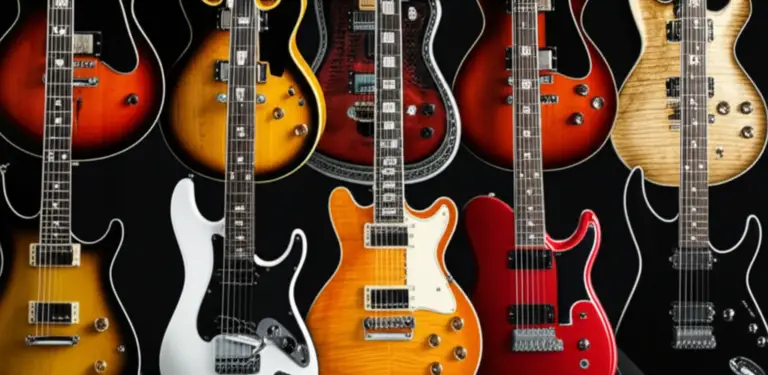
The truth is, the “best” guitar manufacturer isn’t a single brand, but rather the one that aligns your specific playing style with the right balance of craftsmanship, wood, and price point. Whether you need the bright snap of a Fender, the thick sustain of a Gibson, or the precision of a Yamaha, the right guitar manufacturers exist for every budget and genre.
We once watched a beginner struggle for weeks with a cheap, unplayable instrument, only to light up the moment they picked up a properly set-up mid-range Ibanez. That single moment of clarity proved that the maker matters less than the fit.
Did you know that while left-handed players make up nearly 10% of the population, they often find only 1% of the available stock on store shelves? This scarcity drives many to seek out specific guitar manufacturers known for their inclusive production runs.
Key Takeaways
- Quality transcends borders: Top-tier instruments are now built in Japan, Korea, and Indonesia, often surpassing mid-range American factory models in consistency.
- Match the maker to your genre: Fender excels in blues and funk, Gibson dominates rock and hard rock, while Yamaha offers the best all-around value for beginners.
- Setup is king: A budget guitar from a reputable guitar manufacturer with a professional setup will always outperform an expensive vintage relic with a neglected neck.
- Left-handed options are expanding: Brands like Ibanez and Yamaha are increasingly offering dedicated lefty models, breaking the traditional scarcity.
👉 Shop Top Brands:
- Fender: Amazon | Sweetwater | Fender Official
- Gibson: Amazon | Guitar Center | Gibson Official
- Yamaha: Amazon | Sweetwater | Yamaha Official
- Ibanez: Amazon | Guitar Center | Ibanez Official
Table of Contents
- ⚡️ Quick Tips and Facts
- 📜 The Evolution of Guitar Manufacturing: From Luthiers to Global Giants
- 🏆 The Titans of Tone: Top Tier American Guitar Brands
- 🇪🇺 European Craftsmanship: Heritage and Innovation
- 🌏 The Asian Powerhouse: How Japanese and Korean Makers Redefined Quality
- 🇧🇷 Latin Rhythms: The Rise of South American Luthiers
- 🛠️ Decoding the Hierarchy: Custom Shop vs. Factory vs. Boutique Builders
- 🎸 Electric Guitar Manufacturers: The Big Two and Their Rivals
- 🪵 Acoustic Guitar Makers: Steel-String Giants and Classical Masters
- 🎻 Bass Guitar Brands: The Low-End Architects
- 🤔 Why Don’t Guitar Manufacturers Make More Left-Handed Models?
- 💰 Budget vs. Premium: Where to Spend Your Cash on a New Axe
- 🔍 How to Spot a Fake: Authenticating Vintage and Modern Instruments
- 🌐 The Global Supply Chain: Wood Sourcing and Ethical Manufacturing
- 🚀 Future Trends: 3D Printing, AI, and the Next Generation of Guitar Makers
- 📝 Conclusion
- 🔗 Recommended Links
- ❓ FAQ
- 📚 Reference Links
⚡️ Quick Tips and Facts
Before we dive into the deep end of the guitar manufacturing ocean, let’s hit the surface with some hard truths and golden nugets that every player should know. We’ve spent decades tearing down, building up, and playing through every major brand, and here is what we’ve learned:
- Country of Origin ≠ Quality: Just because a guitar says “Made in USA” doesn’t mean it’s better than one made in Indonesia or Korea. Yamaha and Ibanez factories in Asia often produce instruments that rival, and sometimes surpass, mid-tier American factory models.
- The “Big Two” Myth: While Fender and Gibson dominate the headlines, they aren’t the only players in town. Brands like PRS, Taylor, and Martin have carved out massive, loyal followings with distinct sonic identities.
- Left-Handed Scarcity: Ever wonder why finding a lefty Strat is like finding a unicorn? It’s not just bad luck; it’s a calculated business decision we’ll dissect later.
- Wood Matters, But Setup Matters More: A $3,0 guitar with a bad setup will play worse than a $50 guitar with a perfect setup. Don’t let the price tag fool you into ignoring the action and intonation.
- Vintage is Not Always Better: That 1960s Gibson might sound amazing, but it could also have a warped neck and loose frets. Modern manufacturing has achieved consistency that vintage gear often lacks.
For a deeper dive into how these brands stack up against each other, check out our comprehensive Guitar Brands Showcase.
📜 The Evolution of Guitar Manufacturing: From Luthiers to Global Giants
The story of the guitar is a story of industrial revolution. It started in the quiet workshops of Spain and Italy, where a single luthier would spend months crafting a single instrument. Fast forward to the 20th century, and we have assembly lines churning out thousands of units a day.
The Age of the Master Luthier
In the early days, names like Antonio de Torres defined the classical guitar. These weren’t “manufacturers” in the modern sense; they were artists. The guitar was a bespoke instrument, tailored to the specific player’s hand and the room’s acoustics.
The Industrial Shift
The real game-changer arrived with C.F. Martin in the US. Martin was one of the first to introduce standardized parts and assembly line techniques in the 180s, allowing for mass production without sacrificing too much quality. This paved the way for the acoustic boom of the 1920s and 30s.
Then came the electric revolution. Leo Fender didn’t just invent the Stratocaster; he invented the concept of the modular guitar. You could swap pickups, necks, and bridges like Lego bricks. This made repair and customization accessible to the masses, fundamentally changing how guitars were built and sold.
The Globalization Era
By the 1980s, the center of gravity shifted. Japanese manufacturers like Yamaha and Ibanez entered the scene, offering incredible quality at lower price points. They didn’t just copy; they innovated, introducing features like super-strat designs and locking tremolos that American giants were slow to adopt.
Today, we live in a hybrid world. Boutique builders like Collings and Suhr bring back the luthier spirit, while giants like Fender and Gibson utilize global supply chains to offer everything from entry-level Squier models to high-end Custom Shop masterpieces.
Did you know? The first mass-produced electric guitar, the Rickenbacker “Frying Pan,” was introduced in 1931. It was so ahead of its time that many musicians thought it was a joke!
🏆 The Titans of Tone: Top Tier American Guitar Brands
When you think of American guitar manufacturing, two names immediately spring to mind: Fender and Gibson. But the landscape is far richer than just those two. Let’s break down the heavy hitters.
Fender: The King of Versatility
Fender is synonymous with the electric guitar. From the Stratocaster to the Telecaster, their designs have defined rock, blues, country, and pop.
- Strengths: Incredible modularity, iconic designs, and a vast range of price points.
- Weaknesses: Some entry-level models can suffer from quality control issues (though this has improved significantly).
- The Vibe: Clean, articulate, and cutting.
Gibson: The Soul of Rock
If Fender is the king of versatility, Gibson is the emperor of warmth and sustain. The Les Paul and SG are the backbone of hard rock and blues.
- Strengths: Rich, thick tone, premium build materials (historically), and a legendary status.
- Weaknesses: Heavy weight, higher price point, and historically inconsistent quality control (though the “Gibson USA” line has seen a resurgence).
- The Vibe: Grity, thick, and sustaining.
The New Guard: PRS and Beyond
Paul Reed Smith (PRS) entered the scene in the 80s and changed the game. PRS guitars combine the best of Fender and Gibson: the versatility of a Strat with the sustain of a Les Paul.
- Why they stand out: Unmatched attention to detail, stunning aesthetics, and consistent quality control.
- Other Notables: Gretsch (the rockabily king), Rickenbacker (the jangle of the 60s), and Music Man (the modern precision).
| Brand | Iconic Model | Primary Tone Characteristic | Best For |
|---|---|---|---|
| Fender | Stratocaster | Bright, Clear, Articulate | Blues, Pop, Funk, Country |
| Gibson | Les Paul | Warm, Thick, Sustaining | Rock, Hard Rock, Blues |
| PRS | Custom 24 | Balanced, Versatile, Smooth | Jazz, Rock, Fusion |
| Gretsch | White Falcon | Jangly, Resonant, Airy | Rockabily, Indie, Country |
| Rickenbacker | 30 | Chimey, Metallic, Unique | Jangle Pop, 60s Rock |
👉 Shop Fender on: Amazon | Sweetwater | Fender Official
👉 Shop Gibson on: Amazon | Guitar Center | Gibson Official
👉 Shop PRS on: Amazon | Sweetwater | PRS Official
🇪🇺 European Craftsmanship: Heritage and Innovation
While America and Asia dominate the headlines, Europe holds a special place in the heart of the guitar world. From the classical traditions of Spain to the modern innovations of Germany and the UK, European makers offer a unique blend of heritage and cuting-edge tech.
Spain: The Classical Heartland
If you play classical or flamenco, Spain is your Mecca. Brands like Hermanos Conde, Paulino Bernabe II, and Jose Ramirez have been crafting nylon-string guitars for generations.
- The Difference: These guitars are often built using traditional hand-crafting methods, resulting instruments with incredible resonance and dynamic range.
- The Cost: Expect to pay a premium for true Spanish craftsmanship, but the tonal reward is unmatched.
Germany & The UK: Precision and Power
Germany is home to Höfner, famous for the “Beatles Bass,” and Warwick, a titan in the bass world known for their Ovangkol wood and aggressive tone.
- Warwick: Known for their “Thumb Bass” and high-end boutique models that are favorites of funk and metal bassists.
- Höfner: While they make great electrics, their Violin Bass remains a cultural icon.
The Boutique Scene
Europe is also a hotbed for boutique builders. In Sweden, Mayones creates some of the most visually stunning and technically proficient guitars in the world. In Finland, Ruokangas offers custom instruments that rival the best American luthiers.
Fun Fact: The Höfner 50/1 bass, made famous by Paul McCartney, was originally designed to be lightweight for upright bass players transitioning to electric bass.
🌏 The Asian Powerhouse: How Japanese and Korean Makers Redefined Quality
For a long time, “Made in Asia” was a code word for “cheap and low quality.” That narrative died in the 1980s when Japanese and Korean manufacturers proved they could build guitars that were better than their American counterparts, often at a fraction of the cost.
Japan: The Masters of Precision
Yamaha is the undisputed king of this category. Their Pacific and RGX series are legendary for their consistency. A $60 Yamaha often plays better out of the box than a $1,50 American brand.
- Why they win: Rigorous quality control, innovative designs, and a refusal to cut corners.
- Ibanez: Originally a distributor for Japanese brands, Ibanez became a manufacturer in its own right, dominating the shred and metal genres with their thin necks and high-output pickups.
- Other Japanese Giants: Tokai, Greco, and Burns (though the latter is British, they had strong Japanese production runs).
Korea: The Value Kings
Korea is the home of Samick and Cort, two of the largest guitar factories in the world. They manufacture guitars for Fender, Gibson, and PRS under their own labels and as OEM (Original Equipment Manufacturer) partners.
- The Secret: Brands like Schecter and ESP have their high-end lines made in Korea, offering incredible value.
- Harley Benton: While technically a German brand, Harley Benton sources almost exclusively from Korean and Chinese factories, offering mind-blowing specs for the price.
👉 Shop Yamaha on: Amazon | Sweetwater | Yamaha Official
👉 Shop Ibanez on: Amazon | Guitar Center | Ibanez Official
🇧🇷 Latin Rhythms: The Rise of South American Luthiers
South America is often overlooked, but it’s a treasure trove of tonewood and craftsmanship. Countries like Brazil (historically), Argentina, and Chile have produced some of the finest acoustic guitars in the world.
The Wood Factor
South America is the source of many exotic woods like Rosewood, Mahogany, and Koa. While CITES regulations have made sourcing these woods harder, the region remains vital for the acoustic industry.
Emerging Brands
- Cordoba: A Spanish brand with a massive presence in the US, but with deep roots in Latin American classical traditions. They have revitalized the classical guitar market with affordable, high-quality instruments.
- Local Luthiers: In countries like Argentina and Chile, there is a thriving community of independent luthiers who build custom classical and flamenco guitars that rival the Spanish masters.
🛠️ Decoding the Hierarchy: Custom Shop vs. Factory vs. Boutique Builders
Not all guitars are created equal. Understanding the hierarchy of manufacturing is crucial to knowing what you’re paying for.
1. Mass Production (Factory)
- Examples: Squier, Epiphone, Yamaha Pacifica, Harley Benton.
- Process: Highly automated, assembly line, standardized parts.
- Pros: Affordable, consistent, widely available.
- Cons: Limited customization, generic tone, potential QC issues.
- Best For: Beginners, students, and giging musicians on a budget.
2. Premium Production (High-End Factory)
- Examples: Fender American Professional, Gibson USA, PRS SE Custom 24.
- Process: Semi-automated with significant hand-finishing.
- Pros: Excellent quality, better materials, brand prestige.
- Cons: Higher price, less unique than custom.
- Best For: Working musicians, serious hobbyists.
3. Boutique / Custom Shop
- Examples: Fender Custom Shop, Gibson Custom, Collings, Suhr, Mayones.
- Process: Hand-built by master luthiers, often one guitar at a time.
- Pros: Unique specs, superior tone, investment value, personal connection.
- Cons: Very expensive, long wait times, limited availability.
- Best For: Collectors, professionals, players with specific tonal needs.
Insider Tip: A “Custom Shop” guitar from a major brand isn’t always better than a “Boutique” guitar from a smaller builder. Sometimes, the smaller builder’s attention to detail is superior. Always play before you pay.
🎸 Electric Guitar Manufacturers: The Big Two and Their Rivals
Let’s get specific. If you’re looking for an electric guitar, the market is dominated by a few key players, but the “rivals” are fierce.
The Big Two: Fender vs. Gibson
- Fender: The Stratocaster and Telecaster are the most copied designs in history. They offer a bright, clear tone that cuts through a mix.
- Gibson: The Les Paul and SG offer warmth, sustain, and power. They are the choice for rock and blues.
The Rivals
- PRS: The “Third Way.” PRS offers the best of both worlds. Their Singlecut and Custom 24 models are incredibly versatile.
- Ibanez: The shred king. If you play metal or fusion, the JEM or RG series is your go-to.
- Gretsch: The rockabily and indie choice. The White Falcon and Duo Jet have a unique “twang” that no one else can replicate.
- Music Man: The modern choice. Known for the StingRay bass and the John Petrucci signature guitars.
👉 Shop Electric Guitars on: Amazon | Sweetwater | Guitar Center
🪵 Acoustic Guitar Makers: Steel-String Giants and Classical Masters
Acoustic guitars are all about the wood and the build. The manufacturer’s choice of bracing, wood, and finish dictates the sound.
The Steel-String Titans
- Martin: The D-28 is the gold standard for flat-top acoustics. Known for a balanced, punchy tone.
- Taylor: The 814ce is famous for its clarity and modern sound. Taylor uses the NT neck system, making repairs and adjustments easy.
- Gibson: The J-45 is the “workhorse” of acoustics, known for its warm, wody tone.
- Collings: A boutique brand that has become a standard for high-end acoustics. Known for impeccable build quality and balanced tone.
The Classical Masters
- C.F. Martin: Also makes excellent classical guitars.
- Yamaha: The GC series offers incredible value for classical players.
- Hermanos Conde: The pinnacle of Spanish classical guitar making.
👉 Shop Acoustic Guitars on: Amazon | Sweetwater | Taylor Official | Martin Official
🎻 Bass Guitar Brands: The Low-End Architects
Bass guitars are often an afterthought, but the right manufacturer can make or break a band’s rhythm section.
The Big Names
- Fender: The Precision Bass and Jazz Bass are the industry standards.
- Music Man: The StingRay is the definitive modern bass, known for its active electronics and punchy tone.
- Warwick: The German powerhouse. Known for Ovangkol wood and a growling, aggressive tone.
- Sadowsky: The boutique choice for session players. Known for clarity and versatility.
- Ibanez: The SR series offers great value and playability for rock and metal.
👉 Shop Bass Guitars on: Amazon | Sweetwater | Music Man Official
🤔 Why Don’t Guitar Manufacturers Make More Left-Handed Models?
This is the question that has plagued left-handed players for decades. Why is it so hard to find a lefty Strat?
The Economics of Scarcity
The primary reason is supply and demand. Left-handed players make up only about 10% of the population. For a manufacturer, dedicating an entire production line to a model that sells 1/10th as much as the right-handed version is a financial risk.
The “Stock” Problem
Retailers don’t want to stock lefty guitars because they sit on the shelf for years. This creates a vicious cycle: no stock means no sales, which means no production.
The Solution?
Some brands, like Fender and Gibson, do make lefty models, but they are often special order or limited runs. Ibanez and Yamaha are more accommodating, offering a wider range of lefty options.
Did you know? Some left-handed players, like Kurt Cobain and Mark Knopfler, play right-handed guitars upside down. It’s a valid strategy if you can’t find a lefty!
For a deeper dive into this topic, check out our analysis on Why Don’t Guitar Manufacturers Make More Left-Handed Models?.
💰 Budget vs. Premium: Where to Spend Your Cash on a New Axe
How much should you spend? This is the eternal question.
The Budget Range ($20 – $50)
- Brands: Squier, Epiphone, Yamaha, Harley Benton.
- What to expect: Good playability, decent electronics, but potential QC issues.
- Verdict: Perfect for beginners. You can get a great instrument here if you know what to look for.
The Mid-Range ($50 – $1,50)
- Brands: Fender Player, Gibson USA, PRS SE, Ibanez Premium.
- What to expect: Excellent build quality, better electronics, brand prestige.
- Verdict: The sweet spot for most working musicians. You get 90% of the performance of a high-end guitar for half the price.
The Premium Range ($1,50+)
- Brands: Fender American Pro, Gibson Custom, PRS Core, Collings.
- What to expect: Hand-built quality, premium woods, investment value.
- Verdict: For professionals and collectors. You are paying for consistency and tone.
Pro Tip: A $1,0 guitar with a $10 setup will sound and play better than a $3,0 guitar with a bad setup. Always budget for a professional setup.
🔍 How to Spot a Fake: Authenticating Vintage and Modern Instruments
With the rise of online marketplaces, counterfeit guitars are everywhere. Here’s how to spot a fake.
1. Check the Serial Number
Every major brand has a serial number system. Use an online decoder to verify the date and place of manufacture. If the serial number doesn’t match the model or year, it’s a red flag.
2. Inspect the Hardware
Fakes often use cheap hardware. Check the tuners, bridge, and pickups. Are they branded correctly? Do they feel solid?
3. Look at the Finish
High-end guitars have a flawless finish. Fakes often have bubbles, uneven paint, or poor binding.
4. Verify the Logo
The headstock logo is a common place for fakes to slip up. Check the font, spacing, and color.
5. Buy from Reputable Sources
Always buy from authorized dealers or reputable vintage shops. If a deal looks too good to be true, it probably is.
Resources:
🌐 The Global Supply Chain: Wood Sourcing and Ethical Manufacturing
The guitar industry is deeply connected to global supply chains. Where does your guitar come from?
Wood Sourcing
- Rosewood: Sourced from India and Brazil. CITES regulations have made it harder to export.
- Mahogany: Sourced from Africa and Central America.
- Maple: Sourced from North America and Europe.
Ethical Manufacturing
Many brands are now focusing on sustainable practices. Taylor Guitars has invested in sustainable wood farming in Africa. Fender has committed to ethical sourcing and reducing their carbon footprint.
Did you know? Some brands are now using alternative woods like Walnut and Koa to reduce pressure on endangered species.
🚀 Future Trends: 3D Printing, AI, and the Next Generation of Guitar Makers
The future of guitar manufacturing is here, and it’s weird.
3D Printing
Companies like Strandberg and Reverend are experimenting with 3D printed components. This allows for custom shapes and lightweight designs that were impossible with traditional methods.
AI and Design
AI is being used to optimize bracing patterns and predict tonal characteristics. This could lead to guitars that are perfectly tuned to a player’s style.
The Rise of the “Smart” Guitar
Guitars with built-in MIDI, touchscreens, and app integration are becoming more common. Brands like Roli and Jamstik are pushing the boundaries of what a guitar can be.
Final Thought: Will AI replace the luthier? Probably not. But it will change how we build and play guitars.
📝 Conclusion

So, we’ve journeyed from the quiet workshops of Spain to the high-tech factories of Japan, and everything in between. We’ve seen how Fender and Gibson shaped the sound of the 20th century, how Yamaha and Ibanez redefined quality, and how boutique builders are keeping the luthier spirit alive.
We started by asking why left-handed models are so rare, and we found that it’s a matter of economics and supply chains. We explored the difference between factory and boutique builds, and we learned that price doesn’t always equal quality.
Our Final Recommendation:
- For Beginners: Start with a Yamaha or Squier. They offer the best value and playability.
- For Intermediates: Look at Fender Player or PRS SE. You get great tone and build quality.
- For Professionals: Invest in a Custom Shop or Boutique guitar. The difference in tone and feel is undeniable.
- For Lefties: Don’t settle. Look for Ibanez or Yamaha lefty models, or consider a custom build.
Remember, the best guitar is the one that inspires you to play. Whether it’s a $20 Harley Benton or a $5,0 Collings, if it makes you want to pick it up and play, it’s the right guitar for you.
🔗 Recommended Links
👉 Shop Top Brands:
- Fender Guitars: Amazon | Sweetwater | Fender Official
- Gibson Guitars: Amazon | Guitar Center | Gibson Official
- PRS Guitars: Amazon | Sweetwater | PRS Official
- Yamaha Guitars: Amazon | Sweetwater | Yamaha Official
- Ibanez Guitars: Amazon | Guitar Center | Ibanez Official
Recommended Books:
- The Guitar Handbook by Ralph Denyer
- Gibson: The History of the World’s Most Famous Guitar by Tony Bacon
- Fender: The Golden Age 1946-1970 by Tony Bacon
❓ FAQ
How has guitar manufacturing evolved over the years?
Guitar manufacturing has evolved from hand-crafted luthier workshops to global assembly lines. The introduction of standardized parts by C.F. Martin and Leo Fender revolutionized the industry, allowing for mass production. Today, we see a blend of traditional craftsmanship and modern technology, with brands using CNC machines and 3D printing to create instruments.
Read more about “🎸 7 Top Pre-Aged & Heavy Relic Guitar Brands (2026)”
What materials do leading guitar manufacturers use for their instruments?
Leading manufacturers use a variety of tonewoods like Mahogany, Rosewood, Maple, and Alder. They also use exotic woods like Koa and Ebony. In addition to wood, they use metal for hardware and plastic for components. Some brands are now experimenting with composite materials and carbon fiber.
Read more about “🌱 Top 10 Sustainable Guitar Brands & Eco-Friendly Practices (2026)”
Are boutique guitar manufacturers better than mass-produced brands?
Not necessarily. Boutique builders offer customization and unique tone, but mass-produced brands like Yamaha and Fender offer consistency and value. The “better” choice depends on your needs and budget.
Read more about “🎸 10 Top Guitar Brands Ranked: What Is the Popular Brand of Guitars? (2026)”
Which guitar manufacturers specialize in electric guitars?
Fender, Gibson, PRS, Ibanez, and Music Man are the top specialists in electric guitars. Each has a distinct sound and design philosophy.
Read more about “🎸 Top 10 Guitar Brands Offering Semi-Hollow Thinlines (2026)”
How do different guitar manufacturers affect sound quality?
The manufacturer affects sound quality through wood selection, bracing patterns, pickup design, and build quality. For example, Gibson uses Mahogany and Humbuckers for a warm, thick tone, while Fender uses Alder and Single-Coils for a bright, clear tone.
Read more about “🎸 Guitar Brand Mergers & Acquisitions News: The 2026 Shake-Up”
Who are the top guitar manufacturers in the world?
The top manufacturers include Fender, Gibson, PRS, Yamaha, Ibanez, Martin, Taylor, and Collings. These brands dominate the market in terms of sales, quality, and innovation.
Read more about “🪶 Top 10 Lightweight Guitar Brands for Giging Musicians (2026)”
What are some of the most innovative and unique guitar manufacturers in the industry?
Strandberg (headless designs), Roli (MIDI integration), Reverend (active/passive switching), and Mayones (custom aesthetics) are known for their innovation and unique designs.
Read more about “🎸 Who Is a Famous Guitar Maker? 10 Legends You Must Know (2026)”
How do guitar manufacturers ensure the quality and playability of their instruments?
Manufacturers use quality control processes, CNC machines, and hand-finishing to ensure quality. They also conduct rigorous testing and setup before shipping.
Read more about “🌲 12 Top Guitar Brands Using Reclaimed & Salvaged Wood (2026)”
Do guitar manufacturers offer custom or bespoke guitar options?
Yes, many manufacturers like Fender Custom Shop, Gibson Custom, PRS Custom, and Collings offer custom and bespoke options. You can choose woods, pickups, hardware, and finishes.
Read more about “🎸 Top 10 Boutique Bass Guitar Brands for 2026: Beyond the Big Factory Names”
Which guitar manufacturer is best for beginners?
Yamaha and Squier are often recommended for beginners due to their affordability, quality, and playability.
Read more about “🎸 7 Best Brands for Vintage-Style Offsets (2026)”
What are the differences between American and Japanese guitar manufacturers?
American manufacturers like Fender and Gibson are known for iconic designs and premium materials. Japanese manufacturers like Yamaha and Ibanez are known for precision, consistency, and innovation.
How do I choose the best guitar manufacturer for my playing style?
Consider your genre, budget, and tonal preferences. If you play rock, look at Gibson or PRS. If you play blues, look at Fender. If you play metal, look at Ibanez.
Read more about “🎷 7 Top Guitar Brands for Jazz Music (2026)”
What are the top guitar manufacturers in the world?
The top manufacturers are Fender, Gibson, PRS, Yamaha, Ibanez, Martin, Taylor, and Collings.
Read more about “🎸 How to Choose the Right Guitar Brand for Your Style (2026)”
📚 Reference Links
- Wikipedia: List of Guitar Manufacturers
- Fender Official Website
- Gibson Official Website
- PRS Guitars Official Website
- Yamaha Musical Instruments
- Ibanez Official Website
- Martin Guitars Official Website
- Taylor Guitars Official Website
- Collings Guitars Official Website
- Why Don’t Guitar Manufacturers Make More Left-Handed Models?