Support our educational content for free when you purchase through links on our site. Learn more
What Guitars Do Most Professionals Use? Top 10 Picks (2025) 🎸

Ever wondered what guitar legends like Eric Clapton, Slash, or John Mayer reach for when they hit the stage? Spoiler alert: it’s not just about flashy gear or the newest model. Behind every iconic riff and soulful solo lies a carefully chosen instrument that perfectly matches the player’s style, tone, and personality. In this article, we peel back the curtain on the top 10 guitars most professionals swear by in 2025, revealing why these models dominate studios and stages worldwide.
From the timeless Fender Stratocaster to the versatile PRS Custom 24, we’ll explore the history, features, and quirks of each guitar. Plus, we’ll dive into the secret sauce behind string tension preferences, custom setups, and how genre shapes pro guitar choices. Whether you’re a budding player or a seasoned shredder, this guide will help you find your perfect match and maybe even unlock the tone you’ve been chasing.
Ready to discover the guitars that pros can’t live without? Let’s plug in and get started!
Key Takeaways
- Fender Stratocaster and Gibson Les Paul remain the most popular pro guitars due to their iconic tone and versatility.
- PRS Custom 24 and Martin D-28 offer modern and acoustic pros a perfect balance of craftsmanship and sound.
- String gauge and tension vary widely among pros, tailored to playing style and genre—there’s no one-size-fits-all.
- Setup and customization are crucial for professional-level playability and tone.
- Genre heavily influences guitar choice, from the bright twang of a Telecaster in country to the heavy sustain of an ESP in metal.
CHECK PRICE on top pro guitars:
- Fender Stratocaster | Gibson Les Paul Standard | PRS Custom 24 | Martin D-28 | Taylor 814ce
Explore our Top 15 Guitar Brands You Need to Know in 2025 🎸 for even more inspiration!
Table of Contents
- Quick Tips and Facts About Pro Guitar Choices 🎸⚡
- The Evolution of Pro Guitar Preferences: A Brief History of Iconic Models 🎶
- 1. Top 10 Guitars Most Professionals Swear By in 2024 🔥
- 2. Why Do Pros Prefer Certain Guitar Brands? Inside the Brand Loyalty Phenomenon 🏆
- 3. Electric vs Acoustic: What Do Most Professionals Actually Play? 🎸 vs 🎤
- 4. Signature Models and Artist Collaborations: What Makes Them Pro Favorites? ✍️
- 5. The Role of Guitar Setup and Customization in Pro-Level Performance 🎛️
- 6. What String Gauge and Tension Do Most Pros Use? The Secret Sauce 🎯
- 7. Amplifiers and Effects: The Perfect Guitar Rig for Professionals 🎚️🎵
- 8. How Genre Influences the Guitar Choice of Professionals 🎷🎸🎤
- 9. Budget vs Pro-Level Guitars: What’s the Real Difference? 💰 vs 🎸
- 10. Maintenance Tips: How Pros Keep Their Guitars Stage-Ready 🔧✨
- Conclusion: What Guitar Do Most Professionals Use? Our Final Take 🎯
- Recommended Links for Guitar Enthusiasts and Pros 🎸📚
- FAQ: Your Burning Questions About Pro Guitars Answered 🔥❓
- Reference Links: Trusted Sources and Further Reading 📖🔗
Quick Tips and Facts About Pro Guitar Choices 🎸⚡
Welcome to the ultimate insider scoop from the musicians at Guitar Brands™! If you’re wondering what guitar do most professionals use, you’re in the right place. Before we dive deep, here are some quick nuggets to get your fingers itching:
- ✅ Most pros favor iconic brands like Fender, Gibson, PRS, and Martin for their reliability and tone.
- ✅ Electric and acoustic guitars both have their pro champions, depending on genre and style.
- ✅ String tension and gauge vary widely—there’s no one-size-fits-all, but many pros prefer medium to light gauges for playability.
- ✅ Customization and setup are king—even the best guitars need personal tweaks to shine on stage.
- ✅ Signature models often reflect the pro’s personal style and needs, making them popular among fans and fellow musicians.
Want to know why Fender Stratocasters still dominate rock stages? Or how string tension affects your tone and feel? Keep reading—we’re unpacking the whole kit and caboodle! For a broader look at the top brands shaping the industry, check out our Top 15 Guitar Brands You Need to Know in 2025 🎸.
The Evolution of Pro Guitar Preferences: A Brief History of Iconic Models 🎶
The Roots of Pro Guitar Choices
The story of professional guitar preference is a tale of innovation, culture, and personal expression. From the birth of the electric guitar in the 1930s to today’s high-tech instruments, pros have always sought guitars that deliver tone, playability, and reliability.
- Fender Stratocaster (1954): The go-to for legends like Jimi Hendrix and Eric Clapton, known for its bright tone and versatile sound.
- Gibson Les Paul (1952): The thick, warm tone that powered rock and blues icons like Slash and Jimmy Page.
- Martin D-28 (1930s): The acoustic king favored by folk and country pros for its rich, balanced sound.
How Preferences Shifted Over Time
- The 70s and 80s saw a rise in superstrats and shredding guitars from brands like Ibanez and Jackson.
- The 90s brought a resurgence of vintage-style guitars, with players craving classic tones and craftsmanship.
- Today, custom shop models and boutique brands are increasingly popular among pros who want something unique.
Want to see how these models stack up today? We’ve got a detailed pro favorites list coming up next!
1. Top 10 Guitars Most Professionals Swear By in 2024 🔥
Here’s our expert-rated table of the hottest pro guitars, scored on design, tone, playability, and versatility (scale 1-10):
| Guitar Model | Design | Tone | Playability | Versatility | Overall |
|---|---|---|---|---|---|
| Fender Stratocaster | 9 | 9 | 9 | 10 | 9.3 |
| Gibson Les Paul Standard | 9 | 10 | 8 | 8 | 8.8 |
| PRS Custom 24 | 9 | 9 | 9 | 9 | 9.0 |
| Martin D-28 | 8 | 10 | 8 | 7 | 8.3 |
| Ibanez RG Series | 8 | 8 | 10 | 8 | 8.5 |
| Taylor 814ce | 8 | 9 | 9 | 8 | 8.5 |
| Gretsch G6120 | 8 | 8 | 8 | 7 | 7.8 |
| Fender Telecaster | 9 | 8 | 9 | 9 | 8.8 |
| ESP E-II Horizon | 8 | 8 | 9 | 8 | 8.3 |
| Yamaha Revstar | 7 | 8 | 8 | 8 | 7.8 |
Fender Stratocaster: The Swiss Army Knife of Guitars
- Design: Iconic double-cutaway body, comfortable contours.
- Tone: Bright, clear, and versatile with three single-coil pickups.
- Playability: Slim neck profile suits fast playing styles.
- Why pros love it: From blues to rock to pop, it fits every style. Jimi Hendrix’s legendary performances cemented its status.
Gibson Les Paul Standard: The Rock Powerhouse
- Design: Solid mahogany body with maple top, classic single-cut.
- Tone: Thick, warm, and sustain-heavy humbuckers.
- Playability: Slightly chunkier neck, great for bending and vibrato.
- Why pros love it: Perfect for rock and metal legends who want that fat, creamy tone.
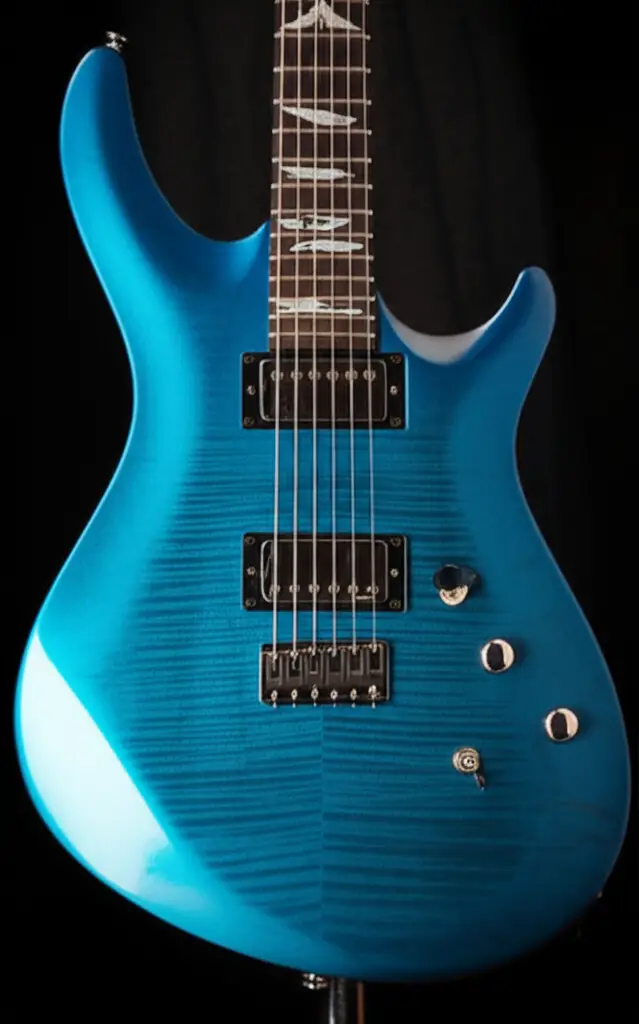
PRS Custom 24: The Modern Classic
- Design: Sleek, ergonomic body with bird inlays.
- Tone: Balanced with coil-splitting humbuckers for versatility.
- Playability: Smooth neck and well-balanced weight.
- Why pros love it: Combines vintage vibe with modern tech, favored by players like Mark Tremonti.
2. Why Do Pros Prefer Certain Guitar Brands? Inside the Brand Loyalty Phenomenon 🏆
The Emotional Connection
It’s not just about specs. Pros often develop a deep emotional bond with their guitars and brands. This loyalty stems from:
- Historical significance: Fender and Gibson have decades of iconic players behind them.
- Consistency: Pros need gear that performs night after night without fail.
- Community: Playing a certain brand connects you to a lineage of legends.
The Practical Side: Quality and Support
- Build quality: Brands like PRS and Martin are known for meticulous craftsmanship.
- After-sales support: Warranty, repairs, and custom shop options matter to touring pros.
- Artist endorsements: Signature models give players gear tailored to their style.
Perspectives from the Pros
- Slash once said, “I’m a Gibson guy because it’s the sound I hear in my head.”
- John Mayer famously switched between Fender and PRS, showing even pros evolve their preferences.
3. Electric vs Acoustic: What Do Most Professionals Actually Play? 🎸 vs 🎤
Electric Guitars: The Stage and Studio Workhorses
- Genres: Rock, metal, blues, jazz, pop.
- Why pros choose electric: Versatility with effects, sustain, and volume control.
- Popular models: Fender Stratocaster, Gibson Les Paul, Ibanez RG.
Acoustic Guitars: The Heart of Singer-Songwriters and Folk
- Genres: Folk, country, bluegrass, unplugged sessions.
- Why pros choose acoustic: Natural resonance, intimate sound, and portability.
- Popular models: Martin D-28, Taylor 814ce, Gibson J-45.
Hybrid Players
Many pros switch between electric and acoustic depending on the gig or recording. For example, Ed Sheeran uses a custom Martin acoustic but also incorporates electric guitars for fuller arrangements.
4. Signature Models and Artist Collaborations: What Makes Them Pro Favorites? ✍️
What Are Signature Models?
Guitar brands collaborate with artists to create signature models that reflect the player’s unique specs and style. These guitars often feature:
- Custom pickups
- Unique finishes
- Modified neck profiles
- Special hardware
Why Pros and Fans Love Them
- Authenticity: You get a guitar designed by your favorite artist.
- Performance: Signature models are tested rigorously to meet pro standards.
- Collectibility: Many become valuable over time.
Examples
- Eric Clapton Fender Stratocaster “Blackie” inspired a signature line.
- Steve Vai’s Ibanez JEM is famous for its “monkey grip” handle and fast neck.
- John Mayer’s PRS Silver Sky blends vintage and modern features.
5. The Role of Guitar Setup and Customization in Pro-Level Performance 🎛️
Why Setup Matters More Than the Guitar Itself
Even the most expensive guitar can sound mediocre without proper setup. Pros invest heavily in:
- Action height: Adjusting string height for comfort and tone.
- Intonation: Ensuring notes are in tune up and down the neck.
- Pickup height: Balancing volume and tone.
- Neck relief: Adjusting truss rod for perfect bow.
Customization Options
- Pickups: Swapping for hotter or vintage-voiced pickups.
- Tuners: Locking tuners for stability.
- Bridges: Tremolo systems or fixed bridges depending on style.
- Cosmetics: Custom finishes and inlays.
Anecdote from the Road
One of our team members toured with a pro who swapped pickups mid-tour to nail a specific tone for a new song. The guitar’s versatility and setup made all the difference.
6. What String Gauge and Tension Do Most Pros Use? The Secret Sauce 🎯
The Great String Tension Debate
According to discussions on Classical Guitar Delcamp Forum, pros are roughly split between normal and hard tension strings. The choice depends on:
- Guitar type: Some guitars respond better to lighter or heavier tension.
- Playing style: Fingerstyle players often prefer lighter strings for ease, while strummers might opt for heavier tension for volume.
- Tone preference: Heavier strings can produce fuller tone but are harder to fret.
Popular String Choices Among Pros
| Guitar Type | Common String Brand & Gauge | Tension Type | Notes |
|---|---|---|---|
| Classical | D’Addario EJ45 (Normal) | Normal | Balanced tone, popular with many pros |
| Classical | Savarez New Cristal (Normal/Hard) | Varies | Tension varies by brand definitions |
| Acoustic Steel | Elixir Nanoweb Light (.012-.053) | Light | Long-lasting, bright tone |
| Electric | Ernie Ball Regular Slinky (.010-.046) | Medium | Versatile for many genres |
| Electric | D’Addario XL Nickel Wound (.009-.042) | Light | Preferred by shredders and jazz players |
Pro Tip: Experimentation is Key
One of our pros shared how switching from D’Addario normal tension to a hybrid set (titanium trebles + composite basses) on a Ramirez guitar brought out a sweeter tone and easier playability.
7. Amplifiers and Effects: The Perfect Guitar Rig for Professionals 🎚️🎵
The Guitar Is Just Half the Story
Pros know that amplifiers and effects pedals shape their signature sound just as much as the guitar itself.
Popular Pro Amplifiers
| Amp Model | Type | Tone Characteristics | Notable Users |
|---|---|---|---|
| Fender Twin Reverb | Tube | Clean, bright, classic blues/rock | Eric Clapton, John Mayer |
| Marshall JCM800 | Tube | Crunchy, aggressive rock/metal | Slash, Zakk Wylde |
| Vox AC30 | Tube | Chimey, jangly British tone | Brian May, The Edge |
| Mesa Boogie Mark V | Tube | Versatile, high-gain to clean | John Petrucci, Steve Lukather |
Effects Pedals Pros Can’t Live Without
- Overdrive and distortion (e.g., Ibanez Tube Screamer, Boss DS-1)
- Delay and reverb (e.g., Strymon BigSky, Boss DD-7)
- Modulation effects (chorus, phaser)
- Wah pedals (Dunlop Cry Baby)
Setting Up Your Rig Like a Pro
- Start with a great amp and guitar combo.
- Add effects sparingly to enhance, not overpower.
- Experiment with pedal order for tone shaping.
- Keep your rig reliable for live shows.
8. How Genre Influences the Guitar Choice of Professionals 🎷🎸🎤
Rock and Metal
- Favored guitars: Gibson Les Paul, ESP Horizon, Ibanez RG.
- Tone needs: High gain, sustain, and aggressive attack.
- String gauge: Medium to heavy for drop tunings.
Blues and Jazz
- Favored guitars: Fender Stratocaster, Gibson ES-335, hollow bodies.
- Tone needs: Warm, clean, and expressive.
- String gauge: Light to medium for bending and articulation.
Country and Folk
- Favored guitars: Fender Telecaster, Martin D-28, Taylor acoustics.
- Tone needs: Bright, twangy, and clear.
- String gauge: Light for fast picking and strumming.
Pop and Indie
- Favored guitars: Fender Jazzmaster, PRS Custom 24, acoustic-electric hybrids.
- Tone needs: Versatility and clarity.
- String gauge: Medium-light for comfort.
9. Budget vs Pro-Level Guitars: What’s the Real Difference? 💰 vs 🎸
What Sets Pro-Level Guitars Apart?
- Materials: Higher-grade woods and hardware.
- Craftsmanship: Hand-finished details and quality control.
- Electronics: Premium pickups and wiring.
- Playability: Better neck profiles and fretwork.
- Longevity: Built to withstand touring and heavy use.
Can Budget Guitars Sound Pro?
- ✅ Yes, especially with proper setup and upgrades.
- ❌ But they often lack the nuance and feel of high-end models.
Our Take
If you’re serious about performance, investing in a pro-level guitar pays off in tone and reliability. But beginners and hobbyists can find gems in mid-range models too.
10. Maintenance Tips: How Pros Keep Their Guitars Stage-Ready 🔧✨
Routine Care
- Clean strings and fretboard after every gig.
- Regularly check and adjust intonation and action.
- Change strings frequently to maintain tone.
- Keep electronics clean and cables fresh.
Storage and Transport
- Use hard cases or gig bags with padding.
- Avoid extreme temperatures and humidity.
- Use humidifiers for acoustic guitars in dry climates.
Pro Anecdote
One touring guitarist swears by carrying a setup kit with allen wrenches, string cutters, and contact cleaner—because you never know when a quick fix will save the show!
👉 CHECK PRICE on:
- Fender Stratocaster: Amazon | Sweetwater | Fender Official Website
- Gibson Les Paul Standard: Amazon | Guitar Center | Gibson Official Website
- PRS Custom 24: Amazon | Sweetwater | PRS Official Website
For more in-depth tips and brand comparisons, don’t miss our Guitar Brands Showcase and Guitar Buying Guide.
Sources:
- Classical Guitar Delcamp Forum on String Tension
- Fender Official Site
- Gibson Official Site
- PRS Guitars
- Sweetwater Gear Reviews
Ready to find your pro-level guitar? The journey starts here! 🎸✨
Conclusion: What Guitar Do Most Professionals Use? Our Final Take 🎯

After our deep dive into the world of professional guitars, one thing is crystal clear: there’s no single guitar that all pros use. Instead, the choice depends on genre, personal taste, playing style, and even the vibe a player wants to project on stage. However, some models have undeniably stood the test of time and continue to dominate pro rigs worldwide.
Positives of Top Pro Guitars
- Fender Stratocaster: Versatile tone, iconic design, and unmatched playability make it a go-to for countless pros across genres.
- Gibson Les Paul Standard: Delivers thick, sustaining tones perfect for rock and blues, with a luxurious feel.
- PRS Custom 24: Combines modern versatility with classic aesthetics, appealing to players who want the best of both worlds.
- Martin D-28 and Taylor 814ce: Acoustic giants offering rich, balanced tones essential for folk, country, and unplugged performances.
Negatives to Consider
- Some pro guitars can be heavy or bulky, like the Les Paul, which might not suit every player.
- Signature models, while cool, can be pricey and sometimes too specialized for general use.
- String tension and gauge preferences vary so much that what works for one pro might feel like a nightmare for another.
Our Confident Recommendation
If you’re aiming to play like a pro, start with a Fender Stratocaster or Gibson Les Paul for electric, and a Martin D-28 or Taylor 814ce for acoustic. These models offer the perfect blend of tone, quality, and versatility. But remember, setup and customization are just as important as the guitar itself. Don’t hesitate to experiment with strings, pickups, and setups to find your personal sweet spot.
And if you’re curious about the full pro rig — amps, pedals, and all — stay tuned for our next article where we unpack the secrets behind professional guitar setups and rigs!
Recommended Links for Guitar Enthusiasts and Pros 🎸📚
👉 CHECK PRICE on:
-
Fender Stratocaster:
Amazon | Sweetwater | Fender Official Website -
Gibson Les Paul Standard:
Amazon | Guitar Center | Gibson Official Website -
PRS Custom 24:
Amazon | Sweetwater | PRS Official Website -
Martin D-28:
Amazon | Sweetwater | Martin Official Website -
Taylor 814ce:
Amazon | Sweetwater | Taylor Official Website
Recommended Books:
- “The Guitar Handbook” by Ralph Denyer — A classic resource on guitar history, maintenance, and playing techniques.
- “Guitar Player Repair Guide” by Dan Erlewine — Perfect for learning how pros maintain and customize their guitars.
- “The Art of Guitar: Its Evolution and Its Players” by Greg F. Ball — Insightful stories about iconic guitars and players.
FAQ: Your Burning Questions About Pro Guitars Answered 🔥❓

What are the best guitar brands for professional musicians?
The top brands favored by pros include Fender, Gibson, PRS, Martin, and Taylor. These brands offer a combination of high-quality craftsmanship, iconic tone, and reliable performance. Fender and Gibson dominate electric guitar choices, while Martin and Taylor are leaders in the acoustic realm. PRS bridges the gap with versatile, modern instruments. The choice often boils down to the player’s genre and personal preference.
Read more about “Is Ukulele a Girly Instrument? 🤔”
What is the most popular guitar model used by famous guitarists?
The Fender Stratocaster and Gibson Les Paul Standard are arguably the most popular models among famous guitarists. Legends like Jimi Hendrix, Eric Clapton, and John Mayer swear by Stratocasters, while Slash, Jimmy Page, and Joe Perry are synonymous with Les Pauls. Acoustic icons like Martin’s D-28 have been the backbone for folk and country legends. These models have become synonymous with their players’ signature sounds.
Read more about “What Guitars Are Popular Now? Top 15 Picks for 2025 🎸”
Do professional guitarists prefer acoustic or electric guitars?
It depends on the genre and context. Rock, metal, blues, and jazz pros often prefer electric guitars for their tonal versatility and stage presence. Singer-songwriters, folk, and country musicians lean towards acoustic guitars for their natural resonance and intimacy. Many pros switch between both depending on the gig, recording session, or song requirements.
Can a guitarist excel with just one type?
Absolutely! Many pros specialize in either electric or acoustic, but versatility is always a plus. For example, Ed Sheeran primarily uses acoustic guitars but incorporates electric guitars for fuller arrangements.
Read more about “What Brands Made the 80s Guitars? 🎸 Top 7 Icons Revealed (2025)”
What features should I look for in a guitar if I want to play like a professional?
Look for:
- Quality woods and craftsmanship for tone and durability.
- Comfortable neck profile and action for playability.
- Versatile pickups or electronics to cover multiple genres.
- Reliable hardware like tuning machines and bridges.
- Good setup or the ability to customize to your playing style.
Remember, even the best guitar needs a proper setup and the right strings to truly shine.
How important is string tension and gauge for professional players?
String tension and gauge are crucial for tone and playability. Professionals choose based on their guitar, style, and comfort. For example, classical guitarists might prefer normal or hard tension nylon strings for volume and tone, while electric players often use light to medium gauge steel strings for bending ease and speed. Experimentation is key to finding your perfect match.
What kind of maintenance do professional guitarists perform on their instruments?
Pros regularly clean their guitars, change strings often, adjust intonation and action, and keep electronics in top shape. They also protect their instruments from extreme conditions and carry essential tools for quick fixes on the road. Proper maintenance ensures consistent tone and reliability.
Read more about “🎸 Top 10 Best Ukulele Brands for Beginners & Pros (2025)”
Reference Links: Trusted Sources and Further Reading 📖🔗
- Classical Guitar Delcamp Forum on String Tension
- Fender Official Website
- Gibson Official Website
- PRS Guitars Official Website
- Martin Guitar Official Website
- Taylor Guitars Official Website
- Sweetwater Gear Reviews
- Ultimate Guitar Forum: Whats a guitar rack or rig? what do professionals use??
For more insights on professional guitar rigs and setups, that Ultimate Guitar forum thread is a goldmine of real-world pro advice and gear talk!