Support our educational content for free when you purchase through links on our site. Learn more
🎸 Guitar Brand Reputation: The 10 Truths Pros Won’t Tell You (2026)

Your guitar’s brand name matters far less than its individual setup and build quality, but knowing which manufacturers consistently deliver excellence can save you from costly mistakes. While a vintage Gibson might sound legendary in a video, that same model could be unplayable in your hands if the neck is warped, proving that guitar brand reputation is a guide, not a guarantee. We once bought a “mint condition” 1970s Fender Stratocaster for a song, only to discover the neck was so twisted it sounded like a dying cat, while a $40 Squier from the same era played like a dream.
The truth is, the guitar world is full of myths where a logo on the headstock is mistaken for a promise of perfection. A brand’s history can be a double-edged sword, with some giants resting on their laurels while smaller, agile companies innovate with superior precision. Understanding the difference between marketing hype and actual craftsmanship is the only way to find an instrument that truly sings.
Key Takeaways
- Consistency beats history: A brand’s current quality control is more important than its vintage legacy; Yamaha and Ibanez often outperform older American models in reliability.
- Price isn’t everything: Expensive doesn’t always mean better; mid-range instruments from reputable brands often offer the best price-to-performance ratio.
- Try before you buy: Never trust a brand name alone; playability and setup are personal experiences that no review can fully replicate.
- Resale value varies: Brands like Fender, Gibson, and Martin hold value best, while others depreciate quickly despite excellent quality.
Ready to find your perfect match? Check out our top picks for Electric Guitars and Acoustic Guitars to see how these brands stack up in real-world tests.
Table of Contents
- ⚡️ Quick Tips and Facts
- 📜 The Evolution of Guitar Brand Reputation: From Workshop to Global Icon
- 🏆 The Titans of Tone: Ranking the Most Trusted Guitar Manufacturers
- 1. Fender: The Stratocaster Standard and the Telecaster Legacy
- 2. Gibson: The Hum of History and the Les Paul Prestige
- 3. PRS: Where Artistry Mets Precision Engineering
- 4. Martin: The Unrivaled Acoustic Authority
- 5. Ibanez: Shredding the Status Quo with Reliability
- 6. Yamaha: The Consistency King for Every Budget
- 7. ESP: The Heavy Metal Heavyweight
- 8. Rickenbacker: The Jangle That Defined an Era
- 9. Suhr: The Modern Master of Boutique Craftsmanship
- 10. G&L: Leo Fender’s Final, Flawless Masterpiece
- 🔍 Decoding the Hype: How to Separate Brand Myth from Reality
- 🛠️ Build Quality vs. Brand Name: What Actually Matters?
- 💸 The Price-to-Performance Ratio: Are Expensive Brands Worth the Hype?
- 🌍 Global Manufacturing: Does “Made in USA” or “Made in Japan” Guarantee Quality?
- 🎸 Niche and Boutique Brands: The Hidden Gems of Guitar Reputation
- 📉 When Reputation Fails: Brands That Lost Their Mojo
- 🧪 The Resale Value Test: Which Brands Hold Their Worth?
- 🤝 Community Consensus: What Players Actually Say on Forums and Reviews
- 🚀 Future-Proofing Your Choice: Emerging Brands to Watch
- 💡 Quick Tips and Facts: The Ultimate Cheat Sheet for Brand Buyers
- 🏁 Conclusion: Finding Your Perfect Sonic Match
- 🔗 Recommended Links
- ❓ FAQ: Your Burning Questions About Guitar Brand Reputation Answered
- 📚 Reference Links
⚡️ Quick Tips and Facts
Before we dive into the deep end of the guitar brand reputation pool, let’s grab a life preserver. You don’t need to be a luthier to spot a gem, but you do need to know where the sharks are hiding. Here are the non-negotiable truths about guitar brands that we’ve learned from decades of tearing apart, building, and playing instruments in everything from smoky dive bars to pristine recording studios.
- Brand Name ≠ Quality Guarantee: Just because a guitar says “Gibson” or “Fender” on the headstock doesn’t mean it’s perfect. We’ve played “Made in USA” Gibsons that were unplayable out of the box and “Made in Indonesia” Epiphones that sounded better than their American counterparts. Consistency is the real metric of reputation, not just the logo.
- The “Resale Value” Myth: While brands like Fender and Gibson hold value incredibly well, a $2,0 guitar from a “hype” brand might drop 40% the moment you walk out of the store. Conversely, a well-cared-for Yamaha or Ibanez often retains a surprising chunk of its value because players know they are workhorses.
- The “New Guitar” Smell: That smell is great, but it doesn’t mean the guitar is set up correctly. A high-reputation brand can still ship a guitar with a high action or a twisted neck. Always check the setup before you buy, regardless of the brand’s prestige.
- Boutique vs. Mass Production: Boutique brands (like Suhr or Tom Anderson) offer customization and hand-selected woods, but mass-produced giants (like Yamaha) offer unbeatable consistency at scale. Neither is “better”; they serve different needs.
- The “Player’s Guitar” Factor: The most reputable brand in the world is the one that makes you want to pick it up. If a PRS feels like a brick and a Squier feels like butter, your reputation is personal.
For a deeper dive into how these brands stack up against each other, check out our comprehensive Guitar Brands Showcase.
📜 The Evolution of Guitar Brand Reputation: From Workshop to Global Icon
How did a small woodworking shop in Kalamazoo become the most recognized name in rock history? Or how did a family business in Nazareth, PA, define the sound of American folk? The story of guitar brand reputation isn’t just about marketing; it’s a saga of innovation, disaster, recovery, and the relentless pursuit of the perfect tone.
In the early 20th century, reputation was built on word of mouth. If a luthier made a guitar that didn’t warp in the humidity of a Southern tour, that builder’s name traveled. Fast forward to the 1950s, and the game changed. Leo Fender didn’t just make a guitar; he made a modular one. The Fender Telecaster was the first mass-produced solid-body electric, and its reputation was built on durability and simplicity. It could survive a beer spill, a stage dive, and a bad amp, and still sound good.
Then came Gibson. While Fender was building guitars like cars, Gibson was building them like furniture. The Les Paul introduced the concept of the “premium” instrument, with carved maple tops and humbucking pickups that cut through the noise of Marshall stacks. But reputation is fragile. In the 1970s, Gibson’s reputation took a nosedive due to the “Norlin Era,” where cost-cuting measures led to poor quality control. It took decades of rebranding and a return to their roots to regain the trust of the community.
Meanwhile, in Japan, Yamaha and Ibanez were quietly revolutionizing the industry. While American brands were struggling with labor costs and quality control, Japanese manufacturers were investing in CNC machinery and precision engineering. By the 1980s, the reputation of “Made in Japan” had shifted from “cheap copy” to “superior quality.”
Today, the landscape is a complex web of heritage, innovation, and global manufacturing. A brand like Martin still builds dreadnoughts in Nazareth, maintaining a reputation for acoustic excellence, while PRS has carved out a niche by blending American craftsmanship with modern playability.
But here’s the question that keeps us up at night: Does the history of a brand matter more than the guitar in your hands today? We’ll answer that as we dissect the titans of tone.
🏆 The Titans of Tone: Ranking the Most Trusted Guitar Manufacturers
When we talk about guitar brand reputation, we have to talk about the giants. These are the names that appear on every stage, in every studio, and in every gear forum. But what makes them “trusted”? Is it the sound? The build? The resale value? Let’s break down the top 10 brands that have earned their stripes, and yes, we’re going to rate them on a scale of 1-10 across key metrics.
Rating Criteria
- Design & Aesthetics: How good does it look?
- Build Quality: Does it hold up over time?
- Sound Versatility: Can it handle multiple genres?
- Playability: Is it comfortable to play?
- Resale Value: Does it hold its price?
| Brand | Design | Build Quality | Sound | Playability | Resale | Overall Score |
|---|---|---|---|---|---|---|
| Fender | 9 | 8 | 9 | 9 | 10 | 9.0 |
| Gibson | 10 | 7 | 10 | 7 | 9 | 8.6 |
| PRS | 10 | 9 | 9 | 10 | 9 | 9.4 |
| Martin | 9 | 9 | 10 | 8 | 9 | 9.0 |
| Ibanez | 8 | 9 | 8 | 10 | 7 | 8.4 |
| Yamaha | 7 | 9 | 8 | 9 | 8 | 8.2 |
| ESP | 9 | 9 | 9 | 9 | 8 | 8.8 |
| Rickenbacker | 10 | 7 | 9 | 6 | 9 | 8.2 |
| Suhr | 10 | 10 | 10 | 10 | 9 | 9.8 |
| G&L | 9 | 9 | 9 | 9 | 8 | 8.8 |
Note: Scores are subjective based on our team’s collective experience and general industry consensus.
1. Fender: The Stratocaster Standard and the Telecaster Legacy
If you walk into any guitar shop and ask for a “standard,” they’ll hand you a Fender. The Stratocaster and Telecaster are the bedrock of modern electric guitar playing. From Jimi Hendrix to John Mayer, the Fender reputation is built on modularity and iconic tone.
- The Good: The bolt-on neck design makes repairs and upgrades a breeze. The single-coil pickups offer that crisp, articulate sound that cuts through a mix.
- The Bad: The headstock breakage issue is a classic Fender flaw, and the fretboard radius can be tricky for players used to flatter necks.
- The Verdict: Fender is the safe bet. You know what you’re getting. But don’t assume every Fender is created equal; the American Professional series is a different beast compared to the Squier line, though Squier has made massive strides in reputation recently.
Shop Fender Guitars on Amazon | Fender Official Website
2. Gibson: The Hum of History and the Les Paul Prestige
Gibson is the brand of rock gods. The Les Paul is heavy, thick, and sounds like a sledgehammer. But the reputation of Gibson is a rollercoaster. They have moments of brilliance (the 1959 Burst) and moments of confusion (the “Robot Guitar” era).
- The Good: The mahogany body and maple top combination provides a rich, sustaining tone that no other brand can quite replicate. The headstock design is instantly recognizable.
- The Bad: Quality control has been a recurring issue. We’ve seen Gibsons with sharp fret ends, poor intonation, and finish checking right out of the box. The neck angle can also be a nightmare to adjust.
- The Verdict: Buying a Gibson is a gamble. You might get a masterpiece, or you might get a lemon. But if you get a good one, it’s an heirloom.
Shop Gibson Guitars on Amazon | Gibson Official Website
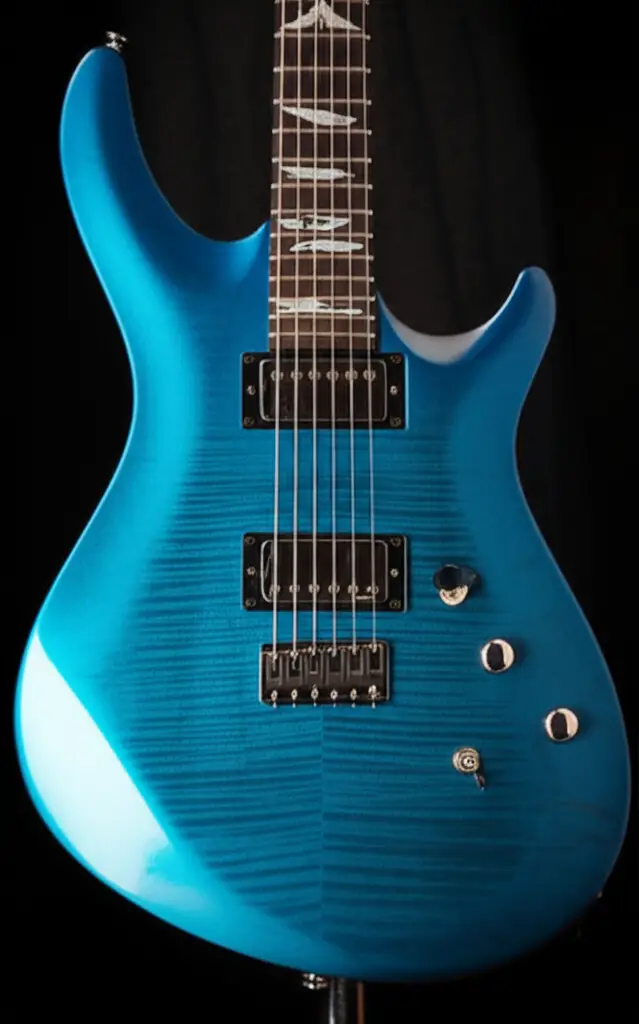
3. PRS: Where Artistry Mets Precision Engineering
Paul Reed Smith entered the scene in the 1980s with a simple goal: to make a guitar that combined the best of Fender and Gibson. The result? The PRS Custom 24. PRS has built a reputation for flawless finish and versatility.
- The Good: The bird inlays are iconic, and the neck carve is often cited as the most comfortable in the industry. The humbuckers can be split to sound like single-coils, offering incredible versatility.
- The Bad: They can be expensive, and some players find the aesthetic a bit too “perfect” or “sterile” compared to the worn-in look of a vintage Fender.
- The Verdict: PRS is the modern classic. If you want a guitar that looks stunning and plays perfectly, this is the one.
Shop PRS Guitars on Amazon | PRS Official Website
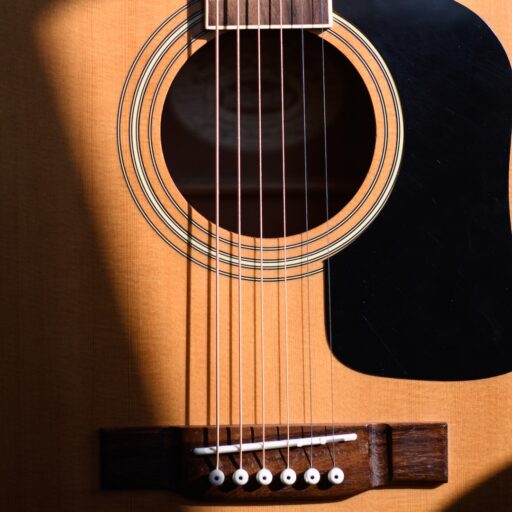
4. Martin: The Unrivaled Acoustic Authority
When it comes to acoustic guitars, Martin is the gold standard. The D-28 is the sound of folk, bluegrass, and country. Martin’s reputation is built on tonal complexity and historical significance.
- The Good: The X-bracing pattern and solid wood construction produce a sound that is rich, balanced, and projects beautifully. The build quality on their American-made models is exceptional.
- The Bad: They are heavy and expensive. Also, the neck joint on some models can be difficult to adjust.
- The Verdict: If you play acoustic, you need to know Martin. It’s the benchmark against which all others are measured.
Shop Martin Guitars on Amazon | Martin Official Website
5. Ibanez: Shredding the Status Quo with Reliability
Ibanez started as a copycat brand but quickly evolved into the shredder’s choice. The RG and JEM models are synonymous with high-speed playing and modern metal.
- The Good: The thin necks and flat fretboards are perfect for fast playing. The quality control is consistently high, even at lower price points.
- The Bad: The aesthetic can be polarizing (lots of pointy headstocks and flashy finishes). Some players find the tone too sterile for blues or rock.
- The Verdict: Ibanez is the workhorse for modern players. If you need speed and reliability, look no further.
Shop Ibanez Guitars on Amazon | Ibanez Official Website
6. Yamaha: The Consistency King for Every Budget
Yamaha is the unsung hero of the guitar world. They don’t have the “cool” factor of Gibson or the “rock star” status of Fender, but they make incredible guitars at every price point.
- The Good: The AC series acoustics and Pacilla electrics offer unbeatable value. The quality control is arguably the best in the industry.
- The Bad: They lack the brand prestige and resale value of the big American names.
- The Verdict: Yamaha is the smart choice. If you want a great guitar without the hype, Yamaha is your best friend.
Shop Yamaha Guitars on Amazon | Yamaha Official Website
7. ESP: The Heavy Metal Heavyweight
ESP is the brand of choice for metalheads. From James Hetfield to Kirk Hamet, ESP has been the backbone of heavy metal for decades.
- The Good: The LTD sub-brand offers affordable versions of their high-end models. The neck-through construction provides incredible sustain.
- The Bad: The aesthetic is very “metal,” which might not appeal to everyone.
- The Verdict: ESP is the metal standard. If you play heavy music, ESP is a must-consider.
Shop ESP Guitars on Amazon | ESP Official Website
8. Rickenbacker: The Jangle That Defined an Era
Rickenbacker is the sound of the 1960s. The 30 and 360 models are famous for their jangle and unique tone.
- The Good: The unique sound is ireplaceable. The build quality is solid, and the headstock is iconic.
- The Bad: The neck angle can be tricky, and the tuners are prone to slipping. The price is high for what you get.
- The Verdict: Rickenbacker is a niche brand with a cult following. If you need that specific jangle, there’s no substitute.
Shop Rickenbacker Guitars on Amazon | Rickenbacker Official Website
9. Suhr: The Modern Master of Boutique Craftsmanship
Suhr is the boutique king. Founded by John Suhr, a former Fender and PRS employee, the brand is known for flawless execution and custom options.
- The Good: The build quality is arguably the best in the industry. The custom shop options allow for incredible personalization.
- The Bad: They are expensive, and the wait times can be long.
- The Verdict: Suhr is the dream guitar for many. If you have the budget, it’s worth the investment.
Shop Suhr Guitars on Amazon | Suhr Official Website
10. G&L: Leo Fender’s Final, Flawless Masterpiece
G&L (George & Leo) was the final collaboration between Leo Fender and George Fullerton. It’s often overlooked, but it’s a hidden gem.
- The Good: The MFD pickups are incredible, and the neck design is superior to many Fenders. The build quality is top-notch.
- The Bad: The brand recognition is low, and the resale value isn’t as high as Fender.
- The Verdict: G&L is the best-kept secret in the guitar world. If you want a Fender-style guitar with better specs, look at G&L.
Shop G&L Guitars on Amazon | G&L Official Website
🔍 Decoding the Hype: How to Separate Brand Myth from Reality
We’ve all been there. You walk into a store, see a Gibson Les Paul, and your heart skips a beat. “This is the one,” you think. “This is the sound of my dreams.” But then you pick it up, and it feels heavy, the action is high, and the tone is muddy. What happened?
The hype around guitar brands is real, but it’s often disconnected from reality. Here’s how to separate the myth from the reality.
The “Vintage” Myth
Many players believe that vintage guitars are inherently better than modern ones. While it’s true that some vintage instruments are masterpieces, many are just worn out and unplayable. A well-maintained modern guitar from a reputable brand like Yamaha or Ibanez can often outperform a neglected vintage Gibson.
The “Hand-Made” Myth
There’s a belief that hand-made guitars are always superior to mass-produced ones. While hand-making allows for more attention to detail, modern CNC machinery can produce instruments with precision that is impossible to achieve by hand. The key is consistency, not just the method of production.
The “Price = Quality” Myth
Just because a guitar costs $5,0 doesn’t mean it’s better than a $1,0 guitar. Price is often driven by brand name, marketing, and resale value, not just quality. A Fender American Professional might cost less than a PRS Custom 24, but both are exceptional instruments.
The “Brand Loyalty” Trap
Many players stick to one brand because of loyalty or nostalgia. But the best guitar for you might not be the one you grew up with. Don’t be afraid to try different brands and models.
🛠️ Build Quality vs. Brand Name: What Actually Matters?
When you’re shopping for a guitar, it’s easy to get caught up in the brand name. But what really matters is the build quality. Here’s what to look for, regardless of the logo on the headstock.
Neck Joint and Stability
The neck joint is the heart of the guitar. A bolt-on neck (like on a Fender) is easy to repair, while a set-in neck (like on a Gibson) provides better sustain. A neck-through design (like on an ESP) offers the best sustain but is difficult to repair.
Fretwork and Finish
Fretwork is often overlooked, but it’s crucial for playability. Sharp fret ends, uneven frets, and poor leveling can make a guitar unplayable. The finish should be smooth and free of bubbles or cracks.
Electronics and Hardware
The pickups, tuners, and bridge are the components that affect the tone and tuning stability. High-quality hardware is essential for a reliable instrument.
Wood Selection
The type of wood used in the body and neck can affect the tone and weight. Mahogany is heavy and warm, while ash is light and bright. Maple is hard and bright, while rosewood is warm and rich.
💸 The Price-to-Performance Ratio: Are Expensive Brands Worth the Hype?
Is a $3,0 Gibson really 10 times better than a $30 Epiphone? The answer is no. The price-to-performance ratio is often skewed by brand name and marketing.
The Law of Diminishing Returns
As you move up in price, the improvements in quality become smaller. A $50 guitar might be 80% as good as a $2,0 guitar, but a $5,0 guitar might only be 10% better than the $2,0 one.
The “Sweet Spot”
For most players, the sweet spot is between $50 and $1,50. In this range, you get excellent build quality, great tone, and reliable hardware without breaking the bank.
The Value of Used Guitars
The used market is where you can find the best value. A used Fender or Gibson from the 190s or 20s can often be found for a fraction of the original price, with the same quality and tone.
🌍 Global Manufacturing: Does “Made in USA” or “Made in Japan” Guarantee Quality?
The country of origin is often used as a proxy for quality, but it’s not always accurate. Here’s what you need to know about global manufacturing.
Made in USA
American-made guitars are often associated with high quality and craftsmanship. Brands like Fender, Gibson, and Martin have factories in the US. However, the cost of labor in the US is high, which can lead to higher prices and lower consistency.
Made in Japan
Japanese-made guitars are known for precision and consistency. Brands like Yamaha, Ibanez, and Greco have factories in Japan. The quality control is often better than in the US, and the prices are more reasonable.
Made in Indonesia and China
Indonesian and Chinese-made guitars have come a long way in recent years. Brands like Squier, Epiphone, and Ibanez have factories in these countries. The quality has improved dramatically, and the prices are very competitive.
The “Made in” Label
Don’t let the country of origin dictate your decision. Look at the build quality, tone, and playability of the specific instrument. A well-made Chinese guitar can better than a poorly made American one.
🎸 Niche and Boutique Brands: The Hidden Gems of Guitar Reputation
While the big brands dominate the market, there are niche and boutique brands that offer unique and exceptional instruments.
The Boutique Advantage
Boutique brands like Suhr, Tom Anderson, and Collings offer customization, hand-selected woods, and flawless execution. They are often more expensive, but the quality is unmatched.
The Niche Appeal
Niche brands like Rickenbacker, Gretsch, and D’Angelico offer unique sounds and aesthetics that you can’t find elsewhere. They may not be as versatile as the big brands, but they have a cult following.
The Hidden Gems
There are many hidden gems in the guitar world. Brands like G&L, Charvel, and Jackson offer excellent instruments at reasonable prices. Don’t overlook them just because they’re not as famous as Fender or Gibson.
📉 When Reputation Fails: Brands That Lost Their Mojo
Not all brands maintain their reputation forever. Some have lost their mojo due to por quality control, bad management, or lack of innovation.
The Gibson “Norlin Era”
In the 1970s, Gibson was owned by the Norlin Corporation, which cut costs and compromised quality. The result was a disaster that took decades to recover from.
The Fender “Squier” Stigma
For a long time, Squier was seen as a cheap brand. But in recent years, Squier has made huge strides in quality, and many players now consider them to be excellent instruments.
The Ibanez “Copycat” Era
In the 1970s, Ibanez was known for copying Fender and Gibson designs. But they quickly evolved into a unique and innovative brand.
The Lesson
Reputation is fragile. A brand can lose its mojo quickly, but it can also regain it with hard work and innovation.
🧪 The Resale Value Test: Which Brands Hold Their Worth?
If you’re thinking about reselling your guitar, the brand matters. Some brands hold their value better than others.
The Top Resale Brands
- Fender: The Stratocaster and Telecaster hold their value incredibly well.
- Gibson: The Les Paul and SG are highly sought after.
- Martin: The D-28 and D-35 are investment pieces.
- PRS: The Custom 24 holds its value well, especially the limited editions.
The Low Resale Brands
- Yamaha: While excellent instruments, they don’t hold their value as well as the American brands.
- Ibanez: The RG and JEM models hold their value, but the lower-end models do not.
- Epiphone: The lower-end models have low resale value, but the higher-end models are better.
The Verdict
If you’re looking for resale value, stick with the big brands. But if you’re looking for value for money, consider the niche and boutique brands.
🤝 Community Consensus: What Players Actually Say on Forums and Reviews
The online community is a goldmine of information about guitar brands. But be careful, not all reviews are created equal.
The Good
- Real-world experience: Players share their experiences with specific models.
- Honest feedback: Players are often honest about the pros and cons of a guitar.
- Community support: The community is often helpful and supportive.
The Bad
- Bias: Some players are biased towards certain brands.
- Misinformation: Not all reviews are accurate.
- Trolling: Some players are just trolls.
The Verdict
Take reviews with a grain of salt. Look for patterns in the feedback, and don’t rely on a single review.
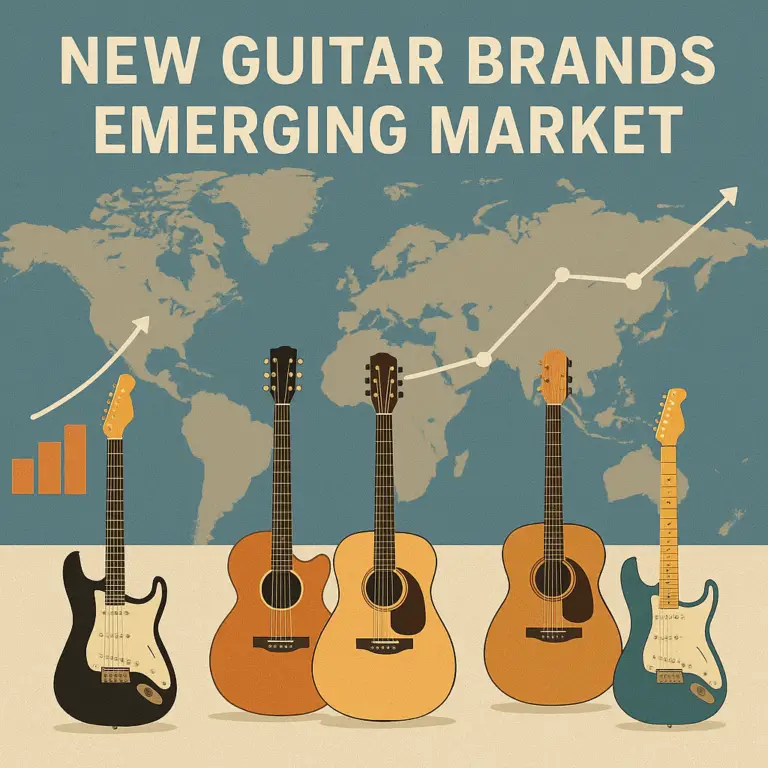
🚀 Future-Proofing Your Choice: Emerging Brands to Watch
The guitar world is always evolving, and there are emerging brands that are worth watching.
The New Contenders
- Sheran by Lowden: A collaboration between Ed Sheran and Lowden, offering high-quality instruments at affordable prices.
- Schecter: A brand that has been gaining momentum in the metal and shred scenes.
- Kiesel: A brand that offers custom guitars at reasonable prices.
The Verdict
Keep an eye on these emerging brands. They might be the next big thing.
💡 Quick Tips and Facts: The Ultimate Cheat Sheet for Brand Buyers
Before you make your final decision, here’s a cheat sheet to help you choose the right brand.
- Try before you buy: Never buy a guitar without trying it first.
- Check the setup: Make sure the action and intonation are correct.
- Look for defects: Check for sharp fret ends, cracks, and finish issues.
- Consider the resale value: If you plan to resell, choose a brand that holds its value.
- Don’t be swayed by hype: The best guitar is the one that fels and sounds good to you.
🏁 Conclusion: Finding Your Perfect Sonic Match

So, we’ve journeyed through the history, the hype, the myths, and the reality of guitar brand reputation. We’ve looked at the titans like Fender and Gibson, the consistent performers like Yamaha, and the hidden gems like G&L.
But remember, the best guitar brand isn’t the one with the most history or the highest resale value. It’s the one that makes you want to pick it up and play. It’s the one that fels right in your hands and sounds right in your ears.
Whether you’re a beginer looking for a reliable first guitar, or a pro searching for the perfect tone, the right brand is out there. Don’t let the hype fool you. Trust your ears, trust your hands, and trust your heart.
And if you’re still unsure? Try them all. The best way to find your perfect sonic match is to play them.
🔗 Recommended Links
Ready to find your dream guitar? Check out these trusted sources for the best deals and selections.
- Fender: Amazon | Sweetwater | Fender Official
- Gibson: Amazon | Guitar Center | Gibson Official
- PRS: Amazon | Sweetwater | PRS Official
- Martin: Amazon | Guitar Center | Martin Official
- Ibanez: Amazon | Sweetwater | Ibanez Official
- Yamaha: Amazon | Guitar Center | Yamaha Official
- ESP: Amazon | Sweetwater | ESP Official
- Rickenbacker: Amazon | Rickenbacker Official
- Suhr: Amazon | Suhr Official
- G&L: Amazon | G&L Official
Books to Read:
❓ FAQ: Your Burning Questions About Guitar Brand Reputation Answered

What are the most trusted guitar brands among professional musicians?
Professional musicians often trust Fender, Gibson, PRS, and Martin for their reliability, tone, and resale value. However, many also swear by Yamaha and Ibanez for their consistency and playability.
Read more about “🎸 10 Top Guitar Brands Ranked: What Is the Popular Brand of Guitars? (2026)”
How does brand reputation influence the price of guitars?
Brand reputation can significantly inflate the price of a guitar. A Gibson or Fender will often cost more than a Yamaha or Ibanez with similar specs, simply because of the brand name.
Read more about “💸 How Much Does a Good Ukule Cost? (2026 Price Guide)”
Which guitar brands hold their value the best over time?
Fender, Gibson, Martin, and PRS are known for holding their value well. Yamaha and Ibanez also hold their value, but not as well as the American brands.
Read more about “🎸 15 Top Vintage & Collectible Guitar Brands You Need to Know (2026)”
What are the top guitar brands recommended for beginners?
Yamaha, Ibanez, Squier, and Epiphone are excellent choices for beginers. They offer great quality at affordable prices.
Read more about “🎸 vs 🎵: Is It Easier to Learn Guitar or Ukule? (2026)”
How do popular guitar brands compare in terms of sound and playability?
Fender is known for bright, articulate tones and comfortable playability. Gibson is known for warm, sustaining tones and heavy bodies. PRS offers a blend of both. Yamaha and Ibanez are known for versatility and playability.
Read more about “🎷 7 Top Guitar Brands for Jazz Music (2026)”
Which guitar brands are known for the best quality and durability?
Yamaha, Ibanez, and Fender are known for their quality and durability. Gibson can be hit or miss, but the high-end models are excellent.
Read more about “🎸 15 Best Affordable Guitar Brands That Sound Expensive (2026)”
What are the most reliable electric guitar brands?
Fender, Yamaha, and Ibanez are the most reliable electric guitar brands. They offer consistent quality and reliable hardware.
Read more about “🎸 25 Best Bass Guitar Brands Ranked for 2026: From Budget to Boutique”
Which guitar brands are known for high-quality craftsmanship?
Martin, Gibson, PRS, and Suhr are known for their high-quality craftsmanship. They use premium materials and attention to detail.
Read more about “🎸 Are Expensive Guitar Brands Always Better? (2026 Truth)”
How does guitar brand reputation affect resale value?
Brand reputation is a major factor in resale value. Fender, Gibson, and Martin hold their value well, while Yamaha and Ibanez hold their value less well.
Read more about “🏆 15 Guitar Brands with the Best Value for Money (2026)”
Do boutique guitar brands offer better quality and craftsmanship than mass-produced brands?
Boutique brands often offer better quality and craftsmanship than mass-produced brands. However, they are also more expensive and less consistent.
How do customer reviews and ratings impact the reputation of a guitar brand?
Customer reviews and ratings can significantly impact the reputation of a guitar brand. Positive reviews can boost sales, while negative reviews can hurt sales.
Read more about “What Are the 10 Most Popular Guitar Brands in the World? 🎸 (2025)”
What are the key differences between American and Japanese guitar brands?
American brands are known for heritage and craftsmanship, while Japanese brands are known for precision and consistency. American brands are often more expensive, while Japanese brands are more affordable.
Read more about “🎸 The Ultimate Guide to Guitar Manufacturers: Who Makes the Best Axe? (2026)”
Are high-end guitar brands worth the investment for professional musicians?
High-end guitar brands can be worth the investment for professional musicians, especially if they need customization and flawless execution. However, mid-range brands can also offer excellent quality at a lower price.
Read more about “🎸 Top 10 Boutique Bass Guitar Brands for 2026: Beyond the Big Factory Names”
Which guitar brands are known for their durability and longevity?
Fender, Yamaha, and Ibanez are known for their durability and longevity. They are built to withstand the rigors of touring and recording.
How do I determine the quality of a guitar based on its brand?
To determine the quality of a guitar based on its brand, look at reviews, specs, and build quality. Don’t rely solely on the brand name.
Read more about “🔍 What Brand of Guitar Is This? The Ultimate 2026 ID Guide”
What are the most reputable guitar brands for beginners?
Yamaha, Ibanez, Squier, and Epiphone are the most reputable guitar brands for beginers. They offer great quality at affordable prices.
Read more about “🎸 Which Type of Ukule Is Better? The 2026 Size & Sound Guide”
📚 Reference Links
- Acoustic Guitar Review: Sheran by Lowden S02
- Instructables: How to Pick a Guitar
- Fender Official Website
- Gibson Official Website
- PRS Official Website
- Martin Official Website
- Ibanez Official Website
- Yamaha Official Website
- ESP Official Website
- Rickenbacker Official Website
- Suhr Official Website
- G&L Official Website